It was a rainy Tuesday and my kitchen smelled of burnt toast and a lingering trace of last night’s take‑out. I stared at the smoldering skillet, realizing I’d burned the onions and the walnuts had turned to ash. That disaster was the spark that turned a simple pantry list into a culinary dare from my friend, who swore he’d never taste anything so bold without a splash of irony. “I dare you to taste this and not go back for seconds,” he whispered, and I laughed, knowing that my next creation would be a revelation.
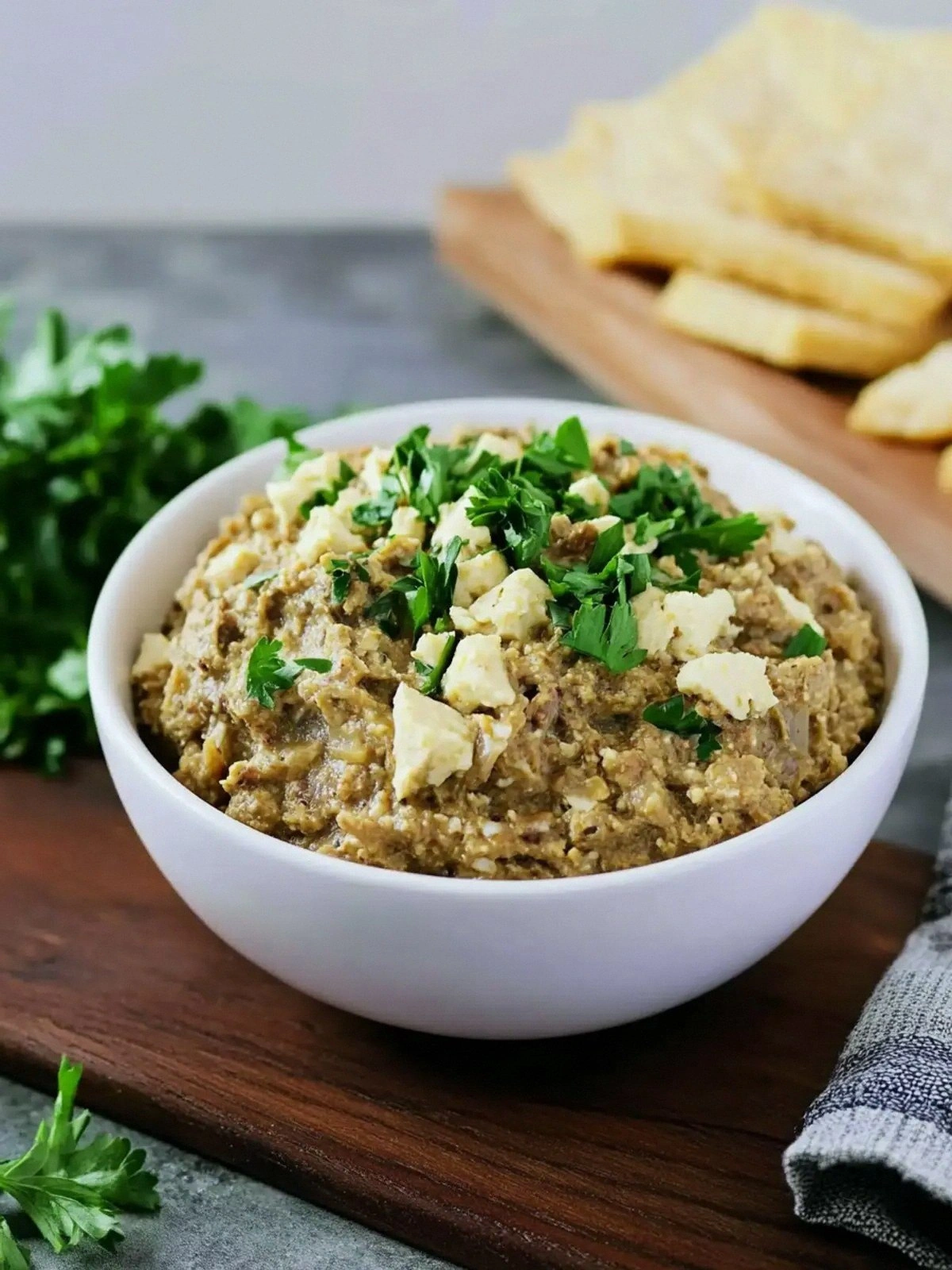
Picture the scene: steam curling from a sizzling pan, the golden crunch of toasted walnuts, the earthy aroma of peas mingling with fresh onion. The sound is a gentle pop, the taste a harmony of crunchy nuts, creamy eggs, and the bright pop of peas. The texture feels like a dance of crisp edges and soft centers, while the heat from the skillet kisses your fingertips, making you feel alive in the kitchen. I can almost hear the faint crackle of the oil, the whisper of onions sautéing, and the quiet sigh of anticipation as the dish begins to take shape.
What makes this version stand out is not just the combination of ingredients, but the intentional layering of flavors and textures that turns a humble vegetarian dish into a showstopper. I’ve stripped away the fluff of generic recipes, focusing on the integrity of each component: the nutty crunch, the silky eggs, and the vibrant peas that bring a burst of color. The result is a dish that feels both comforting and adventurous, like a warm hug wrapped in a crunchy shell.
And there’s a twist I didn’t expect—using hard‑boiled eggs as the star, not the garnish. The eggs add a subtle richness that balances the earthy walnuts and bright peas, creating a symphony of taste that feels surprisingly sophisticated. I’m about to walk you through every single step, and by the end, you’ll wonder how you ever made it any other way.
What Makes This Version Stand Out
- Flavor: The toasted walnuts bring a deep, buttery note that cuts through the mildness of peas, while the eggs provide a creamy undertone that ties everything together. This layered flavor profile feels like a well‑written novel—each chapter more enticing than the last.
- Texture: The contrast between the crisp walnuts, the silky eggs, and the tender peas creates a sensory dance that keeps your palate engaged. It’s the kind of texture play that makes you reach for the next bite without hesitation.
- Ease: No complicated sauces or obscure ingredients—just pantry staples and a few quick steps. You can whip this up in under an hour, even if you’re a kitchen novice.
- Uniqueness: Most vegetarian recipes lean on tofu or beans; I’ve flipped the script by making the eggs the centerpiece. This gives the dish an unexpected depth that’s hard to find elsewhere.
- Crowd‑pleaser: Whether you’re serving friends or family, the vibrant colors and comforting flavors guarantee applause. The dish feels like a party on a plate, inviting everyone to join the feast.
- Ingredient Quality: Fresh, high‑quality walnuts and peas make a world of difference. The difference between a good dish and a great one is often just the freshness of the produce.
- Method Simplicity: A single pan, a handful of steps, and a few minutes of prep. The technique is straightforward enough that even a first‑time cook can master it.
- Make‑ahead Potential: The dish stays delicious when reheated, making it perfect for meal prep or a busy weekday dinner. You can prepare it ahead of time and enjoy a restaurant‑style dish with zero hassle.
Inside the Ingredient List
The Flavor Base
The 2 tablespoons of vegetable oil are the silent hero that carries the aromas of onion and walnuts into the dish. They create a smooth canvas that allows the other flavors to shine without clashing. Skipping the oil would result in a dry pan that burns the nuts and onions, ruining the overall harmony.
Next comes the medium onion, chopped into fine pieces that release a sweet, caramelized aroma when sautéed. If you prefer a sharper bite, use a yellow onion; if you want a milder, sweeter profile, opt for a white onion. A good rule of thumb: use an onion that’s firm, with a tight skin and a bright, unblemished color.
The Texture Crew
Walnuts, toasted to a golden hue, provide a satisfying crunch and a nutty depth that balances the dish’s mild elements. Toasting them in a skillet rather than the oven keeps their oils from oxidizing, preserving their natural flavor. If you’re short on time, pre‑toasted walnuts from the grocery store work, but fresh toasting gives you that extra layer of aroma.
Hard‑boiled eggs, peeled and quartered, act as the dish’s creamy backbone. Their yolks melt slightly when warmed, creating a silky texture that coats the peas and walnuts. If you’re allergic to eggs, substitute with diced tofu or a firm paneer for a similar mouthfeel.
The Unexpected Star
Peas—15 ounces of fresh or frozen—bring a bright, sweet burst that cuts through the richness of walnuts and eggs. They also add a pop of color that makes the dish visually appealing. If you can’t find peas, edamame or green beans work as a substitute, though the flavor profile will shift slightly.
The Final Flourish
Seasoning with salt and black pepper is essential to bring out the natural flavors of each ingredient. The salt enhances the nuttiness of the walnuts and the sweetness of the peas, while the pepper adds a subtle heat that lingers on the palate. Remember, seasoning is a personal touch—add a pinch of each to taste.
Everything’s prepped? Good. Let’s get into the real action.
The Method — Step by Step
- Heat the skillet: Place a heavy‑bottom skillet over medium heat and add the 2 tablespoons of vegetable oil. Watch the oil shimmer as it warms—this is the first cue that the pan is ready. The oil should coat the bottom of the pan evenly; if it’s too hot, the oil will start to smoke, which will give you a burnt flavor. Let the oil heat for about 30 seconds before adding the onion.
- Sauté the onion: Add the chopped onion to the skillet, stirring constantly. The onions should soften and turn translucent in about 3–4 minutes. If they brown too quickly, lower the heat. The goal is a gentle caramelization that releases their natural sugars without burning. This step forms the aromatic base of the dish.
- Toast the walnuts: Toss the 1 cup of chopped walnuts into the pan with the onions. Stir frequently to prevent them from sticking or burning. Toasting takes 3–4 minutes, and you’ll know they’re ready when they emit a nutty aroma and turn a light golden brown. The toasted walnuts will add a crunchy texture that contrasts beautifully with the soft peas and eggs.
- Introduce the peas: Sprinkle the 15 ounces of peas into the skillet. Stir to combine with the onions and walnuts. Cook for 2–3 minutes, just until the peas are heated through but still bright green. If you’re using frozen peas, add them directly from the freezer; they’ll thaw quickly in the hot pan.
- Add the eggs: Gently fold in the 4 hard‑boiled eggs, quartered or sliced, to the pan. Use a wooden spoon to stir, ensuring the eggs don’t break apart. The eggs should warm through in about 2 minutes, releasing their creamy yolks into the mixture. This step is crucial for achieving that silky, cohesive texture.
- Season: Sprinkle salt and black pepper to taste. Start with a pinch of each, then adjust as needed. The seasoning will bring all the flavors together, enhancing the nuttiness of the walnuts and the sweetness of the peas. Remember, you can always add more, but you can’t take it out once it’s in.
- Finish and plate: Give the mixture a final stir, ensuring everything is evenly coated. Remove from heat and transfer the dish to a serving bowl. The final touch is a quick drizzle of extra oil or a squeeze of lemon, if desired, to brighten the flavors.
- Serve immediately: Plate the dish while it’s still warm. The contrast of hot, creamy eggs against the cool, crunchy walnuts creates a delightful experience. Garnish with a few fresh herbs like parsley or chives for a pop of color.
That’s it — you did it. But hold on, I’ve got a few more tricks that will take this to another level. These insider tips will help you avoid common pitfalls and elevate the dish into a culinary masterpiece.
Insider Tricks for Flawless Results
The Temperature Rule Nobody Follows
Many cooks assume that higher heat always means faster cooking, but with this dish, the key is medium heat. A skillet that’s too hot will scorch the onions and walnuts, while a skillet that’s too cool will leave the peas undercooked. Aim for a gentle sizzle—if the oil starts to dance, you’re in the sweet spot. I’ve learned that maintaining a steady medium heat keeps the flavors balanced and the textures perfect.
Why Your Nose Knows Best
Before you even start the timer, trust your nose. The moment the onions begin to turn translucent and the walnuts emit a nutty perfume, you’re ready to move to the next step. The aroma is a reliable indicator that the base flavors are developing correctly. If the scent is too sharp, it’s a sign you’re overcooking.
The 5-Minute Rest That Changes Everything
After cooking, let the dish sit for five minutes before serving. This brief rest allows the flavors to meld and the heat to distribute evenly. During this time, the eggs will finish warming, and the peas will soften just enough to remain tender. It’s a small step that makes a big difference in the overall mouthfeel.
Use Fresh Peas for Color
Fresh peas retain their bright green hue and natural sweetness. If you’re using frozen peas, rinse them under cold water before adding them to the pan to prevent a dull color. The visual appeal of the dish is just as important as the taste, and fresh peas give it that restaurant‑grade look.
Finishing Touches with Herbs
Finishing the dish with fresh herbs like parsley, chives, or even a sprinkle of crushed red pepper adds a burst of freshness that cuts through the richness. Herbs also elevate the dish’s visual appeal, making it more Instagram‑worthy. A quick garnish can transform a simple plate into a memorable experience.
Creative Twists and Variations
This recipe is a playground. Here are some of my favorite ways to switch things up:
Vegan Version
Swap the hard‑boiled eggs for diced tofu or a plant‑based egg substitute. Use a splash of nutritional yeast for a cheesy undertone. This version keeps the same texture profile while making it fully plant‑based.
Spicy Kick
Add a tablespoon of crushed red pepper flakes or a diced jalapeño to the skillet with the onions. The heat will mingle with the walnut’s nuttiness, creating a bold, spicy flavor that pairs well with a cool yogurt dip.
Herb‑Infused
Stir in a handful of chopped fresh basil or mint after adding the peas. The herbs will bring a bright, aromatic note that brightens the dish and adds a fresh contrast to the earthiness of the walnuts.
Nutty Swap
Replace walnuts with pecans or almonds for a different crunch and flavor profile. Pecans bring a buttery sweetness, while almonds add a subtle nutty depth that complements the peas.
Seasonal Twist
During the fall, add a handful of sautéed butternut squash cubes or roasted pumpkin seeds for a seasonal touch. The natural sweetness of the squash pairs wonderfully with the savory elements of the dish.
Storing and Bringing It Back to Life
Fridge Storage
Cool the dish completely before covering it with an airtight container. Store in the refrigerator for up to 3 days. When ready to eat, reheat gently on low heat, stirring occasionally, to avoid overcooking the eggs.
Freezer Friendly
For longer storage, portion the dish into freezer‑safe containers and freeze for up to 2 months. Thaw overnight in the refrigerator, then reheat on the stovetop or in a microwave, adding a splash of water or broth to keep the texture moist.
Best Reheating Method
Reheat in a skillet over low heat, adding a teaspoon of water or broth to create steam. This technique restores the dish’s moisture and prevents the peas from drying out. Finish with a drizzle of olive oil or a sprinkle of fresh herbs for a fresh finish.