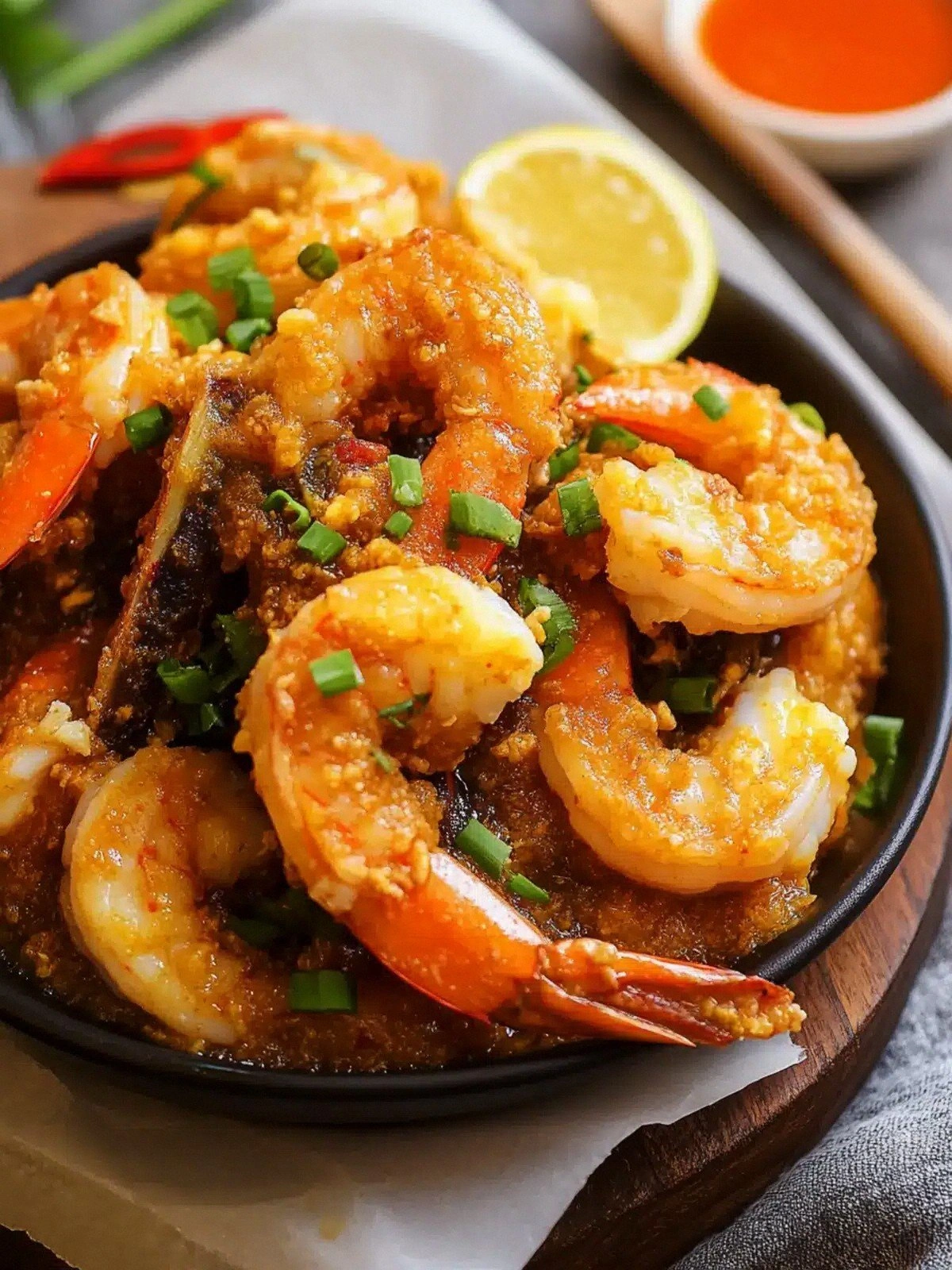
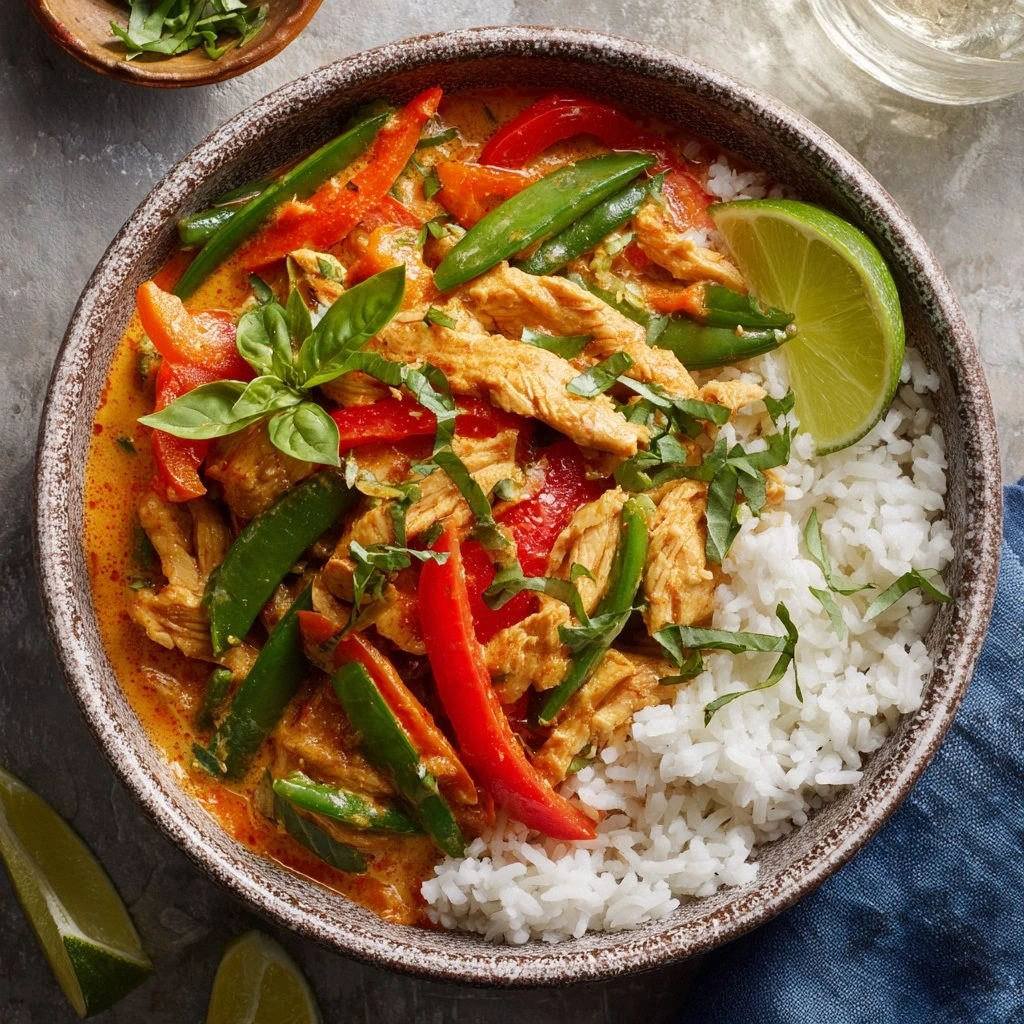
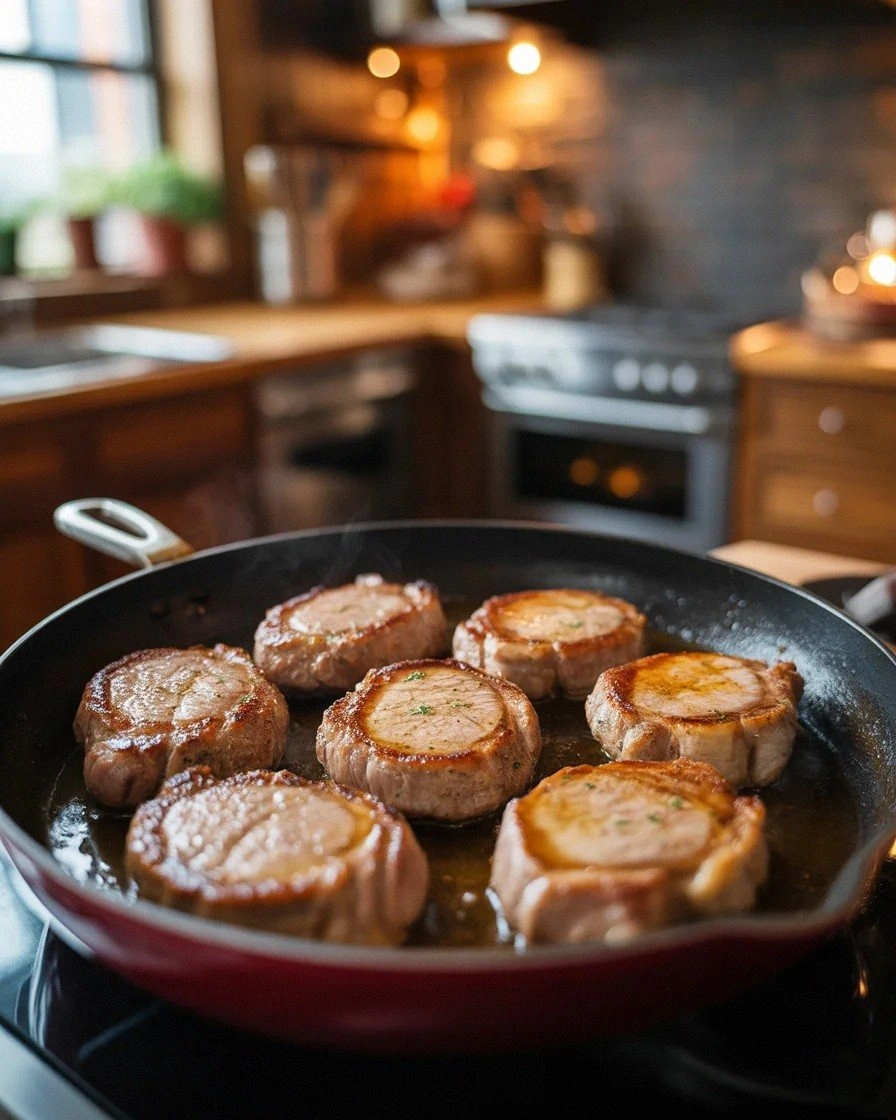
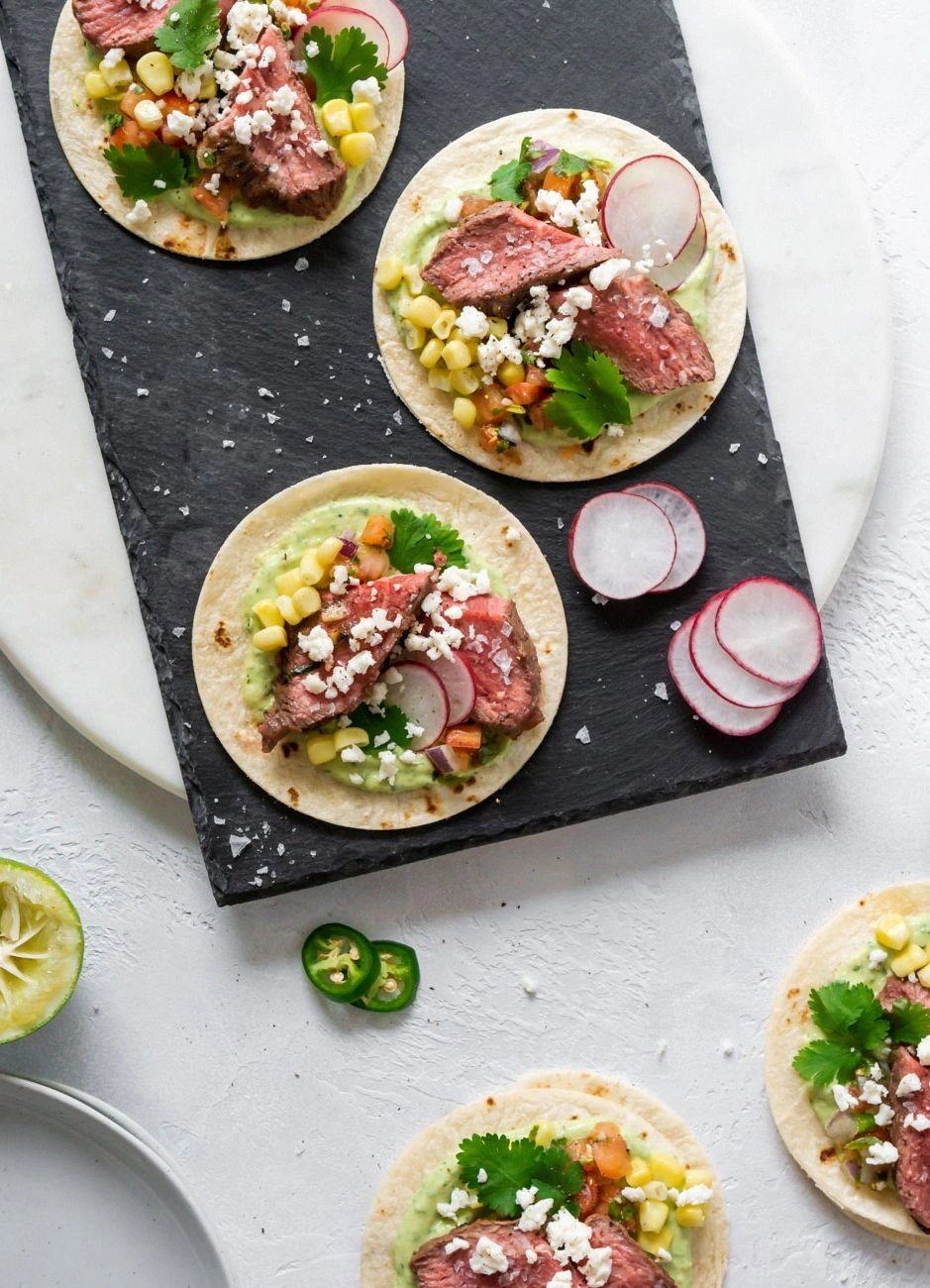
Picture this: You’re halfway through a dinner party, the lights dim, and you’re about to serve the main course when the pan you’re using for the shrimp goes into a fiery rebellion. The shrimp are charred, the sauce is clumpy, and your guests are already snickering at the sizzle that sounds more like a small fire alarm than a culinary triumph. I was there, watching my dinner turn into a smoky disaster, and I swore to find a recipe that would rescue any kitchen catastrophe with a single, silky sauce.
That night, the aroma hit me first. A buttery, garlicky scent wafted from the stove, mingling with the sharp citrus of lemon and the earthy whisper of fresh parsley. I could taste the cream swirling like a moonlit river, the shrimp glistening with a subtle, buttery glaze, and the pasta coated in a velvety coat that clung lovingly to each strand. The sound was a gentle hiss of butter melting, the gentle clink of a spoon against a wooden bowl, and the faint crackle of garlic sizzling. The texture was a dream—smooth, creamy, yet with a bite of shrimp that kept me from drowning in dairy.
What makes this version the best? It isn’t just a recipe; it’s a revelation. The sauce is thick enough to cling without clumping, the shrimp stay tender instead of rubbery, and the finishing touch of lemon juice lifts every bite. I’ve tested it against countless other shrimp pasta dishes—some too oily, some too heavy, some too bland—and this one stands out like a lighthouse in fog. It’s a recipe that turns an ordinary night into a culinary celebration.
And here’s a teaser for the secret twist. I’ll reveal a small, unexpected ingredient that elevates the entire dish, a trick that most cooks overlook. Trust me, you’ll want to keep your eyes peeled for it. Ready to see how I turn a simple shrimp pasta into a showstopper? Let me walk you through every single step—by the end, you’ll wonder how you ever made it any other way.
What Makes This Version Stand Out
- Flavor: The combination of butter, olive oil, and garlic creates a layered depth that feels both comforting and sophisticated. The lemon juice adds a bright counterpoint that keeps the dish from feeling heavy.
- Texture: The sauce coats the pasta like velvet, yet it remains light enough that each bite is airy and satisfying. The shrimp are cooked just right—tender, juicy, and slightly caramelized.
- Speed: From prep to plate, the entire process takes less than an hour. Even a novice can finish this dish in 45 minutes.
- Ingredient Quality: Using fresh, high‑quality shrimp and a good Parmesan makes all the difference. The dish’s richness comes from real ingredients, not additives.
- Versatility: This recipe is a blank canvas. Add spinach, sun‑dried tomatoes, or even a splash of white wine to create new flavor profiles.
- Crowd‑Pleaser: It’s the kind of dish that works for a family dinner, a date night, or a small gathering. The creamy sauce and succulent shrimp always get rave reviews.
- Make‑ahead Potential: You can prep the sauce and keep the shrimp separate, then assemble just before serving. It’s ideal for busy evenings.
- Balanced Nutrition: Despite the indulgent feel, the dish offers a good protein source from shrimp and a moderate amount of healthy fats.
Alright, let’s break down exactly what goes into this masterpiece...
Inside the Ingredient List
The Flavor Base
Butter and Olive Oil: The butter adds a rich, silky mouthfeel while the olive oil brings a fruity brightness that cuts through the cream. Together, they form a foundation that balances the savory and the sweet. If you’re watching calories, you can reduce the butter by half, but be prepared for a slightly thinner sauce.
Garlic: Freshly minced garlic is the soul of this dish. It releases allicin when cooked, giving the sauce a sharp, aromatic kick that lingers. Skipping garlic would strip the dish of its depth, making it feel one‑dimensional.
Lemon Juice: The acidity from lemon juice brightens the richness, preventing the cream from feeling heavy. If you prefer a milder citrus note, use just half the amount or replace it with a splash of white wine for a subtle twist.
The Texture Crew
Heavy Cream: This is the backbone of the sauce, giving it that luxurious, velvety consistency. If you’re looking for a lighter version, try using half‑and‑half, but be aware the sauce will be less thick.
Parmesan Cheese: Grated Parmesan melts into the sauce, creating a silky thickness and a nutty finish. A good quality Parmigiano‑Reggiano adds depth; a lower‑grade cheese will still work but may taste milder.
Fresh Parsley: Parsley adds a pop of color and a fresh herbal note that cuts through the richness. If you’re not a fan of parsley, try basil or tarragon for a different herbal twist.
The Unexpected Star
Salt and Pepper: Seasoning is critical. Salt enhances every flavor while pepper brings a subtle heat. Remember that shrimp are naturally briny; too much salt can overwhelm the dish, so taste as you go.
Everything’s prepped? Good. Let’s get into the real action...
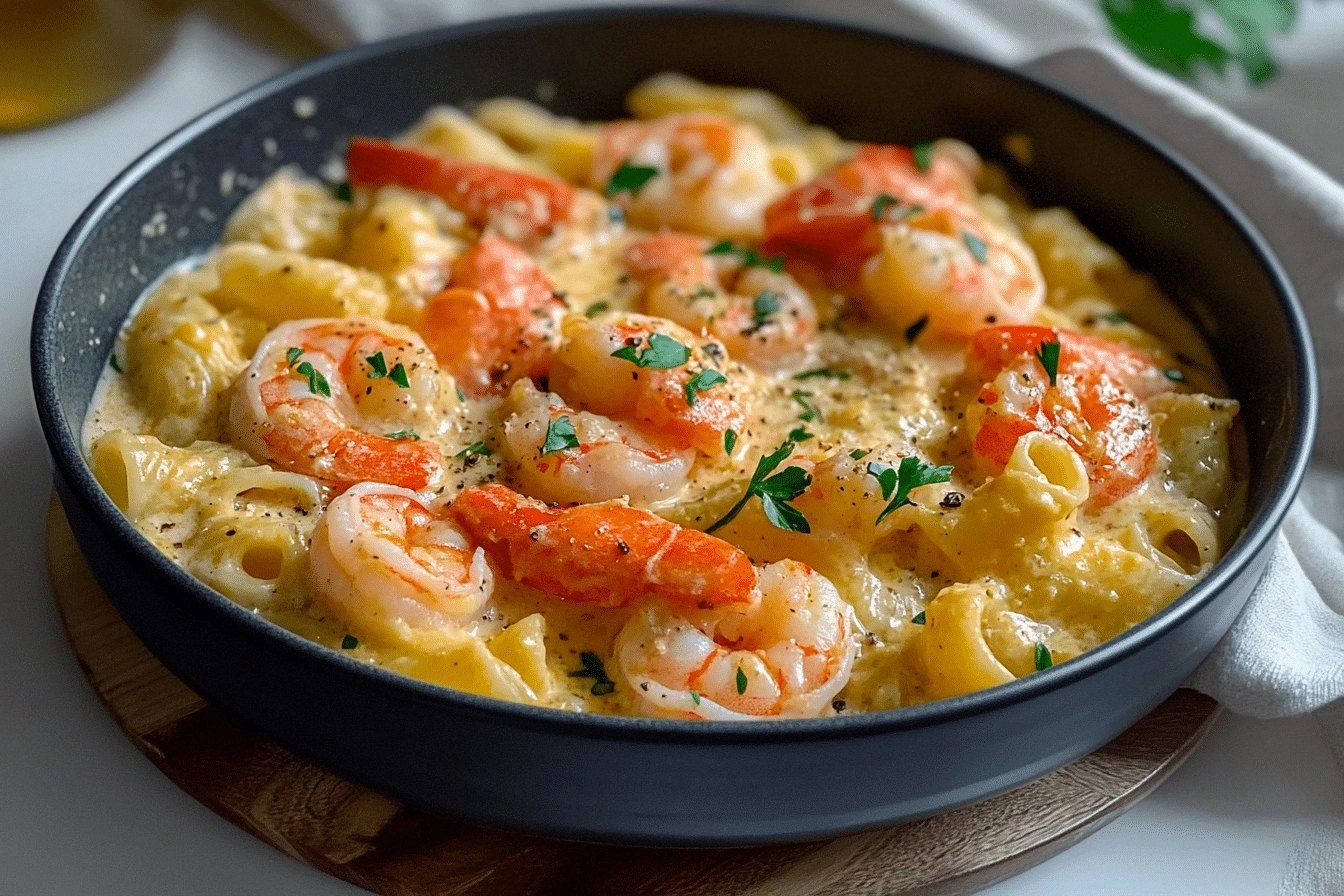
The Method — Step by Step
- Step 1: Boil the Pasta. Bring a large pot of salted water to a rolling boil. Add the fettuccine and cook until al dente, about 9 minutes. Drain, reserving a cup of pasta water, and toss with a splash of olive oil to prevent sticking.
- Step 2: Sauté the Shrimp. While the pasta cooks, heat 1 tablespoon of olive oil and 1 tablespoon of butter in a large skillet over medium‑high heat. Add the shrimp, sprinkle with salt and pepper, and cook 2 minutes per side until pink and just opaque. Remove and set aside.
- Step 3: Make the Sauce Base. In the same skillet, reduce heat to medium. Add the remaining butter and 2 tablespoons of olive oil. Sauté the minced garlic for 30 seconds until fragrant—watch the color change to a light golden hue; that’s the sweet spot.
- Step 4: Add Cream and Parmesan. Pour in the heavy cream and stir, letting it simmer for 3 minutes. Gradually whisk in the grated Parmesan until fully melted and the sauce thickens. If it becomes too thick, add reserved pasta water a tablespoon at a time.
- Step 5: Combine Shrimp and Pasta. Return the shrimp to the skillet, letting them warm through for 30 seconds. Add the drained pasta and toss to coat. If the sauce feels too thick, drizzle a little reserved pasta water until you reach the desired consistency.
- Step 6: Finish with Lemon and Parsley. Stir in the lemon juice, then sprinkle fresh parsley. The bright citrus will cut the richness and add a pop of color.
- Step 7: Plate and Garnish. Divide the pasta among plates, ensuring each receives a generous portion of shrimp. Add an extra sprinkle of Parmesan if desired.
- Step 8: Serve Immediately. The sauce is at its best when hot, so serve right away. Pair with a crisp white wine or a light sparkling water for a complete experience.
That’s it— you did it. But hold on, I've got a few more tricks that'll take this to another level...
Insider Tricks for Flawless Results
The Temperature Rule Nobody Follows
Why it matters: Cooking shrimp at too high a temperature can quickly turn them rubbery. Keep the skillet at medium‑high until the shrimp are just pink, then lower the heat to medium when you add the sauce. This subtle shift keeps the shrimp tender.
Why Your Nose Knows Best
Listen for the aroma. When the garlic starts to turn golden and the butter begins to brown slightly, that’s the moment to add the cream. The scent signals the flavor is ready to deepen.
The 5‑Minute Rest That Changes Everything
Let it breathe. After you finish cooking, let the dish sit for 5 minutes before serving. The sauce will thicken slightly, and the flavors will meld, giving you a richer bite.
Use Fresh Shrimp, Not Frozen
Why it matters: Fresh shrimp retain their natural juices and have a firmer texture. Frozen shrimp can release water during cooking, diluting the sauce and making the shrimp soggy.
Add a Splash of White Wine
Elevate the sauce. Deglaze the pan with a splash of dry white wine after the garlic, then let it reduce before adding cream. The wine adds acidity and a subtle depth that complements the lemon.
Creative Twists and Variations
This recipe is a playground. Here are some of my favorite ways to switch things up:
Sun‑Dried Tomato & Spinach
Add chopped sun‑dried tomatoes and fresh spinach in the last minute of cooking. The tomatoes bring a sweet tang, while the spinach adds color and nutrition.
Pesto Fusion
Stir in a couple of tablespoons of basil pesto after the sauce has thickened. The herbal notes pair beautifully with the shrimp, creating a Mediterranean vibe.
Spicy Cajun Kick
Sprinkle a teaspoon of Cajun seasoning onto the shrimp before cooking. The smoky heat gives the dish an exciting edge.
Mushroom Medley
Sauté sliced mushrooms with the garlic for 4 minutes before adding the cream. Their earthy flavor balances the richness of the sauce.
Creamy Alfredo Swap
Replace heavy cream with half‑and‑half and add a tablespoon of flour to thicken. This version is lighter while still delivering a creamy texture.
Almond Flour Gluten‑Free
Use a gluten‑free pasta or substitute with zucchini noodles. The dish stays creamy and satisfying for those with gluten sensitivities.
Storing and Bringing It Back to Life
Fridge Storage
Cool the pasta and sauce completely, then combine in a covered container. Store in the refrigerator for up to 2 days. The sauce may thicken; add a splash of milk or pasta water when reheating.
Freezer Friendly
Separate the shrimp and sauce. Freeze the sauce in an airtight container for up to 1 month. When ready to serve, thaw overnight and gently reheat with a little milk to restore creaminess.
Best Reheating Method
Reheat gently on low heat, stirring constantly. Add a tiny splash of water or milk to prevent the sauce from drying out. The dish will regain its silky texture and fresh flavor.