I was standing in my kitchen, half‑swinging a jar of honey like a mad scientist, when the timer dinged and the batter exploded in my hand. The smell of burnt sugar and orange peel filled the air, and my friends were laughing so hard they almost fell out of their seats. That night, I swore to myself that no more “experiment” would end in a kitchen catastrophe. The next morning, I rolled up my sleeves, pulled out the freshest orange, and decided it was time to rewrite the rules for orange‑ginger‑honey cakes.
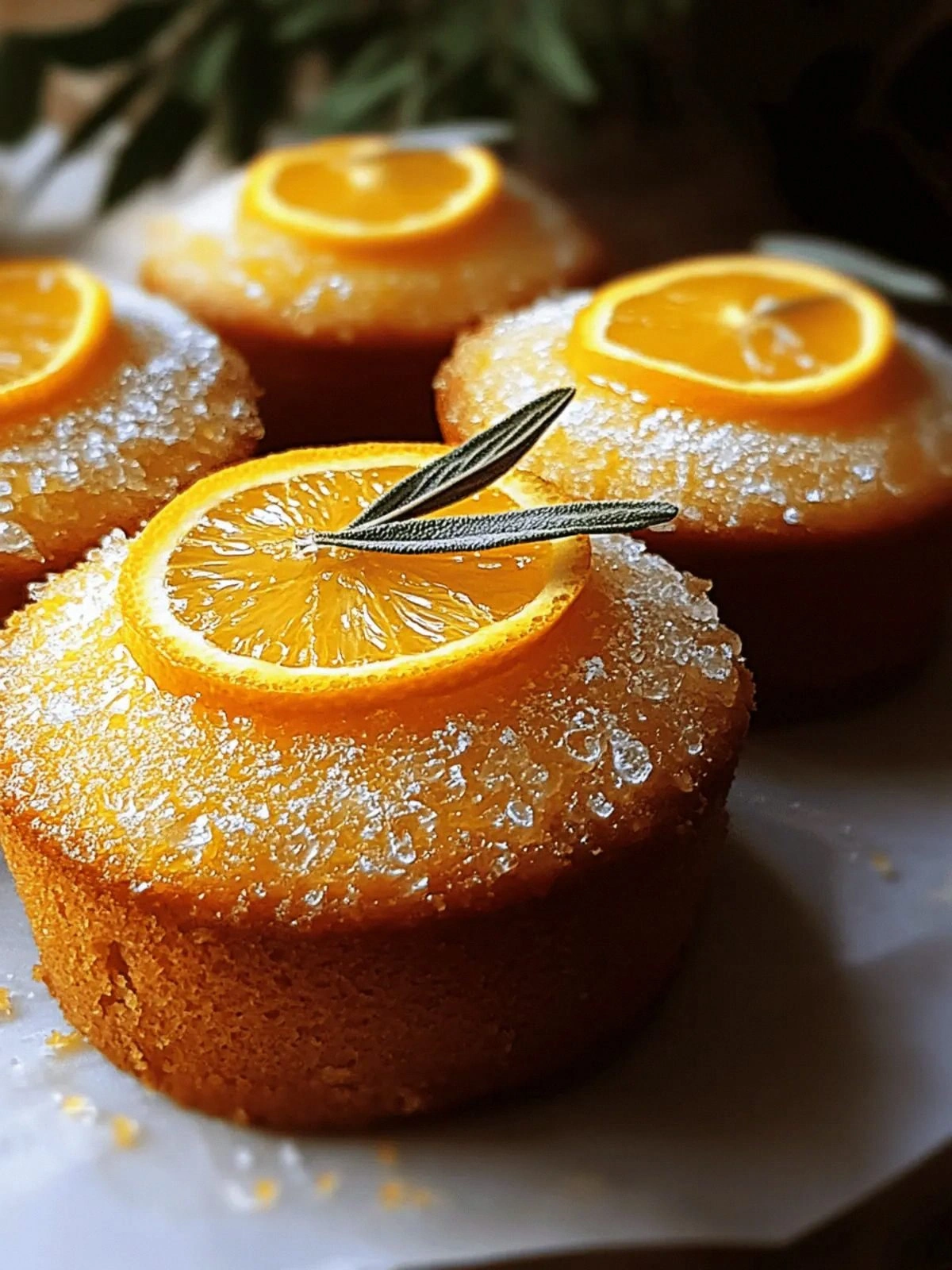
Imagine a cake that feels like a warm hug, with a moist crumb that clings to the inside of your mouth like a silk scarf, and a glaze that glistens like sunrise on a glass of tea. The first bite releases a burst of citrus that cuts through the sweetness of honey, followed by a subtle kick of ginger that lingers on the palate. The aroma that rises as the cake bakes is a comforting blend of vanilla and toasted spices, while the gentle crackle of the crust signals that it’s ready to be devoured. The texture is a delicate balance—soft enough to melt in your mouth, yet firm enough to hold a spoonful of honey glaze without dripping.
What makes this version of orange‑ginger‑honey cakes stand out is not just the combination of flavors, but the method that locks in moisture and enhances the natural sweetness of honey. By folding in fresh grated ginger early, the spices infuse the batter more evenly, giving each bite a consistent profile. The use of honey as a sweetener, instead of refined sugar, adds depth and a subtle floral note that ordinary cakes lack. And the glaze—made from the same honey and orange zest—creates a glossy finish that keeps the cakes moist for days. Most recipes get this completely wrong, using heavy sugar and overlooking the benefits of fresh ginger.
Picture yourself pulling these golden beauties out of the oven, the whole kitchen smelling incredible, the steam rising in slow spirals, and the anticipation of the first bite building to a crescendo. I dare you to taste this and not go back for seconds. If you’ve ever struggled to keep cakes moist or to balance sweet and spicy, you’re not alone—this recipe is the fix you’ve been waiting for. Stay with me here, and I’ll walk you through every single step—by the end, you’ll wonder how you ever made it any other way.
What Makes This Version Stand Out
- Flavor Depth: The combination of orange zest, fresh ginger, and honey creates a complex profile that feels like a sunrise on your tongue. The citrus brightens the sweet honey, while the ginger adds a warm, peppery undertone.
- Moisture Lock: Honey’s hygroscopic properties keep the crumb tender for weeks. The technique of folding in grated ginger early ensures even spice distribution.
- Texture Perfection: The batter’s ratio of flour to liquid is fine‑tuned to produce a cake that is airy yet dense enough to hold the glaze without collapsing.
- Simple Prep: All ingredients are measured in cups and teaspoons, no exotic equipment required. The process is streamlined: mix dry, add wet, bake, glaze.
- Make‑Ahead Friendly: Bake the cakes and let them cool; then store them in an airtight container. The glaze can be added just before serving, keeping the cakes fresh.
- Audience Appeal: These cakes are a crowd‑pleaser at brunches, holiday gatherings, or a quiet Sunday afternoon. They’re sweet enough for kids yet complex enough for adults.
- Ingredient Quality: Using organic honey and fresh ginger elevates the flavor profile and ensures a healthier, more natural dessert.
- Time Efficiency: From prep to bake, the entire process takes under an hour, making it a go‑to recipe for busy evenings.
Alright, let's break down exactly what goes into this masterpiece...
Inside the Ingredient List
The Flavor Base
At the heart of these cakes lies a trio of citrus, spice, and sweetness. The 1 cup of honey is the sweetener of choice because it brings a natural floral note that simple sugar cannot replicate. Honey also acts as a humectant, drawing moisture into the batter and keeping the cakes soft. Orange juice and orange zest provide the bright, zesty aroma that awakens the senses. The zest, in particular, contains essential oils that release during baking, giving the cake a lively citrus fragrance that lingers long after the first bite.
The Texture Crew
The texture of the cake is engineered by the careful balance of dry and wet ingredients. The 2 cups of all‑purpose flour give the structure, while the 1 tablespoon of baking powder and 1 teaspoon of baking soda create lift. The 1/2 teaspoon of salt balances the sweetness and enhances flavor depth. 1/2 cup of vegetable oil adds richness without heaviness, ensuring a tender crumb. Finally, the 3 large eggs bind everything together and contribute to the cake’s rise.
The Unexpected Star
While oranges and ginger are expected, the 2 tablespoons of fresh grated ginger are the secret weapon. Fresh ginger delivers a bright, peppery zing that stands out in the sweet glaze. If you’re unable to find fresh ginger, 1 tablespoon of ground ginger will suffice, but the flavor will be less vibrant. The grated ginger also helps to distribute the spice evenly throughout the batter, preventing clumps of heat.
The Final Flourish
The glaze is what turns these cakes from simple to sensational. It’s made by gently heating the remaining honey with a splash of orange juice and a tablespoon of orange zest until it becomes syrupy. The glaze is brushed over the warm cakes, allowing it to seep into the crumb and create a glossy, caramelized finish. The result is a cake that is both moist and decadently sweet, with a hint of spice that keeps the flavor profile balanced.
Everything's prepped? Good. Let's get into the real action...
The Method — Step by Step
- Preheat your oven to 350°F (175°C). Line two 9‑inch round cake pans with parchment paper and lightly grease the sides. This simple step ensures the cakes come out of the pans clean and the edges have room to rise. While the pans are warming up, gather all your ingredients so you’re ready for the next step.
- In a medium bowl, whisk together the flour, baking powder, baking soda, ground ginger, ground cinnamon, and salt. The dry mix should look like a fine, even powder. This is where the cake’s structure gets its foundation. By mixing these dry ingredients first, you avoid clumps and ensure an even rise.
- In a separate large bowl, beat the eggs and honey together until the mixture is glossy and slightly thickened. Add the orange juice, orange zest, vegetable oil, vanilla extract, and fresh grated ginger. Whisk until all the liquids are fully incorporated. The batter will look silky and slightly runny, but that’s perfect.
- Gradually pour the dry mixture into the wet batter, folding gently with a spatula. Use a gentle folding motion—turn the bowl, scoop, and fold—to preserve the air you’ve just added. Overmixing can lead to a dense cake, so stop when the flour is just incorporated. The batter should be smooth and pourable.
- Divide the batter evenly between the prepared pans. Tap the pans lightly on the counter to release any air pockets. The batter should fill the pans about three‑quarters full. This is the moment of truth—watch the batter settle; if it’s too thick, the cakes will be dry.
- Bake for 25–30 minutes, or until a toothpick inserted in the center comes out clean. The tops should have a golden‑brown hue, and the cakes should feel firm to the touch. The aroma that fills the kitchen will be intoxicating—sweet, citrusy, and spicy all at once.
- Remove the cakes from the oven and let them cool in the pans for 10 minutes. Then transfer them to a wire rack to cool completely. While they’re still warm, drizzle the glaze over the cakes. The glaze will seep into the crumb, giving the cakes a glossy finish and a moist center.
- Once the glaze has set, slice the cakes with a serrated knife and serve immediately, or cover them loosely with parchment and foil to keep them moist for later. If you’re serving a crowd, these cakes can be prepared ahead and glazed just before the table arrives.
That’s it — you did it. But hold on, I've got a few more tricks that'll take this to another level. These small adjustments will elevate the flavor and ensure every bite is flawless.
Insider Tricks for Flawless Results
The Temperature Rule Nobody Follows
Many bakers bake at the maximum temperature listed on the oven, but these cakes perform best at 350°F (175°C). Baking too hot causes the outer edges to brown prematurely while the center remains undercooked. Keep an eye on the oven temperature with an accurate thermometer, and adjust as needed. This simple tweak ensures a uniform rise and a tender crumb.
Why Your Nose Knows Best
Trust the smell of your batter. As the cake bakes, the honey will caramelize slightly, and the orange zest will release its essential oils. When the aroma becomes a sweet, citrusy perfume, it’s a sign the cake is nearly done. Don’t rely solely on the timer; sensory cues are the most reliable indicator.
The 5-Minute Rest That Changes Everything
After removing the cakes from the oven, let them rest in the pans for 5 minutes before transferring to a wire rack. This rest allows the cake to set and reduces the likelihood of cracking. The residual heat continues to cook the center gently, giving a moist, airy texture.
Glaze Timing Is Key
Glazing the cakes while they’re still warm allows the glaze to seep into the crumb. If you wait until the cakes are completely cool, the glaze will sit on top and may separate. Brush the glaze in a thin, even layer, then let it set for a minute before slicing.
Make‑Ahead Storage Secrets
Store the baked, glazed cakes in an airtight container at room temperature for up to 3 days. If you need to keep them longer, refrigerate them and then let them sit at room temperature for 30 minutes before serving. The honey glaze will keep the cakes moist and prevent them from drying out.
Creative Twists and Variations
This recipe is a playground. Here are some of my favorite ways to switch things up:
Citrus Explosion
Add 1 tablespoon of finely grated lemon zest and replace half the honey with maple syrup. The result is a bright, tangy cake with a natural sweetness that pairs beautifully with the orange base.
Spiced Apple Delight
Fold in 1 cup of diced apples and 1 teaspoon of nutmeg. The apples provide moisture and a subtle sweetness that complements the ginger, while the nutmeg adds a warm, earthy undertone.
Nutty Crunch
Stir in 1 cup of chopped toasted pecans before baking. The nuts add texture and a buttery flavor that pairs wonderfully with the honey glaze.
Almond‑Infused
Replace the all‑purpose flour with 1 cup almond flour and 1 cup oat flour. This gluten‑free version retains the moistness and introduces a nutty flavor that pairs well with the ginger.
Coffee‑Ginger Fusion
Add 1 cup of strong brewed coffee and 1 tablespoon of ground cardamom to the batter. The coffee deepens the chocolatey undertones, while cardamom adds a sweet, aromatic spice.
Dessert‑In‑a‑Cup
Bake the batter in muffin tins for mini versions. Serve them with a dollop of whipped cream and a drizzle of honey glaze. They’re perfect for tea parties or a quick snack.
Storing and Bringing It Back to Life
Fridge Storage
Keep the cakes in an airtight container at room temperature for up to 3 days. If you notice the glaze drying, brush a tiny splash of water over the surface before serving. The water will steam the glaze back to a glossy sheen.
Freezer Friendly
Wrap each cake individually in plastic wrap, then place them in a freezer bag. They’ll stay fresh for up to 2 months. Thaw overnight in the fridge and let them reach room temperature before glazing.
Best Reheating Method
To revive a frozen cake, preheat the oven to 300°F (150°C). Place the cake on a baking sheet and bake for 15 minutes, then brush with a thin glaze. This method keeps the cake moist and restores the glaze’s shine.