I was halfway through a week of bland take‑out when my phone buzzed with a frantic text: “Your chicken is dry, and the veggies look like they’ve been in a war zone.” I stared at the photo, heart sinking, until I remembered the last time I made a stir‑fry that tasted like a five‑star restaurant. That night, I grabbed a pound of boneless chicken, a handful of cashews, and a rainbow of fresh vegetables, and I set out to turn that disaster into a triumph.
The kitchen smelled of sizzling garlic and the sharp tang of soy sauce. The sound of the wok was a rhythmic drum, a promise of flavor to come. The sight of bright bell pepper strips, crisp broccoli florets, and golden carrots waiting in the bowl felt like a visual symphony. The texture of the cashews, slightly crunchy yet buttery, was a hint of the final crunch. The taste that would emerge—sweet, savory, and just a whisper of heat—was already forming in my mind.
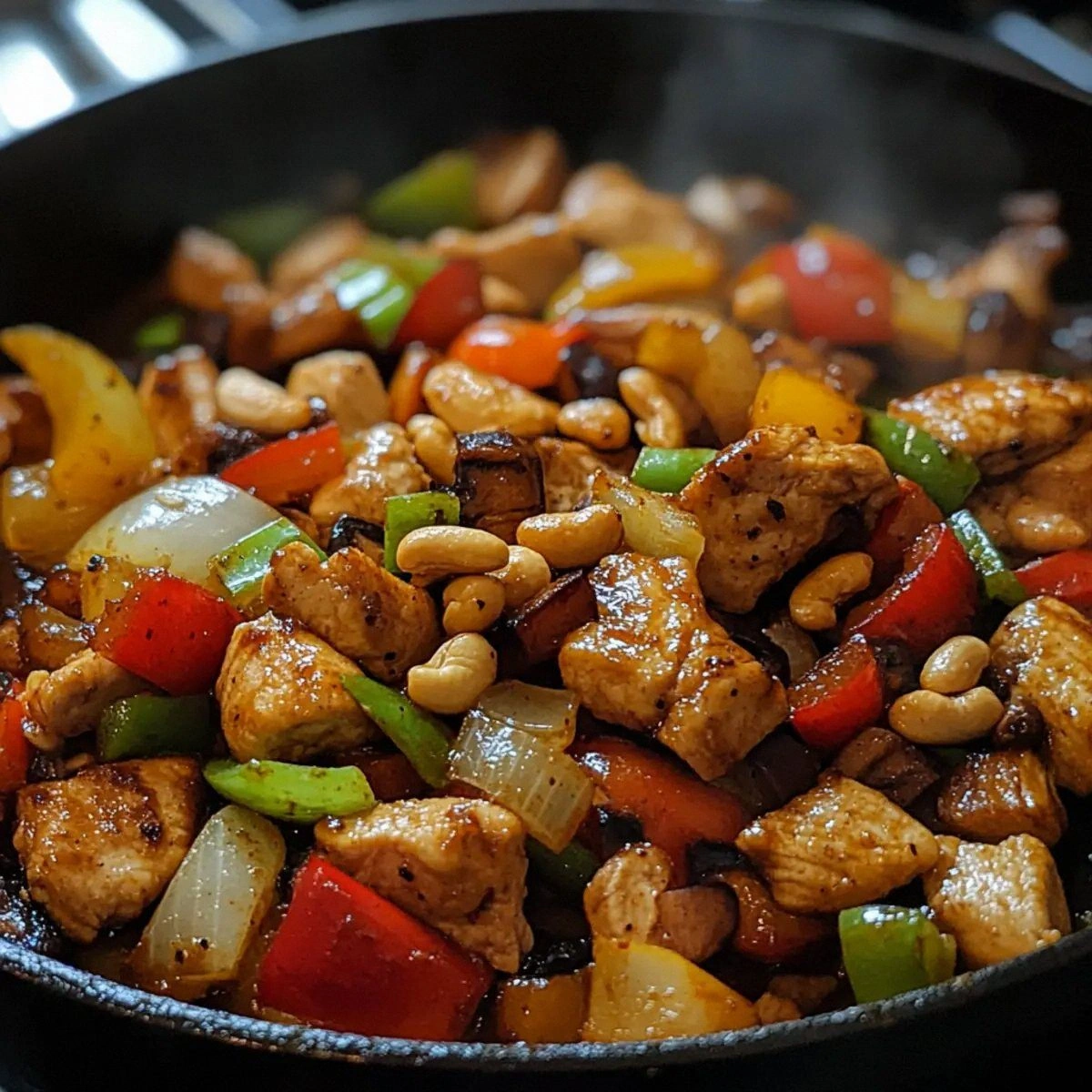
This isn’t just another chicken stir‑fry; it’s the definitive version that will have you saying, “I dare you to taste this and not go back for seconds.” Every ingredient is chosen for its ability to amplify the others, and every step is designed to preserve the integrity of the vegetables while caramelizing the chicken. The sauce coats the ingredients like velvet, the cashews add a satisfying crunch, and the lime wedges provide a bright, citrusy lift that cuts through the richness.
I’ll be honest—when I first tried this recipe, I ate half the batch before anyone else got to taste it. The secret? A quick stir of cornstarch to thicken the sauce, a dash of chili flakes for subtle heat, and a final splash of sesame oil to finish with a nutty aroma. Picture yourself pulling this out of the wok, the whole kitchen smelling incredible, and watching the steam curl up like a fragrant cloud. Let me walk you through every single step—by the end, you’ll wonder how you ever made it any other way.
What Makes This Version Stand Out
- Flavor: A balanced blend of sweet honey, savory oyster sauce, and umami soy creates a sauce that lingers on the palate without overpowering the vegetables.
- Texture: The crunch of fresh bell peppers and cashews contrasts with the tender chicken, while the sauce glazes everything in a silky coat.
- Speed: Every ingredient is prepped in under ten minutes, and the cooking time is a brisk thirty minutes—ideal for a weekday dinner.
- Versatility: Swap the cashews for almonds or peanuts, or use tofu instead of chicken for a plant‑based version.
- Visual Appeal: The rainbow of veggies turns the dish into a colorful plate that feels almost Instagram‑ready.
- Make‑ahead Potential: The sauce can be prepared in advance, and the stir‑fry can be reheated without losing its vibrant flavors.
Inside the Ingredient List
The Flavor Base
Soy sauce and oyster sauce are the backbone of this stir‑fry, delivering depth of umami that can’t be replicated by a single ingredient. The soy sauce provides the salty, savory foundation, while the oyster sauce adds a subtle sweetness and thickness. If you’re gluten‑free, look for a tamari alternative; it will keep the flavor profile intact.
Honey is the sweet counterpoint that balances the saltiness of the sauces. A tablespoon is enough to coat the chicken without turning the dish into a dessert. If you’re avoiding added sugars, a dash of maple syrup can work, but it will slightly alter the flavor profile.
Sesame oil is the finishing touch that adds a nutty aroma and a glossy sheen to the sauce. One teaspoon is all you need, and it should be added after the sauce has thickened to preserve its delicate flavor. A drizzle of toasted sesame seeds can be sprinkled on top for extra crunch.
The Texture Crew
Cashews bring a buttery crunch that pairs perfectly with the crisp vegetables. A cup of raw cashews is the sweet spot; toasted cashews would give a nuttier flavor, while roasted would add a deeper roasted note.
Broccoli florets and bell pepper strips are the crunchy, colorful backbone of the dish. They hold up well in the wok and absorb the sauce without becoming mushy if you stir them frequently. If you prefer a softer texture, reduce the stir time slightly.
Carrots add a sweet, earthy tone and a pleasant bite. Sliced into thin matchsticks, they cook quickly and retain a slight crunch, providing a textural contrast to the tender chicken.
The Unexpected Star
Green onions provide a fresh, oniony brightness that cuts through the richness of the sauce. The white part is milder, while the green part offers a sharper bite. Slice them thinly to distribute the flavor evenly.
Chili flakes add a gentle heat that lingers without overwhelming. A half teaspoon is enough to give the dish a subtle kick. If you’re a spice lover, add more; if not, you can omit them entirely.
The Final Flourish
Fresh cilantro and lime wedges are the finishing touch that brightens the dish. The cilantro offers a citrusy, herbal note that lifts the overall flavor, while the lime wedges add a burst of acidity that balances the sweetness of the honey. Squeeze the lime just before serving to keep its bright aroma.
Everything's prepped? Good. Let's get into the real action.
The Method — Step by Step
- Start by heating a large wok or skillet over high heat until it’s smoking hot. Add one tablespoon of sesame oil and let it swirl around the pan. This high‑heat base ensures a quick sear that locks in the chicken’s juices. Keep the oil moving to avoid sticking.
- Slice the boneless chicken breast into thin, bite‑size strips. Season them lightly with salt and pepper. Toss the strips in a small bowl with one tablespoon of cornstarch, ensuring each piece is coated. This coating will give the chicken a silky, slightly crisp exterior when cooked.
- Add the chicken to the wok in a single layer. Let it sear for about two minutes on each side until golden brown. Avoid overcrowding; if the pan is too full, the chicken will steam instead of sear. Flip the pieces with tongs for a uniform crust.
- Remove the chicken and set it aside on a plate. In the same pan, add the minced garlic and stir for 30 seconds until fragrant. The garlic should not brown; if it does, lower the heat slightly. This step infuses the oil with aromatic depth.
- Add the bell pepper strips, broccoli florets, and carrot matchsticks to the wok. Stir‑fry for 3–4 minutes, turning frequently. The vegetables should be crisp‑tender, not mushy. If the wok gets too dry, splash in a tablespoon of water to keep the veggies moving.
- Return the chicken to the pan. Pour in the soy sauce, oyster sauce, honey, and a splash of water to thin the sauce slightly. Stir everything together so the sauce coats every piece. Let it simmer for two minutes so the flavors meld.
- Add the cashews, green onions, chili flakes, and a teaspoon of cornstarch mixed with a tablespoon of water. This will thicken the sauce to a glossy glaze. Keep stirring for another minute until the sauce reaches your desired consistency.
- Finish by drizzling the sesame oil over the stir‑fry and tossing in the fresh cilantro. Squeeze the lime wedges over the dish and give one final toss. The lime should add a bright, acidic note that cuts through the richness.
- Serve immediately over steamed rice or noodles. Garnish with extra cilantro or lime wedges if desired. The dish should be hot, fragrant, and ready to devour.
That's it — you did it. But hold on, I've got a few more tricks that'll take this to another level.
Insider Tricks for Flawless Results
The Temperature Rule Nobody Follows
The secret to a perfect sear is a scorching wok. If your wok isn’t hot enough, the chicken will release moisture and steam instead of browning. Test the heat by sprinkling a pinch of water; if it dances and evaporates instantly, you’re ready. Keep the heat high throughout the cooking to maintain that coveted caramelized crust.
Why Your Nose Knows Best
Before you add the soy sauce, give the wok a sniff. A faint, nutty aroma indicates the oil has reached the right temperature. If the smell is flat or metallic, let the pan heat up a bit longer. Your nose is a reliable indicator that the wok is primed for greatness.
The 5-Minute Rest That Changes Everything
After you’ve finished cooking, let the stir‑fry rest for five minutes before serving. This resting period allows the flavors to settle and the sauce to thicken slightly, resulting in a richer bite. It also gives the vegetables a moment to regain their firmness, preventing them from becoming soggy.
The Perfect Pan Size
Using a wok that’s at least 12 inches wide gives you enough space to toss the ingredients without crowding. A smaller pan forces the veggies to steam, which alters the texture. If you don’t have a wok, a wide skillet will do, but make sure it’s non‑stick or well‑seasoned.
The Secret Ingredient Swap
If you’re a fan of extra crunch, sprinkle toasted sesame seeds on top before serving. They add a nutty flavor and a satisfying snap. Another option is to swap the cashews for almonds or peanuts, which will give a different nutty profile.
Creative Twists and Variations
This recipe is a playground. Here are some of my favorite ways to switch things up:
Spicy Thai Fusion
Replace the soy sauce with a blend of fish sauce and lime juice, and add Thai basil instead of cilantro. Incorporate fresh red chilies for a fiery kick. The dish becomes a vibrant, aromatic Thai-inspired stir‑fry.
Mediterranean Medley
Swap the soy sauce for a splash of olive oil and a pinch of oregano. Add sun‑dried tomatoes and olives for a briny, Mediterranean flavor profile. Finish with a drizzle of balsamic glaze for a sweet‑acidic contrast.
Vegan Delight
Replace the chicken with cubed tofu, pressed and pan‑fried until golden. Use a plant‑based soy sauce and a splash of maple syrup instead of honey. The result is a hearty, plant‑based dish that still delivers that silky glaze.
Low‑Carb Version
Omit the cornstarch and use a sugar‑free sweetener like erythritol. Substitute the rice or noodles with cauliflower rice to keep the carb count low. The dish remains flavorful while staying keto‑friendly.
Breakfast Boost
Serve the stir‑fry over scrambled eggs or a fluffy tofu scramble for a protein‑packed breakfast. Add a sprinkle of shredded cheese for extra richness. The dish becomes a satisfying morning meal that keeps you full until lunch.
Gourmet Twist
Finish with a drizzle of truffle oil and a sprinkle of grated Parmesan. The earthy truffle note elevates the dish into a gourmet experience. Pair with a glass of crisp white wine for a dinner party staple.
Storing and Bringing It Back to Life
Fridge Storage
Cool the stir‑fry completely before transferring it to an airtight container. Store in the refrigerator for up to 3 days. The sauce may thicken slightly, so a quick stir before serving will restore its glossy sheen.
Freezer Friendly
For longer storage, portion the dish into freezer‑safe containers and freeze for up to 2 months. Thaw overnight in the refrigerator, then reheat gently in a skillet. Add a splash of water or broth to loosen the sauce.
Best Reheating Method
Reheat the stir‑fry in a wok or skillet over medium heat, stirring frequently. Add a teaspoon of water or broth to prevent sticking and to bring back the sauce’s silky texture. Finish with a squeeze of fresh lime for that bright, fresh finish.