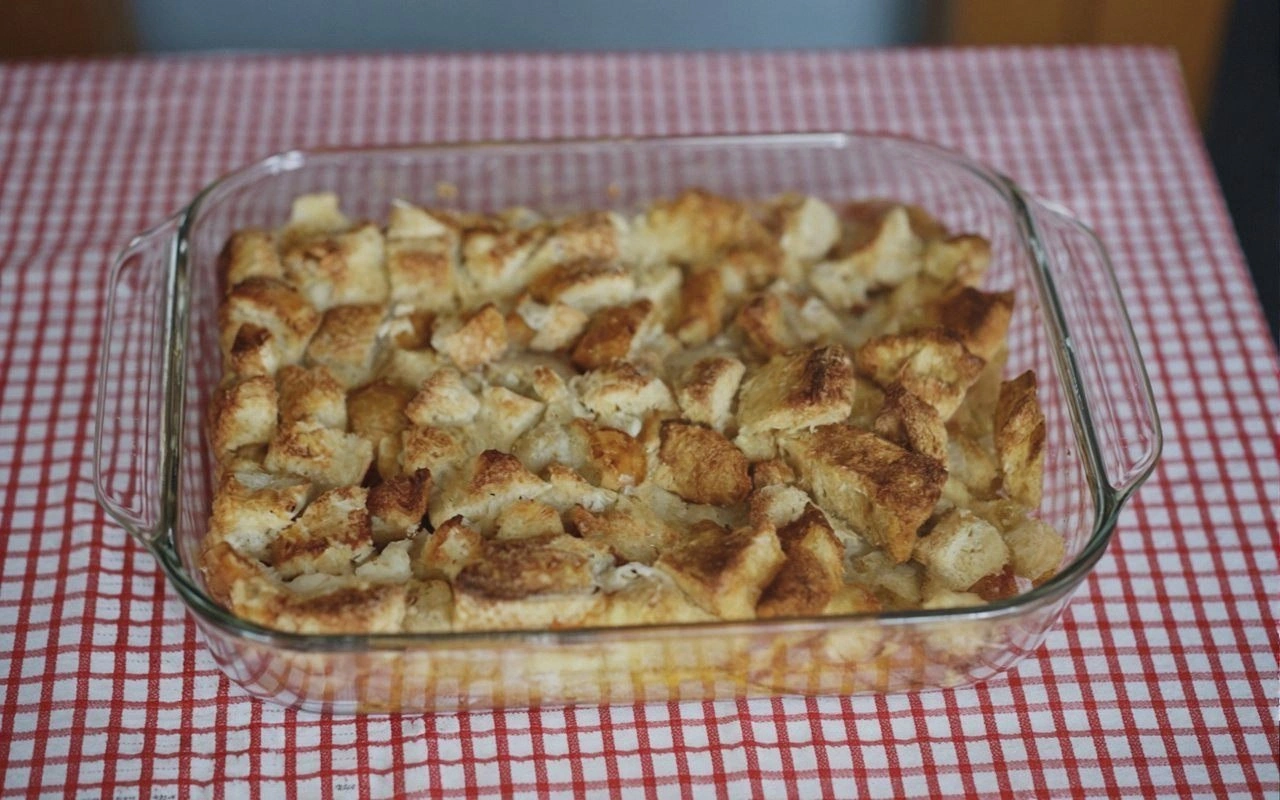
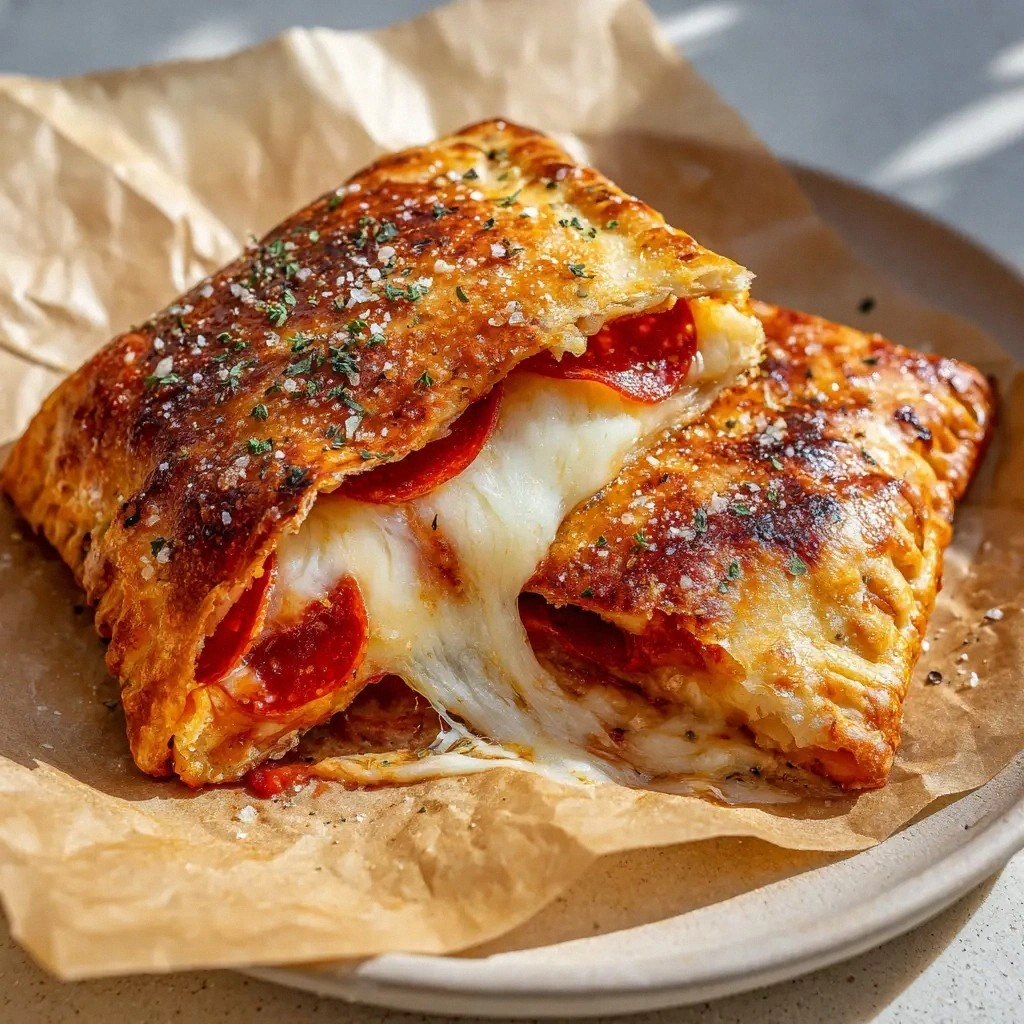
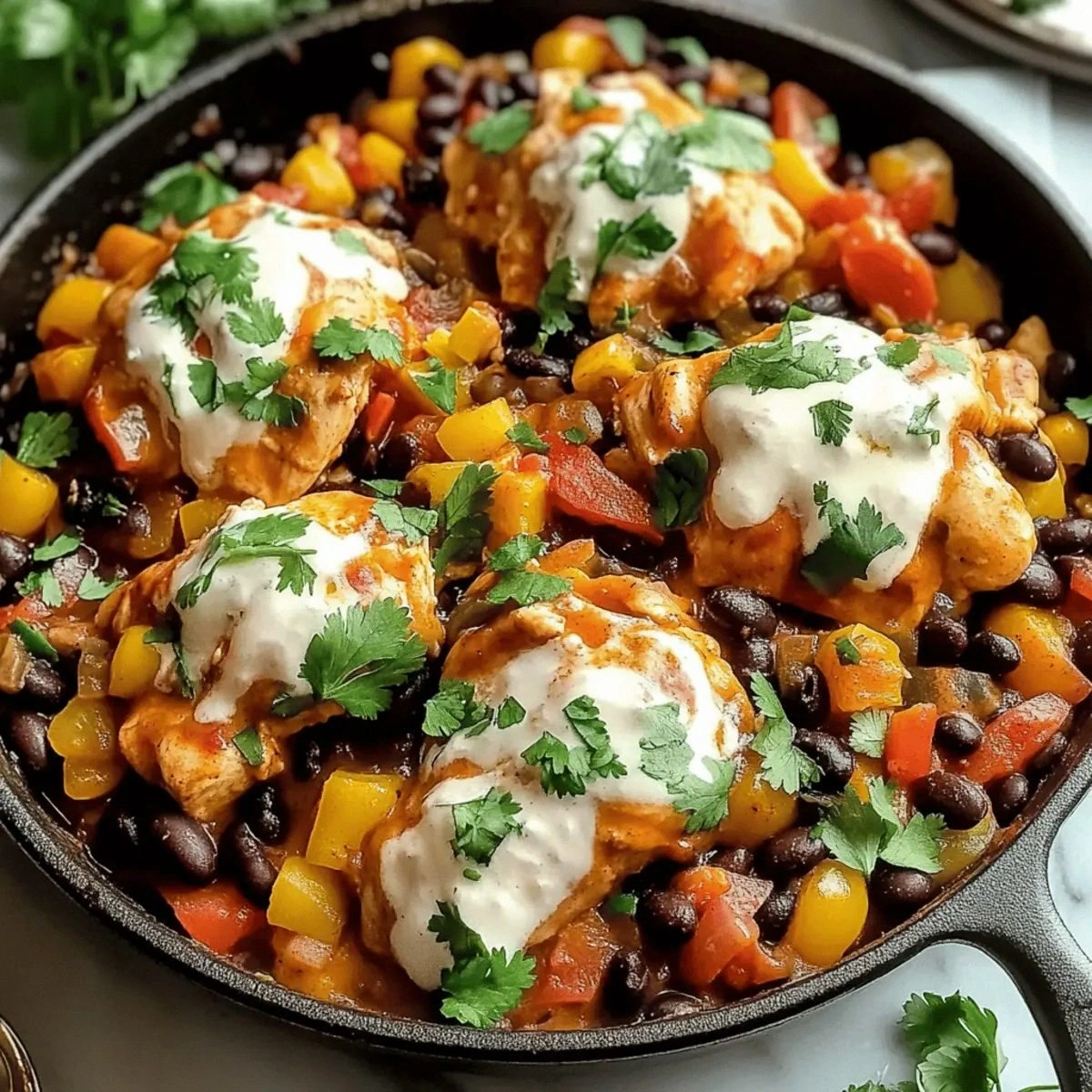
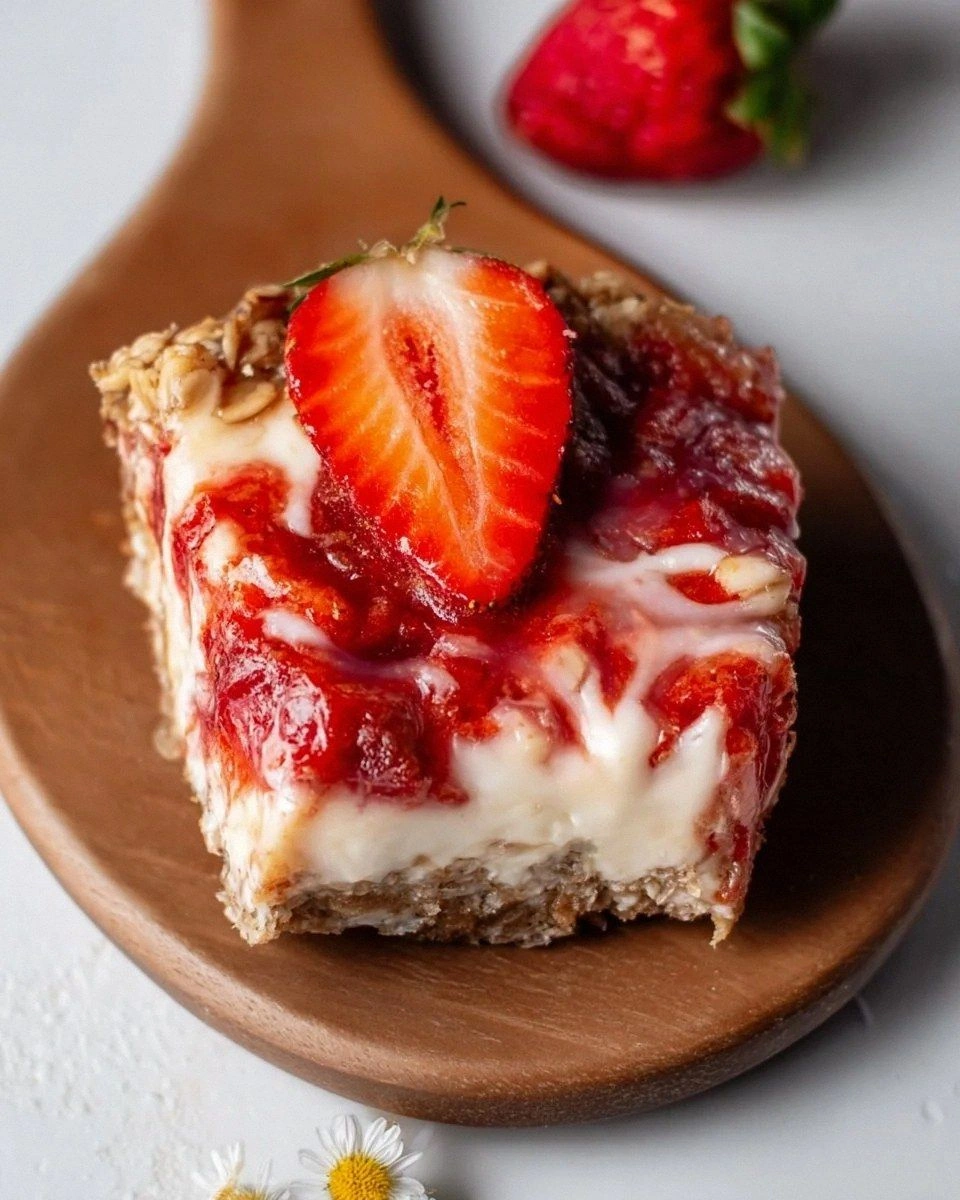
Picture this: the kitchen clock reads 9:15 PM, the fridge door has been left open for a decade, and your friend’s birthday is tomorrow. You’re staring at a pile of stale pizza crusts, a jar of sauce that’s been sitting in the back of the pantry, and a handful of mozzarella that’s been begging for a purpose. I had a moment of culinary crisis, a sudden craving for something that feels like a hug from the inside, and an urgent need to turn chaos into comfort. So I pulled out my trusty skillet, tossed in some pepperoni, and started building what would become the ultimate freezer-friendly pizza casserole. It’s the kind of dish that smells like a warm, cheesy hug and tastes like a pizza party on a plate. I was skeptical at first—how could a casserole possibly capture the airy, crispy joy of a freshly baked pizza? But the first bite changed everything.
The first thing that hits you is the aroma. Imagine a rich tomato sauce that’s been simmered with garlic, oregano, and a whisper of red wine, mingling with the sharp, salty tang of mozzarella and the savory depth of pepperoni. The sound of the sauce bubbling against the pan is like a low, comforting hum, while the sizzle as the cheese starts to melt is a promise of the gooey, golden top you’ll soon see. When you lift the lid, steam curls in lazy ribbons, carrying with it the scent of toasted bread and melted cheese, a scent that makes your mouth water before you even taste it. The texture is a dance: the crust is crisp on the edges, the sauce is silky, and the cheese forms a velvety blanket that’s both airy and satisfying. The first bite is that familiar, comforting bite of pizza you’ve been craving, but with an extra layer of indulgence from the casserole’s hearty base.
What sets this pizza casserole apart isn’t just the ingredients; it’s the way they’re brought together. I’ve taken the classic pizza elements and given them a new life by layering them in a casserole dish, allowing the flavors to meld while the cheese melts into a cohesive, golden crust. It’s hands down the best version you’ll ever make at home because it’s built to be frozen and reheated without losing that fresh, oven-baked quality. The sauce is thick enough to hold the layers but still silky, the cheese melts into a luscious, bubbly top, and the crust is perfectly crisp where it should be. The result is a dish that feels like a pizza, but with the comforting depth of a casserole, and it’s ready to serve in minutes when you’re short on time or need a comforting meal after a long day.
But there’s a twist that makes this recipe even more exciting. I discovered that adding a splash of tomato paste to the sauce before baking gives the casserole a richer, deeper flavor profile that’s reminiscent of a slow-cooked sauce you’d only get from a family kitchen. I dare you to taste this and not go back for seconds, because the combination of textures and flavors will have you craving more. Picture yourself pulling this out of the oven, the whole kitchen smelling incredible, the cheese bubbling like a golden lake, and the crust turning a perfect, golden brown. That’s the moment you’ll remember when you’re looking for a comfort food that’s both indulgent and practical. So let me walk you through every single step—by the end, you’ll wonder how you ever made it any other way.
What Makes This Version Stand Out
- Taste: The sauce is a robust blend of crushed tomatoes, garlic, and a hint of red wine, giving it a depth that’s far richer than a standard pizza sauce. This base carries the pizza’s flavor through every bite.
- Texture: The combination of a crisp crust, silky sauce, and gooey cheese creates a mouthfeel that feels like a pizza and a casserole rolled into one.
- Simplicity: With only a handful of pantry staples, you can assemble this dish in under 15 minutes and then let the oven do the rest.
- Uniqueness: The addition of a splash of tomato paste and the use of pre‑cut pizza crust pieces give it a distinct edge that sets it apart from traditional casseroles.
- Crowd Reaction: Friends and family rave about the cheesy, pizza‑like experience, and the dish is a hit at potlucks and family dinners.
- Ingredient Quality: Using fresh mozzarella and a high‑quality pizza sauce elevates the dish to gourmet status.
- Cooking Method: The casserole baking method ensures the sauce is absorbed, the cheese melts evenly, and the crust crisps just right.
- Make‑Ahead Potential: This dish freezes beautifully, making it a perfect “grab‑and‑go” option for busy weekdays.
Alright, let’s break down exactly what goes into this masterpiece. The next section will walk you through the ingredients, why each one matters, and how to tweak them for your taste.
Inside the Ingredient List
The Flavor Base
At the heart of this casserole lies the sauce. I use a store‑bought pizza sauce that’s already seasoned, but I enhance it with a tablespoon of tomato paste and a splash of red wine. The tomato paste thickens the sauce, giving it a velvety richness that coats the pasta like velvet. If you prefer a fresher taste, swap the sauce for a homemade blend of crushed tomatoes, garlic, and oregano. Skipping the tomato paste will make the casserole less rich; you’ll notice a lighter, more watery sauce that doesn’t cling to the crust as well.
The Cheese Crew
Cheese is the star of any pizza, and here we layer it to create a golden, bubbling top. I use a blend of shredded mozzarella and sharp cheddar for depth, then top it with grated parmesan for a nutty finish. If you’re a fan of extra gooeyness, add a splash of cream cheese into the mix—just a tablespoon will make the cheese layer silkier. For a dairy‑free version, swap mozzarella for a plant‑based mozzarella alternative; the texture will differ slightly but will still melt beautifully.
The Texture Crew
The crust pieces provide the base that holds everything together. I use pre‑cut pizza crusts that come from a pre‑baked, lightly seasoned dough. If you’re making this from scratch, bake a thin pizza dough and cut it into squares. The crust should be firm enough to support the sauce without becoming soggy. Skipping the crust or using too soft dough will lead to a mushy casserole that loses the pizza‑like bite.
The Unexpected Star
Pepperoni is the classic pizza topping that adds a smoky, spicy kick. I use thin slices so they cook evenly and release their oils into the sauce. If you’re vegetarian or prefer a milder flavor, try sliced mushrooms or roasted red peppers. The key is to keep the toppings thin; thick slices will stay chewy and may not blend well with the sauce.
The Final Flourish
A sprinkle of fresh basil and a pinch of crushed red pepper add a burst of color and heat that brightens the dish. If you’re looking to keep things simple, omit the basil and stick to oregano; it still delivers that classic Italian note. The basil should be added after baking to preserve its bright flavor and avoid wilting. Skipping the basil will result in a slightly less aromatic dish, but the casserole will still taste fantastic.
Everything’s prepped? Good. Let’s get into the real action.
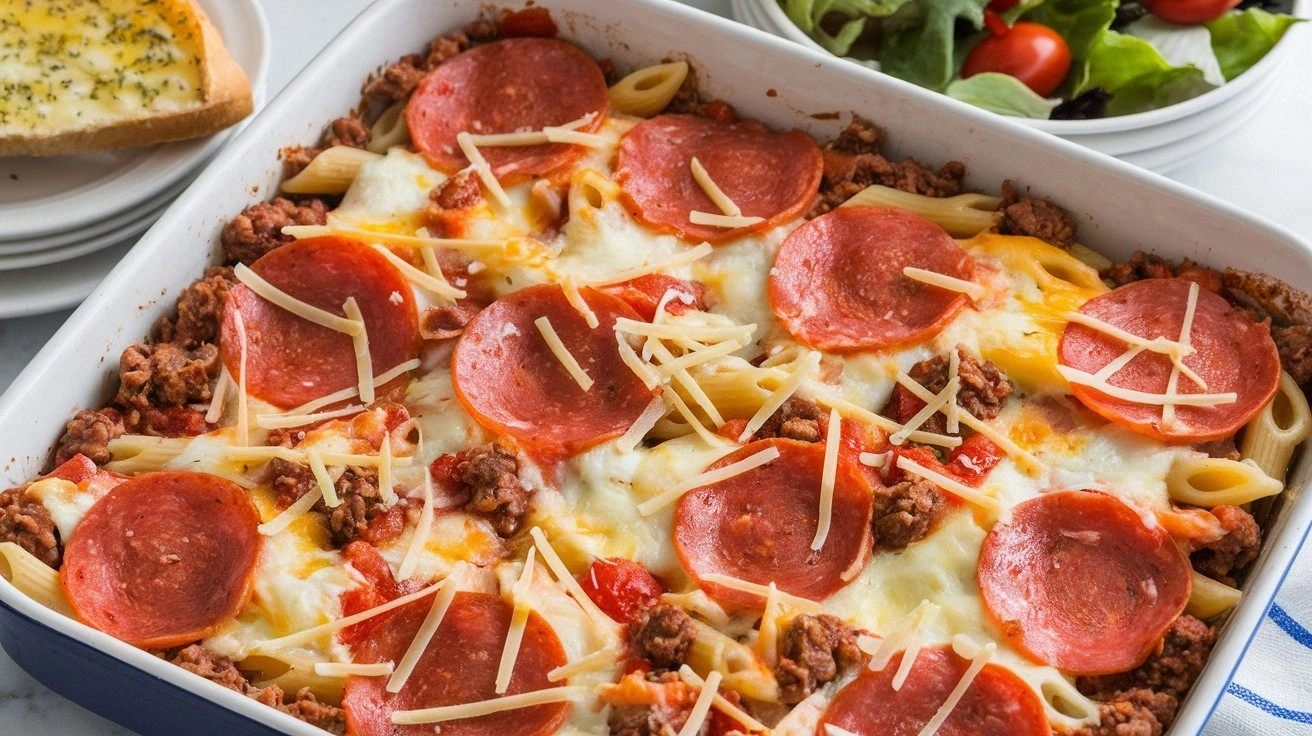
The Method — Step by Step
- Preheat your oven to 375 °F (190 °C). Grease a 9×13‑inch baking dish with a light coating of olive oil. This step ensures the casserole doesn’t stick and gives the crust a golden edge.
- In a medium bowl, combine the pizza sauce, tomato paste, and a splash of red wine. Whisk until smooth. The sauce should be thick enough to coat the crust without dripping off. If it’s too thick, add a tablespoon of water.
- Layer the pre‑cut pizza crust pieces in an even layer at the bottom of the baking dish. Don’t overcrowd; leave a little space so the sauce can seep between the pieces. This is where the magic starts.
- Pour the sauce over the crust, spreading it evenly with a spatula. The sauce should cover the crust but not overflow. This ensures every bite has that tomatoy kick.
- Arrange pepperoni slices on top of the sauce, spacing them evenly. The pepperoni should be slightly overlapping to create a cohesive layer of flavor.
- Sprinkle the shredded mozzarella and cheddar over the pepperoni, then finish with a generous dusting of grated parmesan. The cheese layer should be thick enough to melt into a golden crust.
- Cover the dish with foil and bake for 25 minutes. Then remove the foil and bake for an additional 10 minutes, or until the cheese is bubbly and the crust edges are golden brown. Watch out: if the foil stays on too long, the crust can become soggy.
- Let the casserole rest for 5 minutes after removing it from the oven. This allows the cheese to set, making it easier to cut and serve. The rest also helps the flavors meld.
- Serve hot, garnished with fresh basil or a sprinkle of crushed red pepper if desired. Enjoy the comforting, pizza‑like experience with a casserole twist.
That’s it — you did it. But hold on, I've got a few more tricks that'll take this to another level. These insider tips will help you avoid common pitfalls and elevate the flavor profile even further.
Insider Tricks for Flawless Results
The Temperature Rule Nobody Follows
Many people bake casseroles at 400 °F, but that can cause the crust to burn before the cheese melts. Baking at 375 °F allows the cheese to melt evenly and the crust to crisp without scorching. I’ve tried higher temperatures and the edges ended up too dark while the center stayed undercooked. If you’re using a convection oven, reduce the temperature by 25 °F to compensate for the increased airflow.
Why Your Nose Knows Best
When you smell the casserole before removing the foil, you can gauge the doneness. A strong, buttery aroma from the cheese and a faint scent of tomato indicates the perfect timing. If the smell is too sharp, the cheese might be overcooked. Trusting your nose is a reliable way to avoid overbaking.
The 5‑Minute Rest That Changes Everything
Letting the casserole rest for five minutes after baking may seem trivial, but it’s crucial for a clean slice. The cheese sets, preventing it from sliding off the crust when you cut. I’ve had friends try to serve it immediately, only to have the cheese run like a river. That rest period gives the dish structure.
Layering for Evenness
If you’re making a larger casserole, start with a thin layer of sauce on the bottom before adding the crust. This creates a moisture barrier that prevents the crust from becoming soggy. I’ve experimented with adding a thin sheet of parchment paper between layers; it helps the crust stay crisp, especially when you’re using a thicker sauce.
The Cheese Mix Matters
Using a blend of cheeses instead of just mozzarella adds depth and prevents the top from becoming too dry. I usually mix 70% mozzarella with 30% cheddar, then add parmesan for a sharp finish. If you prefer a milder flavor, increase the mozzarella proportion or use a fresh mozzarella for a creamier texture.
Creative Twists and Variations
This recipe is a playground. Here are some of my favorite ways to switch things up:
Mediterranean Medley
Swap pepperoni for sliced olives and sun‑dried tomatoes. Add a handful of chopped spinach for green freshness. The result is a savory, slightly tangy casserole that feels like a Mediterranean pizza.
BBQ Chicken Surprise
Replace pepperoni with shredded rotisserie chicken tossed in BBQ sauce. Add a handful of corn kernels and a sprinkle of smoked paprika. This version offers a sweet‑smoky flavor that’s a departure from the classic pizza.
Vegan Victory
Use a plant‑based mozzarella and pepperoni. Replace the cheese mix with a blend of nutritional yeast and cashew cream. The casserole still delivers that gooey texture while staying vegan.
Cheesy Mushroom Delight
Swap pepperoni for sliced mushrooms and sauté them in garlic and olive oil before layering. Add a handful of fresh thyme for an earthy aroma. The mushrooms soak up the sauce, adding umami richness.
Spicy Jalapeño Kick
Add sliced jalapeños or a dash of hot sauce to the sauce mix. Sprinkle crushed red pepper over the top before baking. The heat will keep the dish lively and exciting.
Breakfast Casserole
Use breakfast sausage instead of pepperoni, and add a handful of chopped bell peppers. Finish with a sprinkle of shredded cheddar and a drizzle of maple syrup after baking for a sweet‑savory twist.
Storing and Bringing It Back to Life
Fridge Storage
If you’re planning to eat the casserole within 3 days, store it in an airtight container in the refrigerator. Reheat in the oven at 350 °F for 15–20 minutes, or until the cheese is bubbling. The crust will remain crisp if you finish the last 5 minutes uncovered.
Freezer Friendly
For longer storage, wrap the casserole tightly in plastic wrap and then aluminum foil before freezing. It will stay fresh for up to 3 months. When you’re ready to eat, thaw overnight in the refrigerator and bake at 375 °F for 30–35 minutes.
Best Reheating Method
Add a splash of water to the bottom of the baking dish before reheating. The steam will keep the cheese from drying out and the crust from becoming too hard. Cover with foil for the first 20 minutes, then remove the foil for the last 10 minutes to allow the top to crisp.