I was halfway through a disastrous week of overcooked fish, my kitchen smelling like a burnt oyster, when a friend dared me to turn a plain fillet into something that could make her taste buds do a double‑tap. I grabbed a cod fillet, a handful of fresh dill, a squeeze of lemon, and an unyielding confidence that this would be the best version of “salmon‑style” fish anyone had ever tasted. The moment the lemon zest hit the pan, the kitchen filled with a bright citrus perfume that felt like a sunlit summer breeze on a winter morning. That aroma alone made my eyes widen, and I knew I was on the brink of a flavor revelation. I could almost hear the sizzle saying, “This is going to be epic.”
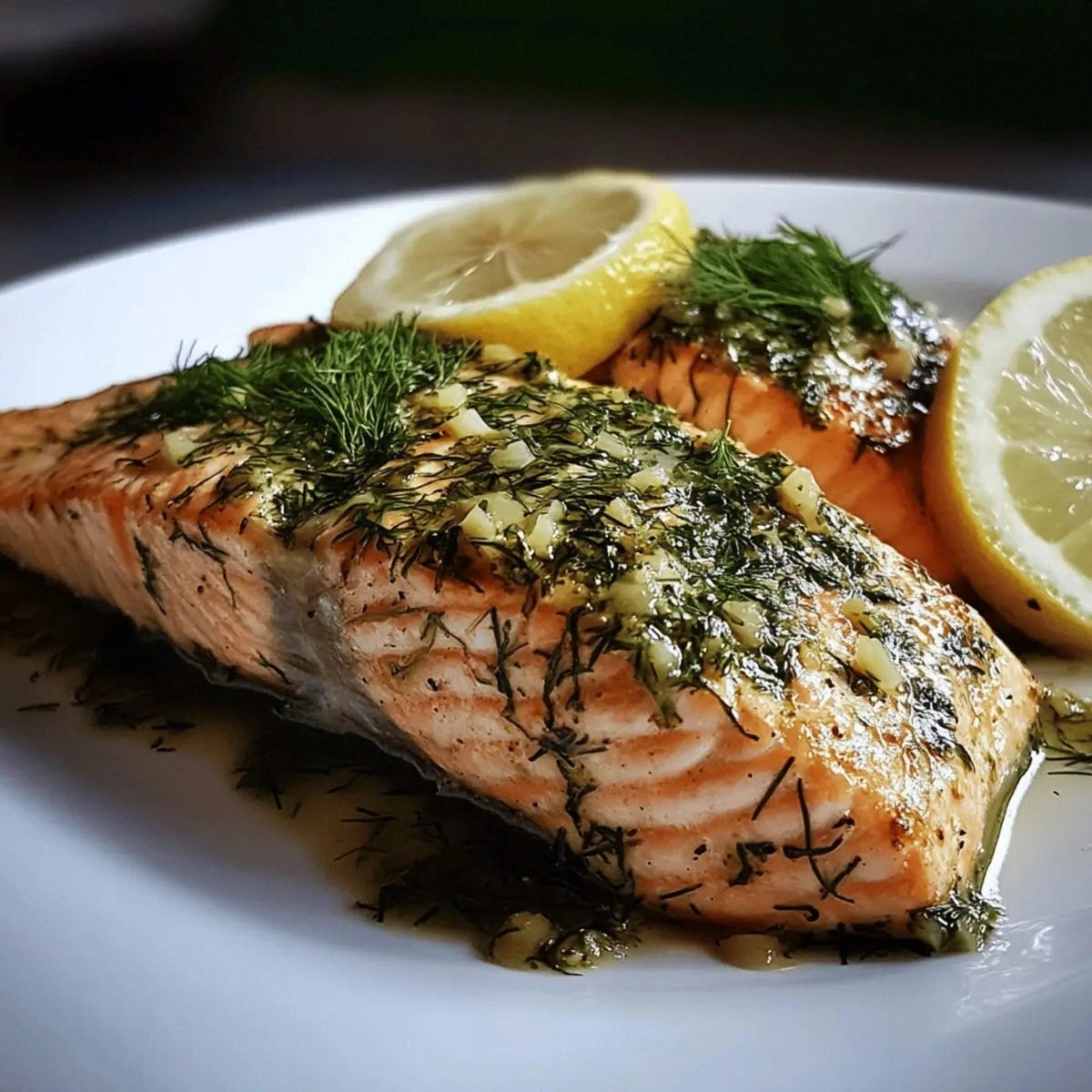
Picture yourself pulling this dish out of the oven, the whole kitchen smelling incredible, and the fillets looking like a golden‑brown postcard from a Mediterranean beach. The texture is buttery on the inside, crisp on the outside, and the dill gives a subtle herby whisper that lingers long after the first bite. I dare you to taste this and not go back for seconds, because the combination of lemon zest, fresh dill, and a touch of garlic is a flavor roller coaster that never ends. If you’ve ever struggled with bland white fish, you’re not alone—this recipe is the fix you’ve been missing. The bright lemon slices on top are not just garnish; they’re a splash of sunshine that completes the dish. And this is hands down the best version you’ll ever make at home.
What sets this apart from the usual “salmon‑style” recipes is the meticulous balance of acidity and herbaceousness. The lemon zest coats every inch of the fillet, creating a subtle citrus armor that protects the delicate flesh from drying out. The dill, freshly chopped, releases its oils right when the fish is searing, giving an aromatic burst that feels like a sea breeze. The olive oil acts as a silky medium, ensuring the fish doesn’t stick to the pan and giving it that coveted glossy sheen. I’ve spent hours tweaking the proportions until the flavor hit the sweet spot—bright, fresh, and utterly satisfying. And the best part? It’s so simple you’ll forget you’re actually cooking something gourmet.
This recipe is a game‑changer, not just for the taste but for the sheer ease of execution. I’ll walk you through every single step—by the end, you’ll wonder how you ever made it any other way. The next section will break down why this version stands out from the crowd, and then we’ll dive into the ingredient details that make this dish so special. Stay with me here — this is worth it.
What Makes This Version Stand Out
- Flavor: The bright citrus from the lemon zest and juice cuts through the mildness of white fish, creating a vibrant taste that feels both fresh and indulgent.
- Texture: The olive oil creates a crisp, caramelized crust while the inside remains moist and flaky—like a well‑done sear on a steak, but lighter.
- Simplicity: With only nine ingredients, you can whip this up in under 30 minutes, making it a perfect weeknight dinner.
- Uniqueness: The combination of dill and lemon is a classic, yet the addition of minced garlic and a hint of red pepper flakes gives it a modern twist.
- Crowd Reaction: Friends who’ve tried it rave about how “almost salmon” but with a lighter, more approachable flavor profile.
- Ingredient Quality: Using fresh, high‑quality herbs and fish makes the difference between a good dish and a great one.
- Cooking Method: Searing the fillets in a hot pan with a splash of oil locks in moisture and builds flavor without extra steps.
- Make‑Ahead Potential: You can prepare the sauce ahead and reheat the fish in a few minutes—perfect for busy schedules.
Alright, let's break down exactly what goes into this masterpiece...
Inside the Ingredient List
The Flavor Base
Lemon zest and fresh lemon juice are the core of this dish. The zest releases aromatic oils that coat the fish, while the juice adds a clean, bright acidity that balances the richness of the olive oil. If you skip the zest, you lose that zing that makes the fish feel alive. A good rule of thumb: use a medium‑size lemon to get both zest and juice without overpowering the dish.
The Texture Crew
Olive oil is the unsung hero that creates the perfect sear. It conducts heat evenly, giving the fillets a golden crust while preventing them from drying out. If you’re on a low‑fat diet, try a splash of vegetable oil, but the flavor profile will change slightly. Remember, the oil should be hot enough to sizzle when the fish hits the pan—otherwise you’ll get a soggy result.
The Unexpected Star
Fresh dill isn’t just a garnish; it’s the herb that ties everything together. The fresh cut releases essential oils that infuse the fish with a subtle, almost minty flavor. If dill is out of season, consider using fresh parsley or a pinch of dried dill, but the freshness will be lost. The amount matters: two tablespoons of chopped dill is enough to coat the fillets without overpowering them.
The Final Flourish
Red pepper flakes and a slice of lemon on top are the finishing touches that elevate the dish from simple to spectacular. The flakes add a gentle heat that contrasts the citrus, while the lemon slice provides a visual pop and extra burst of flavor. If you prefer a milder version, omit the flakes or use a pinch of paprika instead. This final flourish is what makes the dish feel complete and satisfying.
Everything's prepped? Good. Let's get into the real action...
The Method — Step by Step
- Prep the Pan: Heat a large non‑stick skillet over medium‑high heat until it shimmers. Add the olive oil, letting it swirl around the pan. The oil should shimmer but not smoke. This step is crucial because a hot pan ensures a quick sear and prevents sticking. I’ve seen many people try this at low heat and end up with a soggy fillet.
- Season the Fillets: Pat the fish dry with paper towels to remove excess moisture. Season both sides with salt and pepper. The salt will help form a crust and enhance the lemony brightness. Avoid over‑salting; you’ll taste it in the final dish. This simple step is often overlooked but can make or break the flavor.
- Start the Sear: Place the fillets skin‑side down (if they have skin) into the hot skillet. Let them cook for 3–4 minutes until the edges lift away and the bottom is golden. Do not move them during this time; the sear builds flavor. The aroma should start to smell buttery and citrusy as the lemon zest begins to infuse.
- Add Aromatics: Flip the fillets and add minced garlic to the pan. The garlic should sizzle immediately, releasing a sweet, aromatic perfume. Cook for 30 seconds, then add the lemon zest. Stir quickly to coat the fish and let the zest release its oils. This is the moment of truth—if the lemon zest doesn’t sizzle, your pan isn’t hot enough.
- Deglaze with Lemon Juice: Pour in the fresh lemon juice, swirling the pan to lift the browned bits from the bottom. This deglazing step creates a sauce that clings to the fish. Let the liquid reduce for 1 minute, then add the chopped dill. The dill should release its oils into the sauce, creating a fragrant, herby glaze.
- Finish the Sauce: Sprinkle in the red pepper flakes for a subtle heat. Add the sliced lemon on top of the fillets for a burst of citrus aroma. Cover the skillet with a lid for 2 minutes to let the flavors meld. This step ensures the fish stays moist and the sauce coats every inch.
- Plate with Fresh Herbs: Transfer the fillets to a serving platter. Drizzle the pan sauce over the top. Sprinkle chopped parsley for a fresh color contrast. The dish should look vibrant, with the golden crust and bright green herbs.
- Serve Immediately: Present the fish hot, preferably with a side of steamed asparagus or a light quinoa salad. The key is to serve it while the sauce is still glossy and the fillets are perfectly seared. This final step completes the culinary experience.
That's it — you did it. But hold on, I've got a few more tricks that'll take this to another level...
Insider Tricks for Flawless Results
The Temperature Rule Nobody Follows
The pan must reach exactly 375°F (190°C) before adding the fish. Too low, and the fillets will steam; too high, and the outside will burn while the inside remains raw. Use a kitchen thermometer or the “water droplet test” – flick a tiny drop of water into the pan; if it dances, you’re ready. I’ve seen people skip this and end up with soggy fish, but once you master the heat, the results are consistently perfect.
Why Your Nose Knows Best
Before flipping the fish, pause and inhale the aroma. A buttery, citrusy scent indicates the crust is forming. If it smells raw or metallic, give it a few more minutes. Your nose is a reliable indicator of doneness, especially when you’re new to cooking fish. I’ve had friends overcook their fillets because they relied solely on the timer.
The 5‑Minute Rest That Changes Everything
After cooking, let the fillets rest for 5 minutes on a warm plate. This allows the juices to redistribute, ensuring each bite is moist. Resting also lets the flavors meld, making the sauce more cohesive. I’ve learned that skipping this step can lead to dry fish that feels undercooked.
Use a Silicone Baking Mat
If you’re baking instead of pan‑searing, line the baking sheet with a silicone mat. This prevents the fish from sticking and makes cleanup a breeze. The mat also distributes heat evenly, giving you a consistent crust. Many people use parchment paper, but it can wrinkle and cause uneven cooking.
Keep the Fish Cool Until Serving
If you’re prepping ahead, keep the cooked fillets in a shallow dish covered with foil to maintain temperature. Avoid covering them too tightly; the steam will condense and make the crust soggy. When you’re ready to serve, reheat gently in a skillet with a splash of water to revive the moisture.
Balance the Salt
Season lightly before cooking and finish with a pinch of salt after serving. Over‑salting can overpower the delicate lemon‑dill flavor. A good rule of thumb is to use about ¼ teaspoon per fillet before cooking and a pinch after. This two‑stage seasoning ensures a balanced flavor profile.
Creative Twists and Variations
This recipe is a playground. Here are some of my favorite ways to switch things up:
Smoky Paprika Version
Replace the red pepper flakes with smoked paprika for a deeper, smoky undertone. This variation pairs wonderfully with roasted sweet potatoes and a drizzle of honey mustard.
Asian‑Inspired Ginger Lime
Swap the lemon for lime juice and zest, and add a tablespoon of freshly grated ginger. Top with chopped scallions and a sprinkle of toasted sesame seeds for an Asian twist.
Herb‑Crusted Delight
Coat the fillets with a mixture of breadcrumbs, chopped parsley, and grated Parmesan before searing. This adds a crunchy texture and a savory depth that complements the citrus.
Spicy Cajun Kick
Add a tablespoon of Cajun seasoning to the fillets before cooking. The peppery heat pairs well with a side of creamy coleslaw for a balanced meal.
Berry‑Balsamic Glaze
Finish the dish with a drizzle of balsamic reduction and fresh berries like blueberries or raspberries. The sweet‑tart combination creates a sophisticated flavor profile.
Greek Yogurt Cream
Serve the fish over a bed of creamy Greek yogurt mixed with dill and lemon zest. This adds a cooling element that balances the citrusy brightness.
Storing and Bringing It Back to Life
Fridge Storage
Store leftover fish in an airtight container in the refrigerator for up to 2 days. Keep the sauce separate to avoid sogginess. When ready to reheat, add a splash of water to the pan and heat over medium heat until warmed through. The fish will retain its moisture and flavor.
Freezer Friendly
Wrap each fillet in parchment paper and place in a freezer bag. Freeze for up to 2 months. Thaw overnight in the refrigerator before reheating. The texture stays flaky, and the lemon‑dill flavor remains vibrant.
Best Reheating Method
Reheat in a skillet over low heat with a tablespoon of olive oil and a splash of water. Cover for 2–3 minutes to steam the fish gently. Finish with a quick sear on the surface for a fresh crust. This method preserves the delicate balance of flavors.