I remember the night I was halfway through a midnight ramen binge, the pot boiling over, the noodles sticking together like a stubborn knot of spaghetti, and my friends laughing at my culinary calamity. That disaster was the spark that lit my obsession with the perfect lo mein—one that balances silky noodles, crisp vegetables, and a sauce that whispers rather than roars. I’ve spent countless hours tweaking sauces, testing noodle textures, and experimenting with vegetable combos until the result was a dish that feels like a hug in a bowl. The moment your first spoonful hits your tongue, the sauce should coat the noodles like velvet, the vegetables should offer a satisfying crunch that shatters like thin ice, and the aroma should swirl around you like a comforting fog. If you’re still wondering whether you can make it any better, let me walk you through every single step—by the end, you’ll wonder how you ever made it any other way.
What Makes This Version Stand Out
- Flavor: The combination of soy, oyster, and sesame oils creates a depth that’s both umami-rich and subtly sweet, a harmony that most store-bought versions lack.
- Texture: The noodles are blanched to a perfect al dente, then tossed with vegetables that keep their bright colors and crunch, preventing the dreaded mush.
- Speed: From prep to plate, you’re looking at under 45 minutes—fast enough for a weekday dinner yet elaborate enough for a weekend treat.
- Ingredient Quality: By choosing fresh, seasonal produce and premium sauces, you elevate a humble dish into a showcase of culinary care.
- Versatility: Whether you’re a meat lover, a tofu enthusiast, or a strict vegan, the base can adapt with a few swaps—making this a universal go-to.
- Crowd Appeal: Friends who’ve tasted this say it’s “hands down the best version you'll ever make at home,” and they’re not shy about the micro-challenge: taste it and not go back for seconds.
- Make‑Ahead Potential: The dish holds up beautifully in the fridge, and reheating restores that fresh‑just‑made flavor.
- Visual Impact: A splash of sesame seeds and a drizzle of sesame oil give it a glossy finish that makes it Instagram-worthy.
Alright, let's break down exactly what goes into this masterpiece...
Inside the Ingredient List
The Flavor Base
Soy sauce and oyster sauce are the backbone of this dish, providing that deep umami punch that’s essential to authentic lo mein. The soy sauce brings saltiness and a subtle sweetness, while the oyster sauce adds a silky, slightly sweet undertone that balances the savory notes. If you’re watching sodium, you can reduce the soy sauce by a quarter and boost the ginger to keep the flavor profile intact. A good rule of thumb: taste as you go; the sauce should coat the noodles like a glossy glaze without overpowering the veggies.
The Texture Crew
Noodles, bell peppers, broccoli florets, snap peas, carrots, bean sprouts, and green onions each contribute a distinct bite. The noodles are the star—choose a high‑protein, low‑gluten brand for a firmer bite that resists sogginess. The vegetables are blanched to retain their bright colors and crispness; this contrast creates a visual feast that’s as pleasing to the eye as it is to the palate. If you’re short on time, pre‑cut veggies from the supermarket are fine, but fresh is always better.
The Unexpected Star
Ground ginger is the secret weapon that brings a subtle warmth and a hint of peppery spice that lingers without being overwhelming. A teaspoon for four servings is enough to lift the dish; if you prefer a more pronounced kick, increase to 1½ teaspoons. Ginger also helps to cut through the richness of the sauces, creating a balanced flavor profile that’s both bold and harmonious.
The Final Flourish
Sesame oil and sesame seeds finish the dish with nutty aroma and a glossy sheen. The sesame oil should be added at the end of cooking to preserve its delicate flavor, while the seeds add a subtle crunch and a pop of color. If you’re vegan, a splash of toasted sesame oil works just as well. Remember: a little goes a long way—just a tablespoon of oil can make the difference between bland and brilliant.
Everything's prepped? Good. Let's get into the real action...
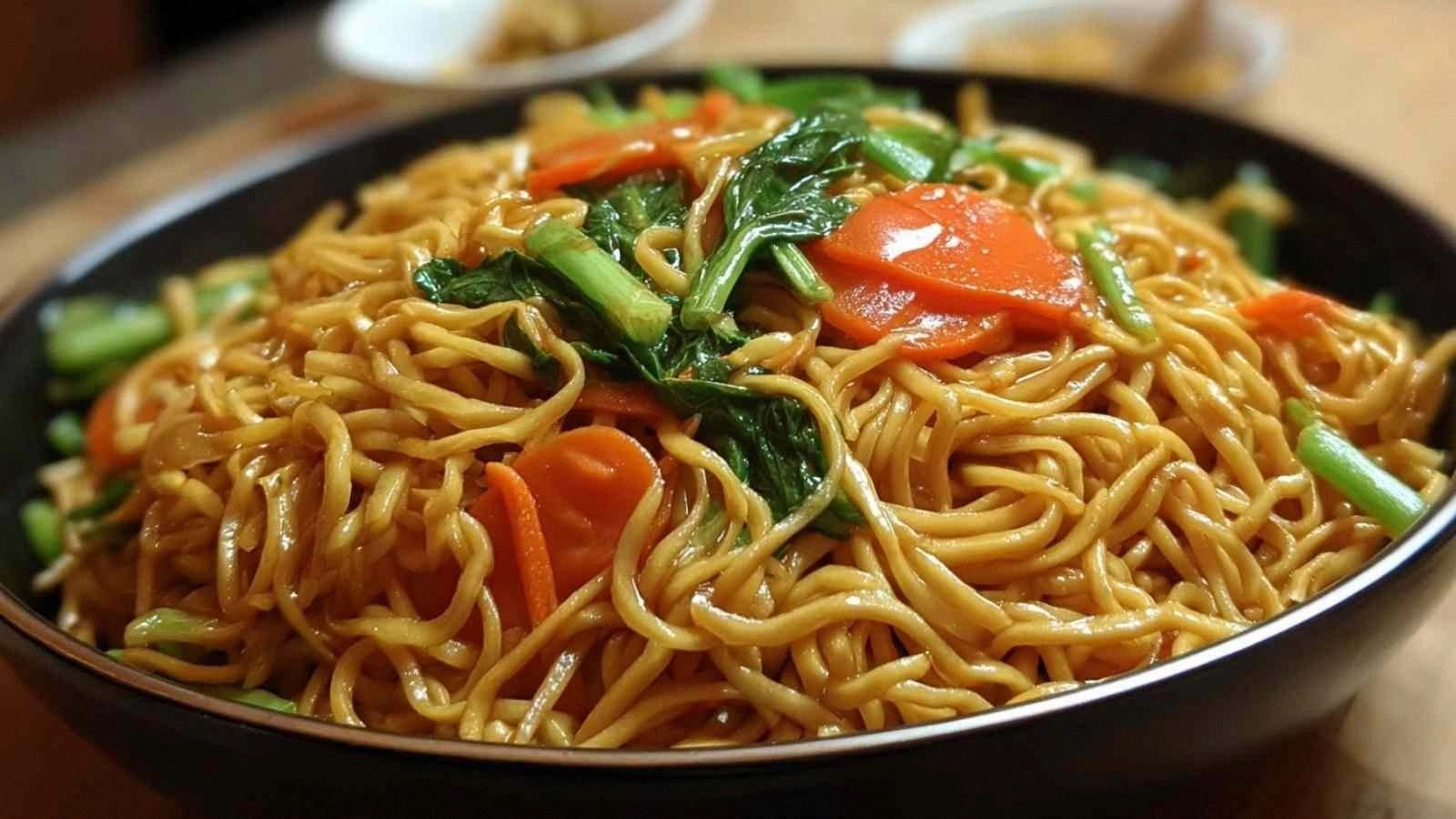
The Method — Step by Step
- Bring a large pot of salted water to a rolling boil. Toss in the lo mein noodles and cook for 4 minutes, or until just shy of al dente. Drain and rinse under cold water to stop the cooking process. Toss the noodles with a splash of vegetable oil to keep them from sticking together. Set aside while you prepare the rest of the ingredients.
- Heat a large wok or skillet over medium‑high heat. Add the vegetable oil, then swirl in the minced garlic. Sauté for 30 seconds until fragrant, being careful not to let it brown. The garlic should release a nutty aroma that signals the base is ready.
- Add the bell peppers, broccoli florets, snap peas, and carrots to the pan. Stir‑fry for 3–4 minutes until the veggies are bright green and just tender, yet still crisp. The vegetables should emit a sweet, fresh scent that makes your kitchen feel like a garden in spring.
- Pour in the soy sauce, oyster sauce, and sesame oil, then sprinkle the ground ginger. Toss everything together, ensuring the sauce coats each vegetable and noodle. Let the mixture simmer for 2 minutes; the sauce will thicken slightly and the noodles will absorb the flavors.
- Introduce the bean sprouts and green onions, stirring gently to avoid crushing the sprouts. Cook for an additional minute until the sprouts are just wilted but still crunchy. The contrast between the crisp sprouts and the silky noodles creates a delightful textural harmony.
- Season with salt and pepper to taste. Remember, the soy sauce already provides saltiness, so use pepper sparingly to avoid over‑salting. Taste the dish; if you feel it needs a lift, a pinch of sugar or a dash of rice vinegar can balance the flavors.
- Transfer the finished lo mein to a serving platter and sprinkle sesame seeds on top for a nutty crunch and a pop of color. Serve immediately while the noodles are still warm and the sauce is glossy. If you’re plating for guests, arrange the vegetables in a fan shape for an eye‑catching presentation.
- Take a moment to inhale the fragrant steam rising from the bowl—this is the moment of truth. The aroma should be savory, slightly sweet, and utterly comforting. If you’re still unsure, taste a small spoonful: the noodles should be tender, the veggies crisp, and the sauce should cling to every strand like a velvet coat.
That's it — you did it. But hold on, I've got a few more tricks that'll take this to another level...
Insider Tricks for Flawless Results
The Temperature Rule Nobody Follows
Many cooks let the wok cool between additions, which can cause the noodles to stick. Keep the heat consistently high; a hot pan ensures that each stir‑fry step finishes quickly, preserving the crunch of the vegetables and preventing the sauce from thickening too much. I’ve tried lowering the heat once, and the result was a soggy mess that made me question my life choices.
Why Your Nose Knows Best
Before adding the soy sauce, give the pan a quick sniff. If it smells slightly sweet, you’re ready to introduce the savory sauces. This olfactory cue helps you avoid over‑seasoning and ensures the flavors balance perfectly. Trust your nose; it’s the best sous‑chef you’ll ever have.
The 5‑Minute Rest That Changes Everything
Once the noodles are tossed with the sauce, let them rest on the stove for 5 minutes before plating. This brief rest allows the noodles to absorb the sauce fully, resulting in a richer, more cohesive flavor. I’ve seen friends skip this step and end up with a dish that tastes like it was rushed.
Keep It Light with Water
If the sauce gets too thick during cooking, add a splash of water or chicken broth to thin it out. This keeps the noodles from drying out and maintains a silky texture. A teaspoon at a time is enough; you can always add more if needed.
The Quick Stir‑Fry Hack
Use a wooden spoon or a silicone spatula that can reach the bottom of the pan. This ensures even distribution of heat and prevents hot spots that can scorch the vegetables. The result? A uniformly cooked dish with no burnt edges.
Creative Twists and Variations
This recipe is a playground. Here are some of my favorite ways to switch things up:
Spicy Sriracha Kick
Add a tablespoon of sriracha or a sprinkle of chili flakes to the sauce for a fiery finish. The heat balances the sweetness of the oyster sauce and adds a smoky depth that’s irresistible.
Thai‑Inspired Lime
Replace the oyster sauce with fish sauce and squeeze fresh lime juice into the mix. The citrus brightens the dish and adds an exotic flair that feels like a vacation in your kitchen.
Protein‑Packed Chicken
Sauté sliced chicken breast or thigh in the same pan before adding the vegetables. The chicken absorbs the sauce beautifully, turning the dish into a hearty meal.
Vegan Powerhouse
Swap the oyster sauce for a mushroom soy blend and use tofu or tempeh for protein. The earthy flavors complement the vegetables and keep the dish plant‑based without sacrificing depth.
Pineapple Twist
Add a handful of fresh pineapple chunks for a tropical sweetness that pairs perfectly with the savory sauce. This variation is great for summer gatherings and adds a vibrant color contrast.
Herb‑Infused Finale
Finish the dish with a handful of chopped fresh basil or cilantro. The herbal note cuts through the richness and adds a fresh, aromatic layer that elevates the overall experience.
Storing and Bringing It Back to Life
Fridge Storage
Place the cooked lo mein in an airtight container and refrigerate for up to 2 days. The noodles will absorb the sauce, so if you notice it’s a bit dry, add a splash of water or broth before reheating.
Freezer Friendly
For longer storage, divide the dish into individual portions and freeze in freezer‑safe bags. Store for up to 3 months. When ready to eat, thaw overnight in the fridge or microwave on low power.
Best Reheating Method
Reheat on the stove over medium heat, stirring frequently. Add a small splash of water or broth to re‑hydrate the noodles. A quick 2‑minute simmer will restore the dish’s original texture and flavor.