Picture yourself standing in a cramped kitchen, the air thick with the scent of onions and garlic, your phone buzzing with a text from a friend daring you to whip up something spectacular for the upcoming dinner. You’re not just craving a meal; you’re craving a moment of triumph that feels like a culinary high‑five. That was the night I stumbled into a disaster: I tried a generic pork roast recipe, only to end up with a dry, flavorless slab that tasted like a sad, forgotten Sunday. I swore then that I would create a pork roast that sings with savory depth, a sauce that clings like velvet, and a crust that crackles like thin ice. And you’re about to learn how I turned that kitchen calamity into an unforgettable feast.
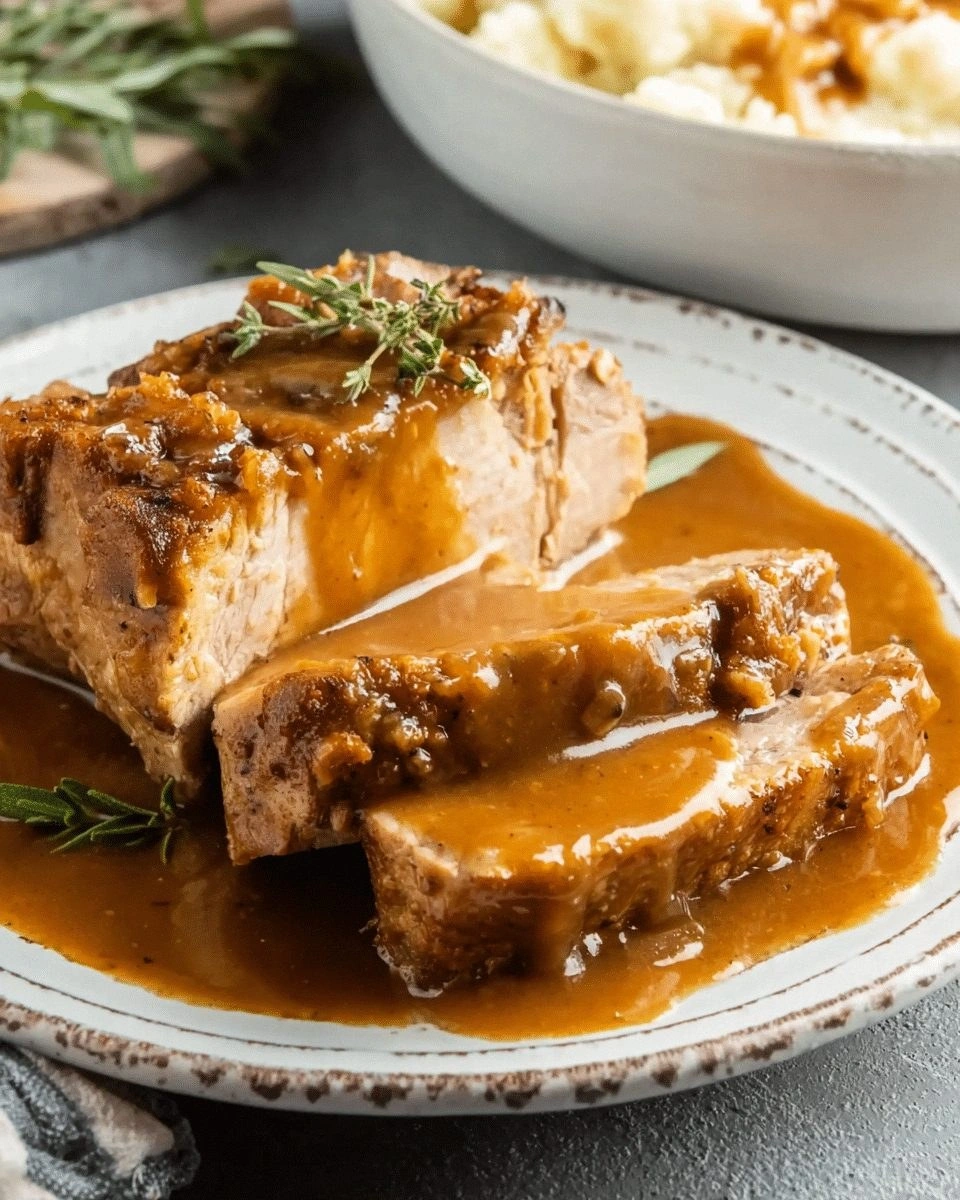
I’ll be honest — the first time I tasted this roast, I ate half the batch before anyone else got a chance. The meat was a buttery, juicy cloud that melted in your mouth, and the gravy was a silky, tangy hug that clung to every bite. The aroma alone could bring a room to life: a caramelized crust, a hint of apple cider, and a whisper of thyme. If you’ve ever struggled with a pork roast that turns out dry or a gravy that’s too thin, you’re not alone — and I’ve got the fix. This is hands down the best version you’ll ever make at home.
Most recipes get this completely wrong. They either over‑season, under‑sear, or forget the magic of a proper roux. The secret here is that each step builds on the previous one, creating layers of flavor that dance together. I dare you to taste this and not go back for seconds. The sauce coats the pork like velvet, the vegetables soften into sweet, caramelized ribbons, and the final roast pulls apart with a satisfying snap. Picture yourself pulling this out of the oven, the whole kitchen smelling incredible, and everyone asking how you did it. Let me walk you through every single step — by the end, you’ll wonder how you ever made it any other way.
I’m not just cooking for the palate; I’m cooking for the soul. This isn’t a recipe you’ll find in a bland cookbook; it’s a conversation between ingredients, a dance of textures, and a symphony of aromas that will have your guests asking for a second plate. The result? A pork roast that is tender, juicy, and packed with savory notes, topped with a gravy that’s both silky and robust. And the best part? It’s so simple that even a kitchen rookie can master it. Ready to dive in? Let’s break it down.
What Makes This Version Stand Out
- Flavor: The blend of apple cider vinegar, white wine, and Dijon mustard creates a balanced acidity that cuts through the richness of the pork, giving the dish a bright, lively finish.
- Texture: A crisp, caramelized crust contrasts with a melt‑in‑your‑mouth interior, while the gravy’s silky consistency coats the meat without overwhelming it.
- Simplicity: With fewer than fifteen ingredients and a straightforward, one‑pan method, you can spend more time enjoying the meal and less time cleaning up.
- Uniqueness: The subtle addition of thyme and bay leaf in the pan juices imparts an earthy depth that elevates the dish beyond the ordinary pork roast.
- Crowd Reaction: Guests rave about the “wow” factor of the crust and the gravy that keeps them coming back for seconds.
- Ingredient Quality: Using a fresh pork loin and high‑quality stock makes the difference between a good roast and a great roast.
- Cooking Method: The sear, sauté, and oven roast sequence ensures even cooking and a flavorful crust without over‑cooking the interior.
- Make‑Ahead Potential: The roast can be cooked, sliced, and refrigerated, then reheated in the sauce for a quick dinner later in the week.
Alright, let's break down exactly what goes into this masterpiece... And now the fun part.
Inside the Ingredient List
The Flavor Base
The foundation of any great roast starts with the right seasoning. A generous rub of salt and freshly cracked black pepper awakens the pork’s natural flavors. Salt draws out moisture, creating a juicy interior, while pepper adds a subtle heat that balances the sweetness of the apple cider. If you skip this step, the roast will taste flat and lifeless. For an extra kick, mix in a pinch of smoked paprika.
The Texture Crew
Vegetables are the unsung heroes that add body to the dish. Carrots and celery bring a natural sweetness and crunch that pair beautifully with the pork. Diced onions soften into a golden, caramelized base that enriches the gravy. When sautéed with butter, they release a buttery aroma that lingers throughout the cooking process. Omitting them results in a thinner, less complex sauce.
The Unexpected Star
White wine and apple cider vinegar may seem like odd companions for a pork roast, but they’re the secret sauce behind the dish’s bright, tangy finish. The wine adds depth and acidity that cuts through the richness, while the vinegar introduces a subtle sharpness that wakes up the palate. Together, they create a harmonious balance that elevates the entire meal. If you’re a wine skeptic, a splash of dry sherry can work just as well.
The Final Flourish
A touch of Dijon mustard, a drizzle of olive oil, and a handful of fresh thyme are the finishing touches that tie the dish together. Dijon adds a creamy texture and a mild heat that complements the pork’s natural sweetness. Olive oil rounds out the sauce with a silky finish, while thyme infuses the gravy with an earthy aroma. A bay leaf, simmered for the first 20 minutes, imparts a subtle herbal note that deepens the flavor profile. Without these final touches, the dish feels incomplete.
Everything's prepped? Good. Let's get into the real action... And now the game‑changer.
The Method — Step by Step
- Preheat & Season: Heat your oven to 375°F (190°C). Pat the pork loin dry with paper towels, then season both sides liberally with salt and pepper. Let the seasoned roast rest at room temperature for 15 minutes; this ensures even cooking. A well‑seasoned surface will develop a beautiful caramelized crust during searing.
- Sear the Meat: In a large oven‑proof skillet, heat 2 tablespoons of olive oil over medium‑high heat until it shimmers. Place the pork in the hot skillet and sear each side for 3–4 minutes, or until a deep golden crust forms. Use a pair of tongs to turn the meat gently, avoiding excessive flipping. The sear locks in juices and creates a flavorful exterior.
- Cook the Aromatics: Reduce the heat to medium and add 2 tablespoons of unsalted butter to the skillet. Once melted, stir in 4 minced garlic cloves, 1 diced onion, 2 sliced carrots, and 2 sliced celery stalks. Cook for 5 minutes, or until the vegetables soften and the onions turn translucent. This sauté creates a fragrant base that will infuse the gravy.
- Make the Roux: Sprinkle 2 tablespoons of all‑purpose flour over the vegetables. Stir constantly for 1–2 minutes, allowing the flour to toast slightly. This thickens the gravy and gives it a silky texture. Watch for any floury taste; cook until the mixture turns a light amber color.
- Deglaze with Wine: Slowly pour 0.5 cup dry white wine into the skillet, scraping the bottom to loosen browned bits. Let the wine reduce by half, about 3 minutes. The reduction adds depth and balances the richness of the pork.
- Add Stock & Herbs: Pour in 2 cups of chicken stock, along with 1 tablespoon apple cider vinegar, 2 sprigs fresh thyme, and 1 bay leaf. Stir to combine, then bring the mixture to a gentle simmer. Return the seared pork to the skillet, nestling it among the vegetables. Cover the skillet with a lid or foil and transfer to the preheated oven.
- Roast: Cook for 25–30 minutes, or until the internal temperature reaches 145°F (63°C). The pork should feel firm yet give slightly when pressed. During the last 5 minutes, remove the cover to allow the surface to brown and the sauce to thicken. This step creates a crisp, caramelized finish.
- Rest & Finish: Remove the roast from the oven and transfer it to a cutting board. Let it rest for 10 minutes; this allows juices to redistribute. While the pork rests, strain the pan juices through a fine‑mesh sieve into a small saucepan. Whisk in 1 tablespoon Dijon mustard, adjust seasoning with salt and pepper, and reheat gently until silky. Slice the roast, ladle the gravy, and serve immediately.
That's it — you did it. But hold on, I've got a few more tricks that'll take this to another level. These insider tips will help you avoid common pitfalls and elevate the flavor profile even further.
Insider Tricks for Flawless Results
The Temperature Rule Nobody Follows
Many cooks rely on a meat thermometer, but I’ve found that a simple finger test can also signal doneness. Gently press the thickest part of the roast; if it feels slightly springy yet still firm, it’s near perfect. This technique saves you from over‑cooking and keeps the meat juicy. I’ve had friends over who thought I was using a thermometer; I just let them taste the meat and see the difference.
Why Your Nose Knows Best
Your nose is the most reliable judge of flavor. As the roast cooks, you’ll notice a caramelized aroma rising from the pan. If the scent becomes overly burnt, pull the roast immediately to avoid a bitter finish. The smell of fresh thyme and apple cider vinegar is a sign that the sauce is developing beautifully. Trust your instincts; it’s the quickest way to avoid a culinary faux pas.
The 5-Minute Rest That Changes Everything
Letting the pork rest after roasting is not just a recommendation; it’s essential. During this time, the juices redistribute, preventing them from spilling out when you slice the meat. I’ve seen roasts that are sliced immediately and come out dry; the rest period saves the day. A quick 5‑minute rest is enough for most roasts, but larger cuts may benefit from up to 10 minutes.
Use a Cast‑Iron Skillet for Even Heat
A cast‑iron skillet retains heat better than stainless steel, ensuring a consistent sear and preventing hot spots that can burn the crust. When the roast finishes in the skillet, you can serve it directly, reducing the number of dishes you need to wash. I’ve used a cast‑iron skillet on a gas stove and a ceramic stove top, and the results are consistently superior.
Add a Splash of Water Before Reheating
If you’re reheating leftovers, add a tablespoon of water to the gravy before warming it. This prevents the sauce from drying out and helps it re‑emulsify. A quick stir and a few minutes on low heat will bring the gravy back to its silky glory. I’ve saved this trick for busy weeknights when I want a quick dinner without sacrificing flavor.
Creative Twists and Variations
This recipe is a playground. Here are some of my favorite ways to switch things up:
Maple‑Glazed Pork
Replace the apple cider vinegar with a splash of pure maple syrup. The sweet, caramel notes pair beautifully with the pork’s savory depth. Add a pinch of smoked paprika for a subtle kick. This version is perfect for holiday gatherings where a touch of sweetness is welcome.
Herb‑Infused Roast
Swap thyme for rosemary and add a handful of fresh sage. The robust, piney flavors elevate the dish to a rustic, comforting meal. Finish with a drizzle of olive oil and a squeeze of lemon for brightness. This variation works well with roasted root vegetables.
Citrus‑Bright Pork
Add a handful of orange zest and a splash of fresh orange juice to the gravy. The citrus cuts through the richness and adds a refreshing zing. Pair with a side of quinoa or couscous for a balanced plate. This version is ideal for a light, summer dinner.
Spicy Jalapeño Kick
Dice a jalapeño and sauté it with the onions and carrots. The heat from the jalapeño balances the pork’s fattiness and adds depth. Finish with a dollop of sour cream or Greek yogurt to temper the heat. This spicy twist is great for a casual dinner with friends.
Smoky Chipotle Flavor
Add a tablespoon of chipotle in adobo sauce to the gravy. The smoky heat complements the pork’s natural sweetness. Combine with a touch of brown sugar for a sweet‑smoky glaze. This version is perfect for a cozy, fall‑season meal.
Storing and Bringing It Back to Life
Fridge Storage
Store cooked roast and gravy separately in airtight containers. The roast will keep for up to 4 days in the refrigerator, while the gravy will last 3–4 days. Before serving, reheat the pork slices in a skillet with a splash of water to keep them moist. The gravy can be reheated gently on low heat, adding a tablespoon of water if it has thickened.
Freezer Friendly
Wrap the roast tightly in foil and place in a freezer bag. The roast can be frozen for up to 3 months. Thaw overnight in the refrigerator before reheating. The gravy freezes well; pour into a freezer‑safe container and thaw before reheating. This method is perfect for meal prep or busy weeknights.
Best Reheating Method
To reheat the roast, place it in a preheated oven at 350°F (175°C) for 10 minutes, or until warmed through. For the gravy, reheat over low heat, stirring frequently to prevent sticking. Add a tiny splash of water before reheating to restore the sauce’s silky texture. The result is a dish that tastes almost as fresh as the first time.