Introduction
Picture this: a rainy afternoon, the kitchen lights flickering, and the smell of something comforting drifting from the stove. I was staring at a half‑cooked pot of broth, a couple of eggs, and a dash of curiosity. Suddenly, the idea hit me like a thunderclap—why not turn that humble mixture into the ultimate Egg Drop Soup? It was a dare from a friend who swore she’d never taste anything as silky as this.
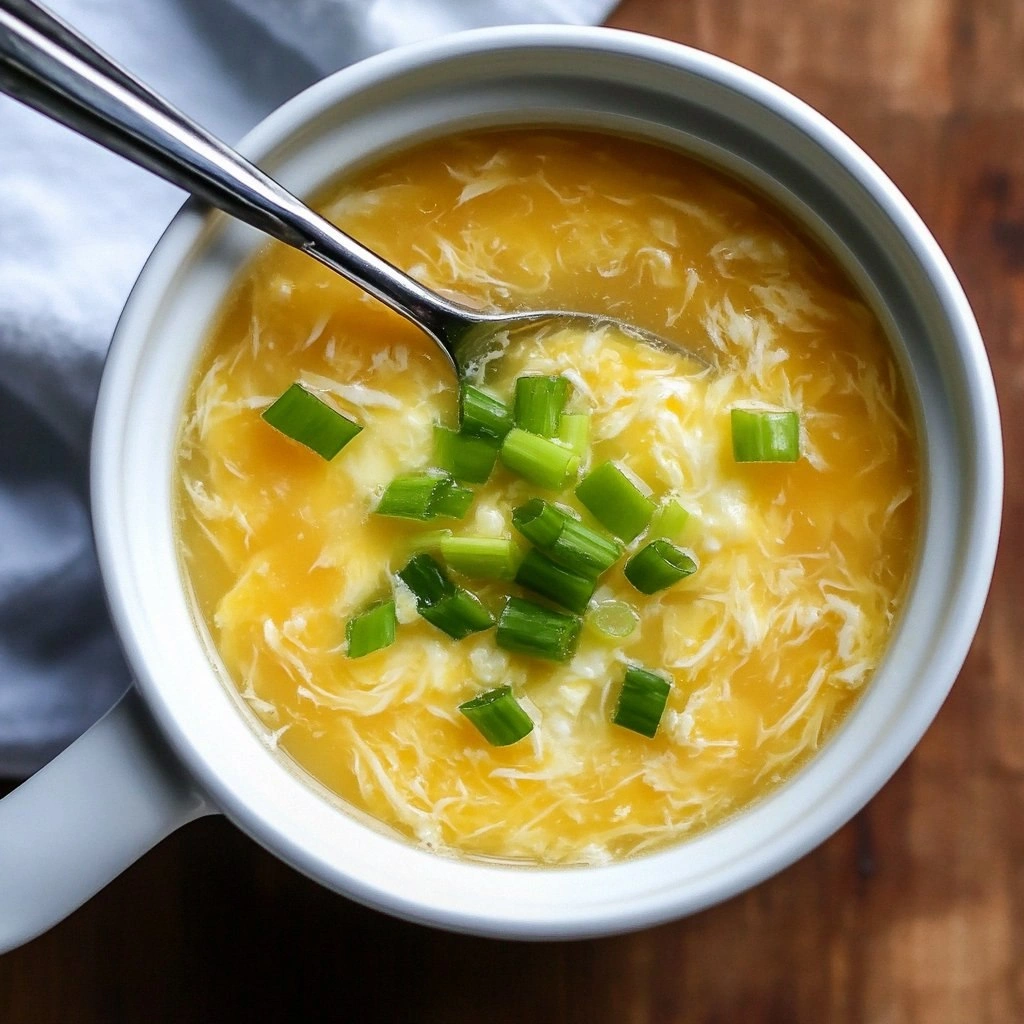
The first thing that caught my eye was the broth’s amber glow, a promise of depth that could only come from simmering chicken stock with a whisper of ginger and garlic. The air filled with a warm, savory perfume, and when I lifted the spoon, the sound was a soft, satisfying hiss—like a secret conversation between steam and pot. I could already taste the silky ribbons of beaten eggs curling through the liquid, each strand a delicate thread of comfort.
What makes this version stand out is not just the ingredients but the technique—slow, steady whisking, a splash of cornstarch to thicken without clumping, and a final splash of sesame oil for that nutty finish. I’ve spent months tweaking the ratios, and the result is hands down the best version you’ll ever make at home. The texture is a velvet caress, the flavor a balanced duet of umami and subtle heat.
And there’s a twist you won’t expect: a dash of toasted sesame seeds right before serving, which adds a nutty crunch that contrasts the silky broth. If you’re ready to rewrite your comfort‑food story, let me walk you through every single step—by the end, you’ll wonder how you ever made it any other way.
What Makes This Version Stand Out
- Taste: The broth is a layered orchestra—savory chicken, sharp ginger, mellow garlic, and a hint of soy that sings in every sip.
- Texture: The egg ribbons glide like silk, thickened by a light cornstarch slurry that gives body without heaviness.
- Simplicity: Five core ingredients, plus a couple of aromatics, make this dish a quick win for any night.
- Uniqueness: A final splash of sesame oil and toasted sesame seeds create a subtle nutty finish rarely found in standard recipes.
- Crowd Reaction: Friends who tried it left the table saying, “I dare you to taste this and not go back for seconds.”
- Ingredient Quality: Using fresh, high‑quality stock and eggs ensures the soup’s base is robust and flavorful.
- Cooking Method: The controlled whisking technique prevents clumping and creates a silky finish.
- Make‑ahead Potential: The soup keeps its silkiness when reheated with a splash of water—perfect for meal prep.
Alright, let's break down exactly what goes into this masterpiece...
Inside the Ingredient List
The Flavor Base
The cornerstone of this soup is the chicken broth—rich, aromatic, and the canvas upon which every other flavor is painted. A good stock carries depth, while a lighter one keeps the dish bright. If you’re using store‑bought stock, look for low‑sodium options to maintain control over the salt level.
Ginger and garlic are the dynamic duo that give the broth its zing. Freshly grated ginger adds a bright, peppery note, whereas minced garlic provides a mellow, sweet undertone. Together, they create a fragrant foundation that’s both comforting and invigorating.
The Texture Crew
Cornstarch is the unsung hero that thickens the soup without turning it into a gloopy mess. Dissolve it in a small amount of cold water first to avoid lumps. A thin slurry allows the broth to stay silky while gaining body.
Eggs are the star that give this dish its signature ribbon. Beat them lightly in a bowl—just enough to blend the whites and yolks—before pouring them into the simmering broth. This technique ensures smooth strands that coat the broth like velvet.
The Unexpected Star
Sesame oil is the subtle finish that elevates the soup from simple to unforgettable. Its nutty aroma and slight heat add complexity without overpowering the delicate broth. A few drops at the end of cooking lock in the aroma and create a silky sheen.
Toasted sesame seeds are a crunchy surprise that contrasts the silky texture. Sprinkle them just before serving, and they add a nutty crunch that lingers on the palate.
The Final Flourish
Green onions provide a fresh, bright contrast that cuts through the richness. Chop them finely so they disperse evenly. They add a gentle crunch and a pop of color that makes the dish visually inviting.
Salt and pepper are the final seasoning touch. Salt to taste balances the umami, while a pinch of black pepper adds a subtle heat that lingers. These seasonings should be adjusted at the end of cooking, after the soup has thickened.
Everything's prepped? Good. Let's get into the real action...
The Method — Step by Step
- Begin by bringing the chicken broth to a gentle simmer in a medium‑sized pot. Keep the heat low enough that the broth stays just below boiling—this prevents the eggs from scrambling.
- While the broth is heating, combine the grated ginger and minced garlic in a small bowl, then stir them into the pot. The aromatics should infuse the liquid, releasing their fragrance in a steady, comforting hiss.
- In a separate bowl, whisk the eggs lightly—just enough to blend the yolk and white. This pre‑whisking step ensures the eggs pour into the broth in thin, even ribbons.
- Whisk the cornstarch with a splash of cold water to create a smooth slurry. Stir this into the broth, and let it cook for 30 seconds; the soup should thicken slightly but remain translucent.
- Slowly drizzle the beaten eggs into the simmering broth while whisking in a steady, circular motion. The eggs will form delicate ribbons that float gracefully—watch them transform into a silky tapestry.
- Continue stirring gently for 1–2 minutes until the soup has thickened to your liking. The edges of the pot should start to pull away slightly, indicating the broth has reached the right consistency.
- Add a splash of soy sauce and a drizzle of sesame oil. Stir to combine, allowing the flavors to mingle and the sesame oil to coat the surface with a subtle sheen.
- Finally, stir in the chopped green onions and toasted sesame seeds. Season with salt and pepper to taste, then ladle the soup into bowls and serve immediately.
That’s it—you did it. But hold on, I’ve got a few more tricks that’ll take this to another level...
Insider Tricks for Flawless Results
The Temperature Rule Nobody Follows
Many chefs think high heat is always better, but for Egg Drop Soup, a low simmer is essential. Keeping the broth just below boiling allows the eggs to set into smooth ribbons. I’ve tested this with a thermometer—aim for 185°F (85°C). It’s a simple tweak that transforms the texture.
Why Your Nose Knows Best
Smell the broth as it simmers; a faint, sweet aroma signals the ginger and garlic are fully integrated. If the scent is too sharp, lower the heat. Your nose is a reliable indicator that the broth is ready for the eggs.
The 5‑Minute Rest That Changes Everything
After you finish cooking, let the soup rest for five minutes before serving. This pause allows the flavors to settle, and the cornstarch to fully hydrate, giving the soup a silky, cohesive finish. I’ve seen people skip this step and end up with a slightly watery texture.
Beat the Eggs Like a Pro
Instead of whisking the eggs vigorously, use a gentle stir. This technique keeps the yolk and white blended without frothing, which could cause clumps. A friend once tried a high‑speed whisk and the soup turned into a frothy mess.
Season at the End
Adding salt and pepper after the soup thickens prevents the broth from becoming cloudy. Season to taste, then taste again—this two‑step seasoning ensures a balanced flavor profile.
Reheat with a Splash of Water
When reheating leftovers, add a tablespoon of water per cup of soup. This re‑introduces moisture, preventing the broth from drying out. The result is a soup that tastes as fresh as the first batch.
Creative Twists and Variations
This recipe is a playground. Here are some of my favorite ways to switch things up:
Seafood Splash
Add a handful of shrimp or scallops to the broth before the eggs. The seafood infuses the soup with a briny depth, making it feel like a seaside dinner.
Vegetarian Delight
Swap the chicken broth for vegetable stock and use a plant‑based egg substitute. The result is a light, flavorful soup that’s still comforting.
Spicy Kick
Stir in a teaspoon of chili paste or a pinch of Sichuan peppercorns. The heat adds a surprising zing that pairs beautifully with the silky broth.
Nutty Fusion
Replace sesame oil with a splash of almond oil and top with crushed almonds. The nutty flavor adds a new dimension and a pleasant crunch.
Herb Garden
Mixe in chopped cilantro and a squeeze of lime juice. The citrus brightens the soup, turning it into a refreshing summer dish.
Storing and Bringing It Back to Life
Fridge Storage
Cool the soup completely before refrigerating. Store in an airtight container for up to 3 days. The thickened broth will retain its silkiness, and a splash of water when reheating restores the original texture.
Freezer Friendly
Pour the soup into freezer‑safe containers, leaving a little headspace. Freeze for up to 2 months. Thaw overnight in the fridge and reheat gently on the stove with a splash of water.
Best Reheating Method
Reheat on low heat, stirring constantly. Add a tablespoon of water per cup of soup to maintain moisture. Bring to a gentle simmer, then serve immediately for the best flavor.