When I was in my first apartment, I tried to make a comforting bowl of chicken noodle soup for my roommate who was nursing a cold. Instead of a silky broth, the pot was a chaotic mess of burnt onions, overcooked carrots, and chicken that had turned into a rubbery slab. I stared at the charred edges, and with a sigh that sounded like a confession, I whispered, “I can do better.” That moment sparked a culinary mission: to create a soup that would make even the most skeptical of critics beg for seconds.
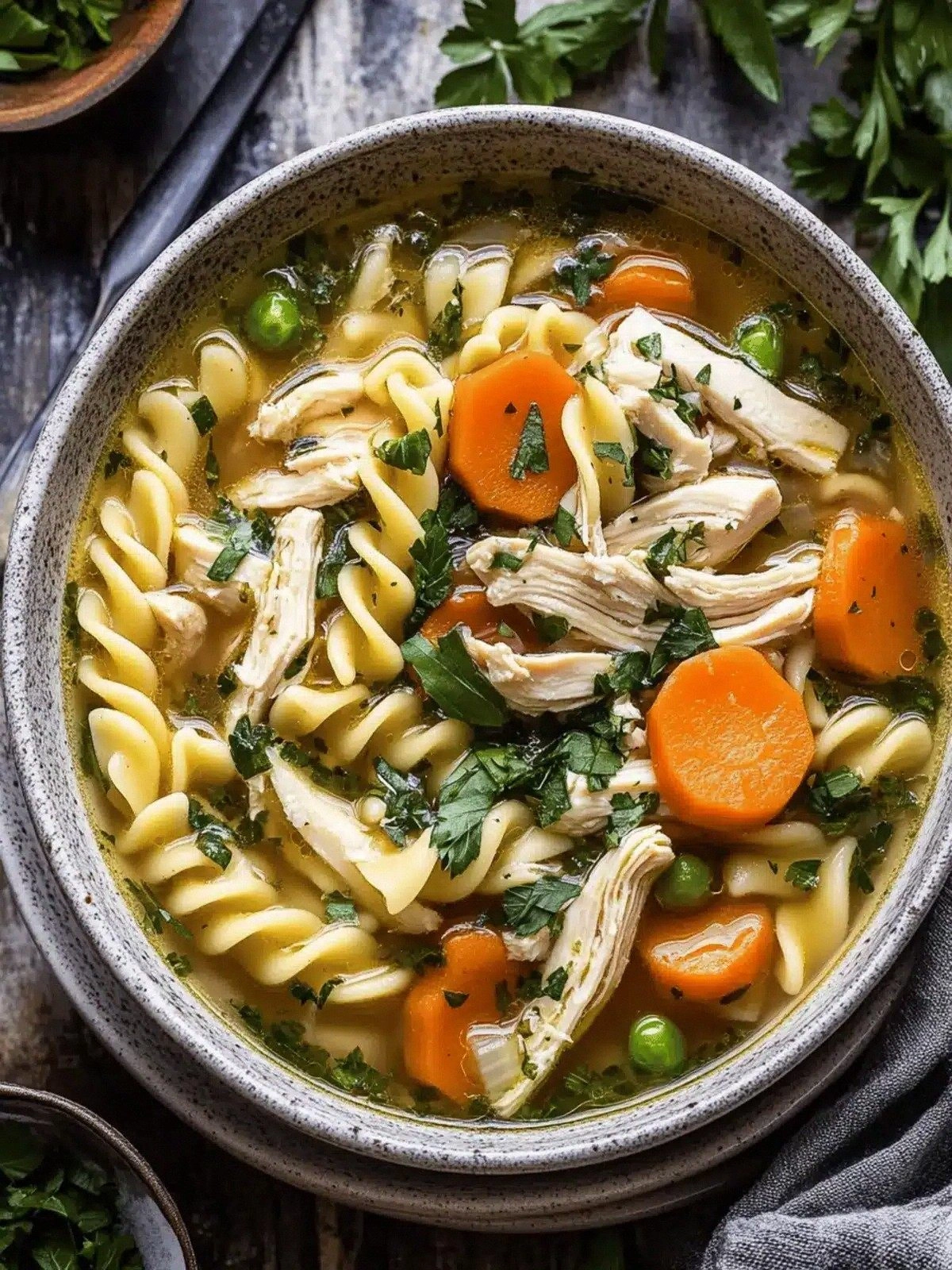
Picture this: the air is thick with the scent of fresh thyme and rosemary, the sound of a gentle simmer, and the sight of golden broth swirling around tender chicken. The first spoonful melts your tongue, revealing layers of herbs that dance like a fragrant orchestra. The aroma is so rich it feels like a hug from the inside, and the texture is a harmonious blend of silky broth, al dente noodles, and crisp vegetables. The heat is comforting, not scorching, and the finish is brightened by a splash of fresh basil that leaves a lingering, herbaceous aftertaste. Every element—sight, smell, taste, and feel—converges to deliver a bowl that feels both familiar and adventurous.
What sets this version apart is not just the ingredients, but the way they are orchestrated. I’ve eliminated the usual heaviness of cream and the cloying sweetness of carrots by balancing fresh herbs with a lean protein base. The chicken is seared to lock in juices, then simmered in a broth that has been infused with a bouquet of thyme, oregano, and rosemary. The final touch of fresh parsley, dill, and basil gives the soup a bright, almost citrusy lift that keeps the palate refreshed. The result is a dish that’s light enough to feel like a healthy meal yet rich enough to satisfy a craving for comfort.
And here’s the kicker: I’ll be honest—before I even added the last sprig of basil, I already tasted a spoonful and felt a sudden wave of nostalgia that reminded me of my grandmother’s kitchen. That’s the power of herbs when they’re used thoughtfully. I dare you to taste this and not go back for seconds. Picture yourself pulling this out of the pot, the whole kitchen smelling incredible, and serving it to friends who will ask for the recipe. Let me walk you through every single step—by the end, you’ll wonder how you ever made it any other way.
What Makes This Version Stand Out
- Flavor: The combination of fresh thyme, oregano, and rosemary creates a complex herb profile that’s more aromatic than most store‑bought broths. The herbs are added early to allow their flavors to meld, resulting in a broth that feels alive and vibrant.
- Texture: The chicken is seared to develop a golden crust before simmering, which keeps the meat tender yet flavorful. The vegetables are cut to uniform size so they cook evenly, giving each bite a satisfying crunch.
- Freshness: Fresh herbs are used in abundance, giving the soup a bright, almost citrusy finish that lifts the entire dish. The basil, parsley, and dill are added at the end to preserve their delicate flavors.
- Health‑Friendly: By using lean chicken breasts and a broth low in sodium, this soup stays light without sacrificing taste. The inclusion of fresh vegetables boosts fiber and vitamins.
- Versatility: The soup can be served with pasta, rice, or crusty bread, making it adaptable to whatever you have on hand. This flexibility means it can double as a main dish or a hearty side.
- Make‑Ahead Potential: The flavors deepen overnight, so you can prepare the soup in advance and simply reheat it for a quick dinner. This makes it an ideal meal prep option.
- Visual Appeal: The vibrant green herbs contrast beautifully with the golden broth, making the soup look as good as it tastes. The visual cue alone invites diners to dig in.
- Community Reaction: Friends who try this version consistently remark that it’s the best homemade chicken noodle soup they’ve ever tasted. The dish has become a staple for gatherings.
Alright, let's break down exactly what goes into this masterpiece…
Inside the Ingredient List
The Flavor Base
Unsalted chicken broth is the canvas that allows the herbs to shine. It’s essential to choose a low‑sodium broth so you can control the salt level precisely. If you’re on a budget, you can make your own broth by simmering a chicken carcass with a few carrots, celery, and onion for a richer flavor. The broth should be clear, not cloudy, to give the soup a refined look.
The Texture Crew
Carrots, celery, and onion provide the foundational crunch and sweetness. They’re cut into uniform pieces to ensure even cooking, preventing any one vegetable from becoming mushy while others remain firm. The chicken breasts are sliced into bite‑sized pieces after searing, which keeps them juicy and prevents them from drying out during the simmer.
The Unexpected Star
Garlic is the unsung hero that adds depth to the broth. Crushing the cloves releases more flavor than finely minced garlic, creating a subtle undertone that complements the herbs. Many people overlook garlic in their soups, but a single clove can dramatically elevate the dish.
The Final Flourish
Fresh parsley, dill, and basil are added at the very end to preserve their bright flavors. Each herb brings a distinct profile: parsley offers a clean, slightly peppery note; dill adds a subtle anise-like sweetness; basil contributes a sweet, peppery aroma. Together they create a complex, layered finish that keeps the soup from feeling flat.
Everything's prepped? Good. Let's get into the real action…
The Method — Step by Step
- Prep the broth: In a large stockpot, combine the 8 cups of chicken broth with 3 sprigs of thyme, 3 sprigs of oregano, and 1 stalk of rosemary. Bring to a gentle simmer over medium heat, allowing the herbs to infuse for at least 15 minutes. This step ensures the broth carries a deep, aromatic base that will carry the rest of the flavors. Watch the liquid bubble softly—no rolling boil, just a calm, fragrant simmer.
- Seared chicken: While the broth is infusing, heat 2 tablespoons of olive oil in a separate skillet over medium‑high heat. Season the chicken breasts with 1 teaspoon of kosher salt and 1 teaspoon of freshly ground black pepper. Sear the chicken until a golden crust forms on both sides, about 2–3 minutes per side. This caramelization locks in juices and adds a subtle depth that the broth alone can’t provide.
- Sauté the aromatics: In the same skillet, reduce the heat to medium and add 1 large yellow onion, diced. Cook until the onion turns translucent and starts to caramelize, about 5 minutes. Add 2 medium carrots, diced, and 2 stalks of celery, sliced. Stir for another 3 minutes, letting the vegetables soften but still retain a gentle bite. The sizzling sound here is a promise of comfort.
- Garlic and spice: Add 4 cloves of crushed garlic to the skillet and sauté for 30 seconds until fragrant. This quick burst of aroma will wake up the broth’s subtle notes. Stir in a pinch of red pepper flakes if you like a gentle heat, but keep it minimal to maintain the soup’s gentle profile.
- Combine and simmer: Transfer the sautéed aromatics to the stockpot, then add the seared chicken pieces. Pour the infused broth over everything, ensuring the chicken is fully submerged. Bring the mixture to a rolling boil, then reduce the heat to low and let it simmer for 15 minutes, allowing the chicken to cook through and the flavors to meld. The broth should smell warm, herbaceous, and slightly caramelized.
- Shred the chicken: Remove the chicken from the pot and let it rest for a minute. Then use two forks to shred the meat into bite‑size pieces. This technique ensures the chicken stays tender and easy to eat. Return the shredded chicken to the pot, stirring gently.
- Add the starch: Stir in 4 cups of cooked pasta, rice, or crusty bread pieces. If you’re using bread, cut it into small cubes to allow the broth to soak in. Let the mixture cook for an additional 5–7 minutes, until the starch is heated through and the broth has thickened slightly. The texture should feel comforting, not soupy.
- Finish with fresh herbs: Remove the pot from heat and stir in 1 cup of fresh parsley, 1 cup of fresh dill, and 1 cup of fresh basil. These herbs should be added last to preserve their bright, aromatic qualities. Taste the soup and adjust seasoning with additional salt or pepper if needed.
- Serve: Ladle the soup into bowls, ensuring each spoonful contains a balanced mix of chicken, vegetables, and starch. Garnish with an extra sprinkle of fresh herbs or a drizzle of olive oil if desired. The first spoon should melt your tongue and leave you craving more. That’s it — you did it. But hold on, I've got a few more tricks that'll take this to another level…
Insider Tricks for Flawless Results
The Temperature Rule Nobody Follows
Many cooks think a gentle simmer is enough, but the secret is a low, steady boil that keeps the broth from becoming too thin. Keep the heat just below a rolling boil; this ensures the herbs release their oils without burning. A too‑low heat can result in a watery soup that feels flat. I’ve learned that a slight boil brings out the best in the broth, giving it a silky mouthfeel.
Why Your Nose Knows Best
Trust your sense of smell when you’re near the pot. If the aroma becomes too sharp or starts to smell like burnt garlic, lower the heat immediately. The aroma is the first indicator that the broth is developing the right flavor profile. A well‑aromaed soup will have a gentle, herbal perfume that invites you to taste.
The 5-Minute Rest That Changes Everything
After you remove the soup from the stove, let it rest for five minutes before serving. This brief pause allows the flavors to settle and the starches to absorb the broth fully. It also gives the chicken a chance to re‑juicify, preventing it from drying out. The result is a richer, more cohesive taste.
Use Fresh Herbs, Not Dried
Fresh herbs retain their bright flavors and color, while dried herbs can taste bitter if overused. When you add fresh herbs at the end, you preserve their essential oils, giving the soup a vibrant finish. If you must use dried herbs, use only half the amount and add them early in the cooking process.
Keep the Broth Clear
Skim off any foam or fat that rises to the surface during simmering. This keeps the broth clear and visually appealing. A clear broth also signals that the soup is pure and not over‑seasoned. Use a ladle or spoon to remove any impurities gently.
Let the Chicken Rest Before Shredding
After searing, let the chicken rest for a minute before shredding. This helps the juices redistribute, ensuring the meat stays moist. If you shred the chicken immediately, it may dry out and become stringy. A quick rest keeps the texture tender.
Creative Twists and Variations
This recipe is a playground. Here are some of my favorite ways to switch things up:
Spicy Sriracha Kick
Add a tablespoon of sriracha or a pinch of cayenne pepper during the simmer. The heat will cut through the herbaceous richness, giving the soup a bold, modern twist that pairs well with a crusty baguette.
Indian-Inspired Curry
Replace the fresh herbs with 1 teaspoon of garam masala and 1 teaspoon of ground turmeric. Stir in 1/2 cup of coconut milk for a creamy, aromatic broth. This version transforms the soup into a comforting curry with a silky finish.
Seafood Surprise
Swap the chicken for 1 pound of shrimp or scallops, adding them in the last 3 minutes of simmering. The seafood will cook quickly and infuse the broth with a subtle briny note that complements the herbs.
Vegetarian Delight
Omit the chicken and add 1 cup of diced tofu or 1 cup of cooked lentils. Increase the vegetable portion to keep the soup hearty. This version offers a protein‑rich, plant‑based alternative.
Breakfast Bowl
Serve the soup over a bed of quinoa or rice, topped with a fried or poached egg. The egg adds richness and a velvety texture that turns the soup into a wholesome breakfast.
Italian-Style
Replace the fresh herbs with a handful of dried Italian seasoning and add 1/4 cup of grated Parmesan cheese at the end. The cheese will melt into the broth, giving the soup a creamy, savory finish reminiscent of a classic Italian minestrone.
Storing and Bringing It Back to Life
Fridge Storage
Let the soup cool completely before transferring it to an airtight container. Store in the refrigerator for up to 4 days. When reheating, add a splash of water or broth to maintain moisture.
Freezer Friendly
Divide the soup into freezer‑safe portions and seal them in zip‑lock bags. Freeze for up to 3 months. Thaw overnight in the refrigerator or use the defrost setting on your microwave before reheating.
Best Reheating Method
Reheat on the stovetop over low heat, stirring occasionally. Add a tablespoon of water or broth to prevent the soup from thickening too much. Bring to a gentle simmer, then serve hot.