Picture this: a rainy Saturday, the kitchen lights flicker, and you’re staring at a handful of ingredients that could’ve been left on the shelf forever. I had a bowl of ground beef, a jar of tomato sauce, and a box of pasta that had been gathering dust. My friend dared me to turn that pantry chaos into a meal that would make us both swoon. I laughed, grabbed a skillet, and the rest is history.
When that first sizzle hit the pan, the air filled with the earthy aroma of browned beef. The sound was a low, comforting rumble, like a distant drumbeat. The sight of the beef caramelizing into a glossy, caramel‑red hue made my mouth water. I could almost taste the subtle sweetness that comes from the Maillard reaction. The texture of the onions, softening into translucent ribbons, added a gentle sweetness that balanced the savory beef.
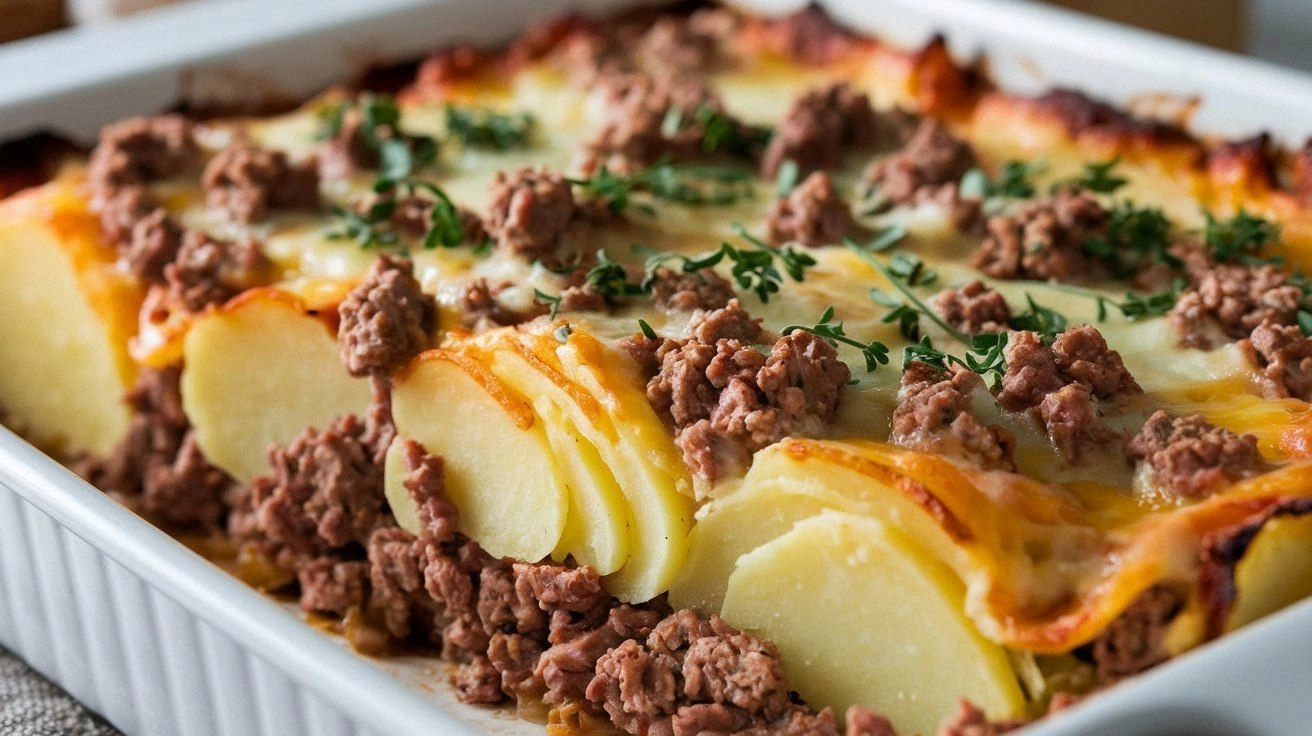
But this isn’t just another casserole. It’s a single‑pan, all‑in‑one masterpiece that delivers layers of flavor with minimal effort. The combination of cheese, pasta, and sauce creates a creamy, velvety coating that clings to every strand of pasta, while the breadcrumbs on top add a crunchy contrast that shatters like thin ice when you bite into it. I dare you to taste this and not go back for seconds. That’s how confident I am that this is hands down the best version you'll ever make at home.
What sets this version apart is a secret ingredient that most recipes forget: a splash of red wine. A tablespoon of dry red wine adds depth and a hint of acidity that lifts the entire dish. It’s a subtle twist that transforms the humble casserole into something that feels like a gourmet creation. Picture yourself pulling this out of the oven, the whole kitchen smelling incredible, and your guests asking for the recipe. Let me walk you through every single step — by the end, you'll wonder how you ever made it any other way.
What Makes This Version Stand Out
- Flavor Depth: The addition of red wine and Italian seasoning creates a complex flavor profile that’s both comforting and sophisticated.
- Texture Contrast: The crispy breadcrumb topping provides a satisfying crunch against the creamy interior.
- One‑Pan Simplicity: All ingredients cook together, saving you from the endless cleanup of separate pots.
- Make‑Ahead Friendly: This casserole can be assembled, refrigerated, and baked later without losing its charm.
- Kid‑Approved: The melty cheese and hearty meat make it a hit with the little ones.
- Versatile Base: Swap in different meats or add vegetables to suit your cravings.
- Time Efficiency: Prep time is just 15 minutes, and the whole thing cooks in 30.
- Budget Conscious: Uses pantry staples, keeping the cost low while delivering big flavor.
Inside the Ingredient List
The Flavor Base
Ground beef is the heart of this casserole, providing a rich, meaty foundation that anchors every bite. The beef’s fat content melts into the sauce, creating a silky mouthfeel that coats the pasta like velvet. If you skip the beef, the dish loses its depth and becomes a bland pasta bake. For a leaner option, use 80/20 beef or a mix of ground turkey and beef; just keep the ratio at 3:1 to preserve flavor.
The Texture Crew
Pasta is the canvas that absorbs the savory sauce and cheese, turning each bite into a chewy, comforting experience. Elbow macaroni works best because its shape holds the sauce and cheese, but you can use penne or shells for a different texture. If you’re watching carbs, swap for spiralized zucchini or shirataki noodles; the dish will still hold together beautifully. The breadcrumbs, toasted in butter, add a crunchy layer that contrasts the creamy interior.
The Unexpected Star
Red wine isn’t just a garnish; it’s a flavor enhancer that adds acidity and depth. A tablespoon of dry red wine, like Merlot or Cabernet, caramelizes into a syrupy glaze that balances the tomato sauce’s sweetness. If you’re not a wine drinker, a splash of balsamic vinegar or a pinch of smoked paprika can mimic that complexity.
The Final Flourish
Cheese is the crowning glory, creating a molten, golden top that pulls together all the flavors. Cheddar or a blend of cheddar and mozzarella works wonders, but a sprinkle of Parmesan adds a nutty finish. The herbs—Italian seasoning, garlic, and onion—infuse the casserole with aromatic layers that linger on the palate. Salt and pepper are the final touch; season to taste, but remember that the cheese and breadcrumbs will add their own saltiness.
Everything's prepped? Good. Let's get into the real action...
The Method — Step by Step
- Preheat the oven to 375°F (190°C). This temperature ensures the casserole bakes evenly without drying out the meat. Let the oven settle for 10 minutes before placing the skillet inside.
- Sear the Beef in a cast‑iron skillet over medium‑high heat, adding the olive oil first. Break the beef into small crumbles and let it brown for 5 minutes, stirring occasionally. When the surface turns dark brown, it’s time to add the onions.
- Sauté Onions until translucent, about 3 minutes, then stir in the minced garlic. The garlic should release a fragrant aroma within 30 seconds. Avoid letting it burn, or it will turn bitter.
- Add Tomato Sauce and red wine, stirring to deglaze the pan. The wine should evaporate slightly, leaving a rich glaze. Let the mixture simmer for 5 minutes to meld flavors.
- Incorporate Pasta by pouring it directly into the skillet. Stir to coat each strand with the sauce, then pour in the water to keep the pasta from sticking. Cover the skillet with foil and bake for 20 minutes.
- Cheese and Breadcrumbs are added after the pasta has softened. Sprinkle shredded cheese evenly over the top, then toss toasted breadcrumbs over the cheese. Return to the oven uncovered for an additional 10 minutes.
- Final Browning is crucial; the top should be golden and slightly crisp. If you prefer a darker crust, broil for 1-2 minutes, watching carefully to avoid burning.
- Rest the casserole for 5 minutes before serving. This allows the flavors to settle and the cheese to set, making it easier to slice.
That's it — you did it. But hold on, I've got a few more tricks that'll take this to another level...
Insider Tricks for Flawless Results
The Temperature Rule Nobody Follows
Many cooks bake at 400°F, but 375°F gives a gentler heat that lets the cheese melt without burning. I’ve found that the casserole’s sauce thickens just enough, creating a silky coating. If you’re in a hurry, a quick 5‑minute broil at the end can create a crisp top without compromising the interior.
Why Your Nose Knows Best
Before you open the oven, pause and sniff the aroma. A faint, sweet smell indicates that the sauce has reduced properly. If it smells overly acidic, add a pinch of sugar or a splash of milk to balance it. Trust your nose; it’s a seasoned judge of flavor.
The 5‑Minute Rest That Changes Everything
After baking, let the casserole sit covered for 5 minutes. This short rest lets the cheese set, preventing it from sliding off when you cut. It also allows the pasta to absorb any remaining liquid, ensuring a cohesive bite. I always use a lid or foil to keep the heat in.
Use a Skillet with a Lid
Covering the skillet during the initial bake traps steam, keeping the pasta moist. It also helps the cheese melt uniformly. If you don’t have a lid, a sheet of parchment paper works well as a makeshift cover.
Fresh Herbs for a Bright Finish
Stir in chopped fresh parsley or basil just before serving. The herbs add a burst of color and a fresh, herbal note that lifts the dish. A squeeze of lemon juice can also brighten the flavors, especially if you’ve added a lot of cheese.
Creative Twists and Variations
This recipe is a playground. Here are some of my favorite ways to switch things up:
Spicy Southwest Edition
Swap the Italian seasoning for chili powder, add a diced jalapeño, and sprinkle cumin on top. Finish with a drizzle of chipotle crema for heat and smokiness. This version pairs beautifully with corn tortilla chips on the side.
Vegetarian Veggie Medley
Replace the beef with a mix of lentils, diced zucchini, and mushrooms. Increase the tomato sauce by 1/2 cup to compensate for the added volume. The result is a hearty, protein‑rich dish that still delivers the comforting casserole feel.
Greek Flavor Twist
Use feta cheese instead of cheddar, add sliced kalamata olives, and sprinkle oregano. Replace the breadcrumbs with phyllo dough pieces for a flaky, buttery crust. The dish becomes a Mediterranean‑inspired delight.
Cheeseburger Casserole
Stir in ground beef seasoned with ketchup, mustard, and a splash of Worcestershire sauce. Add a handful of shredded cheddar and a dollop of pickles on top. It’s like a cheeseburger in a casserole form.
Breakfast Breakfast Casserole
Use breakfast sausage instead of beef, add diced potatoes, and top with a layer of shredded cheddar. Bake until the potatoes are tender, then finish with a sprinkle of chives. Serve with a side of fresh fruit for a balanced breakfast.
Asian Fusion
Replace the tomato sauce with a mix of soy sauce, hoisin sauce, and a splash of rice vinegar. Add sliced bell peppers and a handful of green onions. Finish with toasted sesame seeds for a nutty crunch.
Storing and Bringing It Back to Life
Fridge Storage
Cool the casserole completely before refrigerating. Store in an airtight container for up to 3 days. When reheating, cover with foil to keep the top from drying out. A quick 10‑minute microwave session or a 15‑minute oven bake at 350°F restores the warmth.
Freezer Friendly
Wrap the casserole tightly in plastic wrap, then place in a freezer bag. It will keep for up to 3 months. Thaw overnight in the fridge, then reheat as described above. The texture remains creamy, and the cheese stays melty.
Best Reheating Method
Reheat in the oven at 350°F for 15 minutes, adding a splash of water or broth to keep the pasta moist. Cover the skillet with foil for the first 10 minutes, then remove the foil to allow the top to crisp. The result is a freshly baked casserole that tastes just like new.