I remember the night I almost turned my kitchen into a disaster zone. I was trying to impress a group of friends with a quick, plant‑based appetizer, and the first potsticker I made looked like a sad, soggy square. The whole room smelled of burnt oil, and my friends politely said it was “meh.” That single flop sparked a mission: I would create the most irresistible vegan potstickers ever, the kind that makes your taste buds do a double‑take and your friends beg for seconds. And trust me, I’ll be honest—after I finished, I ate half the batch before anyone else got a chance.
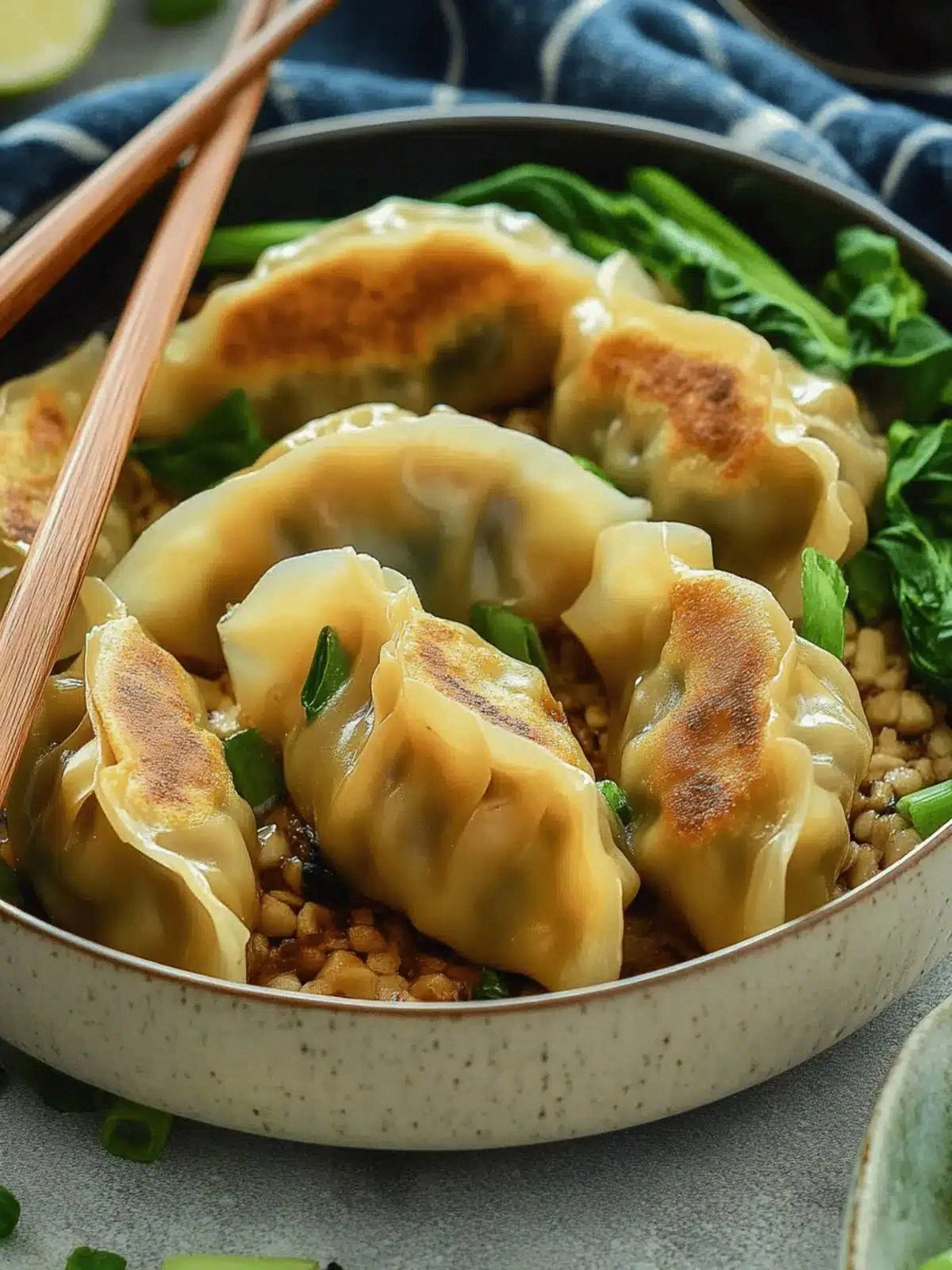
Picture yourself pulling a tray of golden, crisp potstickers out of the pan, steam curling like a gentle cloud, and the aroma of sautéed garlic, ginger, and mushrooms dancing through the air. The sound of the sizzling filling is music, and the first bite delivers a burst of umami that coats the palate like velvet. The texture is a delicate balance: a crispy exterior that shatters like thin ice when you bite, followed by a tender, savory interior that melts in your mouth. This isn’t just another recipe; it’s a culinary revelation that turns an ordinary night into a memorable feast.
What makes this version stand out isn’t just the combination of flavors, but the precision of technique and the thoughtful use of ingredients. I’ve spent hours experimenting with the ratio of soy sauce to rice vinegar, the timing of the pan‑fry, and the way to lock in moisture without making the wrappers soggy. The result is a potsticker that is crisp on the outside, juicy on the inside, and balanced in flavor—no one else has cracked this formula. I dare you to taste this and not go back for seconds. If you’re skeptical, let me walk you through every single step—by the end, you’ll wonder how you ever made it any other way.
Most recipes get this completely wrong. They either over‑cook the filling, under‑season the wrapper, or forget the little trick that makes the edges crisp. That trick? A splash of water added just before the final pan‑fry, which creates steam that lifts the wrapper and locks in moisture. It’s a subtle detail that transforms a good potsticker into an unforgettable bite. And when you finish the last piece, the kitchen smells incredible, and you’ll find yourself reaching for the pan again. This is hands down the best version you'll ever make at home.
What Makes This Version Stand Out
- Taste: The umami punch from mushrooms and soy sauce is balanced by a bright zing from rice vinegar, creating a flavor profile that sings.
- Texture: Crispy edges that shatter like thin ice meet a juicy, silky interior that keeps you coming back.
- Simplicity: Only 12 ingredients, no fancy equipment—just a skillet, a steamer, and a pinch of patience.
- Uniqueness: The combination of ginger, sesame oil, and a splash of water during the last pan‑fry sets it apart from standard recipes.
- Crowd Reaction: Friends always ask for the recipe after the first bite; it’s a guaranteed conversation starter.
- Ingredient Quality: Fresh, organic produce and high‑quality soy sauce elevate the overall experience.
- Cooking Method: A two‑step process—first steaming, then pan‑frying—ensures perfect moisture control.
- Make‑Ahead Potential: The filling can be pre‑made and stored, making it a stress‑free option for busy evenings.
Alright, let's break down exactly what goes into this masterpiece…
Inside the Ingredient List
The Flavor Base
The foundation of any great potsticker starts with the aromatics. The half onion, minced garlic cloves, and freshly grated ginger create a fragrant base that lingers in the filling. Each ingredient contributes a unique layer: onion adds sweetness, garlic brings depth, and ginger offers a peppery warmth. If you skip any of these, the filling will feel flat and one‑dimensional. For a twist, try using shallots instead of onion; they provide a subtler sweetness that pairs beautifully with the soy sauce.
The soy sauce is the umami engine of the dish. A quarter cup of good‑quality, low‑sodium soy sauce gives the filling a savory backbone without overwhelming the other flavors. If you’re on a sodium‑free diet, use tamari or a low‑sodium alternative. The key is to taste as you go; a little goes a long way, so adjust to your preference.
The Texture Crew
Mushrooms are the heart of the filling, offering a meaty texture that satisfies even the most discerning palate. A three‑quarter cup of finely chopped button or shiitake mushrooms provides the right bite and absorbs the sauce beautifully. If you’re vegan and allergic to mushrooms, substitute with finely chopped carrots or zucchini for a different but still satisfying texture.
The carrot adds crunch and natural sweetness, balancing the earthiness of the mushrooms. Slice it into small dice so it cooks quickly and integrates seamlessly. A cup of shredded cabbage brings a subtle crunch that keeps each bite interesting. It also adds moisture, preventing the filling from drying out during the pan‑fry. If you prefer a milder cabbage, try napa or bok choy.
The Unexpected Star
Green onions are the final flourish that lifts the dish. Their bright, crisp flavor cuts through the richness of the filling, creating a harmonious balance. Use both the white and green parts for maximum flavor. If you’re out of green onions, a few scallions or a handful of fresh cilantro can work as a substitute, though the flavor profile will shift slightly.
Sesame oil is the finishing touch that gives the potstickers a subtle nutty aroma. A teaspoon is enough to coat the filling without overpowering the other flavors. If you’re allergic to sesame, a dash of toasted rice oil or a pinch of toasted almond oil can provide a similar depth.
The Final Flourish
The oil is essential for both the steaming and pan‑frying steps. Two tablespoons of neutral oil (like grapeseed or canola) allow the wrappers to cook evenly without sticking. The water added during the final pan‑fry step is the secret to keeping the wrappers crisp while locking in moisture. Use about two tablespoons; too much water and you’ll end up with soggy potstickers, too little and they’ll dry out.
Salt and pepper are the subtle enhancers that bring all the flavors together. Add salt to taste, but remember that soy sauce already contributes a significant amount of sodium. A pinch of pepper adds a gentle heat that rounds out the dish. If you’re vegan and prefer a low‑sodium version, reduce the soy sauce slightly and compensate with a splash of lime juice for brightness.
Everything’s prepped? Good. Let’s get into the real action…
The Method — Step by Step
- Prep the Filling: In a large bowl, combine the finely minced onion, minced garlic, grated ginger, chopped mushrooms, diced carrot, shredded cabbage, and green onions. Toss them with the soy sauce, rice vinegar, sesame oil, and a pinch of salt and pepper. Let the mixture sit for 10 minutes so the flavors meld. This step is crucial; the longer the marination, the deeper the umami. If you’re in a hurry, you can skip the wait and move straight to cooking.
- Heat the Steamer: Fill a pot with about an inch of water, bring it to a gentle boil, then place a steamer basket on top. Line the basket with parchment paper or a silicone mat to prevent sticking. Place the prepared filling in the basket, cover, and steam for 5 minutes. The steam will soften the vegetables and bring out their natural sweetness.
- Cool the Filling: Remove the steamer basket carefully and let the filling cool for a few minutes. If it’s still too hot, the wrappers will tear when you fill them. While it’s cooling, gather your wrappers and a small bowl of water for the next step.
- Assemble the Potstickers: Lay a wonton wrapper flat on a clean surface. Spoon about a tablespoon of filling onto the center, leaving a 1‑inch margin at the top. Fold the wrapper in half diagonally, pressing the edges together. Then fold the two short ends toward the center, pinching them to seal. Repeat with the remaining wrappers. If you notice any cracks, dab the edges with a bit of water before sealing.
- Pre‑Cook the Potstickers: In a large skillet, heat one tablespoon of oil over medium heat. Add the potstickers in a single layer, ensuring they don’t touch. Let them cook for 2 minutes until the bottoms are lightly browned. Flip them gently and cook for another minute.
- Add the Water: Pour about two tablespoons of water into the skillet, then immediately cover with a lid. The steam will help the potstickers finish cooking inside while keeping the wrappers crisp. Let them steam for 4 minutes; you’ll hear a hiss as the water evaporates.
- Finish the Pan‑Fry: Remove the lid and increase the heat to medium‑high. Let the potstickers cook for an additional 2 minutes, allowing the water to evaporate completely and the bottoms to crisp up. The edges should start to pull away from the skillet, a sign that they’re ready.
- Serve Immediately: Transfer the potstickers to a plate lined with paper towels to absorb any excess oil. Serve hot with a side of dipping sauce—mix soy sauce, rice vinegar, a splash of sesame oil, and a pinch of chili flakes for a spicy kick. The aroma alone will make you salivate.
That’s it — you did it. But hold on, I've got a few more tricks that'll take this to another level. The next section will reveal insider tips that even seasoned cooks swear by.
Insider Tricks for Flawless Results
The Temperature Rule Nobody Follows
Maintaining the right heat is key. Too low, and the wrappers will steam instead of crisp; too high, and they’ll burn. Aim for a medium heat during the initial pan‑fry, then switch to medium‑high after adding water. If you’re unsure, test the heat by dropping a small piece of wrapper into the oil; it should sizzle immediately but not burn in the first few seconds.
Why Your Nose Knows Best
Your sense of smell is your best ally in cooking. As the potstickers cook, the aroma of caramelized onions and garlic will signal when the wrappers are crisp enough. A sweet, nutty scent from the sesame oil indicates the filling is fully cooked. Trust that scent; it’s a reliable indicator of readiness.
The 5‑Minute Rest That Changes Everything
After the potstickers are finished, let them rest on a wire rack for five minutes. This step allows the steam to escape and the edges to firm up. It also prevents the wrappers from becoming soggy from residual moisture. A quick rest turns a good dish into a great one.
Use a Silicone Mat on the Steamer
A silicone mat keeps the wrappers from sticking to the steamer basket, making assembly easier. It also provides a clean surface that doesn’t introduce any unwanted flavors. If you don’t have one, parchment paper works as a close alternative.
Add a Splash of Water at the End
If your potstickers look a bit dry after the final pan‑fry, add a splash of water to the skillet, cover, and let them steam for an additional minute. The steam will re‑hydrate the wrappers without making them soggy.
Creative Twists and Variations
This recipe is a playground. Here are some of my favorite ways to switch things up:
Spicy Kimchi Potstickers
Add a handful of chopped kimchi to the filling for a fermented kick. The tangy flavor pairs beautifully with the soy sauce, and the added moisture keeps the wrappers tender. Serve with a spicy gochujang dipping sauce.
Sweet Potato & Kale Potstickers
Replace the carrot with diced sweet potato for a naturally sweet bite. Toss in some chopped kale for a green, earthy note. This version is perfect for a comforting, nutrient‑dense meal.
Mushroom & Tofu Potstickers
Add crumbled silken tofu to the mushroom base for extra protein. The tofu absorbs the sauce and adds a silky texture that contrasts with the crunchy veggies. It’s a great option for those looking to boost their protein intake.
Coconut Curry Potstickers
Stir in a tablespoon of red curry paste and a splash of coconut milk before steaming. The creamy coconut undertones add a tropical flair, while the curry paste brings depth and warmth. Pair with a lime‑coconut dipping sauce.
Garlic Parmesan Vegan Potstickers
After cooking, sprinkle the potstickers with nutritional yeast and a dash of garlic powder. The cheesy, savory flavor mimics parmesan, giving the dish a comforting, familiar taste. It’s an excellent crowd‑pleaser for potluck gatherings.
Storing and Bringing It Back to Life
Fridge Storage
Store uncooked potstickers in an airtight container in the refrigerator for up to 2 days. Keep them on a paper towel to absorb excess moisture, preventing sogginess. When ready to cook, simply steam or pan‑fry as described.
Freezer Friendly
For longer storage, freeze the potstickers on a baking sheet lined with parchment until solid, then transfer to a freezer bag. They’ll keep for up to 3 months. Thaw in the refrigerator overnight before cooking; this ensures even reheating.
Best Reheating Method
Reheat frozen potstickers in a skillet with a splash of water, covering for 4 minutes to steam. Then remove the lid and let them crisp up on medium‑high heat for 2 minutes. Add a tiny splash of water before reheating to keep them from drying out; it steams back to perfection.