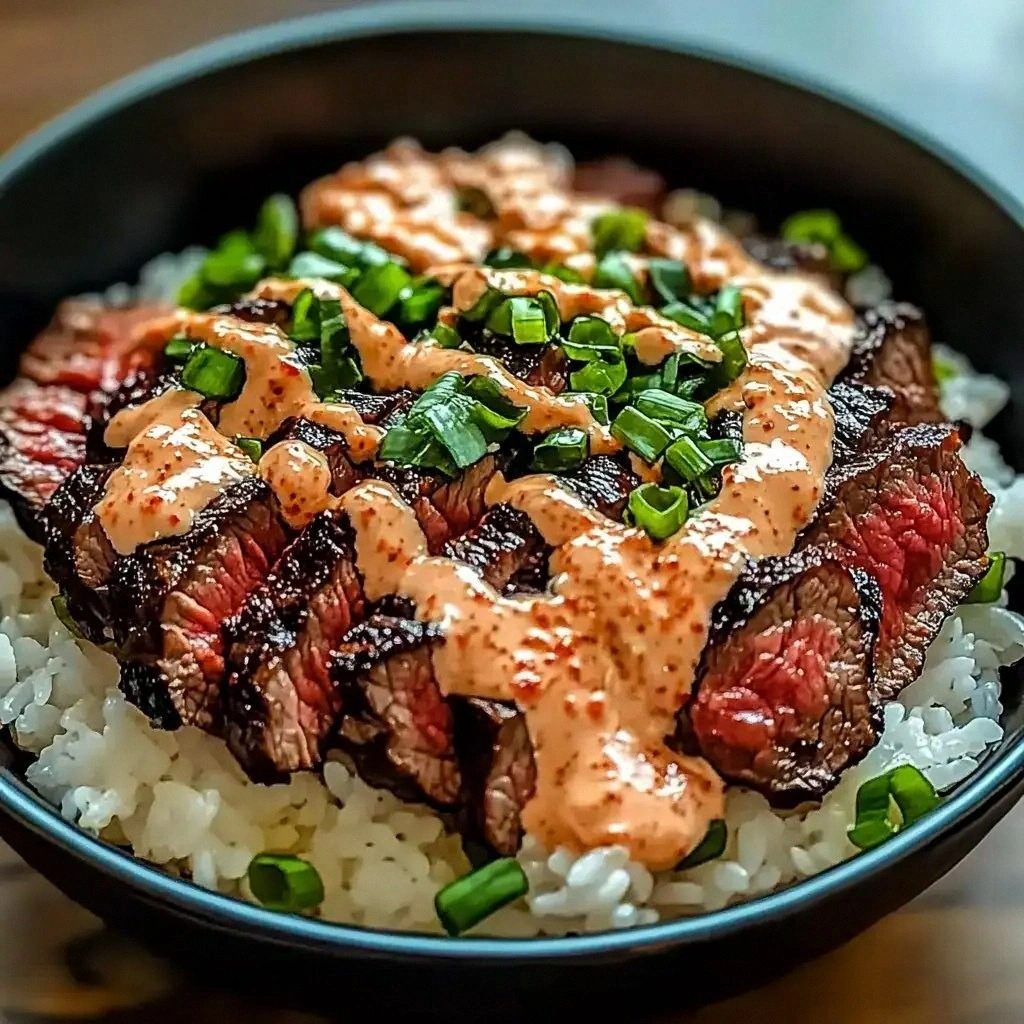
I was standing in my kitchen at 7:43 PM on a Tuesday, staring at a sad collection of leftovers and a half-empty bottle of soy sauce, when my best friend texted me: "I bet you can't make Korean BBQ as good as that place downtown in under 45 minutes." Challenge accepted. What happened next was pure kitchen alchemy that transformed humble ingredients into something so ridiculously delicious that my neighbor knocked on my door asking what smelled so incredible. The sizzle of steak hitting a screaming hot pan, the caramelized edges that crackled like brittle candy, the glossy sauce that clung to every grain of rice like it was holding on for dear life — this wasn't just dinner, this was a flavor explosion that would make even the most stubborn takeout addict convert.
Picture this: tender strips of beef swimming in a marinade so addictive you'll want to bottle it and sell it, nestled over fluffy rice with crisp vegetables that snap between your teeth like autumn leaves. The best part? This isn't some weekend project that requires a culinary degree and three days of prep. This is Tuesday night food that happens to taste like Saturday night indulgence. I dare you to taste this and not go back for seconds — actually, I dare you to even wait for everyone to sit down before you start eating.
Here's what most recipes get completely wrong about Korean BBQ at home: they treat it like some mystical restaurant-only experience that requires special equipment and ingredients you can't pronounce. Wrong, wrong, wrong. After months of testing (and more than a few mediocre attempts that my dog wouldn't even eat), I've cracked the code on restaurant-quality Korean BBQ that you can make with regular grocery store ingredients in the time it takes to stream two episodes of your favorite show. The secret isn't in some expensive cut of meat or fancy equipment — it's in understanding how to build layers of flavor that make your taste buds do a happy dance.
I'm going to show you exactly how to create these Korean BBQ Steak Bowls that will make you question every restaurant version you've ever overpaid for. We're talking about meat so tender it practically melts on your tongue, a sauce that balances sweet, salty, and umami like a culinary tightrope walker, and vegetables that stay crisp and vibrant instead of turning into sad, soggy shadows of their former selves. Picture yourself pulling this out of your kitchen, the whole house smelling like you've got a personal Korean grandmother cooking in your kitchen. Let me walk you through every single step — by the end, you'll wonder how you ever made it any other way.
What Makes This Version Stand Out
Lightning Fast: We're talking 45 minutes from fridge to table, including the time it takes to cook your rice. While your steak is soaking up all those incredible flavors, you can prep everything else and still have time to set the table (or let's be real, stand over the pan stealing pieces of marinated beef).
Flavor Bomb Marinade: Most recipes use a basic soy-garlic mixture that tastes flat and one-dimensional. Our marinade hits every single taste receptor with gochujang for heat, pear for natural sweetness and tenderizing enzymes, and toasted sesame oil that adds nuttiness so deep you'll swear there's actual nuts in there.
Restaurant-Quality Sear: I'll show you the cast-iron skillet method that creates those caramelized edges that crack like crème brûlée, giving you the same results as those fancy Korean BBQ places with the built-in table grills.
Meal Prep Champion: This tastes even better the next day, which means you can make a double batch on Sunday and eat like royalty all week long. The flavors actually marry together overnight in a way that makes each bite more complex than the last.
Budget-Friendly Luxury: Using flank steak instead of ribeye gives you all the beefy flavor at half the price, and our marinade transforms it into something so tender you'll swear it cost three times more than it actually did.
Vegetable Versatility: The same technique works with whatever vegetables you have lurking in your crisper drawer. Broccoli, bell peppers, zucchini, snap peas — they all become vehicles for that incredible sauce.
Family-Tested Crowd Pleaser: I've served this to picky kids, spice-averse grandparents, and everything in between. The heat level is completely customizable, and there's something about that sweet-savory glaze that makes even the most stubborn eaters clean their plates.
Alright, let's break down exactly what goes into this masterpiece...
Inside the Ingredient List
The Flavor Foundation
The magic starts with gochujang, that fermented Korean chili paste that's like ketchup's sophisticated cousin who studied abroad and came back with stories. Don't you dare substitute sriracha here — gochujang brings this funky, fermented depth that makes the sauce taste like it's been aging in clay pots for months, even though you just stirred it together. The pear isn't just for sweetness; it's nature's meat tenderizer, packed with enzymes that break down tough muscle fibers while adding this subtle floral note that makes people ask "what's that amazing flavor I can't quite place?"
Soy sauce forms the umami backbone, but not all soy sauces are created equal. Grab the good stuff from the Asian aisle — it should be dark and syrupy, not watery like that generic bottle that's been in your fridge since college. The difference is like comparing instant coffee to a perfectly pulled espresso shot. And that toasted sesame oil? It should smell so fragrant that you want to dab it behind your ears. If your sesame oil doesn't make you close your eyes and sigh, it's time to buy a new bottle.
The Texture Crew
Flank steak is the unsung hero of weeknight cooking — it's affordable, widely available, and when sliced against the grain (seriously, don't skip this step unless you enjoy chewing like a cow), it becomes fork-tender in minutes. The key is cutting it thin enough that you can almost see through it, but not so thin that it falls apart when you try to flip it. Think bacon thickness, but with better manners and more protein.
Jasmine rice isn't just a neutral base — it's a flavor sponge that soaks up all those incredible sauces while staying fluffy and separate, never gummy or clumpy. Rinse it until the water runs clear; those extra two minutes remove excess starch that would otherwise turn your beautiful bowl into gluey paste. And here's the thing nobody tells you: add a pinch of salt and a splash of vinegar to the cooking water. The salt seasons from within, while the vinegar keeps each grain distinct and prevents that sad, mushy texture that makes people hate rice.
The Unexpected Star
Kimchi juice — yes, the liquid from your jar of kimchi — is the secret weapon that makes people unable to stop eating. It's like liquid umami gold, already perfectly seasoned and fermented, with just enough funk to make things interesting without sending sensitive eaters running. Don't have kimchi juice? The liquid from pickled ginger works in a pinch, but then you'll miss out on that probiotic tang that makes your gut sing.
Rice vinegar provides the acid balance that makes all the other flavors pop like popcorn, while honey adds this glossy sheen that makes the sauce look like liquid amber jewelry. The combination creates this sweet-tart balance that keeps you coming back for "just one more bite" until suddenly the bowl is empty and you're licking the spoon like a shameless animal.
The Final Flourish
Scallions aren't just garnish here — they provide these bright, oniony pops that cut through the richness like a knife through butter. Slice them on the bias for maximum surface area, which sounds fancy but just means cutting them at a 45-degree angle so they look professional and release more flavor. The white parts go into the marinade for their sharp bite, while the green parts get sprinkled on top for color and that fresh, grassy note that makes the whole bowl taste alive.
Toasted sesame seeds add this nutty crunch that makes each bite texturally interesting, while fresh cilantro (if you're not one of those genetic cilantro-haters) brings this bright, citrusy note that makes the whole bowl sing. And that final drizzle of sesame oil right before serving? It's like perfume for your food — aromatic, luxurious, and completely transformative.
Everything's prepped? Good. Let's get into the real action...
The Method — Step by Step
- Pop your flank steak in the freezer for exactly 20 minutes — set a timer because this is science, not suggestion. When it's firm but not frozen solid, slice it against the grain at a 45-degree angle into pieces about 1/4-inch thick. They should look like tiny beef postcards, each one showing beautiful cross-sections of the grain pattern. If you've never sliced against the grain before, you're about to have your mind blown by how tender cheap beef can become.
- Whisk together your marinade: 3 tablespoons gochujang, 2 tablespoons soy sauce, 1 tablespoon grated pear (or Asian pear if you can find it), 2 teaspoons honey, 1 tablespoon rice vinegar, 2 teaspoons toasted sesame oil, 3 minced garlic cloves, and 1 teaspoon grated ginger. It should look like glossy chocolate sauce and smell like heaven's pantry. Taste it — yes, right now with a clean spoon — and prepare for your eyes to roll back in your head from the flavor explosion.
- Toss the sliced steak with the marinade until every piece is coated like it's wearing a shiny red coat. Use your hands — yes, they get messy, but you can wash them later. Massage it like you're trying to work out the stress knots in the beef's shoulders. Cover and let it sit while you prep everything else, or up to 24 hours if you're thinking ahead. The longer it sits, the more flavor it absorbs, but even 15 minutes while you chop vegetables makes a noticeable difference.
- Start your rice by rinsing 1 cup of jasmine rice in cold water until the water runs clear — this takes about 2 minutes of gentle swirling and draining. Add the rice to a pot with 2 cups water, a pinch of salt, and a splash of rice vinegar. Bring to a boil, then reduce to low, cover, and simmer for 15 minutes. Remove from heat and let it sit covered for another 5 minutes. This resting time is crucial — it's when the rice finishes steaming and becomes perfectly fluffy instead of wet and sad.
- Heat your cast-iron skillet over high heat until it starts to smoke — and I mean really smoke, not just a gentle wisp. Add 1 tablespoon neutral oil (canola, vegetable, or grapeseed), then immediately add half the marinated beef in a single layer. Don't crowd the pan or you'll steam instead of sear, and nobody wants steamed beef. Let it cook undisturbed for 2 minutes until the bottom gets those gorgeous caramelized edges that look like dark amber lace.
- Flip each piece individually with tongs — yes, it's tedious, but each piece deserves individual attention here. Cook for another 1-2 minutes until the other side develops the same beautiful crust. The sauce will start to thicken and glaze the beef like shiny red candy. Remove to a plate and repeat with the remaining beef, adding more oil if the pan looks dry.
- While the beef rests (those juices need to redistribute or they'll run all over your rice like a crime scene), quickly stir-fry your vegetables. I like a mix of julienned carrots, thinly sliced bell peppers, and snap peas, but use whatever's in your crisper drawer. The key is cutting them thin so they cook in 2-3 minutes while staying crisp and vibrant. They should still have bite — nobody wants mushy vegetables in their Korean bowl.
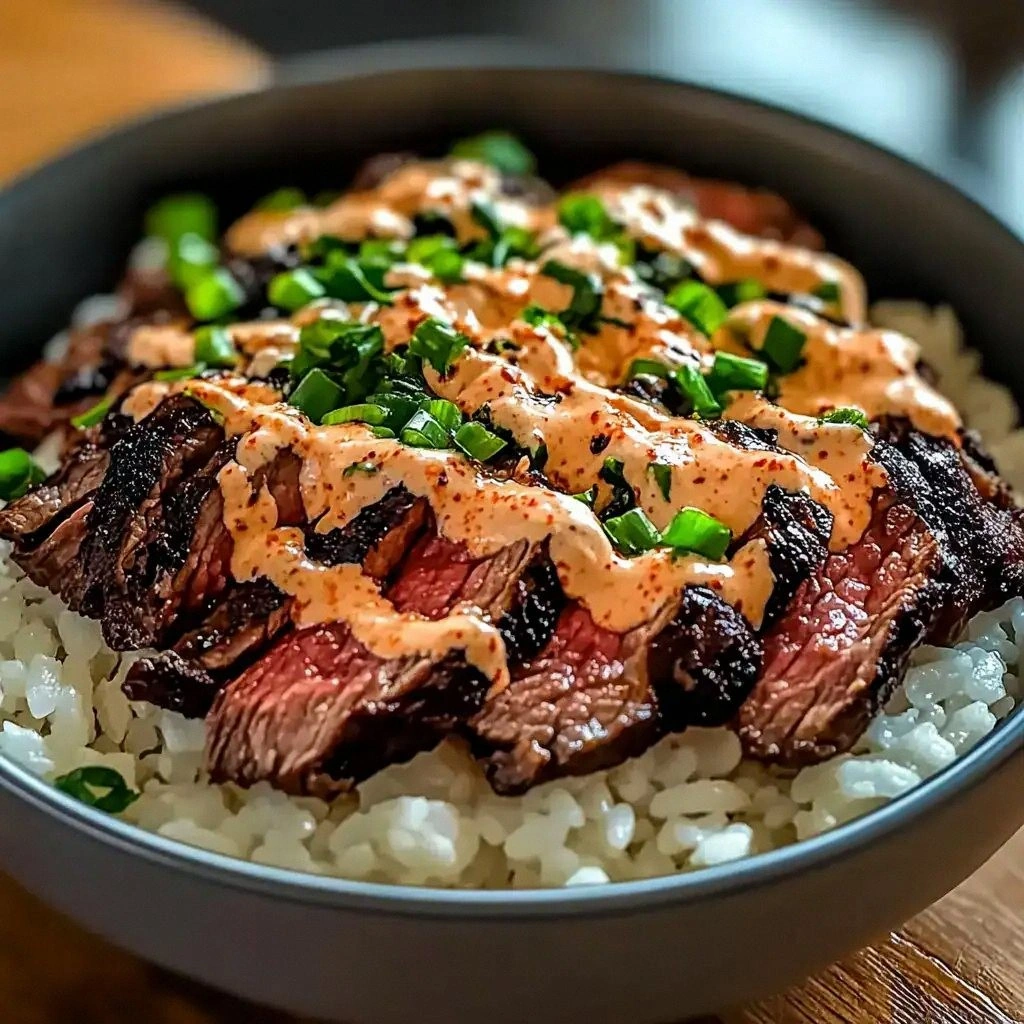
- Assemble your bowls by fluffing the rice with a fork (never stir with a spoon unless you want rice paste), creating a fluffy bed that will soak up all those incredible sauces. Arrange the beef on top like you're creating a meat mandala, then scatter the vegetables around like edible confetti. Drizzle with the pan juices — yes, all of them, they're liquid gold — then sprinkle with scallions, sesame seeds, and cilantro if you're using it.
That's it — you did it. But hold on, I've got a few more tricks that'll take this to another level...
Insider Tricks for Flawless Results
The Temperature Rule Nobody Follows
Your pan needs to be screaming hot — I'm talking "set off your smoke alarm" hot — but your beef needs to be cold from the fridge. This temperature differential is what creates that incredible crust while keeping the inside tender and juicy. If your beef is room temperature, it'll overcook before it develops that beautiful caramelization. I learned this the hard way after serving what tasted like beef jerky to my in-laws, who politely chewed and nodded while reaching for water.
Why Your Nose Knows Best
The moment you smell nutty, toasty sesame oil, your beef is perfectly cooked. This happens right before it starts to burn, so trust your nose and remove it immediately. If you wait until it looks done, you've waited too long — carryover cooking will finish the job while it rests. My grandmother used to say "cook with your nose, not your eyes" and she was right about more things than I care to admit.
The 5-Minute Rest That Changes Everything
Let your cooked beef rest on a wire rack, not a plate. A plate traps steam and makes the bottom soggy, while a rack allows air circulation that keeps every surface crispy. Five minutes is all it takes for the juices to redistribute, turning what could be dry beef into succulent, tender pieces that burst with flavor when you bite into them. I know it's tempting to dig in immediately, but good things come to those who wait (and those who don't want to burn their tongues on molten-hot beef).
The Double Marination Method
Reserve 2 tablespoons of your marinade before adding the beef, then brush it on during the last minute of cooking for an extra layer of glossy, sticky sauce that clings to every piece like edible jewelry. This creates that restaurant-quality shine that makes people think you ordered takeout from the fancy Korean place downtown.
The Rice Ratio Revolution
For every cup of rice, add 1 tablespoon of vinegar to the cooking water — it keeps the grains separate and prevents that gummy texture that makes people think they don't like rice. This trick works for any rice dish and will convert even the most stubborn rice skeptics. My rice-hating husband now requests this specific rice, which proves that miracles do happen in the kitchen.
Creative Twists and Variations
This recipe is a playground. Here are some of my favorite ways to switch things up:
The Low-Carb Lettuce Wrap Version
Skip the rice and serve everything in crisp butter lettuce cups with extra vegetables and a sprinkle of crushed peanuts for crunch. The cool, crisp lettuce against the hot, saucy beef creates this temperature contrast that's absolutely addictive. Add a dollop of kimchi on top for probiotic goodness and an extra layer of funky flavor that makes each bite more complex than the last.
The Vegetarian Mushroom Makeover
Swap the steak for portobello mushrooms sliced thick and marinated the same way — they'll absorb all those incredible flavors and develop a meaty texture that satisfies even the most devoted carnivores. The key is to press them first to remove excess moisture, then sear them hard until the edges get crispy and caramelized. Even my steak-loving father asked for seconds, which is basically the Nobel Prize of cooking.
The Breakfast Bowl That Changes Everything
Add a fried egg with a runny yolk that becomes a silky sauce when you break it over the hot beef and rice. The combination of savory beef, creamy yolk, and slightly crispy rice bottom (called nurungji in Korean) creates this breakfast-for-dinner situation that'll make you question why you ever ate cereal for supper. Top with a squirt of sriracha and you've got hangover food that actually tastes good.
The Fusion Taco Tuesday
Pile everything into warm corn tortillas with a quick slaw of shredded cabbage, cilantro, and lime juice. The Korean-Mexican fusion isn't just trendy — it's a match made in culinary heaven that balances spicy, tangy, and savory in every bite. Add some pickled jalapeños for heat and a drizzle of the pan juices for maximum flavor impact that'll make you wonder why all tacos don't taste like this.
The Cold Noodle Summer Version
Serve the hot beef over cold soba noodles with julienned cucumbers and a sesame-lime dressing for a refreshing summer meal that hits every note. The temperature contrast between hot beef and cold noodles creates this refreshing quality that makes it perfect for sweltering days when you want something satisfying but not heavy. Add some crushed roasted peanuts for texture and you've got a meal that tastes like summer in Seoul.
The Kid-Friendly Mild Makeover
Replace the gochujang with 2 tablespoons brown sugar and 1 tablespoon mild chili powder for a sweeter, gentler version that kids devour while still maintaining that Korean BBQ essence. The result tastes like beef candy in the best possible way — my nephew calls it "special beef" and requests it every time he visits, which is basically the highest compliment a six-year-old can give.
Storing and Bringing It Back to Life
Fridge Storage
Store components separately in airtight containers — the beef will keep for up to 4 days, rice for 5 days, and vegetables for 3 days. This prevents the rice from absorbing all the sauce and turning into a mushy mess that makes you sad when you open the container. Always cool everything completely before refrigerating, or you'll create condensation that waters down all your hard work and makes everything taste like disappointment.
Freezer Friendly
The marinated, uncooked beef freezes beautifully for up to 3 months — just thaw overnight in the fridge and cook as directed. Cooked beef can be frozen too, but it loses some of that fresh-cooked magic and develops a slightly chewier texture that, while still delicious, isn't quite the same as freshly made. Freeze in single-serving portions so you can pull out exactly what you need for a quick lunch that tastes like you planned ahead (even if you didn't).
Best Reheating Method
Add a tiny splash of water to the beef before microwaving — it steams back to life instead of turning into rubbery jerky that makes you question your life choices. For the rice, sprinkle with water, cover with a damp paper towel, and microwave for 30-second intervals, fluffing between each round. This creates steam that revives the rice instead of drying it out into those sad, hard pellets that no amount of sauce can save.