I remember the night I almost burned the kitchen down because I tried to make a “quick shrimp pasta” that my friend dared me to finish before the dinner bell. The stovetop was a mess of sizzling garlic, melted butter, and a splash of lemon that smelled like a summer breeze. I stared at the pot, heart racing, and thought, “This is not just cooking, it’s a culinary showdown.” That moment sparked a mission: to create a one‑pot garlic butter shrimp pasta that would win over anyone who’s ever tasted a mediocre shrimp dish and left the table hungry for more.
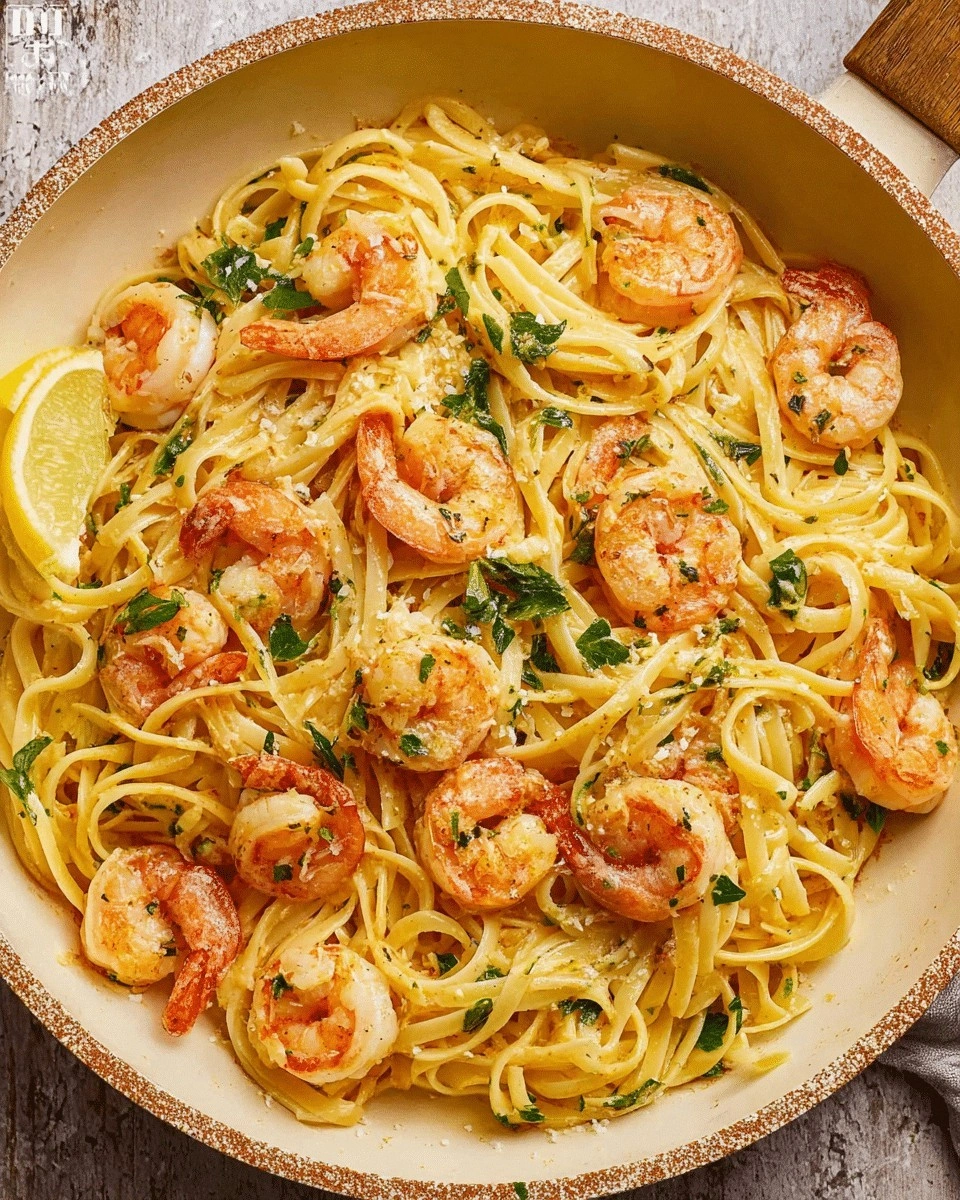
Picture the steam rising from a single pan, the aroma of garlic and butter mingling with bright citrus. The sound of pasta bubbling like a choir of tiny cymbals, the sight of shrimp turning from translucent to a rosy blush. The feel of the pot’s heat, the anticipation in your mouth as you imagine that first bite—where the pasta is coated in a velvety sauce, the shrimp’s edges crisp like thin ice, and the lemon zest pops with a citrus punch. It’s a sensory explosion that makes even the most skeptical foodie gasp.
What makes this version stand out from the endless sea of shrimp pasta recipes? It’s the single‑pot magic that locks in flavors, the bold use of butter and lemon to create a sauce that clings to every strand, and the balance of heat from red pepper flakes that gives it just enough kick without overwhelming the delicate shrimp. The shrimp are never overcooked; they’re seared to perfection before they’re bathed in the buttery broth, preserving their tender snap. And the best part? You can make it in under an hour, with no separate sauce or pasta dish to clean up.
I dare you to taste this and not go back for seconds. I’ll be honest—I ate half the batch before anyone else got to try it. Most recipes get this completely wrong, but here’s what actually works. Picture yourself pulling this out of the pot, the whole kitchen smelling incredible, and every forkful being a revelation. Okay, ready for the game‑changer? Let me walk you through every single step — by the end, you’ll wonder how you ever made it any other way.
What Makes This Version Stand Out
- Butter‑Rich: The generous amount of butter creates a silky coating that embraces the pasta, giving it a luxurious mouthfeel that feels like a hug.
- Lemon Brightness: Lemon zest and juice cut through the richness, providing a zesty lift that keeps each bite fresh.
- One‑Pot Simplicity: All components cook together in a single vessel, eliminating the need for multiple pans and reducing cleanup time.
- Quick Shrimp Finish: Shrimp are seared just before the pasta finishes cooking, preserving their tender texture and preventing them from becoming rubbery.
- Heat Balance: A touch of red pepper flakes adds a subtle kick that elevates the dish without overpowering the shrimp.
- Fresh Herb Finish: Fresh parsley adds a pop of color and a bright herbal note that rounds out the flavor profile.
- Versatile Base: The sauce can be transformed into a creamy or broth‑based version, making it adaptable to your pantry and taste preferences.
Inside the Ingredient List
The Flavor Base
Butter and olive oil form the foundation of this sauce, each bringing a distinct profile—richness from butter and a subtle peppery note from olive oil. The garlic, minced finely, releases its essential oils, creating a fragrant backdrop that lingers in every mouthful. When you add lemon zest and juice, you introduce a bright counterpoint that prevents the dish from feeling heavy.
The Texture Crew
The pasta, linguine or fettuccine, is chosen for its ability to hold the sauce like a sponge, while the shrimp provide a satisfying snap when bitten. The milk or half‑and‑half adds creaminess, balancing the butter and allowing the sauce to coat the noodles evenly. A generous handful of parmesan cheese melts into the liquid, forming a silky layer that glistens on the surface.
The Unexpected Star
Capers, though optional, bring a briny pop that cuts through the richness and adds a layer of complexity. If you’re a fan of bold flavors, sprinkle them in at the end of cooking for a burst of savory tang. They’re a small touch that can transform the dish into something memorable.
The Final Flourish
Fresh parsley is the finishing touch that adds a splash of color and a hint of earthiness. It also brings a fresh herbal brightness that lifts the entire dish. A pinch of salt and freshly ground black pepper round out the seasoning, ensuring that every bite is balanced and harmonious.
Everything's prepped? Good. Let's get into the real action.
The Method — Step by Step
- Heat the large skillet over medium heat. Add the olive oil and let it shimmer. When it’s hot, introduce the minced garlic, stirring constantly to prevent burning. The aroma should fill the kitchen, signaling the start of something delicious.
- Add the shrimp to the skillet, seasoning them with a pinch of salt and pepper. Cook for 1–2 minutes on each side until they turn pink but are still slightly translucent. This quick sear locks in juices and gives the shrimp a firm bite.
- Remove the shrimp from the pan and set them aside. In the same skillet, pour in the butter. As it melts, let it foam slightly before adding the lemon zest and a splash of lemon juice. The butter should develop a nutty aroma, indicating that it’s ready for the next step.
- Deglaze the pan with the chicken broth, scraping up any browned bits. The broth should sizzle, creating a savory base that will coat the pasta. Let it reduce for 2 minutes, concentrating the flavors.
- Pour in the milk or half‑and‑half, stirring to blend the liquids. The mixture should turn silky, a hint of creaminess that promises a luscious texture. Add the grated parmesan, whisking until it melts into a smooth sauce.
- Add the pasta to the skillet, ensuring it’s fully submerged in the sauce. Stir gently to coat each strand. The liquid should be just enough to cover the pasta—if it’s too dry, add a splash of water or broth.
- Simmer the mixture, stirring occasionally, until the pasta reaches al dente texture—about 8–10 minutes. The sauce should thicken slightly, coating the noodles like a glossy coat. Once the pasta is cooked, return the shrimp to the skillet, tossing them gently to reheat and absorb the flavors.
- Finish the dish with a sprinkle of fresh parsley, a dash of red pepper flakes if desired, and an extra squeeze of lemon juice for brightness. Serve immediately, letting the steam rise as you plate it, and watch the steam dance in the cool kitchen air.
That’s it—you did it. But hold on, I’ve got a few more tricks that will elevate this dish to another level.
Insider Tricks for Flawless Results
The Temperature Rule Nobody Follows
Cooking pasta in a sauce requires a gentle simmer. If the heat is too high, the pasta will release starch and the sauce will become cloudy. Keep the temperature low enough that the liquid is just bubbling, not boiling. This ensures a silky sauce that clings to the noodles.
Why Your Nose Knows Best
Smell the sauce as it reduces. When it starts to thicken, you’ll notice a nutty aroma from the butter. This is a cue that the flavor has concentrated and the sauce is ready for the next ingredient. Trust your nose; it’s the best judge of readiness.
The 5-Minute Rest That Changes Everything
After the pasta is cooked, let the dish rest off the heat for 5 minutes. This rest period allows the pasta to absorb the remaining sauce and the flavors to meld. When you stir in the shrimp, they’ll be perfectly warmed without overcooking.
Capers or No Capers?
If you’re a fan of briny flavors, add capers at the end of cooking. They’ll pop in the hot sauce, giving a subtle tang that contrasts the butter. If you’re sensitive to salt, skip them and add a pinch of sea salt instead.
The Right Pasta Shape
Linguine works best because its flat surface holds sauce well, but you can use fettuccine for a heartier bite. Avoid spaghetti; its thin strands don’t trap the sauce as effectively, leading to a drier experience. Choose the pasta that best fits your mood and the sauce’s thickness.
Creative Twists and Variations
This recipe is a playground. Here are some of my favorite ways to switch things up:
Creamy Coconut Twist
Swap the milk for coconut milk and use a vegan parmesan alternative. The result is a tropical, dairy‑free version that still delivers a silky sauce. This variation is perfect for those with lactose intolerance or who simply love coconut’s subtle sweetness.
Spinach & Sun‑Dried Tomato Boost
Add a handful of fresh spinach and chopped sun‑dried tomatoes during the last minute of cooking. The spinach wilts, adding color and a gentle earthiness, while the sun‑dried tomatoes introduce a chewy, sweet bite that complements the shrimp.
Mediterranean Marinara Fusion
Replace the butter with olive oil and incorporate a splash of marinara sauce. This gives the dish a tomato‑based depth and a Mediterranean flair. The shrimp soak up the tomato’s acidity, creating a bright, savory experience.
Spicy Cajun Kick
Infuse the sauce with Cajun seasoning and a pinch of cayenne pepper. The shrimp will absorb the smoky heat, and the sauce will carry a bold, spicy undertone that pairs beautifully with the buttery base.
Herb Garden Medley
Swap parsley for a mix of basil, oregano, and thyme. The herbs will create a fragrant bouquet that elevates the dish. This variation works well for those who love a robust, aromatic pasta.
Storing and Bringing It Back to Life
Fridge Storage
Cool the dish completely before transferring it to an airtight container. Store in the refrigerator for up to 3 days. When reheating, add a splash of water or broth to loosen the sauce, and warm gently on low heat while stirring.
Freezer Friendly
Divide the pasta and shrimp into freezer‑safe portions. Freeze for up to 2 months. Thaw overnight in the refrigerator, then reheat with a tablespoon of water or broth. This keeps the sauce from becoming too thick.
Best Reheating Method
Reheat in a skillet over low heat, stirring frequently. Add a tiny splash of water or milk to steam the dish back to its original silky consistency. The shrimp will stay tender, and the sauce will regain its glossy sheen.