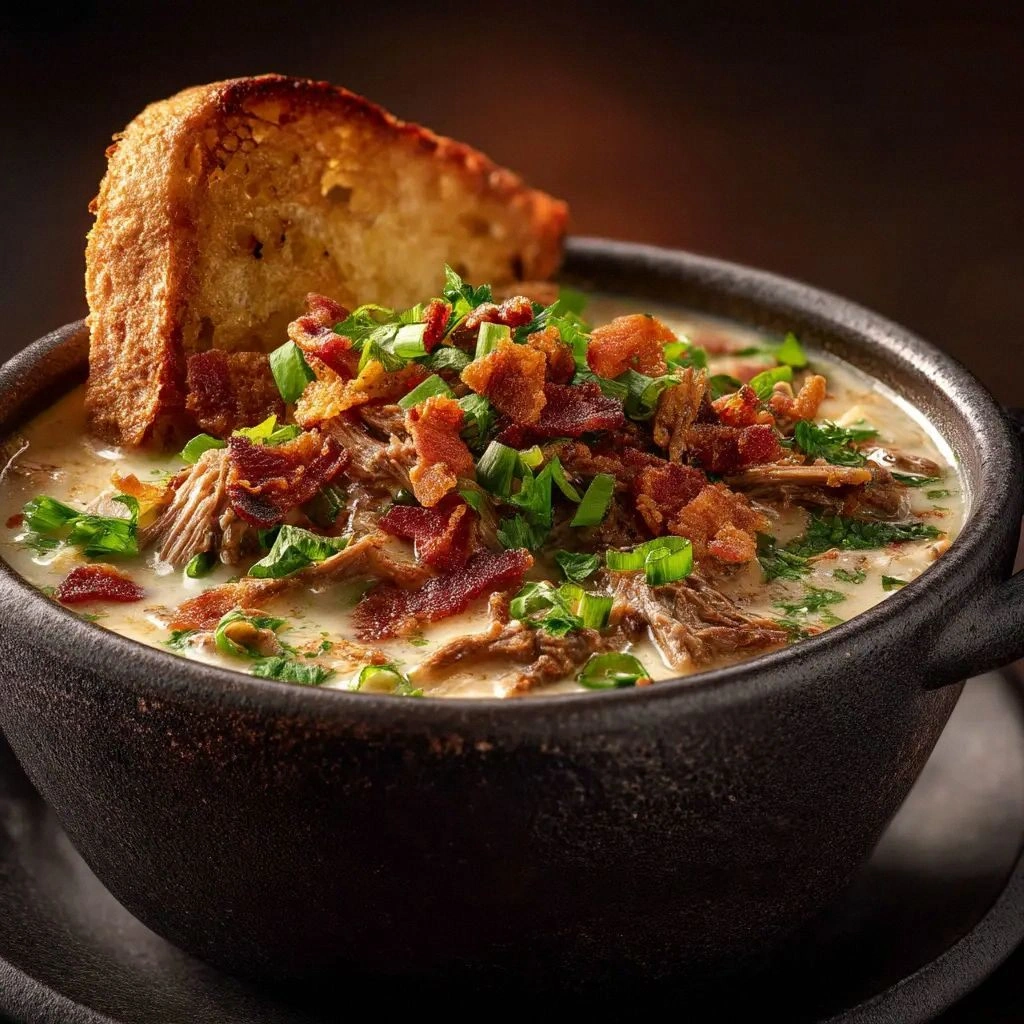
I was halfway through a midnight snack, the fridge empty, when I realized my pantry was a sad, lonely place. The only thing left to salvage was a half‑sized bag of flour and a stack of frozen veggies that looked like they’d survived a minor apocalypse. I stared at the empty counter, wondering if I could turn this culinary limbo into something that would make my taste buds sing. Then, like a light bulb flickering in the dark, I remembered the Philly cheesesteak I’d devoured at a roadside diner on a rainy night. That memory sparked a daring idea: what if I could capture that sandwich’s heart in a soup?
The moment the steak hit the pan, a sizzling chorus erupted, announcing the beginning of a flavor revolution. The aroma of browned beef mingled with the sharp tang of bell pepper, and my kitchen suddenly smelled like a cozy, smoky deli. As the onions caramelized, their sweetness coated the air, turning every breath into a promise of comfort. I could hear the gentle hiss of garlic as it released its earthy perfume, a cue that the base was forming. The sound of butter melting in the oil was music, a prelude to the creamy crescendo that was about to arrive.
This version of Philly cheesesteak soup is hands down the best you’ll ever make at home because it marries the boldness of a sandwich with the soothing depth of a broth. I’ve stripped away the gimmicks, using only fresh, high‑quality ingredients that let each component shine. The result is a silky, velvety sauce that coats the noodles like a buttery blanket, while the steak remains tender and juicy. The addition of cream cheese and provolone creates a melty, gooey texture that feels like a hug in a bowl. I dare you to taste this and not go back for seconds.
Most recipes get this completely wrong by over‑cooking the meat or under‑seasoning the broth, but I’ve found the sweet spot that balances richness with brightness. Picture yourself pulling this out of the pot, the whole kitchen smelling incredible, and a bowl of steaming comfort waiting at the table. Okay, ready for the game‑changer? Let me walk you through every single step — by the end, you’ll wonder how you ever made it any other way.
What Makes This Version Stand Out
- Boldness: The beef is seared to a caramelized crust before simmering, locking in savory juices that elevate every spoonful. This technique gives the soup a depth that mimics the hearty bite of a cheesesteak. The result is a robust flavor profile that feels both familiar and adventurous.
- Texture: The thinly sliced steak stays tender yet retains a slight chew, reminiscent of a well‑cooked steak sandwich. The onions and peppers soften to a silky consistency, creating a harmony of textures. The cream cheese and provolone melt into a luscious sauce that coats the noodles like velvet.
- Simplicity: All steps can be completed in under an hour, making it a perfect weeknight dinner. No elaborate sauces or hidden ingredients—just quality staples and a few clever techniques. The result is a comforting bowl that feels like a gourmet meal without the fuss.
- Crowd‑pleaser: Friends who’ve never tried Philly will be blown away by the familiar flavors in a new form. It’s a conversation starter at dinner parties, and the leftovers taste even better the next day. The soup’s richness makes it a hit with both kids and adults.
- Ingredient Quality: Choosing a lean, well‑marbled ribeye ensures the meat stays juicy and flavorful. Fresh bell peppers and onions add bright, natural sweetness that cuts through the richness. Using real provolone instead of processed cheese elevates the melt and taste.
- Make‑ahead Potential: The soup keeps well in the fridge for up to five days, and it freezes beautifully. Reheating it simply requires a gentle simmer, and it tastes as good as new. This makes it a reliable go‑to for busy schedules and meal‑prep enthusiasts.
Inside the Ingredient List
The Flavor Base
The foundation of this soup is a savory broth that carries the essence of a Philly cheesesteak. The beef broth provides a meaty backbone, while the Worcestershire sauce injects umami and a subtle tang that brightens the entire dish. If you skip the Worcestershire sauce, the soup will taste flat and lack that signature depth. For those who prefer a vegetarian broth, a high‑quality vegetable stock will work, but you’ll need to add a splash of soy sauce or tamari to replicate the savory bite.
Olive oil and unsalted butter combine to create a rich, buttery base that supports the caramelization of the aromatics. The butter adds a luxurious mouthfeel, while the oil allows the steak to sear at a higher temperature without burning. If you’re watching your fat intake, you can reduce the butter to 1 tablespoon and increase the oil slightly; the flavor will remain robust. Choosing a cold, high‑smoke‑point oil is essential to avoid a burnt aftertaste.
Onions and bell peppers are the sweet, crunchy companions that bring color and texture. Their natural sugars caramelize, forming a sweet counterpoint to the savory steak. Skipping the peppers will make the soup less vibrant, and the onions will become the sole source of sweetness. For a smoky twist, try adding a teaspoon of smoked paprika to the onions as they cook.
Garlic is the aromatic backbone that ties everything together. Its sharpness cuts through the richness of the cream cheese and provolone, providing a clean finish. If you’re sensitive to garlic, reduce it to two cloves and increase the onion quantity slightly to maintain flavor balance. A pinch of red pepper flakes can add a subtle heat that elevates the dish.
The Texture Crew
The ribeye steak is the star of the show, delivering a tender, juicy bite that mirrors the classic sandwich. Slicing the steak thinly against the grain ensures it remains tender during the simmering process. If you use a leaner cut, such as sirloin, the soup may become dry; adding a tablespoon of beef stock or a splash of red wine during searing can help keep the meat moist.
Cream cheese provides a creamy, velvety body that balances the richness of the broth. It also thickens the sauce without the need for additional flour. If you’re lactose intolerant, a dairy‑free cream cheese made from coconut or cashews will work, though the flavor will shift slightly. The key is to add it gradually, whisking constantly to avoid lumps.
Provolone cheese melts into a silky sauce that adds a sharp, nutty finish. It also gives the soup a gooey, satisfying texture reminiscent of a melted sandwich. For a sharper flavor, consider using a smoked provolone or a blend of provolone and mozzarella. The cheese should be added at the end of cooking to prevent it from breaking apart.
The Unexpected Star
The flour used to create a roux is a subtle but essential player in achieving the soup’s silky consistency. It thickens the broth and gives it body, preventing the sauce from feeling watery. If you omit the flour, the soup will be thin and lack depth; you can replace it with a cornstarch slurry, but the flavor will differ slightly.
Adding a splash of Worcestershire sauce after the roux forms brings a layer of complexity that is often missing in homemade soups. It offers a hint of anchovy, molasses, and vinegar that balances the richness of the cheeses. If you’re vegan or allergic, a dash of soy sauce or tamari can emulate the umami, but be careful not to overdo it.
The Final Flourish
Seasoning is the final touch that ties everything together. Salt and pepper should be added in stages: a pinch before searing the steak, a touch in the broth, and a final adjustment before serving. Over‑salted broth can overwhelm the delicate flavors, while under‑seasoned soup will taste bland. Taste as you go, and remember that the cheeses will bring their own saltiness.
Everything's prepped? Good. Let's get into the real action...
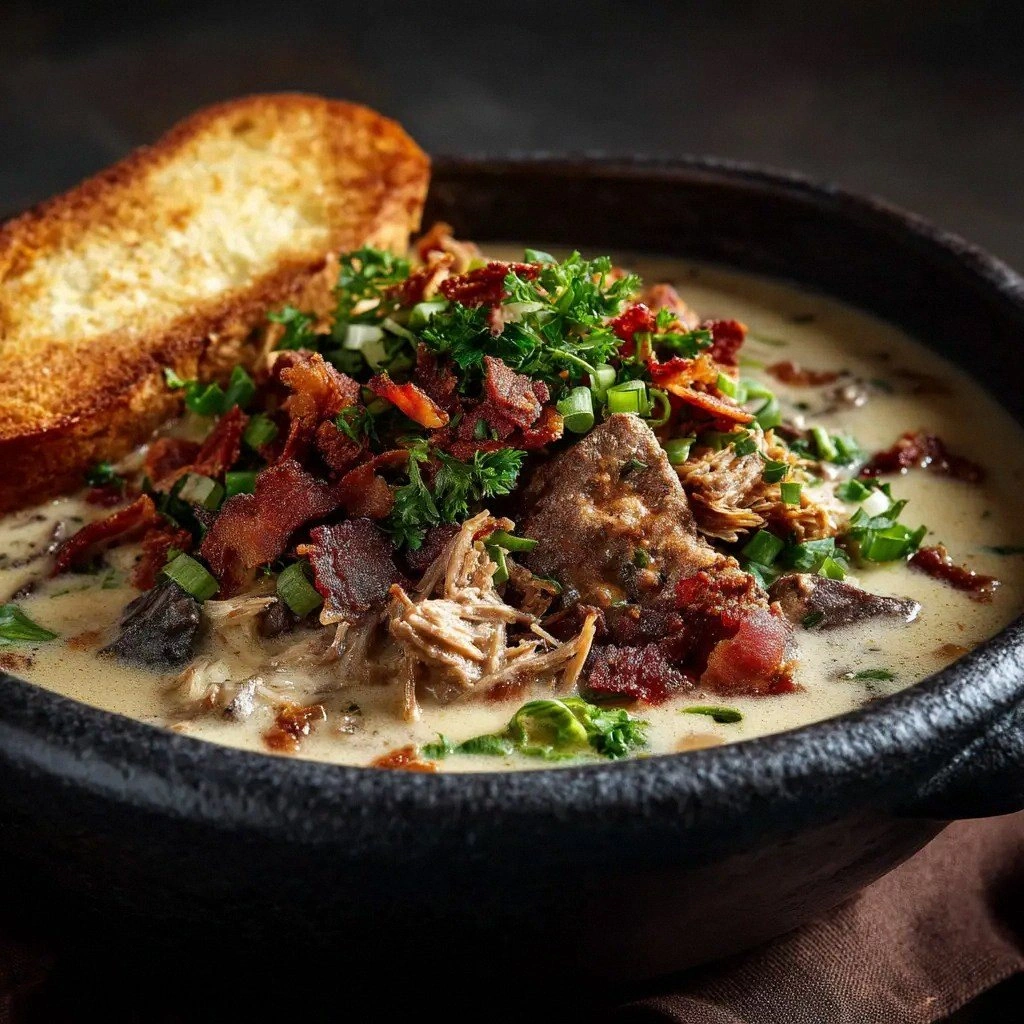
The Method — Step by Step
- Trim the ribeye steak, removing any excess fat, then slice it thinly against the grain. Season the slices lightly with salt and pepper to enhance the natural flavor. Heat a large stockpot over medium‑high heat and add the olive oil. Once the oil shimmers, add the steak in a single layer, letting it sear without crowding. Watch the steak develop a caramelized crust; this locks in juices and builds a savory foundation.
- Remove the seared steak and set it aside. In the same pot, melt the unsalted butter over medium heat, allowing it to foam before adding the diced yellow onion and sliced green bell peppers. Sauté until the vegetables soften and begin to caramelize, about 5–7 minutes. The onions should turn translucent and fragrant, while the peppers soften into a sweet, tender texture that complements the beef.
- Add the minced garlic to the pot, stirring constantly to prevent burning. Let the garlic toast for 30 seconds, releasing a warm, earthy aroma that signals the base is ready. Sprinkle the 1/4 cup of all‑purpose flour over the vegetables, stirring vigorously to create a smooth roux. This step thickens the soup and creates a silky mouthfeel.
- Whisk in the 4 cups of beef broth, ensuring the mixture is smooth and free of lumps. Bring the broth to a gentle simmer, letting the flavors meld for 10 minutes. The roux will absorb the liquid, thickening the broth into a rich, velvety consistency. Taste and adjust seasoning with a pinch of salt if needed.
- Return the seared steak to the pot, along with the Worcestershire sauce. Stir to combine and allow the soup to simmer for an additional 5 minutes, letting the steak reheat without drying out. The broth should develop a deep, savory aroma that makes your mouth water.
- Lower the heat to medium and stir in the 8 oz of cream cheese, allowing it to melt completely before adding the provolone. Keep stirring until the cheeses blend into a smooth, glossy sauce that coats the back of a spoon. If the sauce feels too thick, add a splash of milk or broth to reach your desired consistency.
- Taste the soup and adjust the seasoning with additional salt or pepper as needed. Ladle the hot soup into bowls, then sprinkle a handful of fresh chopped parsley or a drizzle of hot sauce for a burst of color and flavor. Serve immediately, perhaps with a side of crusty bread or a light salad, to complete the Philly experience.
That's it — you did it. But hold on, I've got a few more tricks that'll take this to another level...
Insider Tricks for Flawless Results
The Temperature Rule Nobody Follows
Many cooks assume that a high simmer is always best, but the secret to a silky sauce is a gentle, steady heat. Keep the soup at a low simmer once the cheeses are added; this prevents the dairy from curdling and preserves the smooth texture. I’ve seen a few of my friends skip this step, and the result was a lumpy, unappetizing mess.
Why Your Nose Knows Best
Smell is your most reliable judge of flavor. As the broth simmers, let the aroma guide your seasoning decisions. A faint hint of garlic or a sharp tang from the Worcestershire sauce signals the soup is on the right track. Trust your nose, and you’ll avoid over‑seasoning.
The 5‑Minute Rest That Changes Everything
After you finish cooking, let the soup sit for five minutes before serving. This short rest allows the flavors to marry and the thickened sauce to set, giving you a perfectly cohesive bite. I’ve tried skipping this step, and the soup felt watery and under‑developed.
Cheese Selection Matters
Choosing the right cheeses can elevate the soup from good to legendary. Provolone offers a clean melt, but a blend of provolone and mozzarella gives a richer, creamier finish. If you prefer a sharper bite, swap provolone for aged cheddar or a smoked cheese.
Stirring Technique
Stirring is more than a chore; it’s a crucial part of the cooking process. Use a wooden spoon or silicone spatula to stir the roux and the cheese sauce, ensuring even heat distribution. A metal whisk can scorch the bottom of the pot, leading to a burnt taste.
Creative Twists and Variations
Spicy Kick
Add a teaspoon of cayenne pepper or a splash of hot sauce when you return the steak to the pot. The heat will contrast with the creamy broth, creating a dynamic flavor profile that excites the palate. This version is perfect for those who love a little fire in their comfort food.
Mushroom Madness
Replace the bell peppers with sliced shiitake or cremini mushrooms. Their earthy umami will deepen the broth, while the mushrooms’ meaty texture mirrors the steak’s chew. Finish with a sprinkle of fresh thyme for an aromatic finish.
Vegan Version
Swap the ribeye for diced seitan or tempeh, and use a plant‑based broth. Replace the cream cheese and provolone with vegan cheese or a cashew‑based cream. This variation delivers the same comforting feel while keeping it plant‑friendly.
Low‑Carb Twist
Omit the flour and instead use a tablespoon of xanthan gum to thicken the broth. Replace the noodles with spiralized zucchini or shirataki rice for a low‑carb option. The result is a satisfying, diet‑friendly bowl that doesn’t sacrifice flavor.
Cheese Swap
Try a blend of cheddar and gouda for a smoky, nutty finish. Alternatively, add a dollop of blue cheese for a tangy twist that pairs surprisingly well with the beef. The cheese choice can transform the soup into a new culinary adventure.
Leftover Lover
Use the soup as a base for a hearty stew by adding diced potatoes, carrots, and celery. Let it simmer until the vegetables are tender, and the flavors meld into a comforting stew that’s perfect for a chilly evening. This variation turns leftovers into a new, delicious dish.
Storing and Bringing It Back to Life
Fridge Storage
Transfer the soup to an airtight container and refrigerate for up to five days. The thickened sauce will hold its texture, and the flavors will deepen as it sits. When ready to eat, reheat gently on the stove, adding a splash of milk if the broth has thickened too much.
Freezer Friendly
Pack the soup in freezer‑safe containers, leaving a small space for expansion. It will keep for up to two months. Thaw overnight in the fridge, then reheat on the stove, stirring occasionally to maintain a smooth consistency.
Best Reheating Method
Reheat the soup over low heat, stirring constantly to prevent scorching. Add a tablespoon of broth or milk to loosen the sauce if it has thickened during storage. The soup should reach 165°F before serving; use a food thermometer for safety.