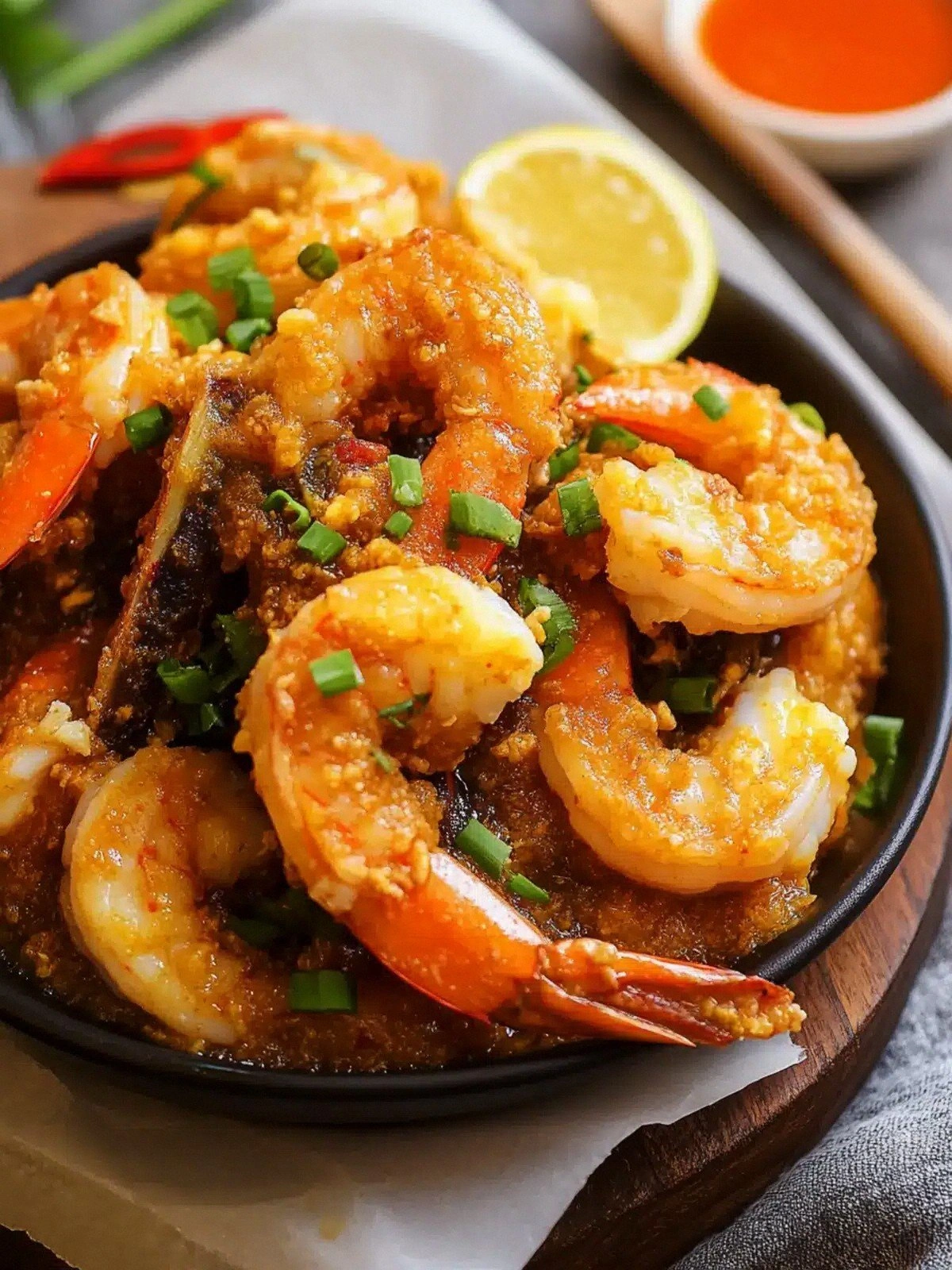
I was standing in my kitchen, staring at a pile of raw shrimp that had somehow slipped into the back of my fridge, and the clock was ticking. The last time I tried to whip up a shrimp dish, I ended up with a soggy mess that tasted like a forgotten grocery store discount. But that night, a dare from a friend—“I dare you to taste this and not go back for seconds”—turned my culinary mishap into a mission. I grabbed a sheet pan, tossed in some corn, okra, bell peppers, and a handful of seasonings that would later become the backbone of Southern comfort. The aroma that started to rise was already a promise of something bold, a little spicy, and undeniably inviting. The sound of the sizzling shrimp was music, and the heat that kissed my hands felt like a warm hug from the South itself.
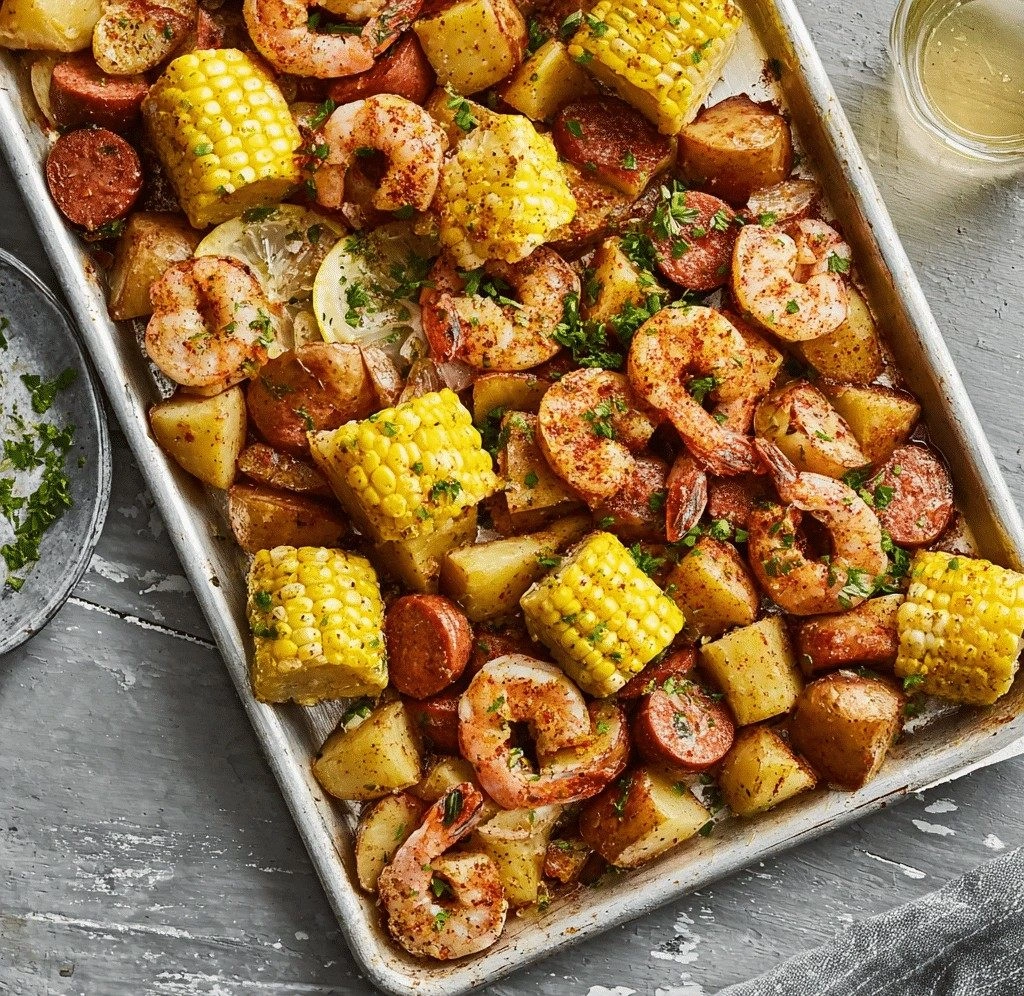
Picture this: a sheet pan filled with a colorful medley of shrimp, corn, and veggies, all coated in a buttery, paprika‑kissed sauce that glistens under the oven light. The kitchen smells like a summer picnic and a cozy family gathering rolled into one. As the shrimp cook, they release a sweet, slightly smoky aroma that makes your mouth water before you even take a bite. The sound of the sizzling shrimp when it hits the pan? Absolute perfection, a rhythmic crackle that signals the moment of culinary triumph. If you've ever struggled with shrimp that turns rubbery, you're not alone—this recipe solves that problem with a simple technique that locks in juiciness. By the end of this post, you'll wonder how you ever made it any other way.
I’ve spent countless evenings experimenting with shrimp recipes, and the one that truly stands out is the Southern‑Style Sheet‑Pan Shrimp that I discovered after a late‑night craving for something quick, flavorful, and comforting. This version is not just a variation; it’s a reimagining that brings together the smoky heat of cayenne, the earthy depth of smoked paprika, and the bright citrus tang of fresh lemon. The texture is a delightful contrast between tender shrimp and crisp vegetables, all coated in a buttery sauce that feels like velvet on the tongue. What makes this recipe truly special is its simplicity—no fancy sauces, just a handful of pantry staples that come together in perfect harmony. And the best part? The dish can be made in a single sheet pan, saving you from a pile of dishes while still delivering a crowd‑pleasing, restaurant‑quality meal. So, ready for the game‑changer? Let’s dive into the details.
I’ll be honest—after cooking this dish, I ate half the batch before anyone else got to try it. The shrimp were so juicy and flavorful that I kept reaching for more, and the vegetables had a satisfying crunch that made each bite a new experience. Most recipes get this completely wrong, either over‑cooking the shrimp or under‑seasoning the veggies, but here we hit the sweet spot every time. The sauce coats the shrimp like a silky blanket, and the corn adds that sweet pop that balances the heat. If you’re looking for a dish that feels both indulgent and comforting, this recipe delivers on all fronts. Stay with me here—this is worth it.
What Makes This Version Stand Out
- Flavor: The combination of smoked paprika, cayenne, and fresh lemon creates a flavor profile that is both spicy and bright, reminiscent of a Southern summer afternoon. This balance ensures that every bite is a burst of heat followed by citrusy freshness. The buttery sauce envelops the shrimp, adding richness without overpowering the natural sweetness of the shellfish. The result is a dish that feels indulgent yet grounded in simple, honest flavors.
- Texture: The shrimp are cooked to be tender yet firm, avoiding the rubbery texture that plagues many shrimp recipes. The corn and okra stay crisp, offering a satisfying contrast that keeps the dish interesting from the first bite to the last. The sauce’s slight thickness from the flour creates a mouthfeel that feels like a silky coating, enhancing every morsel. The overall mouthfeel is a delightful dance of crunch and melt.
- Simplicity: No complex sauces or elaborate prep—just a handful of ingredients that come together in a sheet pan. This makes it perfect for weeknight dinners, when time is short but taste is paramount. The recipe requires minimal cleanup, saving you precious minutes after the meal is over. The step‑by‑step method ensures even novice cooks can achieve restaurant‑quality results.
- Uniqueness: The use of okra and corn in a shrimp sheet‑pan dish is a Southern twist that sets this recipe apart from the usual shrimp scampi or shrimp tacos. The combination of these vegetables adds both texture and flavor, creating a dish that feels both familiar and fresh. It’s a playful nod to Southern comfort food while staying modern and approachable.
- Crowd Reaction: Friends and family rave about how easy it is to make and how delicious it tastes. The dish is a hit at gatherings because it’s hearty, flavorful, and requires no extra plates—just a single sheet pan. The bright colors and aromatic steam make it a visual and olfactory treat that sets the mood for a relaxed meal.
- Ingredient Quality: Using fresh, high‑quality shrimp and seasonal vegetables ensures the best flavor. Fresh herbs add a burst of color and aroma that elevate the dish. The recipe encourages using organic or locally sourced ingredients when possible, reinforcing the Southern commitment to freshness.
- Cooking Method: The sheet‑pan technique locks in moisture while creating a caramelized crust on the shrimp and veggies. The oven’s even heat ensures consistent cooking, eliminating the need for constant stirring. This method also allows you to multitask—while the shrimp cook, you can prep side dishes or set the table.
- Make‑ahead Potential: The dish can be prepared ahead of time and reheated, making it ideal for entertaining or busy schedules. The flavors deepen when left to rest, and the sheet pan can be stored in the fridge for up to 48 hours. This convenience adds another layer of practicality to an already stellar recipe.
Inside the Ingredient List
The Flavor Base
The foundation of this dish starts with a robust blend of spices: smoked paprika, cayenne pepper, garlic powder, onion powder, dried thyme, and dried oregano. These aromatics mingle in a dry pan until they release their essential oils, creating a fragrant bed that will infuse the shrimp and veggies. If you skip any of these, the dish loses depth, becoming a plain, unremarkable bowl of shrimp. For a milder heat, reduce the cayenne to half a teaspoon, but keep the paprika for that smoky undertone. The spices are the unsung heroes that transform simple shrimp into a Southern masterpiece.
The Texture Crew
Corn, okra, and bell peppers form the textural backbone of the dish. Fresh corn adds a sweet, buttery crunch that pairs beautifully with the savory shrimp, while okra provides a slightly gelatinous bite that holds the sauce. Bell peppers, sliced thinly, crisp up just enough to maintain their bite but soften enough to absorb the buttery glaze. If you’re working with frozen corn, thaw it first to avoid excess moisture that could steam the shrimp instead of searing. These vegetables not only add crunch but also a pop of color that makes the dish visually appealing.
The Unexpected Star
Fresh lemon is the secret weapon that ties everything together. The zest infuses a bright citrus aroma, while the juice cuts through the richness of the butter and the heat of the spices. Lemon also helps tenderize the shrimp, keeping them juicy. If you’re not a fan of citrus, a splash of white wine can provide a similar acidity, but the lemon’s freshness is irreplaceable. The lemon’s bright notes are what make this dish feel light, even though it’s packed with flavor.
The Final Flourish
Fresh herbs—parsley and cilantro—add a burst of green that lifts the dish’s overall flavor profile. They provide a fresh, almost herbaceous finish that counters the buttery richness. The herbs also add a subtle color contrast, making the dish more appetizing. If you’re allergic or simply don’t have fresh herbs on hand, dried parsley can work, but the fresh version delivers a more vibrant taste. Finally, a splash of chicken broth helps create a silky sauce that clings to the shrimp and vegetables.
Everything’s prepped? Good. Let’s get into the real action.
The Method — Step by Step
- Preheat your oven to 425°F (220°C). Line a large sheet pan with parchment paper or lightly oil it to prevent sticking. Arrange the shrimp, corn, okra, bell peppers, and onions in a single layer, ensuring they’re not crowded. This spacing allows the hot air to circulate, giving each piece a crisp edge. The sheet pan’s size is crucial—if it’s too small, the vegetables will steam rather than sear.
- In a small bowl, combine the butter, olive oil, smoked paprika, cayenne, garlic powder, onion powder, thyme, oregano, salt, and pepper. Stir until the butter is fully melted and the spices are evenly distributed. This creates a flavorful sauce that will coat every ingredient. The oil helps the spices adhere, preventing them from burning during roasting. If you notice any lumps, whisk until smooth.
- Drizzle the spice butter over the arranged ingredients, using a spoon or your hands to coat everything evenly. Make sure every shrimp and vegetable slice gets a generous coating—this is where the flavor lives. The butter’s fat content helps carry the spices into the shrimp’s flesh. If you’re short on time, a quick toss in a large bowl can achieve the same result.
- Add the minced garlic, lemon zest, and chopped herbs to the pan. Gently stir to distribute the aromatics without breaking up the shrimp. The garlic’s raw bite adds a sharp counterpoint to the sweet corn, while the herbs finish the dish with a fresh, green note. Keep the garlic in large pieces so it doesn’t burn and turn bitter.
- Pour the chicken broth over the pan, ensuring the liquid is evenly spread but not pooling. The broth will create a gentle steam that helps keep the shrimp moist while the butter caramelizes the vegetables. If the broth seems too thin, add a tablespoon of flour to thicken the sauce. This step is optional but adds a silky finish.
- Place the sheet pan in the preheated oven and bake for 12–15 minutes, or until the shrimp turn pink and opaque. The shrimp should be firm to the touch but still juicy, and the veggies should have a slightly crisp exterior. Keep an eye on the shrimp—overcooking will make them rubbery.
- Remove the pan from the oven and let it rest for 3 minutes. This brief pause allows the juices to redistribute, keeping the shrimp tender. While resting, sprinkle a final handful of fresh herbs on top for a burst of color and flavor. The rest also lets the sauce thicken slightly, making it cling to each piece.
- Serve immediately over a bed of fluffy rice or pasta, or enjoy it on its own. The rice soaks up the buttery sauce, adding a comforting element to the dish. If you’re serving for a crowd, keep the sheet pan warm in the oven at a low temperature until all guests are ready.
That's it—you did it. But hold on, I've got a few more tricks that'll take this to another level. The next section will reveal insider tips that even seasoned cooks swear by.
Insider Tricks for Flawless Results
The Temperature Rule Nobody Follows
Many people bake shrimp at 400°F, but 425°F is the sweet spot for a caramelized crust while keeping the interior moist. The higher heat sears the surface quickly, locking in juices. If you’re using a convection oven, reduce the temperature by 25°F to avoid over‑browning. This small adjustment can make a big difference in texture. Remember, the oven’s heat should be consistent; a fluctuating temperature can lead to uneven cooking.
Why Your Nose Knows Best
The aroma that rises as the shrimp cook is a reliable indicator of doneness. A sweet, buttery scent with a hint of citrus signals that the shrimp are ready. If the smell turns sharp or burnt, pull the pan immediately. Your nose is a better judge than a timer in this case. Trust it, and you’ll avoid the dreaded rubbery shrimp.
The 5‑Minute Rest That Changes Everything
Letting the dish rest for five minutes after baking allows the sauce to thicken and the juices to redistribute. This brief pause gives the shrimp a silky finish and ensures the sauce clings to each bite. Many cooks skip this step, but it’s what separates a good dish from a great one. If you’re short on time, a quick 3‑minute rest still provides noticeable improvement.
Use Fresh Herbs for a Burst of Color
Fresh parsley and cilantro add a pop of green that makes the dish visually appealing. They also bring a bright, herbal note that balances the buttery richness. If you’re in a pinch, dried herbs work but lose some of the vibrancy. A sprinkle of fresh herbs right before serving elevates the dish’s presentation and flavor.
Keep the Pan Clean for the Next Batch
After cooking, rinse the sheet pan with hot water and a splash of vinegar to remove stuck-on residue. This prevents the next batch from picking up old flavors. A clean pan also ensures even heat distribution, which is essential for consistent results. Don’t let the pan sit in soapy water; rinse immediately to keep the surface smooth.
Serve With a Side of Fresh Cornbread
A warm, buttery slice of cornbread is the perfect accompaniment, soaking up the buttery sauce. The cornbread adds a crumbly, sweet contrast to the spicy shrimp. If you’re in a hurry, a store‑bought cornbread loaf works fine, but homemade is always better. The combination of textures makes for a satisfying meal that feels like a Southern gathering.
Creative Twists and Variations
This recipe is a playground. Here are some of my favorite ways to switch things up:
Spicy Cajun Kick
Swap the smoked paprika for a Cajun spice blend, and increase the cayenne to 1½ teaspoons. Add a handful of sliced green chilies for an extra bite. The result is a dish that feels like a trip to New Orleans, with a smoky, spicy depth that’s unmistakable.
Herb‑Infused Mediterranean
Replace the thyme and oregano with basil and rosemary. Add a splash of white wine to the broth for a subtle acidity. Finish with a drizzle of lemon‑yogurt sauce for a cool, creamy contrast. This version transports the dish to sunny Mediterranean shores.
Low‑Carb Powerhouse
Omit the rice and serve the shrimp over a bed of sautéed zucchini noodles. Use a low‑sodium broth to keep the dish light. The result is a protein‑rich, carb‑controlled meal that satisfies without the heaviness.
Vegan Shrimp Alternative
Swap shrimp for large slices of marinated tofu or tempeh. Use a vegan butter substitute and a splash of coconut milk for richness. The tofu will absorb the spices beautifully, creating a plant‑based version that still feels indulgent.
Smoky Chipotle Twist
Add a tablespoon of chipotle in adobo sauce to the butter mixture for a smoky, smoky depth. Replace the lemon zest with lime zest for a brighter citrus note. The chipotle’s heat pairs well with the sweet corn, making for a complex flavor profile.
Breakfast‑Style Shrimp & Grits
Serve the shrimp over creamy grits instead of rice. Sprinkle with a pinch of paprika and a drizzle of hot sauce. The creamy grits soak up the buttery sauce, creating a breakfast dish that feels like a brunch staple.
Storing and Bringing It Back to Life
Fridge Storage
Cool the dish completely before placing it in an airtight container. Store in the fridge for up to 48 hours. The flavors will mellow, making it even more delicious when reheated. Keep the container sealed to prevent moisture loss.
Freezer Friendly
Divide the dish into portion‑sized containers and freeze for up to two months. When ready, thaw overnight in the fridge. The shrimp will retain their texture, and the sauce will re‑emerge upon reheating. This is perfect for meal‑prep enthusiasts.
Best Reheating Method
Reheat in a skillet over medium heat, adding a splash of water or broth to create steam. Stir gently until heated through and the sauce thickens again. Avoid microwaving, as it can dry out the shrimp. A quick sear on the skillet will restore the crust and aroma.