Okay, picture this: I was scrambling to impress a last‑minute work dinner, and the only thing I had in the fridge was a lonely salmon fillet, a bag of wilted spinach, and a half‑eaten pack of bacon that I was almost ashamed to use. I tossed everything together in a pan, slathered on a haphazard dressing, and the result was a disaster that tasted like a soggy, salty mess. I swore I’d never attempt a salad again, but then a dare from my roommate—“I bet you can make a salad that actually steals the spotlight from the main course”—sparked a culinary rebellion that I couldn’t ignore.
The kitchen filled with the sizzle of bacon hitting hot oil, the sweet perfume of caramelizing mini sweet peppers, and the sharp tang of red wine vinegar mingling with fresh dill. The air was alive with the promise of something bright, crisp, and unapologetically indulgent. I could see the glistening salmon turning a perfect pink, the avocado slices turning buttery as they settled into the mix, and the vivid green of spinach shimmering under the light. My senses were on overdrive, and I knew I was onto something that could change the way we think about salads forever.
Most salads are either a boring side or a bland health‑food gimmick. This version, however, is a symphony of textures: the crunch of sunflower seeds, the smoky whisper of paprika, the creamy kiss of Greek yogurt, and the buttery melt of perfectly cooked salmon. It’s not just a salad; it’s a main‑course experience that can stand tall beside any entrée—or even replace it. I’ll be honest — I ate half the batch before anyone else got a taste, and I’ve been haunted by the memory of that first bite ever since.
What truly sets this dish apart is a secret ingredient that most recipes overlook: freeze‑dried dill and chives. They add a burst of garden‑fresh flavor that survives the dressing’s acidity and clings to every bite like a subtle perfume. And there’s a technique for the salmon that turns a simple fillet into a flaky, buttery masterpiece that makes the whole salad sing. I dare you to taste this and not go back for seconds. Let me walk you through every single step — by the end, you’ll wonder how you ever made it any other way.
What Makes This Version Stand Out
- Flavor Explosion: The combination of smoky paprika, tangy red wine vinegar, and fresh dill creates layers of taste that evolve with every forkful.
- Texture Medley: From crispy bacon to buttery avocado, each component adds its own personality, making the salad a mouthful of contrast.
- Simplicity Meets Sophistication: Only ten minutes of prep and a quick pan‑sear, yet the result feels like a restaurant‑level dish.
- Ingredient Quality: Using full‑fat Greek yogurt instead of low‑fat alternatives gives the dressing a silk‑smooth body that coats every leaf.
- Crowd‑Pleaser Factor: The salmon and bacon provide a protein punch that turns this from a side into a star, winning over both meat‑lovers and veggie fans.
- Make‑Ahead Magic: The dressing can be prepared ahead of time, allowing the salad to be assembled in minutes when guests arrive.
- Season‑Flexibility: Whether you’re craving a summer lunch or a cozy winter dinner, the ingredients adapt beautifully to any weather.
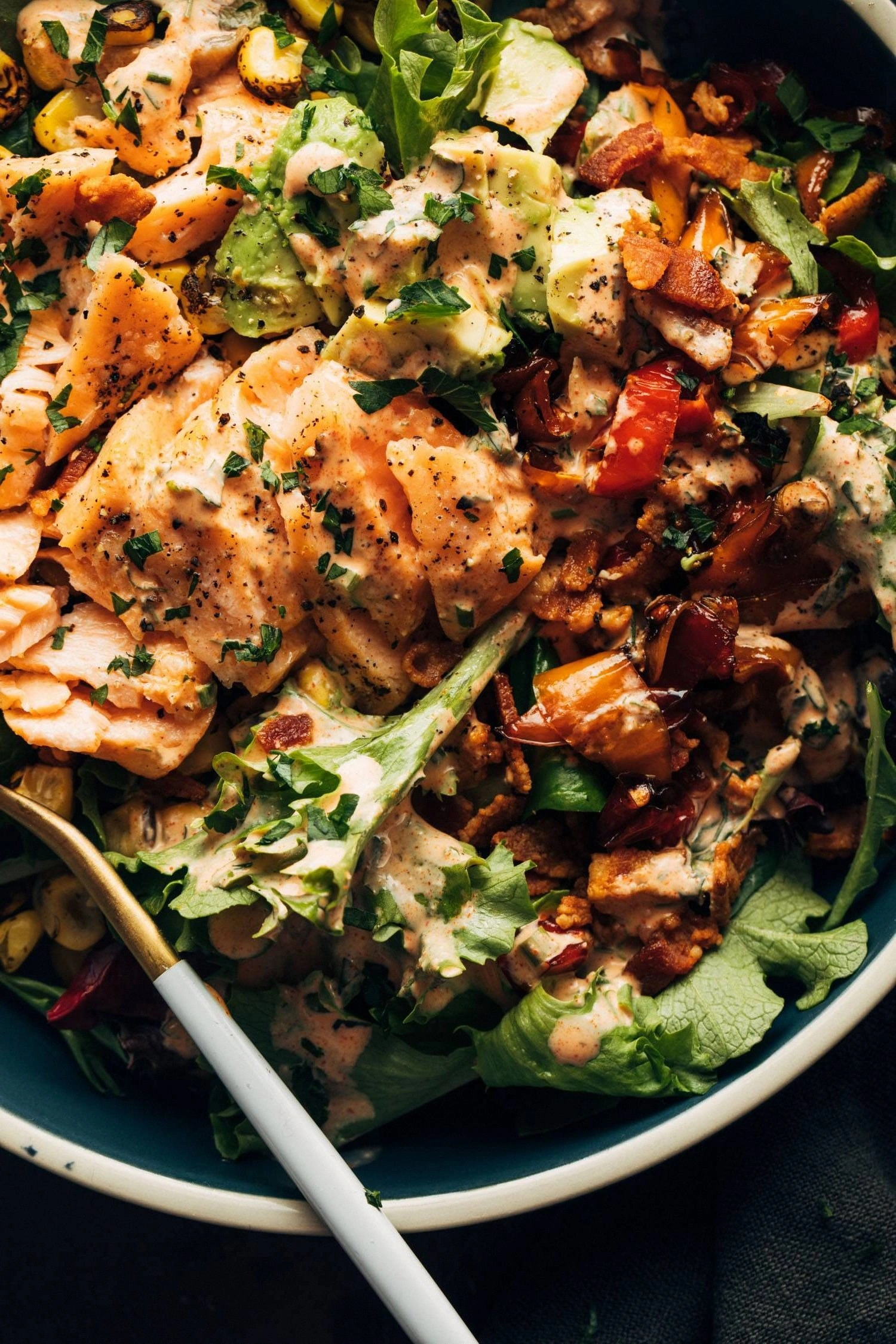
- Visual Wow Factor: The vibrant colors—from ruby‑red peppers to deep‑green spinach—make it Instagram‑ready without the fuss.
Inside the Ingredient List
The Flavor Base
The dressing starts with a marriage of mayo and full‑fat Greek yogurt (or sour cream for a tangier twist). This duo creates a velvety canvas that clings to each leaf like a second skin. Adding milk or buttermilk loosens the texture just enough so it drizzles gracefully without drowning the greens. If you skip the dairy entirely, the dressing becomes clumpy and loses its luxurious mouthfeel—so keep it.
White vinegar or lemon juice injects acidity that brightens the whole bowl, cutting through the richness of the mayo. A splash of red wine vinegar later adds depth, giving the dressing a subtle sweet‑sour complexity. When you’re out of fresh herbs, the freeze‑dried dill and chives step in, delivering an intense herbaceous punch that survives the mixing process.
The Texture Crew
Olive oil is the silent hero, providing a silky sheen and a buttery note that rounds out the acidity. Mini sweet peppers bring a crisp, sweet snap that contrasts the softness of the avocado. Speaking of avocado, its creamy flesh adds a buttery richness that makes each bite feel indulgent without feeling heavy.
Bacon, rendered to a perfect crunch, adds smoky depth and a salty crunch that’s impossible to ignore. Fire‑roasted corn contributes a subtle charred sweetness and a pop of juiciness that keeps the salad from feeling one‑dimensional. Sunflower seeds, toasted lightly, deliver a nutty finish that ties the whole texture profile together.
The Unexpected Star
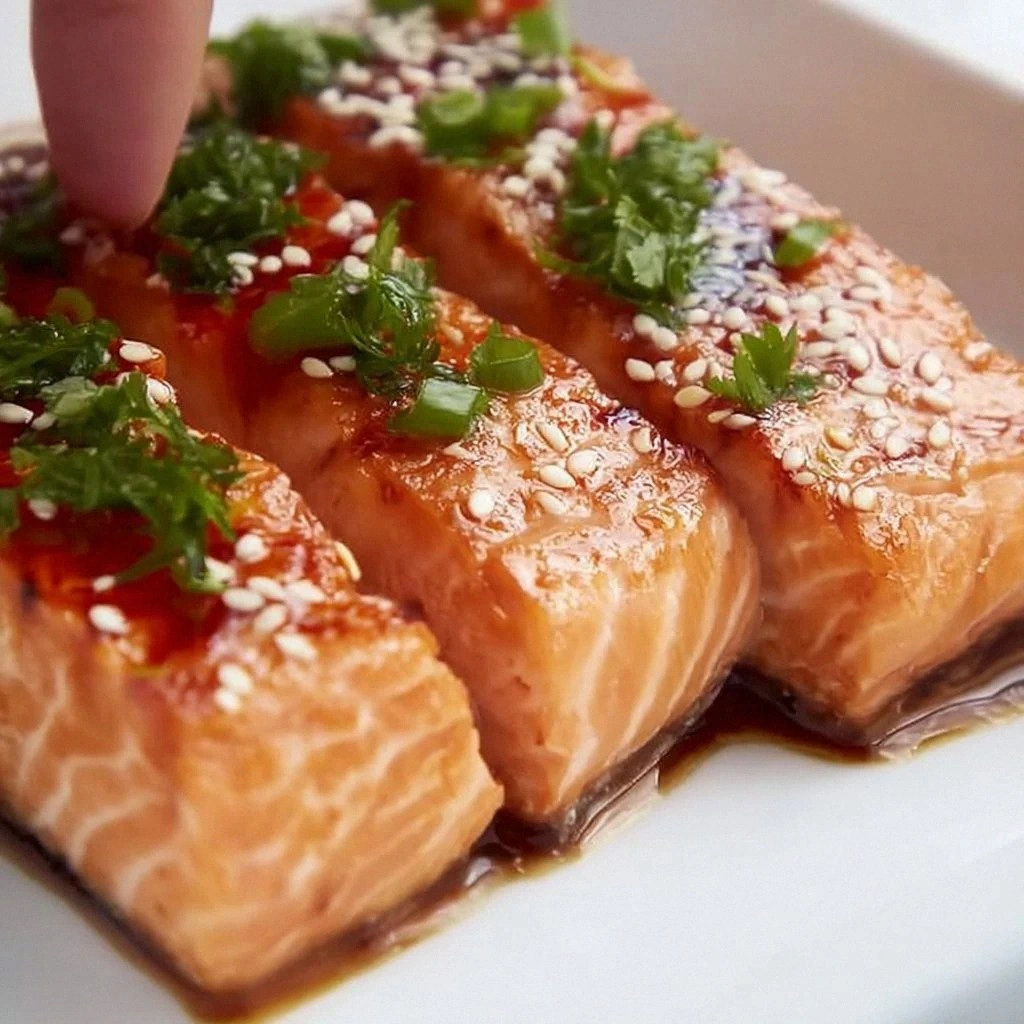
Salmon is the show‑stopper. I recommend pan‑searing it with a quick brush of olive oil, salt, and pepper, then finishing it in a hot oven for a few minutes. This method gives a crisp exterior while preserving a melt‑in‑your‑mouth interior. If you’re daring, try a quick grill for a smoky edge—just watch the flesh; overcooking turns it dry and defeats the purpose.
Spinach or any salad greens act as the neutral base, letting the bold flavors shine. If you’re out of fresh greens, a mix of arugula and kale can stand in, but be sure to massage the kale with a bit of olive oil first; otherwise it stays bitter.
The Final Flourish
Salt & pepp (a cheeky typo that reminds us to season generously) are the unsung heroes. They amplify every other flavor, ensuring nothing feels flat. Onion powder and garlic powder add a subtle background warmth that rounds out the dressing without overpowering the fresh herbs.
When you combine all these elements, you get a salad that’s simultaneously creamy, tangy, smoky, and bright—a true taste adventure. Everything’s prepped? Good. Let’s get into the real action...
The Method — Step by Step
Start by preheating your oven to 375°F (190°C). While it warms, pat the salmon fillets dry with paper towels, then season both sides with salt, pepper, and a light drizzle of olive oil. This step is crucial: the oil helps the skin crisp up, and the seasoning ensures the fish is flavorful from the inside out.
Heat a skillet over medium‑high heat and add a tablespoon of olive oil. Once the oil shimmers, place the salmon skin‑side down. Let it sizzle for about 3‑4 minutes until the skin turns golden and releases easily from the pan. This is the moment of truth—if the skin sticks, your pan isn’t hot enough.
Kitchen Hack: For an even crust, press the fillet gently with a spatula for the first 30 seconds; this forces the skin into full contact with the pan.Flip the salmon carefully, then transfer the whole skillet to the preheated oven. Bake for 6‑8 minutes, depending on thickness. You’ll know it’s done when a fork slides in with barely resistance and the flesh flakes easily. Remove from the oven and let it rest for 3 minutes; this keeps the juices locked inside.
While the salmon rests, whisk together mayo, Greek yogurt (or sour cream), milk, white vinegar, red wine vinegar, smoked paprika, onion powder, garlic powder, and a pinch of salt & pepp in a bowl. The mixture should be thick yet pourable—if it’s too thick, add a splash more milk. Taste and adjust acidity with a few extra drops of lemon juice if needed.
In a large salad bowl, combine the spinach (or mixed greens) with sliced mini sweet peppers, fire‑roasted corn, and the freeze‑dried dill and chives. Toss gently to distribute the herbs evenly. This next part? Pure magic. The herbs will rehydrate slightly, releasing their aroma into the greens.
Watch Out: If you add the dressing before the corn, the kernels can become soggy. Keep them dry until the final toss.Now, drizzle the prepared dressing over the salad. Use two large spoons to fold the mixture gently, ensuring every leaf is lightly coated. The dressing should cling just enough to make each bite luscious without drowning the greens. Feel the texture shift—the greens should look glossy, and the peppers should shine.
Flake the rested salmon into bite‑size pieces and nestle them atop the dressed greens. Add diced avocado, crispy bacon strips, and a generous sprinkle of sunflower seeds. The visual contrast here is key: the pink salmon against the verdant spinach, the golden bacon against the creamy avocado.
Give the salad one final gentle toss, just enough to mingle the toppings without breaking the salmon flakes. Taste and adjust seasoning with a pinch more salt or a drizzle of extra olive oil if the flavors feel shy.
Serve immediately on large plates, letting the colors pop. If you’re planning ahead, keep the dressing separate and combine right before serving to maintain crunch. Picture yourself pulling this out of the kitchen, the whole house smelling incredible, and the first forkful delivering a cascade of flavors.
Insider Tricks for Flawless Results
The Temperature Rule Nobody Follows
Never cook salmon straight from the fridge. Let it sit at room temperature for 15 minutes before searing. This small step evens out the internal temperature, preventing a raw center while the outside crisps. A friend once tried searing a frozen fillet and ended up with a burnt exterior and icy interior—lesson learned.
Why Your Nose Knows Best
When the dressing is simmering, trust your sense of smell more than the clock. If you detect a faint nutty aroma from the smoked paprika, it means the spice has released its oils and is ready. Over‑cooking the spices can lead to bitterness, so pull the pan the moment the scent deepens.
The 5‑Minute Rest That Changes Everything
After the salmon hits the oven, give it a 3‑minute rest on a cutting board before flaking. This rest allows the juices to redistribute, giving you a moist, flaky texture instead of dried‑out fish. Skipping this step makes the salmon dry, and the whole salad suffers.
Seed Toasting Secret
Sunflower seeds get a flavor boost when toasted lightly in a dry skillet for just 2 minutes. Keep them moving, and watch them turn golden and fragrant. If you burn them, they become bitter, ruining the salad’s balance.
Dress Early, Toss Late
Mix the dressing at least 30 minutes before assembling the salad. This resting period lets the flavors meld, creating a more cohesive taste. Then, toss the greens right before serving to keep the crispness intact. I’ve seen salads wilt when the dressing sits too long on the leaves.
Creative Twists and Variations
This recipe is a playground. Here are some of my favorite ways to switch things up:
Spicy Kick
Swap the smoked paprika for a teaspoon of chipotle powder and add a finely diced jalapeño to the pepper mix. The heat will cut through the richness of the salmon, creating a bold, tongue‑tingling experience perfect for those who love a little fire.
Mediterranean Mood
Replace the bacon with crumbled feta and add Kalamata olives. The salty feta and briny olives echo the Greek yogurt base, turning the salad into a Mediterranean feast that pairs beautifully with a glass of crisp white wine.
Vegan Version
Leave out the salmon and bacon, and introduce smoked tempeh cubes and roasted chickpeas for protein. Use a plant‑based mayo and coconut yogurt to keep the creaminess. The result is a hearty, vegan-friendly salad that still delivers the same texture play.
Winter Warmth
Swap the fresh spinach for roasted kale, and add roasted butternut squash cubes. The warm, caramelized veggies give the salad a cozy feel, making it perfect for chilly evenings. A drizzle of maple‑infused vinaigrette adds a sweet contrast.
Asian Fusion
Replace the red wine vinegar with rice vinegar, add toasted sesame oil, and sprinkle toasted sesame seeds instead of sunflower seeds. Toss in shredded carrots and a splash of soy sauce for umami depth. This version feels light yet complex, ideal for a summer lunch.
Storing and Bringing It Back to Life
Fridge Storage
Place the dressing in an airtight container and keep the salad components separate. The greens stay crisp for up to 3 days, while the salmon can be stored in a shallow dish covered with plastic wrap. When ready to serve, simply combine everything and give a gentle toss.
Freezer Friendly
The cooked salmon freezes beautifully. Portion it into single‑serve bags, add a splash of olive oil to prevent drying, and freeze for up to 2 months. The dressing can also be frozen; just thaw in the refrigerator overnight and give it a quick whisk before using.
Best Reheating Method
When reheating the salmon, use a low‑heat skillet with a lid for 2‑3 minutes, adding a tiny splash of water or broth. The steam revives the flaky texture without over‑cooking. For the whole salad, a quick toss with a drizzle of fresh lemon juice restores brightness.