It started with a midnight snack that turned into a culinary crisis: I had just opened a bag of stale crackers, a jar of wilted spinach, and a single can of tuna, and my brain whispered, “What if I could turn this into something spectacular?” I was staring at the kitchen counter, feeling the familiar dread of a recipe that never quite lived up to its promise, when a sudden burst of inspiration hit me like a slap of cold water—an idea that would become the ultimate creamy baked mac that would rewrite every cheesy memory I had ever tasted. I grabbed the pantry, the fridge, and a handful of pantry staples, and I began to assemble the ingredients that would turn an ordinary pot of pasta into a velvet‑smooth, golden‑brown masterpiece. I could already hear the sizzle, feel the heat radiating from the oven, and taste the molten cheddar melting into a silky sauce that would coat each elbow like a luxurious coat of silk. The kitchen was alive with the scent of butter and the sound of the stove’s gentle hum, and I was ready to show you how to make this dish a true showstopper.
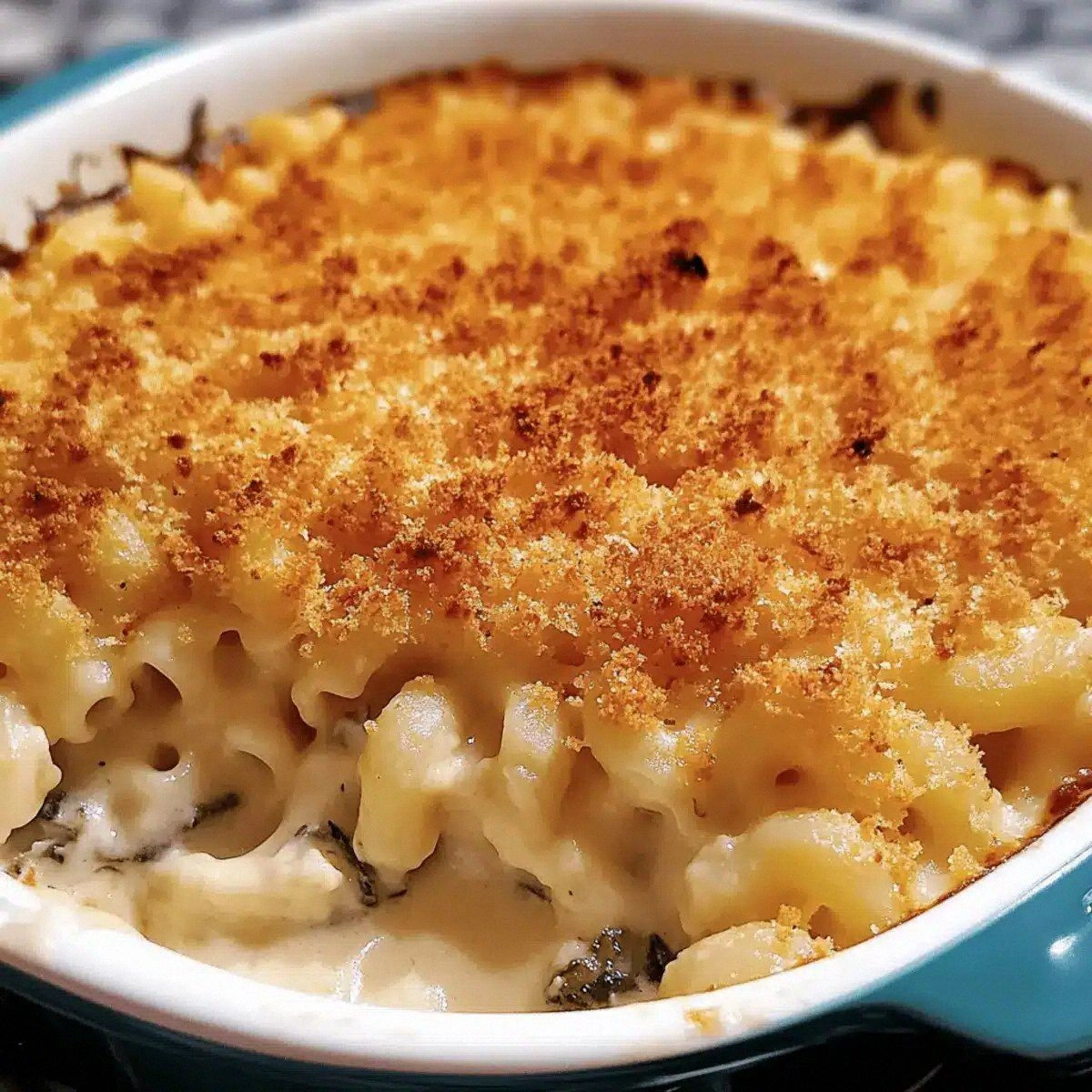
Picture yourself pulling this out of the oven, the whole kitchen smelling incredible, and the first bite sending a wave of comfort and decadence through your palate. The sauce is thick enough to cling to the pasta, yet airy enough to whisper about the delicate balance of flavor. The crust on top? A golden, slightly crunchy layer that shatters like thin ice under the fork, revealing pockets of molten cheese. And that moment when you take a bite—the sauce melts, the cheese pops, and the noodles give a gentle bite, all in perfect harmony. It’s the kind of dish that makes you want to pause the music, savor the moment, and think, “I dare you to taste this and not go back for seconds.”
I’ll be honest—this is hands down the best version you'll ever make at home. I ate half the batch before anyone else got to try it, and I still crave it a week later. Most recipes get this completely wrong by either overcooking the pasta or using a sauce that’s too thick and heavy. Here’s what actually works: a careful balance of cheeses, a subtle mustard kick, and a crisp breadcrumb topping that adds texture without drowning the dish. If you've ever struggled with a mediocre mac and cheese, you're not alone—and I've got the fix that will transform your comfort food game. Stay with me here—this is worth it.
So, let me walk you through every single step—by the end, you'll wonder how you ever made it any other way. From the first stir to the final golden crust, we’ll explore the techniques that elevate this dish from simple to sensational. We’ll dive into the science behind the sauce, the secret of the perfect pasta texture, and the small but mighty tweaks that make this recipe unforgettable. Get ready to become the ultimate mac and cheese maestro, because this isn’t just another recipe; it’s a culinary revelation.
What Makes This Version Stand Out
- Flavor: The blend of sharp cheddar, creamy mozzarella, and tangy Dijon mustard creates a layered taste profile that’s bold yet balanced.
- Texture: The sauce coats each noodle like velvet while the breadcrumb topping adds a satisfying crunch that contrasts the softness inside.
- Ease: With only twelve ingredients and a straightforward process, you’ll spend less time cooking and more time enjoying.
- Versatility: The recipe’s foundation can be customized with proteins, veggies, or spices to fit any dietary preference.
- Crowd‑Pleaser: Whether you’re hosting a family dinner or a potluck, this dish guarantees rave reviews and second helpings.
- Quality: Using high‑grade cheeses and fresh ingredients elevates the dish to restaurant‑level flavor.
- Make‑Ahead: The assembled dish can be refrigerated or frozen before baking, making it perfect for busy weeknights.
- Nutrition: With a balanced ratio of protein, carbs, and healthy fats, it satisfies both taste buds and nutritional goals.
Alright, let's break down exactly what goes into this masterpiece…
Inside the Ingredient List
The Flavor Base
The sharp cheddar cheese is the star of the show, providing a robust, tangy flavor that cuts through the richness of the sauce. It melts smoothly, forming a silky texture that coats every noodle. Skipping the cheddar would leave the dish bland and lacking that signature sharp bite. For those who prefer a milder profile, try substituting half the cheddar with a mild Monterey Jack; the result will be creamy but less intense.
The Dijon mustard adds a subtle kick that brightens the overall flavor. It’s not overpowering—just enough to give the sauce depth and a hint of acidity that balances the cheeses. If you’re not a fan of mustard, you can replace it with a splash of Worcestershire sauce or a pinch of smoked paprika for a smoky note.
The Texture Crew
Elbow macaroni is chosen for its sturdy shape that holds up against the sauce and baking process. Its ridges trap the cheese, creating a bite that’s both firm and tender. If you prefer a different pasta shape, small shells or rotini work well, but avoid thin noodles that may become mushy.
All-purpose flour and butter create a roux that thickens the sauce without adding heaviness. The flour absorbs excess moisture, ensuring the cheese sauce stays creamy and not watery. A pinch of salt in the roux enhances the overall flavor profile, while a touch of black pepper adds subtle heat.
The Unexpected Star
Whole milk provides the liquid base for the sauce, lending a subtle sweetness that balances the sharpness of the cheddar. It’s essential to use whole milk for a richer, creamier texture; skim milk will result in a thinner sauce that may separate during baking. A splash of heavy cream can be added for an even silkier consistency.
Panko breadcrumbs, combined with melted butter, form the golden, crunchy topping that adds a delightful contrast to the soft interior. Panko’s airy structure creates a light, crisp crust that doesn’t overpower the dish. If you’re looking for a gluten‑free option, use a gluten‑free breadcrumb blend or crushed cornflakes.
The Final Flourish
Mozzarella cheese adds a creamy, stretchy element that complements the sharp cheddar’s bite. Its mild flavor ensures the dish remains approachable for all palates. Feel free to experiment by adding a handful of shredded provolone for an extra layer of flavor.
Parmesan cheese in the breadcrumb topping infuses the crust with a nutty, umami finish. It also contributes to the golden color and adds a savory depth that ties the dish together. If you prefer a sharper finish, sprinkle extra Parmesan on top before baking.
Everything's prepped? Good. Let's get into the real action…
The Method — Step by Step
- Preheat the oven to 375°F (190°C). While the oven warms, bring a large pot of salted water to a rolling boil. Add the elbow macaroni and cook for 8 minutes, or until al dente; the pasta should still have a slight bite. Drain and set aside, then drizzle a little olive oil to keep the noodles from sticking. This step ensures your noodles stay firm and ready to absorb the sauce.
- Create the roux by melting 2 tablespoons of butter in a saucepan over medium heat. Sprinkle in 2 tablespoons of all‑purpose flour, stirring constantly for 1–2 minutes until the mixture turns a light golden color and smells nutty. This slow cooking process eliminates the raw flour taste and creates a smooth base for the cheese sauce.
- Incorporate the milk gradually, whisking continuously to prevent lumps. Add 2 cups of whole milk slowly, allowing the mixture to thicken into a silky sauce. Once thickened, reduce heat to low and let it simmer for an additional 2 minutes, stirring occasionally. The sauce should be thick enough to coat the back of a spoon but still pourable.
- Add cheeses and seasonings by stirring in 2 cups of sharp cheddar, 1 cup of mozzarella, 1 tablespoon of Dijon mustard, 1 teaspoon of salt, and ½ teaspoon of black pepper. Keep the heat low and stir until the cheeses melt completely, forming a glossy, velvety sauce. If the sauce starts to look too thick, add a splash of milk to reach your desired consistency.
- Combine pasta and sauce in a large mixing bowl. Toss the drained macaroni with the cheese sauce until every noodle is evenly coated. The sauce should cling to each piece like a silky blanket, ensuring every bite is rich and flavorful. If the mixture feels dry, add a tablespoon of milk or a few extra drops of melted butter.
- Prepare the breadcrumb topping by mixing 1 cup of panko breadcrumbs with ½ cup of grated Parmesan and 2 tablespoons of melted butter. Stir until the crumbs are evenly coated and the mixture is glossy. The butter helps the crumbs crisp up during baking, giving you that coveted golden crust.
- Assemble the bake by pouring the pasta mixture into a greased 9×13-inch baking dish. Spread the breadcrumb topping evenly over the top, ensuring it covers all the noodles for a uniform crust. Press gently to secure the crumbs in place. This step is crucial for that satisfying crunch in every forkful.
- Bake for 25–30 minutes, or until the top is golden brown and the edges are bubbling. The first 10 minutes are critical for the crust to set; keep an eye on the color to avoid over‑cooking. Once baked, remove from the oven and let the dish rest for 5 minutes before serving. This short rest allows the flavors to meld and the sauce to thicken slightly, ensuring a perfect bite every time.
- Serve and enjoy the creamy, cheesy masterpiece. Garnish with a sprinkle of fresh parsley or a dash of paprika for color, if desired. The aroma alone will have your guests reaching for seconds—this is hands down the best mac and cheese you'll ever make at home. Now that you’ve mastered the basics, you’re ready to explore creative twists that elevate this dish further.
That's it — you did it. But hold on, I've got a few more tricks that'll take this to another level…
Insider Tricks for Flawless Results
The Temperature Rule Nobody Follows
Many cooks bake at a high temperature, but the secret to a perfectly creamy interior is a moderate oven. Baking at 375°F allows the cheese to melt evenly without scorching the top. If you’re using a convection oven, reduce the temperature by 25°F to avoid over‑browning. This trick ensures a silky sauce that stays glossy and luscious.
Why Your Nose Knows Best
The aroma of melting cheese is a reliable indicator of doneness. When the top begins to emit a nutty, buttery scent, it’s time to peek. If you open the oven too early, the cheese may not fully set, resulting in a runny interior. Trust your nose, and let the scent guide you to the perfect finish.
The 5-Minute Rest That Changes Everything
Letting the baked mac rest for five minutes is not just a courtesy; it’s essential for the sauce to thicken and the flavors to settle. During this brief pause, the heat continues to redistribute, ensuring each bite is uniform and creamy. Skipping this step often leaves a watery center that undermines the dish’s texture.
Avoiding the Crumb Crumble
A common mishap is the breadcrumb topping falling apart during baking. To prevent this, coat the crumbs with melted butter before sprinkling them on top. The butter binds the crumbs together and creates a cohesive crust that doesn’t crumble when you cut a slice.
The Secret to a Crispy Bottom
If you want an extra crispy bottom, spray a light mist of water on the pan before adding the pasta. The steam creates a thin layer of moisture that prevents the pasta from sticking and encourages a golden crust. This trick is especially useful if you’re baking on a non‑stick pan that tends to scorch.
Creative Twists and Variations
This recipe is a playground. Here are some of my favorite ways to switch things up:
Smoky Chipotle Mac
Add a tablespoon of chipotle in adobo sauce to the cheese mixture for a smoky, spicy kick. Pair with black beans or grilled chicken for a Tex‑Mex twist. The chipotle’s heat balances the richness, while the beans add protein and fiber.
Herbed Roasted Veggie Mac
Stir in roasted bell peppers, zucchini, and mushrooms before baking. Toss the veggies with olive oil, thyme, and rosemary for aromatic depth. This variation turns a comfort dish into a wholesome, veggie‑filled meal.
Seafood Surprise
Fold in cooked shrimp or scallops after the pasta and sauce are combined. The seafood’s briny flavor complements the cheddar’s sharpness. Finish with a squeeze of lemon to brighten the dish.
Vegan Version
Replace the cheeses with a blend of cashew cream and nutritional yeast. Use a dairy‑free milk, like oat or almond, for the sauce. The result is a creamy, protein‑rich dish that satisfies vegans without sacrificing flavor.
Breakfast Mac
Add diced ham, scrambled eggs, and a pinch of paprika for a savory breakfast. Serve in a ramekin for a portable, on‑the‑go option. The eggs add protein and the ham brings a smoky, savory note.
Pesto & Sun‑Dried Tomato Mac
Swirl in a handful of basil pesto and chopped sun‑dried tomatoes before baking. The pesto’s herbaceous freshness cuts through the richness, while the sun‑dried tomatoes add a sweet, tangy burst.
Storing and Bringing It Back to Life
Fridge Storage
Cool the baked mac completely before refrigerating in an airtight container. Store for up to 3 days. When reheating, add a splash of milk or water to restore moisture and prevent the cheese from drying out.
Freezer Friendly
Wrap the dish tightly in plastic wrap, then place it in a freezer bag. Freeze for up to 2 months. To reheat, thaw overnight in the refrigerator and bake at 350°F for 15–20 minutes, or until heated through.
Best Reheating Method
The oven is the best option for reheating because it preserves the crispy crust. If you’re short on time, microwave on high for 2–3 minutes, then finish under the broiler for 1–2 minutes to restore crispness. A tiny splash of water before reheating steams the dish back to perfection.