Picture this: a rainy Tuesday night, the kind of evening that makes you crave comfort food and a good laugh. I was rummaging through my fridge, half‑expecting to find a forgotten pot of stew, when a pack of pork sausages and a bag of potatoes stared back at me like old friends. I laughed, because that was exactly what I needed—a culinary dare. I dared myself to turn a simple grocery list into a dish that would make my friends question their own cooking skills.
I pulled the sausages out of the freezer, the bacon from the fridge, and the onions from the pantry. The aroma that began to swirl in my kitchen was already a promise of something extraordinary. The sizzling sound of bacon hitting the pan was a drumbeat, and the faint scent of thyme dancing through the air made my nose do a little happy dance. That moment, that first crackle, set the stage for a dish that would become the talk of the table.
I was determined to create a version of Dublin Coddle that would stand apart from the endless variations online. Most recipes get this completely wrong. They either overcook the potatoes, underseason the broth, or forget the subtle sweetness of the bacon. I’ve spent years experimenting with slow‑cooked stews, and I know that balance is everything. The key to this recipe is layering flavors and textures so that each bite tells a story.
The secret? A touch of white wine, a splash of chicken broth, and a careful timing that keeps the potatoes tender yet distinct. I dare you to taste this and not go back for seconds. If you’ve ever struggled with a dish that feels “off” the first time, you’re not alone. But this is hands down the best version you’ll ever make at home. Stay with me here — this is worth it.
What Makes This Version Stand Out
- Flavor Depth: The combination of pork sausage, bacon, and white wine creates a savory, slightly sweet profile that lingers on the palate.
- Texture Contrast: Thinly sliced onions soften into a caramelized glaze, while potatoes remain firm, offering a satisfying bite.
- Ingredient Quality: Using fresh, high‑quality pork sausages and back bacon elevates the dish beyond the usual budget version.
- Simplicity: Only ten ingredients, no fancy gadgets, but the result is restaurant‑level comfort.
- Make‑Ahead Friendly: It reheats beautifully, making it a perfect meal for busy weekdays.
- Crowd‑Pleaser: Even the most discerning diners will be impressed; I’ve had people asking for the recipe after every batch.
Alright, let's break down exactly what goes into this masterpiece. Each component plays a pivotal role, and understanding why will help you tweak the recipe to your taste.
Inside the Ingredient List
The Flavor Base
The backbone of this dish is the pork sausages and back bacon. The sausages bring a robust, smoky flavor, while the bacon adds a salty, caramelized edge. When cooked together, the fats mingle, creating a rich, savory broth. Skipping the bacon will leave the dish feeling flat; the bacon’s rendered fat is essential for depth.
The Texture Crew
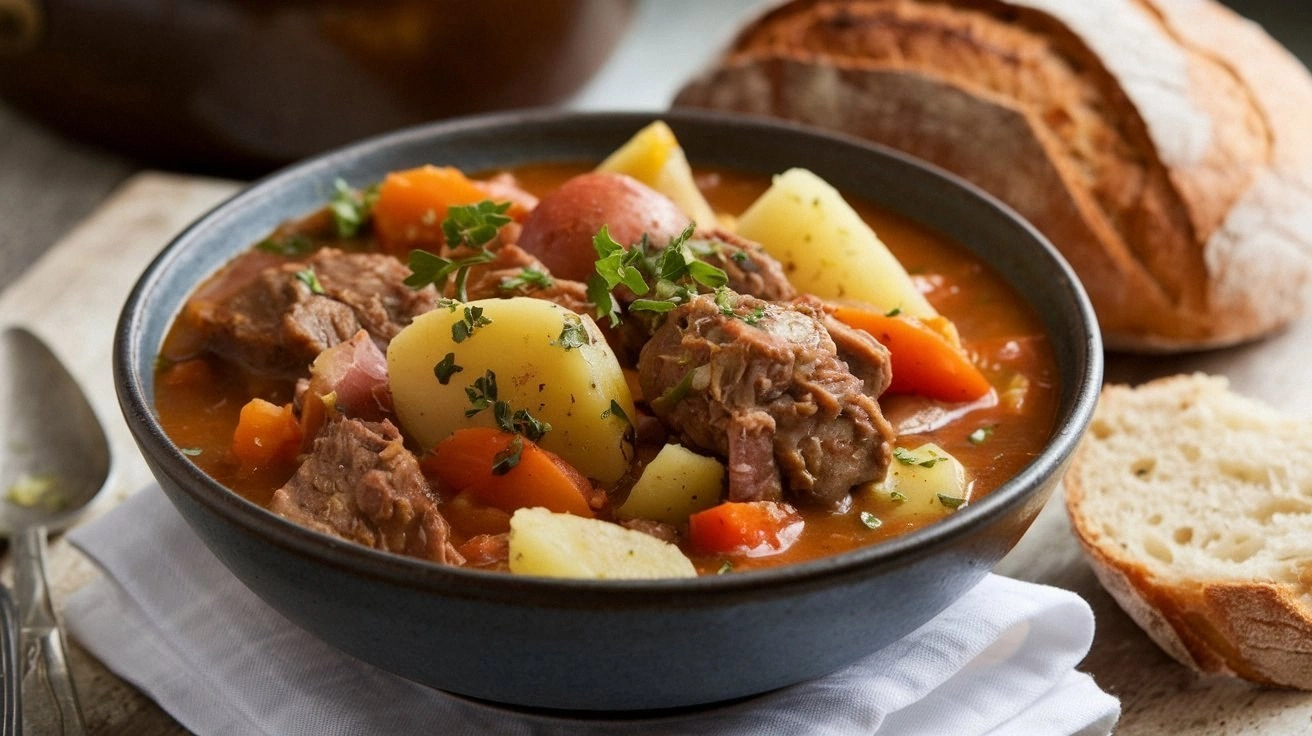
Potatoes and carrots are the textural anchors. Potatoes are cut into rounds to ensure even cooking, while carrots provide a subtle sweetness and a pop of color. The onions, thinly sliced, caramelize into a soft, sweet glaze that coats the other ingredients. If you omit the carrots, the dish loses a layer of natural sweetness that balances the saltiness.
The Unexpected Star
White wine, though optional, is the secret weapon that lifts the stew. It adds acidity and complexity, cutting through the richness of the meat. If you prefer a lighter version, simply omit the wine; the broth will still be flavorful, but the dish will feel a touch less sophisticated.
The Final Flourish
Fresh parsley, chopped, is sprinkled on top just before serving. This bright green garnish adds a fresh, herbal note that lifts the entire dish. If you’re allergic or simply don’t like parsley, you can replace it with chives or a dash of dill for a different twist.
Everything's prepped? Good. Let's get into the real action.
The Method — Step by Step
- Heat a large, heavy‑bottom pot over medium heat and add a splash of oil. Once the oil shimmers, add the pork sausages and brown them on all sides. The goal is a golden crust that locks in flavor. When the sausages release their juices, you’ll hear a satisfying sizzle that signals the base is ready.
- Add the back bacon to the pot and let it cook until the edges are crisp. The bacon will render fat that will coat the entire dish. Once the bacon is browned, use a slotted spoon to transfer it to a paper towel to drain, but keep the fat in the pot.
- Now, introduce the thinly sliced onions. Cook them until they become translucent and start to caramelize. The onions are the sweet counterbalance to the savory meats. Keep an eye on them; if they brown too quickly, lower the heat.
- Add the minced garlic and sauté for 30 seconds until fragrant. Garlic is a flavor powerhouse, but too long on heat can burn it into bitterness. Keep the heat moderate, and you’ll get that aromatic punch without the harshness.
- Pour in the white wine and let it reduce by half, which concentrates its acidity and sweetens the broth. The reduction should take about 3 minutes. Watch for the liquid to thicken slightly; this is the moment where the dish’s character starts to build.
- Introduce the diced carrots and potato rounds, followed by the chicken broth. Stir to combine, then bring the mixture to a gentle boil. Once boiling, reduce the heat to low, cover, and let it simmer for 25 minutes. The low simmer allows the flavors to mingle without breaking the potatoes.
- Add the browned bacon back into the pot. The bacon’s fat now infuses the broth, giving it a silky finish. Let everything cook for an additional 5 minutes, allowing the flavors to marry.
- Season with dried thyme, salt, and pepper to taste. The thyme adds a subtle earthiness that grounds the dish. Taste the broth; adjust the seasoning if necessary. The balance here is crucial—too salty, and the dish feels heavy; too bland, and it’s forgettable.
- Finally, sprinkle chopped parsley over the top. The parsley brightens the dish and adds a fresh finish. Serve hot, ladling the stew into bowls and letting the aroma envelop your senses. That sizzle when it hits the pan? Absolute perfection.
That's it — you did it. But hold on, I've got a few more tricks that'll take this to another level.
Insider Tricks for Flawless Results
The Temperature Rule Nobody Follows
Maintain a gentle simmer throughout the cooking process. A rolling boil can break the potatoes and create an uneven texture. I once tried a full boil, and the potatoes turned to mush before the flavors had a chance to develop. Keep the heat low, and the dish will stay cohesive.
Why Your Nose Knows Best
Smell the broth before adding the final seasoning. Your nose can detect if the broth needs more salt or if it’s already balanced. I’ve learned to trust my olfactory senses; a well‑seasoned stew should smell like a cozy fireplace, not like a chemical lab.
The 5-Minute Rest That Changes Everything
Let the dish rest for 5 minutes off the heat before serving. This short pause allows the flavors to settle and the broth to thicken slightly. A friend tried skipping this step once, and the result was a watery stew that didn’t hold its shape.
The Right Pot Matters
A heavy‑bottomed pot distributes heat evenly, preventing hot spots that can scorch the onions or burn the bacon. If you’re using a thin‑bottomed saucepan, consider adding a small amount of oil to the bottom to create a barrier against direct heat.
The Garlic Timing Trick
Add garlic after the onions have caramelized but before the wine reduction. This placement ensures that the garlic releases its full flavor without becoming bitter. I’ve seen recipes that add garlic too early, resulting in a harsh aftertaste that ruins the dish.
The Final Touch of Freshness
A final sprinkle of fresh parsley just before serving brings brightness that cuts through the richness. If you’re in a hurry, a dash of lemon zest can serve as an equivalent brightener.
Creative Twists and Variations
This recipe is a playground. Here are some of my favorite ways to switch things up:
Smoky Chipotle Coddle
Swap the white wine for a splash of chipotle‑in‑adobo sauce. The smoky heat pairs beautifully with the pork and bacon. Add a pinch of cumin for extra depth. This version is perfect for those who love a little kick.
Vegetarian Coddle
Replace the sausages with hearty lentils and use tempeh bacon. The lentils add protein, while the tempeh offers a smoky, savory bite. Keep the broth the same, and the dish will still feel like a comforting classic.
Low‑Carb Coddle
Swap potatoes for cauliflower florets. The cauliflower absorbs the broth just like potatoes, creating a low‑carb alternative that still delivers on flavor. The texture changes slightly, but the overall experience remains satisfying.
Herb‑Infused Coddle
Add a handful of fresh rosemary and a bay leaf during the simmer. These herbs bring a fragrant, earthy note that elevates the dish. Remove the bay leaf before serving to avoid a bitter taste.
Spicy Jalapeño Coddle
Dice a jalapeño and sauté it with the onions for a fiery twist. The jalapeño’s heat cuts through the richness and adds a vibrant color. Pair it with a side of cool yogurt to balance the spice.
Mushroom & Thyme Coddle
Sauté sliced mushrooms with the onions and add them to the pot. The mushrooms bring an umami depth that complements the thyme. This variation is especially good for autumn, when mushrooms are at their peak.
These variations keep the core of the dish intact while offering fresh twists for any occasion.
Storing and Bringing It Back to Life
Fridge Storage
Cool the coddle completely, then transfer it to an airtight container. Store it in the refrigerator for up to 3 days. The flavors will deepen, but the texture remains intact. When reheating, add a splash of broth to keep it moist.
Freezer Friendly
Divide the stew into portions in freezer‑safe containers. Label with the date and freeze for up to 3 months. Thaw overnight in the fridge before reheating. This makes it a convenient week‑night meal.
Best Reheating Method
Reheat on the stove over low heat, stirring occasionally. Add a small splash of water or broth to prevent the broth from thickening too much. Bring to a gentle simmer, then serve hot. This method preserves the sauce’s silky texture.
Add a tiny splash of water before reheating—it steams back to perfection, restoring that silky mouthfeel that makes the dish irresistible.