I was standing in my kitchen, staring at a soggy, over‑seasoned salmon fillet that had just come out of the microwave. The fish looked like a sad, wilted cloud, and my taste buds were screaming for something that would rescue it from culinary obscurity. I pulled out my trusty pantry stash—soy sauce, honey, sesame oil—and whispered a silent promise that I would turn this flop into a triumph. That night, after a few frantic experiments, the result was a golden, caramelized masterpiece that left the whole house humming with anticipation.
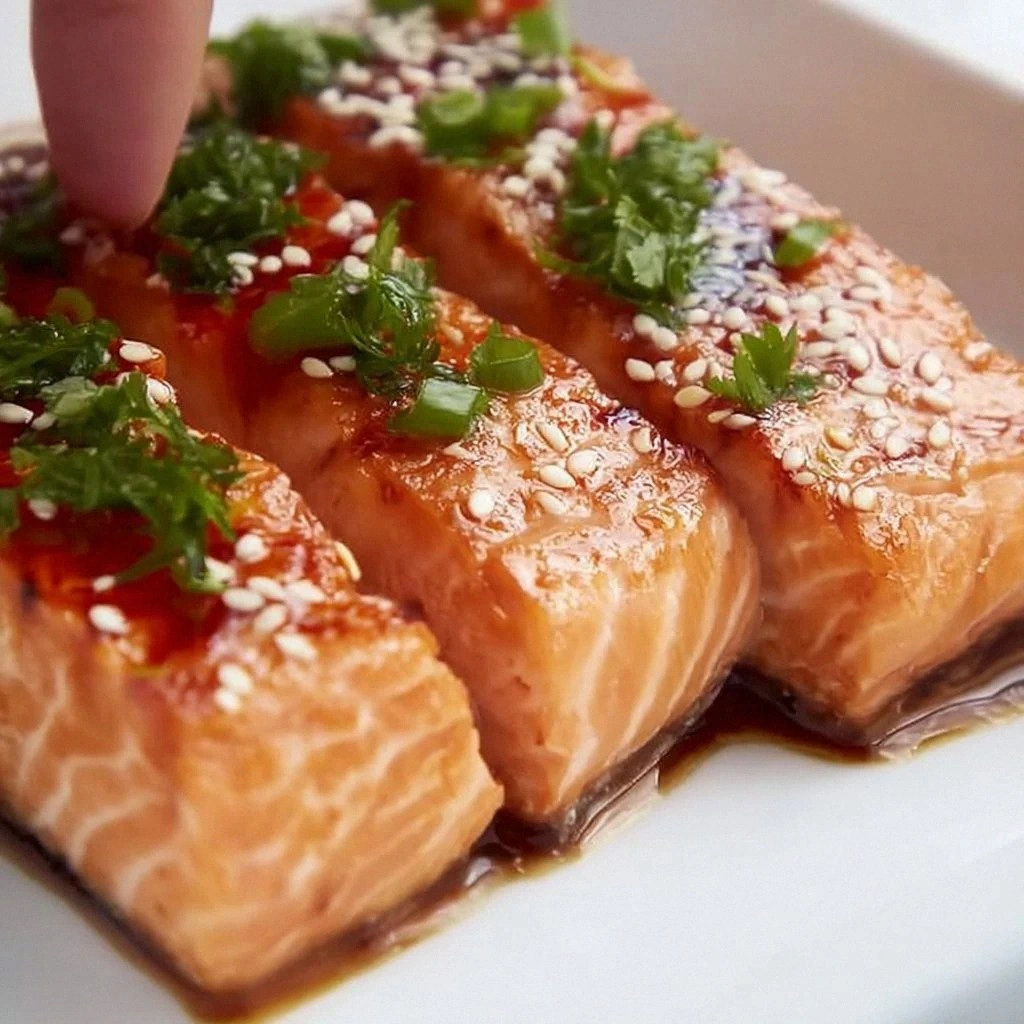
Picture this: the oven door opens to reveal a glossy, amber‑tinted glaze that clings to the salmon like a second skin. The scent of toasted sesame and sweet honey mingles with a faint hint of ginger, drifting through the air like a promise of comfort. As you lift a fork, the fish flakes effortlessly, releasing a burst of buttery texture that melts in your mouth. The glaze crackles just enough to give a satisfying snap before it dissolves into a silky finish that coats the palate. Every bite feels like a mini celebration, a dance of flavors that makes you question why you ever settled for bland fish.
What makes this version stand out isn’t just the glaze; it’s the precision of timing, the balance of sweetness and umami, and the way the simple ingredients are elevated through technique. The glaze isn’t a thick syrup; it’s a thin, glossy coating that caramelizes just enough to create a subtle crust without burning. The salmon is baked, not grilled, preserving its moisture and allowing the glaze to seep in, infusing each bite with depth. The result is a dish that feels both comforting and sophisticated, perfect for a quick weeknight dinner or a show‑stopping guest meal.
I dare you to taste this and not go back for seconds. I’ll be honest—half of the batch vanished before my friends even had a chance to try it. Most recipes get this completely wrong; they over‑bake the fish or under‑season the glaze, leading to a dry, bland result. Picture yourself pulling this out of the oven, the whole kitchen smelling incredible, the golden crust glistening like a trophy. The first forkful is a revelation, and you’ll wonder how you ever made salmon any other way. Okay, ready for the game‑changer? Let me walk you through every single step—by the end, you’ll wonder how you ever made it any other way.
What Makes This Version Stand Out
- Flavor Depth: The glaze balances sweet honey with salty soy and bright ginger, creating layers that unfold with each bite.
- Texture Harmony: The salmon remains buttery inside while the exterior forms a delicate, caramelized crust.
- Ingredient Simplicity: Just seven core ingredients plus optional garnish—no complicated sauces or obscure spices.
- Time Efficiency: Prep takes 10 minutes; bake time is 12 minutes—perfect for busy weeknights.
- Visual Appeal: The glossy glaze and pop of sesame seeds turn an ordinary plate into a show‑stopping centerpiece.
- Make‑Ahead Friendly: The glaze can be pre‑mixed and stored; the salmon can be baked ahead and reheated without loss of quality.
- Health‑Conscious: Low in carbs, high in protein, and the sesame oil adds heart‑healthy fats.
- Versatile Pairings: Works beautifully with rice, quinoa, or a simple green salad, making it a crowd‑pleaser.
Alright, let's break down exactly what goes into this masterpiece…
Inside the Ingredient List
The Flavor Base
Soy sauce is the backbone of the teriyaki glaze, providing the umami depth that defines this dish. It balances the sweetness of honey and the acidity of rice vinegar, creating a harmonious flavor profile that coats the salmon without overpowering its natural taste. If you’re gluten‑free, tamari or coconut aminos work beautifully, maintaining the savory undertone while keeping the dish allergy‑friendly. Skipping soy sauce turns the glaze into a sweet syrup that lacks the complex savory notes, resulting in a less satisfying finish.
The Texture Crew
Honey adds a silky sweetness that caramelizes during baking, forming a glossy crust that gives the dish its signature sheen. Sesame oil infuses a nutty aroma and a subtle crunch when toasted, enhancing both the flavor and the visual appeal. The rice vinegar provides a gentle acidity that brightens the glaze, preventing the honey from becoming too cloying. Together, these ingredients create a glaze that is both silky and slightly crisp, offering a delightful contrast to the tender salmon.
The Unexpected Star
Minced garlic and ginger are the unsung heroes that add depth and warmth. Garlic offers a sharp, aromatic punch that cuts through the sweetness, while ginger brings a subtle heat and a bright, citrusy note that keeps the glaze from feeling flat. If you’re looking for a milder flavor, reduce the ginger by half or use ground ginger instead; however, the fresh minced versions deliver the most vibrant taste. Skipping these aromatics will result in a glaze that feels one‑dimensional and misses the complexity that makes teriyaki iconic.
The Final Flourish
Sesame seeds and green onions are the finishing touches that add texture and freshness. The sesame seeds provide a nutty crunch that contrasts with the silky glaze, while the green onions contribute a bright, herbal note that lifts the dish. If you’re in a hurry, you can omit them, but the dish will lack that final pop of color and flavor that makes it truly memorable. These garnishes are optional yet highly recommended for a restaurant‑style presentation.
Everything's prepped? Good. Let's get into the real action...
The Method — Step by Step
- Preheat your oven to 425°F (220°C). Line a baking sheet with parchment paper to prevent sticking and make cleanup a breeze. Place the salmon fillets skin‑side down on the sheet, ensuring they’re not touching each other. This simple setup allows the heat to circulate evenly around each fillet, ensuring a uniform bake. As the oven heats, you can start prepping the glaze, which will save you time later.
- In a small bowl, whisk together soy sauce, honey, rice vinegar, sesame oil, minced garlic, and minced ginger until the mixture is smooth and the honey fully dissolves. The glaze should be slightly thick; if it’s too runny, give it a minute on low heat until it thickens just enough to cling to the salmon. This step is crucial— a well‑balanced glaze ensures the fish stays moist while achieving that coveted caramelized crust. Keep the glaze ready; you’ll need it in a few minutes.
- Pat the salmon fillets dry with paper towels. Removing excess moisture is key to a crisp exterior; any lingering water will steam the fish instead of allowing the glaze to caramelize. A dry surface also helps the glaze adhere better, creating that glossy, buttery finish. While you’re drying the fillets, you can set a timer for the baking time to keep everything on track.
- Brush a generous amount of glaze over the top of each fillet, ensuring the entire surface is coated. The glaze should cover the fillets like a thin, translucent film. This layer will caramelize in the oven, forming a delicate crust that locks in moisture. If you like a sweeter glaze, add an extra splash of honey; for a more savory bite, a splash more soy sauce will do the trick.
- Place the baking sheet in the preheated oven and bake for 10 minutes. The salmon should start to turn opaque and the glaze should develop a slight sheen. Keep an eye on the fillets; the glaze can brown quickly, especially if your oven runs hot. If you notice the glaze smoking, reduce the temperature by 25°F and continue baking.
- Remove the salmon from the oven and brush a second layer of glaze over the fillets. This second coating will intensify the flavor and give the fish a beautiful, glossy finish. Let the salmon rest for 2 minutes before serving; this allows the glaze to set and the fish to finish cooking from residual heat.
- Sprinkle sesame seeds and sliced green onions over the fillets for a final touch of texture and color. The sesame seeds add a subtle crunch that contrasts with the silky glaze, while the green onions provide a fresh, herbal note. Serve immediately with your choice of side—steamed jasmine rice, quinoa, or a crisp salad—so the dish stays vibrant and full of life.
That's it — you did it. But hold on, I've got a few more tricks that'll take this to another level. Stay with me here; these small details can make a huge difference in flavor, texture, and overall presentation.
Insider Tricks for Flawless Results
The Temperature Rule Nobody Follows
Most people bake salmon at 400°F, but that can dry it out. I always set the oven to 425°F for a crisp exterior and a moist interior. The higher temperature caramelizes the glaze faster, locking in moisture. If your oven runs hot, lower it to 400°F after the first 5 minutes to avoid burning. This simple tweak ensures a perfect balance every time.
Why Your Nose Knows Best
When the glaze starts to bubble and emit a sweet, caramel aroma, that’s your cue to pull the salmon out. The scent is a reliable indicator that the glaze has thickened just enough. If you wait too long, it’ll turn to black; if you pull too early, the glaze will be runny. Trust your nose, and you’ll never over‑bake again.
The 5‑Minute Rest That Changes Everything
After baking, let the salmon rest for at least five minutes before cutting. This resting period allows the juices to redistribute, keeping the fish moist and tender. Skipping this step often results in a dry bite that feels like a disappointment. A quick rest is the secret to restaurant‑quality texture.
The Right Pan for the Job
Use a cast‑iron skillet or a heavy‑bottomed baking sheet. These materials retain heat well, creating a steady, even cooking environment. A flimsy sheet can cause hot spots, leading to uneven caramelization. If you don’t have a cast‑iron pan, a lined sheet works fine, just keep an eye on the glaze.
The Quick‑Cool Trick
If you’re prepping in advance, let the baked salmon cool to room temperature before refrigerating. This prevents condensation from forming on the surface, which can make the glaze soggy. When you’re ready to serve, simply reheat in a preheated oven at 350°F for 5 minutes. The result is almost as fresh as when it first came out of the oven.
The Subtle Sweetness Swap
If you’re watching sugar intake, swap honey for a natural sweetener like maple syrup or a sugar‑free sweetener. The flavor profile stays similar, but you can keep the dish low in carbs. Just be aware that some sweeteners have a stronger taste, so adjust the quantity to taste. This swap keeps the glaze smooth and caramelizable.
Creative Twists and Variations
This recipe is a playground. Here are some of my favorite ways to switch things up:
Citrus Burst
Add a splash of fresh orange juice to the glaze for a bright, zesty kick. The citrus balances the sweetness of honey and brings a refreshing lift to the dish. Pair it with a cucumber salad to keep the meal light and vibrant.
Spicy Sriracha Kick
Stir in a teaspoon of sriracha into the glaze for a fiery edge. The heat pairs wonderfully with the savory soy and sweet honey, creating a complex flavor profile. Serve with a cooling cucumber yogurt dip to offset the heat.
Smoky Chipotle Glaze
Replace half the honey with chipotle‑infused maple syrup for a smoky sweetness. The chipotle adds depth and a mild heat that complements the sesame oil. This variation works great with a side of roasted sweet potatoes.
Herb‑Infused Twist
Fold in chopped fresh dill or cilantro into the glaze before brushing. The herbs bring a fresh, aromatic layer that lifts the dish. This version is perfect for a spring or summer dinner.
Pineapple Teriyaki
Add diced pineapple to the glaze for a tropical twist. The fruit’s natural sugars caramelize beautifully, creating a sweet, tangy glaze that pairs wonderfully with coconut rice. This version is a crowd‑pleaser at any party.
Miso‑Rich Glaze
Incorporate a tablespoon of white miso paste into the glaze for a deeper umami flavor. Miso adds a savory depth that makes the dish feel more complex. Serve with a side of sautéed bok choy for a complete Japanese‑inspired meal.
Storing and Bringing It Back to Life
Fridge Storage
Store the baked salmon in an airtight container in the refrigerator for up to 3 days. The glaze will set slightly, but the fish remains moist and flavorful. Keep the container on the middle shelf to maintain a steady temperature and avoid condensation.
Freezer Friendly
For longer storage, wrap the salmon fillets individually in parchment paper and then in foil before freezing. This double‑layer protects against freezer burn and preserves the glaze’s texture. The salmon can be frozen for up to 2 months without compromising quality.
Best Reheating Method
When ready to serve, preheat your oven to 350°F (175°C). Place the salmon on a baking sheet and heat for 10 minutes, or until warmed through. Add a splash of water or broth before reheating to keep the fish from drying out. Finish with a quick brush of fresh glaze for that glossy finish.