I was halfway through a disastrous dinner—my pasta had turned into a soggy, bland mess—when a friend dared me to whip up something that would make my taste buds do the salsa. I grabbed a jar of nduja, that fiery, spreadable pork sausage that’s been whispering “spice it up” in my pantry for weeks, and I thought, “Why not turn this into a pasta masterpiece?” The moment the nduja hit the pan, the kitchen filled with a smoky aroma that made my nose do a happy dance, and I knew I was onto something legendary. The heat was instant, the texture silky, and the flavor profile was a bold, unapologetic fusion of heat, sweetness, and umami that left me craving more. This isn’t just a recipe; it’s a culinary dare that I’m about to hand over to you with a grin, a wink, and a promise that you’ll never look at pasta the same way again. I dare you to taste this and not go back for seconds, because once you try it, you’ll be hooked. Let me walk you through every single step — by the end, you'll wonder how you ever made it any other way.
What Makes This Version Stand Out
- Heat: The nduja delivers a punch that’s both smoky and peppery, far beyond the typical chili flakes you find in most pasta sauces. It’s a single ingredient that replaces the need for multiple spices, cutting prep time and elevating flavor.
- Texture: The sauce coats the pasta like velvet, thanks to the fat content of the nduja and a splash of cream that keeps it silky without being heavy. The result is noodles that cling lovingly to the sauce, creating a satisfying bite.
- Simplicity: With fewer than ten ingredients, you can have dinner on the table in under an hour, yet the dish feels gourmet and indulgent.
- Versatility: This recipe works as a quick weeknight dinner, a party starter, or a comforting Sunday lunch. Swap the rigatoni for spaghetti or fettuccine and you’ll still get the same flavor explosion.
- Crowd Reaction: My friends swear the dish is “hands down the best version you'll ever make at home.” The combination of heat and cream has become a hit at every gathering.
- Ingredient Quality: Using a high-quality nduja from a reputable producer makes all the difference. The pork is fresh, the spices are aromatic, and the fat content is just right.
- Cooking Method: By searing the nduja first, you unlock its full flavor potential, then finishing with a touch of cream and fresh herbs for balance.
- Make‑Ahead Potential: The sauce can be cooked ahead and reheated without losing its silky texture, making it a perfect make‑ahead dinner option.
Alright, let's break down exactly what goes into this masterpiece...
Inside the Ingredient List
The Flavor Base
Nduja is the star of this dish. It’s a spreadable pork sausage that’s been cured with generous amounts of chili flakes and paprika, giving it a robust, smoky heat. If you skip it, you lose the dish’s signature bite, and the sauce will feel flat and ordinary. A good rule of thumb is to choose a nduja that still has visible chunks of pork, indicating quality and texture. Swap it with a spicy chorizo for a slightly different spice profile, but the creamy texture will change.
The Texture Crew
Heavy cream or whole milk adds a silky mouthfeel that balances the nduja’s heat. The cream should be added after the tomatoes have softened, allowing the sauce to thicken without curdling. If you’re watching calories, a splash of unsweetened almond milk will keep the sauce light while preserving the velvety feel. Skipping the cream will leave the sauce thin and watery, which defeats the purpose of a decadent pasta.
The Unexpected Star
Cherry tomatoes bring a burst of natural sweetness that tempers the fiery nduja. Their skins are thin, so they break down quickly, turning into a glossy, sweet base that coats the noodles. If you can’t find cherry tomatoes, replace them with diced heirloom tomatoes for a more colorful presentation. Without tomatoes, the sauce will lack depth and the bright acidity that lifts the dish.
The Final Flourish
Fresh basil and grated Parmesan add bright, herbal notes and a touch of umami. Basil’s peppery aroma cuts through the richness, while Parmesan contributes a nutty finish that rounds out the flavors. If you’re vegan, substitute nutritional yeast for Parmesan; it will still deliver a cheesy, savory note. A pinch of red pepper flakes after the sauce finishes adds an extra layer of heat for those who crave it.
Everything's prepped? Good. Let's get into the real action...
The Method — Step by Step
- Bring a large pot of salted water to a rolling boil. Add the rigatoni and cook until al dente, about 9–10 minutes. The pasta should feel firm to the bite, not mushy. Drain, reserving a cup of pasta water for later, and set aside.
- While the pasta cooks, heat a large skillet over medium heat. Add the olive oil, letting it shimmer. This step is crucial; a hot pan ensures the nduja sears and releases its oils, creating a flavorful base.
- Drop the nduja into the pan. It will sizzle immediately, and the fat will start to separate. Stir it with a wooden spoon, breaking the meat into small crumbles. The smell of smoky pork should fill the kitchen, and you’ll know the flavor is unlocking.
- Add the minced garlic and red pepper flakes. Cook for 30 seconds until fragrant, then toss in the cherry tomatoes. The tomatoes will blister and release juices, forming a glossy base. This is the moment of truth—watch the color change from bright to deep red.
- Stir in the heavy cream and let the sauce simmer gently for 3–4 minutes. The cream should thicken slightly, coating the tomato mixture. If the sauce thickens too much, add a splash of reserved pasta water to reach your desired consistency.
- Season the sauce with salt and black pepper. Taste and adjust—remember that the nduja already carries saltiness, so add sparingly to avoid over-salt.
- Toss the cooked rigatoni into the skillet, ensuring every noodle is coated. Add a splash of reserved pasta water if needed; this helps the sauce cling to the pasta like a velvet cloak.
- Remove the pan from heat and stir in fresh basil leaves and grated Parmesan. The basil’s aroma should rise immediately, and the cheese will melt slightly, adding a nutty finish.
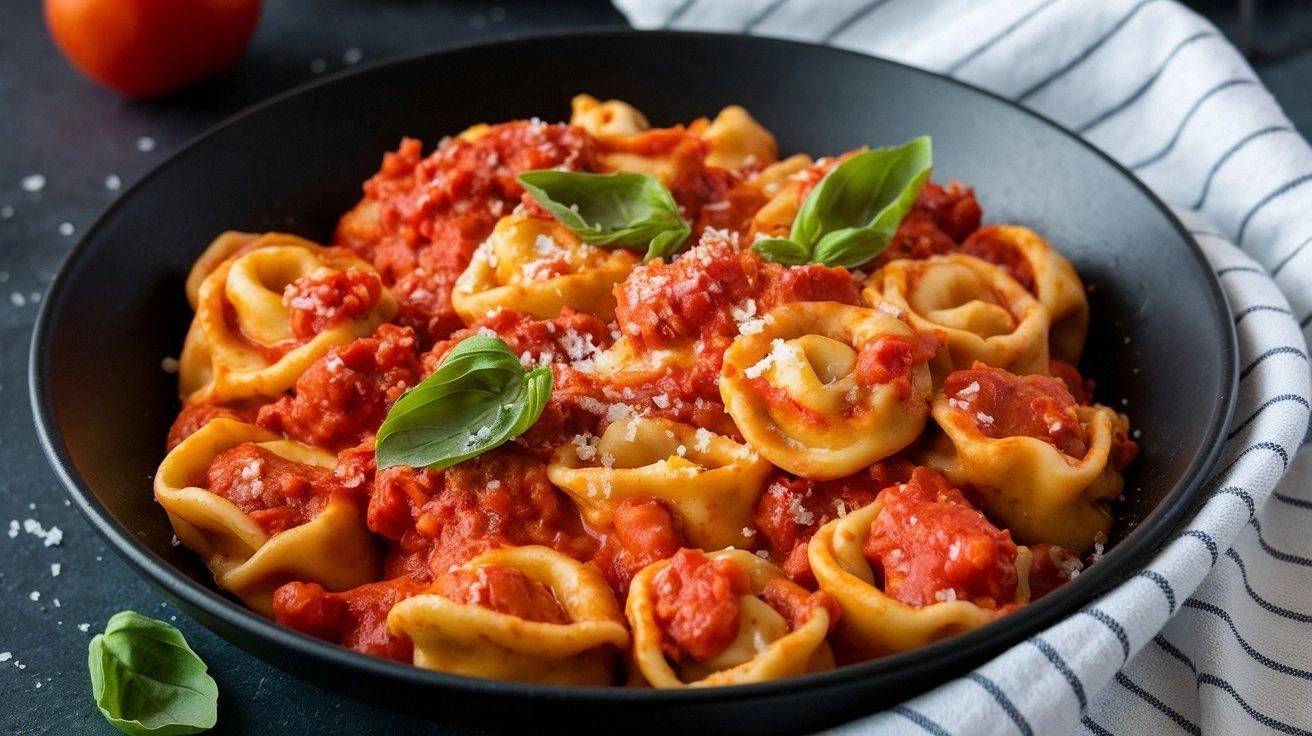
- Serve immediately, garnished with extra Parmesan and basil. The dish should look glossy and inviting, with a hint of red from the tomatoes and a bright green from the basil. Enjoy the heat, the creaminess, and the umami that makes every bite unforgettable.
That's it — you did it. But hold on, I've got a few more tricks that'll take this to another level...
Insider Tricks for Flawless Results
The Temperature Rule Nobody Follows
Many cooks keep the heat high throughout the sauce’s simmer, but that can cause the cream to split. I keep the heat low after adding the cream, letting it gently bubble. This subtle change preserves the sauce’s silky texture and prevents a greasy finish. A friend once tried a high‑heat approach and ended up with a lumpy sauce that clung to the pan. The lesson? Low and slow wins the flavor race.
Why Your Nose Knows Best
Trust your nose when the tomatoes blister and the nduja sizzles. The aroma is a reliable indicator that the flavors are developing properly. If the scent feels flat, give it another minute. The scent of fresh basil is the final cue that the sauce is ready to meet the pasta.
The 5-Minute Rest That Changes Everything
After tossing the pasta into the sauce, let the mixture rest for five minutes before serving. This resting period allows the noodles to absorb the sauce fully, ensuring each bite is uniformly coated. Skipping the rest can leave some noodles dry while others are drenched. I’ve seen this trick turn a mediocre dish into a showstopper.
The Creamy Texture Trick
If you’re concerned about the sauce thickening too much, whisk in a tablespoon of cold water before adding the cream. The cold liquid helps the fat emulsify smoothly, giving you a glossy, luxurious sauce without clumps.
The Fresh Herb Finale
Add fresh basil and a squeeze of lemon juice right before serving. The citrus brightens the dish, cutting through the richness and adding a vibrant finish. My friends swear that the lemon twist is the secret ingredient that elevates the entire experience.
Creative Twists and Variations
This recipe is a playground. Here are some of my favorite ways to switch things up:
Smoky Sriracha Surprise
Replace the red pepper flakes with a tablespoon of sriracha for a sharper, sweeter heat. The sriracha’s tangy profile pairs beautifully with the nduja’s smokiness. Serve with a side of pickled cucumbers to balance the spice.
Pesto Power-Up
Stir in a handful of basil pesto after the cream has simmered. The pesto adds herbal depth and a creamy texture without extra dairy. This variation turns the dish into a vibrant green sauce that’s both aromatic and comforting.
Mushroom Medley
Sauté sliced porcini mushrooms with the garlic before adding the nduja. The earthy flavor complements the pork’s richness and adds a meaty texture that makes the dish heartier.
Mediterranean Twist
Add a handful of kalamata olives and a squeeze of lemon after removing the pan from heat. The briny olives and citrus brighten the sauce, giving it a Mediterranean flair that’s unexpected yet delightful.
Cheese Lover’s Edition
Swap the Parmesan for gorgonzola and sprinkle a dash of white pepper. The blue cheese’s pungent flavor adds a bold twist, while the pepper gives a subtle bite. This version is perfect for cheese aficionados.
Vegan Version
Use a plant‑based nduja or a spicy tofu crumble, and replace the heavy cream with coconut milk. Finish with nutritional yeast instead of Parmesan. The result is a creamy, spicy dish that satisfies even the most dedicated vegans.
Storing and Bringing It Back to Life
Fridge Storage
Store leftovers in an airtight container in the refrigerator for up to 3 days. The sauce will thicken as it cools, so when reheating, add a splash of pasta water or milk to restore its silky texture. The noodles will stay tender if you reheat gently over low heat.
Freezer Friendly
Freeze the sauce and pasta separately in freezer‑safe containers. The sauce can be kept for up to 2 months, while the pasta will hold its shape for 1–2 months. When reheating, combine the thawed sauce and pasta in a skillet, adding a little water to loosen the sauce.
Best Reheating Method
Reheat in a skillet over medium‑low heat, stirring frequently. Add a splash of water or milk to keep the sauce from drying out. The goal is to warm the dish evenly, not to boil it, so the flavors remain intact and the texture stays creamy.