I still remember the first time I tried to make a martini at home. Picture this: a cramped apartment kitchen, a bottle of bottom-shelf gin that had been gathering dust since my college days, and a vague memory of watching a bartender do something fancy with a shaker. I dumped a splash of vermouth (no idea how much), shook everything like a maniac, and served it in a coffee mug because apparently I didn’t own proper glassware. The result tasted like pine-scored hand sanitizer with a side of regret. I swore martinis were just pretentious nonsense and vowed to stick with beer.
Fast-forward five years. I’m sitting at a dimly lit bar in downtown Chicago, the kind with leather banquettes and a bartender who calls himself a mixologist. He sets a crystal-clear martini in front of me, the surface so cold it’s shimmering. The first sip was a revelation: silky, botanical, bracingly cold, with a faint whisper of lemon oil dancing on top. In that moment I realized the martini isn’t just a drink—it’s a mood, an attitude, a tiny liquid tuxedo. I became obsessed with recreating that perfection at home, and after countless trials (and a few comical errors—ever try to stir a drink with a table knife because you can’t find a bar spoon?), I finally cracked the code.
This guide is the culmination of those experiments. You’ll learn why the ratio of gin to vermouth can make or break the drink, how to achieve that glassy sheen without diluting it into tap water, and why the garnish is way more than decoration—it’s the aromatic exclamation point. I’ll even confess the shortcut I use on busy weeknights when I want a flawless martini but don’t feel like channeling my inner James Bond. By the end, you’ll be crafting cocktails that would make a seasoned bartender nod approvingly while secretly wondering if you’re moonlighting at a speakeasy.
Ready to trade clumsy home pours for bar-quality elegance? Let me walk you through every single step—by the end, you’ll wonder how you ever made it any other way.
What Makes This Version Stand Out
Ice-Cold Precision: Most recipes tell you to “shake with ice” and move on, but temperature is everything. I pre-chill the glass, the shaker, and even the spirits for five minutes in the freezer. The result is a martini that stays so cold you can practically hear it whisper “winter.”
Vermouth Without Fear: Too many people treat dry vermouth like it’s toxic. This recipe uses just enough to give the gin a botanical hug without stealing the spotlight. Think of vermouth as the supporting actor who deserves an Oscar nod, not the villain.
Garnish That Pops: A rubbery olive plucked from a jar? No thanks. I’ll show you how to select olives that still crunch, plus a quick lemon-peel technique that releases a mist of citrus oils across the surface—like liquid sunshine.
Ratio Perfection: After testing everything from the Churchill splash (wave the bottle near the glass) to the 50/50 “wet” martini, I landed on 5:1 gin to vermouth. It hits that sweet spot where the gin sings and the vermouth hums harmony.
Glassware Game: Size matters. A five-ounce coupe keeps the drink cold and looks impossibly elegant. Oversized glasses mean warm, diluted sadness halfway through. Trust me, I’ve tested both, and nobody likes a flabby martini.
Batch-Worthy Brilliance: Hosting a dinner party? You can pre-mix the gin and vermouth in the right ratio, stash it in the freezer, and simply pour and garnish when guests arrive. You’ll look like a cocktail wizard with zero last-minute fuss.
Alright, let’s break down exactly what goes into this masterpiece...
Inside the Ingredient List
The Spirit Core
Gin is the traditional heart of a martini, and a quality London-dry style gives those classic juniper-forward, piney notes that pair so well with dry vermouth. If juniper reminds you too much of a Christmas tree, try a more modern gin like Hendrick’s, which leans on cucumber and rose for a softer profile. Vodka works too—opt for something clean like Tito’s or Grey Goose; skip the bargain plastic-bottle stuff unless you enjoy the flavor of rubbing alcohol. Remember, the spirit is 90 percent of the drink, so this is not the place to economize.
Buy the best you can reasonably afford. A $30 bottle split over many cocktails is cheaper than bar prices, and the quality leap from budget to mid-shelf is dramatic. Store opened bottles in a cool, dark cabinet; light and heat degrade delicate botanicals faster than you can say “shaken not stirred.”
The Vermouth Whisper
Dry vermouth is aromatized wine fortified with brandy and infused with botanicals like chamomile, coriander, and citrus peel. It adds complexity, tames the gin’s heat, and gives the drink a silky texture. Think of it as seasoning: too little and the drink is harsh, too much and it tastes like oxidized Chardonnay. A fresh bottle matters more than price; once opened, vermouth oxidizes like wine and turns flat and musty within a month, maybe two if you refrigerate it.
I keep a half-bottle in the fridge and write the open date on painter’s tape so I know when it’s time to retire it. If you only make the occasional martini, buy 375 mL bottles or split a full one with a friend. Your taste buds will thank you.
The Chill Factor
Ice isn’t glamorous, but it’s mission-critical. Use fresh, cold ice that hasn’t been sitting half-melted in the tray, because older ice carries freezer odors that will hijack your drink. I go heavy: fill the shaker to the brim; more ice means faster chilling and less dilution. If you’re fancy, invest in two-inch cubes or spheres that melt slowly, but standard cubes work fine as long as they’re plentiful and fresh.
Avoid crushed ice unless you’re making a Mojito; it melts too quickly and can water down the delicate balance. And never reuse ice from a previous shake—pour it out and start fresh every round. Yes, that’s an extra ten seconds, and yes, it’s worth every one.
The Garnish Personality
Olives bring a briny, savory note that marries beautifully with gin. Look for firm, Spanish olives packed in brine rather than the canned, rubbery kind. For an extra flourish try blue-cheese-stuffed olives—creamy tang against the crisp martini is pure bliss. If you lean citrus, a fresh lemon twist is the way to go: hold a two-inch strip of peel skin-side down over the glass and give it a firm snap to release the oils; you’ll see a fine mist settle on the surface like morning dew.
Can’t decide? Do both: spear an olive and rest a twist on the rim so your guest can choose which aroma to highlight with each sip. Just skip the neon supermarket maraschino cherries; they belong in Shirley Temples, not here.
Everything’s prepped? Good. Let’s get into the real action...
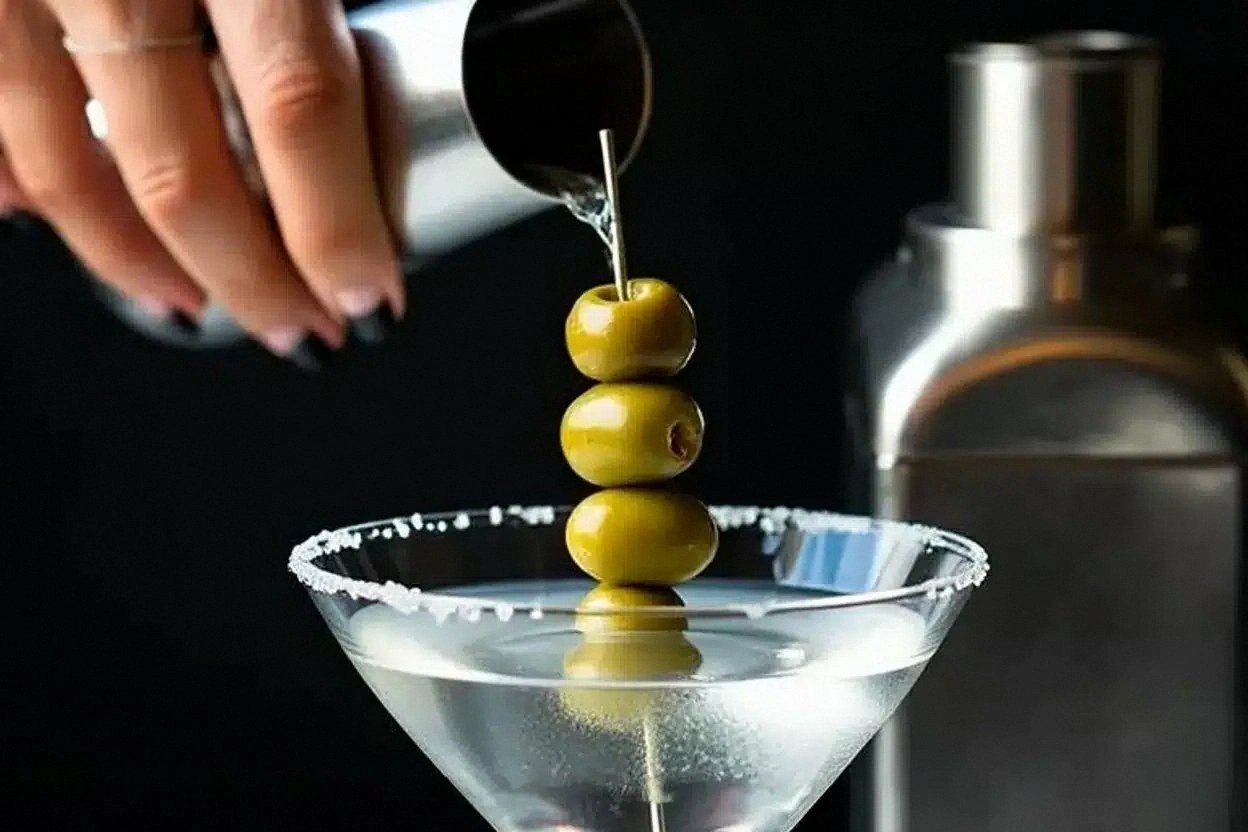
The Method — Step by Step
- Place your martini glass in the freezer at least ten minutes before mixing. If you forgot (we’ve all been there), fill it to the brim with ice and cold water and let it stand while you gather everything else. A frigid glass keeps the drink at peak temperature and prevents premature dilution, so don’t skip this tiny but crucial step.
- Measure 2 ½ ounces of gin or vodka using a jigger or small measuring cup. Precision matters here; eyeballing leads to cocktails that taste like either rocket fuel or flavored water. Pour the spirit into a mixing glass or shaker tin that’s been chilling in the freezer as well.
- Add ½ ounce of fresh dry vermouth. Yes, a whole half ounce—I know the rumors about waving the bottle near the glass, but trust me, vermouth is your friend when used correctly. The 5:1 ratio keeps things crisp yet complex, like a good spy novel.
- Fill the shaker or mixing glass with fresh ice to just above the liquid line. You want so much ice that it feels excessive; this rapid chill prevents the ice from melting too much and watering down your drink. Avoid those sad, half-melted cubes that have been languishing in the tray.
- Stir briskly with a bar spoon for 25–30 seconds. Stirring is the classic technique and yields a silkier texture than shaking, which can create unwanted shards of ice. Hold the spoon between thumb and forefinger and rotate it around the inner edge of the tin; the motion should feel fluid, almost meditative.
- Dump the ice water from your glass (if you used that quick-chill method) and position a Hawthorne strainer over the shaker. Strain the liquid in one smooth motion; it should flow like liquid mercury and coat the glass with a glossy layer. Any foam or ice fragments signal over-dilution or shaking—take note for next time.
- Express the lemon peel by holding it skin-side down an inch above the surface and snapping it sharply. You’ll see a fine mist of citrus oils bloom across the drink, releasing a bright aroma that balances the botanical bitterness. If you’re using olives, spear one or two on a cocktail pick and rest it against the rim so the scent hits the nose with every sip.
- Pause for the briefest moment to admire your handiwork—the crystal clarity, the bead of condensation on the glass, the faint shimmer of lemon oil. Then serve immediately with a confident smile, because you’ve just created liquid elegance in under two minutes.
That’s it—you did it. But hold on, I’ve got a few more tricks that’ll take this to another level...
Insider Tricks for Flawless Results
The Temperature Rule Nobody Follows
Most home bartenders focus on the spirit and ignore the glassware, but a lukewarm glass sabotages even the best ingredients. I keep a coupe or V-shaped glass in the freezer door; it’s always ready, and the frosted surface keeps the drink below 32°F for the first five minutes. If freezer space is tight, fill the glass with crushed ice and a splash of water while you mix, then dump it right before straining. Your future self (and your guests) will taste the difference.
Why Your Nose Knows Best
Before the liquid ever hits your palate, aroma sets expectations. Swirl the empty glass and take a quick sniff—if you detect freezer burn or dish-soap residue, rinse with a splash of gin, swirl, and discard. This “seasons” the glass and removes off odors that would clash with the delicate botanicals. It’s a five-second step that elevates the entire experience.
The 5-Minute Rest That Changes Everything
After stirring, let the shaker sit for about 30 seconds while you garnish. Tiny chips of ice settle, letting you pour a crystal-clear cocktail. Over-stirring introduces air bubbles that cloud the drink, so this brief pause allows them to dissipate. It’s the difference between a glossy jewel and a murky puddle.
The Vermouth Swap Secret
If your bottle of vermouth is on its last aromatic legs but you don’t want to waste good gin, treat the vermouth like a rinse: pour ¼ ounce into the glass, swirl to coat, and dump the excess before straining the chilled spirit. You’ll get the subtle scent without the dull, oxidized flavor. It’s a bartender’s hack that saves cocktails and budgets.
The Olive Upgrade
Store olives in their brine, but add a strip of lemon zest and a crushed garlic clove to the jar for a quick pickle boost. After a day in the fridge, the olives absorb citrus brightness and a faint savory note that makes them dangerously snackable. Just don’t eat them all before cocktail hour—future you is counting on that garnish.
Creative Twists and Variations
This recipe is a playground. Here are some of my favorite ways to switch things up:
Dirty Diana
Add ½ ounce of olive brine to the shaker and garnish with a trio of olives for a salty, savory punch. It’s like sipping a seaside breeze in a glass. Perfect for brunch alongside smoked-salmon toast.
Smoky Vesper
Swap half the gin for mezcal and add a lemon twist. The mezcal’s gentle campfire aroma pairs surprisingly well with dry vermouth, creating a cocktail that tastes like twilight on a beach. Serve it when you want to impress that friend who claims to hate gin.
Cucumber Garden
Muddle two cucumber slices in the shaker, add gin, vermouth, and ice, then double-strain into the glass. Garnish with a ribbon of cucumber for a spa-day vibe. Ideal for bridal showers or any time you need something refreshing yet refined.
Orange Blossom
Substitute orange bitters for the usual dash of aromatic bitters and express an orange peel over the surface. The citrus nose amplifies the orange botanicals in the gin, making the drink smell like a Mediterranean orchard at dusk.
Gibson Twist
Trade the olive for a cocktail onion and add a drop of dry sherry to the mix. You’ll get a savory, almost nutty complexity that feels old-school and sophisticated. Serve it in a stemmed glass and pretend you’re in a 1950s detective novel.
Spice Route
Infuse your gin with a cracked cardamom pod and a small slice of fresh ginger for two hours, then proceed as normal. The subtle spice adds warmth without overwhelming the botanicals, perfect for chilly evenings when you want something crisp yet cozy.
Storing and Bringing It Back to Life
Fridge Storage
Martinis are at their best within minutes of mixing, but if you must prep ahead, combine gin and vermouth in the proper 5:1 ratio and keep the blend in a tightly sealed bottle in the coldest part of your fridge for up to three days. Give it a gentle roll (don’t shake) before pouring to redistribute any settled flavors. Garnish fresh each time; olives stored in brine will last weeks, but citrus twists should be cut just before serving.
Freezer Friendly
The spirit-vermouth mixture can live in the freezer indefinitely thanks to the high alcohol content, but leave at least an inch of headspace to prevent cracking. Because the mixture won’t freeze solid, you can pour it straight into a chilled glass and garnish on demand. Just remember to label the bottle unless you enjoy surprise martinis at 8 a.m.
Best Reheating Method
There is, of course, no reheating a martini—if it’s warm, you’ve wandered into the realm of tragic accidents. Should the unthinkable happen, pour it over fresh ice, stir for ten seconds, and re-strain into a fresh glass. The chill will revive the structure, though the aromatics may be slightly muted. Better yet, sip faster next time.