It was a rainy Tuesday evening, and I had a craving that felt like a tiny rebellion against the monotony of my pantry. I stared at the wilted green beans, the leftover rice, and the single packet of red curry paste that had been languishing in the back of my fridge. In that moment, I made a silent promise to myself: I would turn that humble assortment into something that would make my taste buds do a happy dance. The result? A bowl of coconut curry chicken that is so silky and fragrant it practically sings in your mouth.
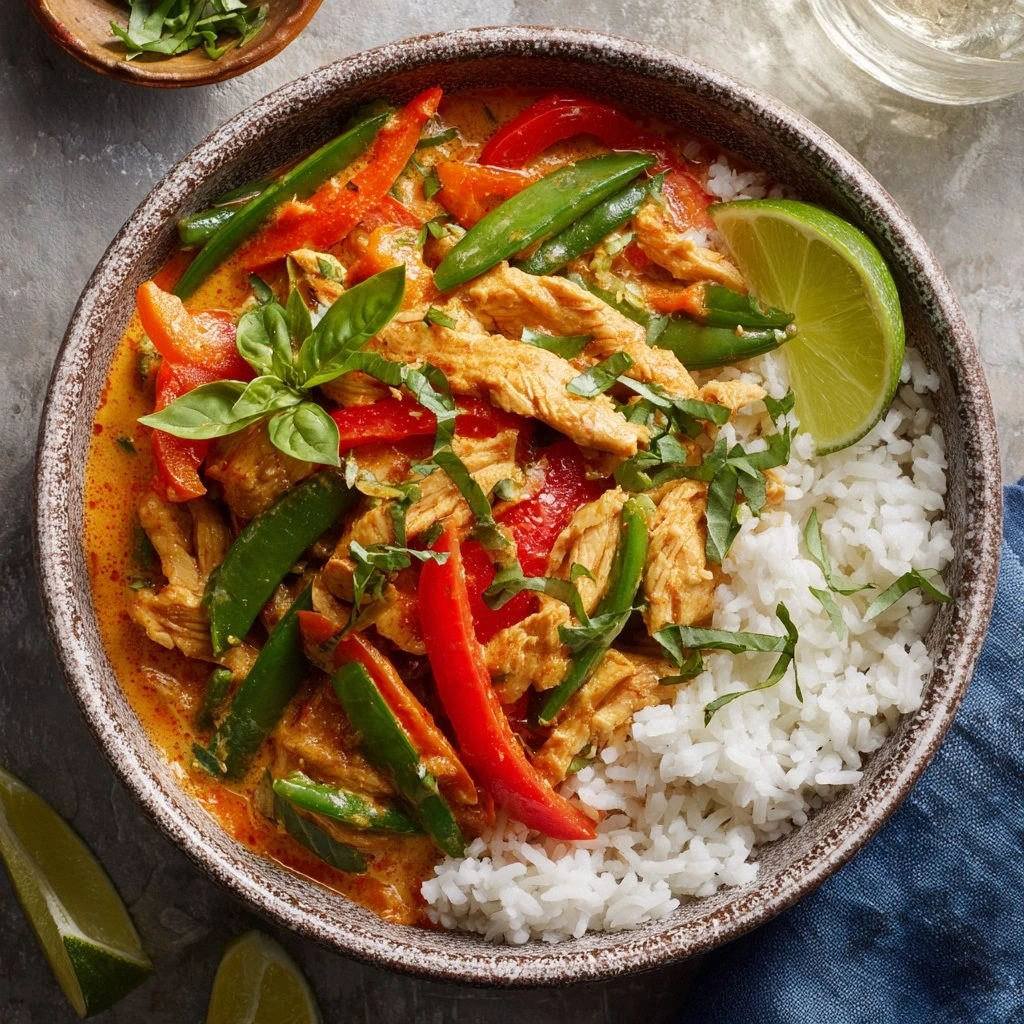
Picture this: a steaming mound of fluffy jasmine rice, topped with tender chunks of chicken that have been caramelized to a golden‑brown perfection, swirled in a sauce that glistens like a tropical sunrise. The aroma alone—coconut, ginger, lime, and a hint of smoky char—fills the kitchen, turning the space into a mini‑restaurant. When you take your first bite, the sauce clings to the rice like velvet, while the chicken bursts with a savory depth that’s both comforting and exotic. The subtle heat from the curry paste dances on your tongue, never overwhelming, just enough to wake up your senses.
What makes this version stand out is that I’ve balanced the richness of coconut milk with the bright acidity of lime and the umami of fish sauce. I’ve also introduced a crunchy element with toasted coconut flakes that adds both texture and a nutty finish. The method is simple enough for a weekday dinner but sophisticated enough to impress guests. I dare you to taste this and not go back for seconds; you’ll find yourself reaching for the bowl again before you even realize it’s finished.
If you’ve ever struggled with making a curry that feels too heavy or too thin, you’re not alone—this is where I’ve cracked the code. The secret is in the layering of flavors and the careful timing of each step. I’ll walk you through every single detail, from selecting the best chicken to mastering the sauce’s consistency. By the end, you’ll wonder how you ever made it any other way.
What Makes This Version Stand Out
- Flavor: The sauce is a harmonious blend of sweet coconut, sharp lime, and savory fish sauce, creating a depth that lingers on the palate.
- Texture: Chicken pieces are seared to lock in juices, while the rice remains fluffy, providing a delightful contrast between silky sauce and airy grains.
- Ease: The recipe requires minimal prep time and no fancy equipment—just a skillet and a saucepan.
- Uniqueness: The addition of toasted coconut flakes and a squeeze of lime at the end gives a fresh, tropical twist that sets it apart from ordinary curries.
- Crowd‑pleaser: Whether you’re feeding a family or entertaining friends, the vibrant colors and aromatic scent make this dish a conversation starter.
- Ingredient Quality: Using fresh, high‑quality chicken and premium coconut milk elevates the dish from good to unforgettable.
- Make‑ahead: The sauce can be prepared a day ahead; the flavors only deepen, making it perfect for busy schedules.
- Versatility: Swap chicken for shrimp, tofu, or even tempeh to adapt the dish to any dietary preference.
Alright, let’s break down exactly what goes into this masterpiece…
Inside the Ingredient List
The Flavor Base
Red curry paste is the backbone of this dish, delivering that unmistakable Southeast Asian heat. Its blend of dried chilies, lemongrass, galangal, and coriander seeds creates a complex profile that is both spicy and aromatic. If you can’t find fresh lemongrass, a teaspoon of dried lemongrass powder works as a good stand‑in. Skipping the paste will result in a bland sauce that feels like a missed opportunity.
Coconut milk provides a creamy, slightly sweet canvas that balances the heat. Opt for full‑fat coconut milk for the richest mouthfeel; light coconut milk will make the sauce thinner and less indulgent. If you’re watching calories, a half‑and‑half blend of coconut milk and Greek yogurt can reduce fat while keeping creaminess.
Fish sauce adds depth and a savory umami punch that cannot be replaced by soy sauce alone. It’s a small amount, but it transforms the sauce from sweet to savory. If you’re vegan, a splash of tamari or mushroom broth can mimic the umami without fish.
The Texture Crew
Chicken thighs are chosen for their tenderness and fat content, which keeps the meat juicy even after searing. Boneless, skinless thighs are easier to handle, but if you prefer a more rustic feel, you can leave the skin on for extra crispness. Cutting the chicken into uniform cubes ensures even cooking and a consistent bite.
Rice—preferably jasmine or basmati—is the neutral base that absorbs the sauce. Cook it with a touch of salt and a splash of coconut milk for extra flavor. If you’re using leftover rice, reheat it gently with a teaspoon of water to revive its fluffiness.
Toasted coconut flakes add crunch and a nutty aroma. Toast them in a dry skillet until golden, then set aside. They provide a contrasting texture that prevents the dish from feeling too soggy.
The Unexpected Star
Lime juice is the bright, citrusy element that cuts through the richness of coconut and balances the heat. Fresh lime juice is essential; bottled lime juice can taste flat. Squeeze the lime directly over the finished dish to release its essential oils and elevate the overall flavor profile.
Fresh cilantro and sliced scallions are the finishing touch, adding herbal freshness and a pop of green. They also help to visually separate the layers, making the dish more appetizing. If you’re not a fan of cilantro’s earthy taste, replace it with parsley or basil for a different herbal note.
The Final Flourish
Sesame seeds and a drizzle of lime‑infused olive oil give the dish a polished finish. The sesame seeds add a subtle nutty crunch, while the oil brightens the sauce. A final sprinkle of chili flakes can offer an extra kick for those who love a little heat.
Everything’s prepped? Good. Let’s get into the real action…
The Method — Step by Step
- Begin by heating a tablespoon of coconut oil in a large skillet over medium heat. Add the diced onions and sauté until translucent, about 3 minutes. The onions should become fragrant and lightly caramelized, signaling that they’re ready to build flavor. This step is crucial for a silky base; don’t rush it.
- Stir in the minced garlic and fresh ginger, letting them toast for 30 seconds until they release their aromas. The sizzling sound is a sign that the aromatics are ready to mingle with the curry paste. If you hear a faint hiss, the oil is hot enough.
- Add two tablespoons of red curry paste to the skillet and stir constantly for one minute. The paste should darken slightly, indicating that its oils have been released. Watch for the scent of chilies and lemongrass to intensify; that’s the flavor foundation taking shape.
- Introduce the chicken cubes, coating them in the aromatic mixture. Sear each side until they develop a golden crust, about 4–5 minutes total. The searing process locks in juices and adds a subtle caramel flavor that deepens the sauce later.
- Pour in one can of coconut milk, a tablespoon of fish sauce, and a teaspoon of brown sugar. Stir to combine, then bring the mixture to a gentle simmer. The sauce should thicken slightly; if it’s too thin, let it reduce for an extra two minutes.
- Add the sliced bell pepper, carrots, and broccoli florets. Let them cook in the sauce for 5 minutes, or until they’re bright and just tender. The vegetables should retain their crunch, offering a pleasant bite against the silky sauce.
- Finish with a generous squeeze of lime juice, a handful of fresh cilantro, and a sprinkle of toasted coconut flakes. Stir gently to combine, allowing the lime’s acidity to brighten the dish. Taste and adjust seasoning with salt or more fish sauce if needed.
- Serve the curry over a bed of jasmine rice, topping each bowl with a drizzle of lime‑infused olive oil, a sprinkle of sesame seeds, and a few chili flakes for heat. Garnish with extra cilantro if desired. The result is a bowl that’s as visually stunning as it is delicious.
That’s it— you did it. But hold on, I’ve got a few more tricks that’ll take this to another level, ensuring that every bite is flawless.
Insider Tricks for Flawless Results
The Temperature Rule Nobody Follows
Many cooks start the sauce at a high heat, which can cause the coconut milk to separate. The trick is to bring the sauce to a gentle simmer and then lower the heat. This slow reduction allows the flavors to meld without compromising texture. I’ve seen the difference: a silky sauce versus a lumpy one.
Why Your Nose Knows Best
Before you taste the sauce, give it a quick sniff. If it smells like burnt oil, it’s overcooked; if it smells flat, you need more seasoning. Your nose can tell you when the balance is off. Trust that instinct—it’s a reliable guide.
The 5‑Minute Rest That Changes Everything
Once the curry is done, let it rest on the stove for five minutes with the lid off. This allows the flavors to settle and the sauce to thicken slightly. It also gives the vegetables a chance to absorb the coconut milk, making each bite richer.
The Secret of Toasted Coconut
To toast coconut flakes, spread them in a dry skillet over medium heat. Stir constantly until golden brown, about 2 minutes. The flakes should crackle lightly. This step adds a nutty crunch and a deep, caramelized flavor that elevates the dish.
The Quick Lime Zest Boost
Grate a bit of lime zest into the sauce just before serving. The zest adds a bright, citrusy aroma that lingers on the palate. It’s a simple tweak that makes the dish feel fresh and vibrant.
Creative Twists and Variations
This recipe is a playground. Here are some of my favorite ways to switch things up:
Spicy Peanut Version
Swap the coconut milk with a mixture of coconut milk and peanut butter. Add a tablespoon of sriracha for heat. Finish with crushed peanuts for crunch. This version offers a nutty, spicy kick that pairs well with grilled shrimp.
Creamy Tofu Delight
Replace chicken with firm tofu cubes. Press the tofu to remove excess moisture before searing. The tofu absorbs the sauce beautifully, making it a great vegan option. Pair with a side of steamed bok choy for extra greens.
Roasted Sweet Potato Twist
Roast diced sweet potatoes until caramelized before adding them to the curry. The sweetness complements the coconut’s richness. Serve over quinoa instead of rice for a protein boost.
Seafood Sensation
Swap chicken for a mix of shrimp, scallops, and mussels. Cook the seafood last so it stays tender. This variation feels like a luxurious beachside dinner.
Herb‑Infused Green Bowl
Add a handful of fresh basil or mint to the sauce for a refreshing herbal note. Use cauliflower rice as the base for a low‑carb version. The green herbs brighten the dish and add a fresh layer of flavor.
Storing and Bringing It Back to Life
Fridge Storage
Store the curry in an airtight container for up to three days. Keep the rice separate to prevent it from absorbing too much moisture. Reheat the sauce on the stove over low heat, stirring frequently, until hot.
Freezer Friendly
The sauce can be frozen for up to two weeks. Portion it into individual containers for convenience. Thaw overnight in the refrigerator, then reheat on the stove, adding a splash of coconut milk if needed to restore creaminess.
Best Reheating Method
Reheat the rice in the microwave for 30 seconds, then fluff with a fork. Warm the curry in a saucepan over low heat, stirring until it reaches the desired temperature. A tiny splash of water or coconut milk before reheating helps the sauce steam back to perfection.