I was standing in my kitchen, half‑asleep, when a friend texted me a dare: “Make something that’ll make my grandma weep with joy.” I stared at the empty counter, the clock ticking louder than my thoughts, and realized I was missing one crucial element—a cookie that could hold its own against a freshly baked pie. The next hour felt like a culinary showdown, with flour flying, butter melting, and my mind racing for that perfect balance of sweet, spice, and crunch. I’ll be honest — I ate half the batch before anyone else got to try it, and that’s because the aroma was already convincing me that I’d created something legendary.
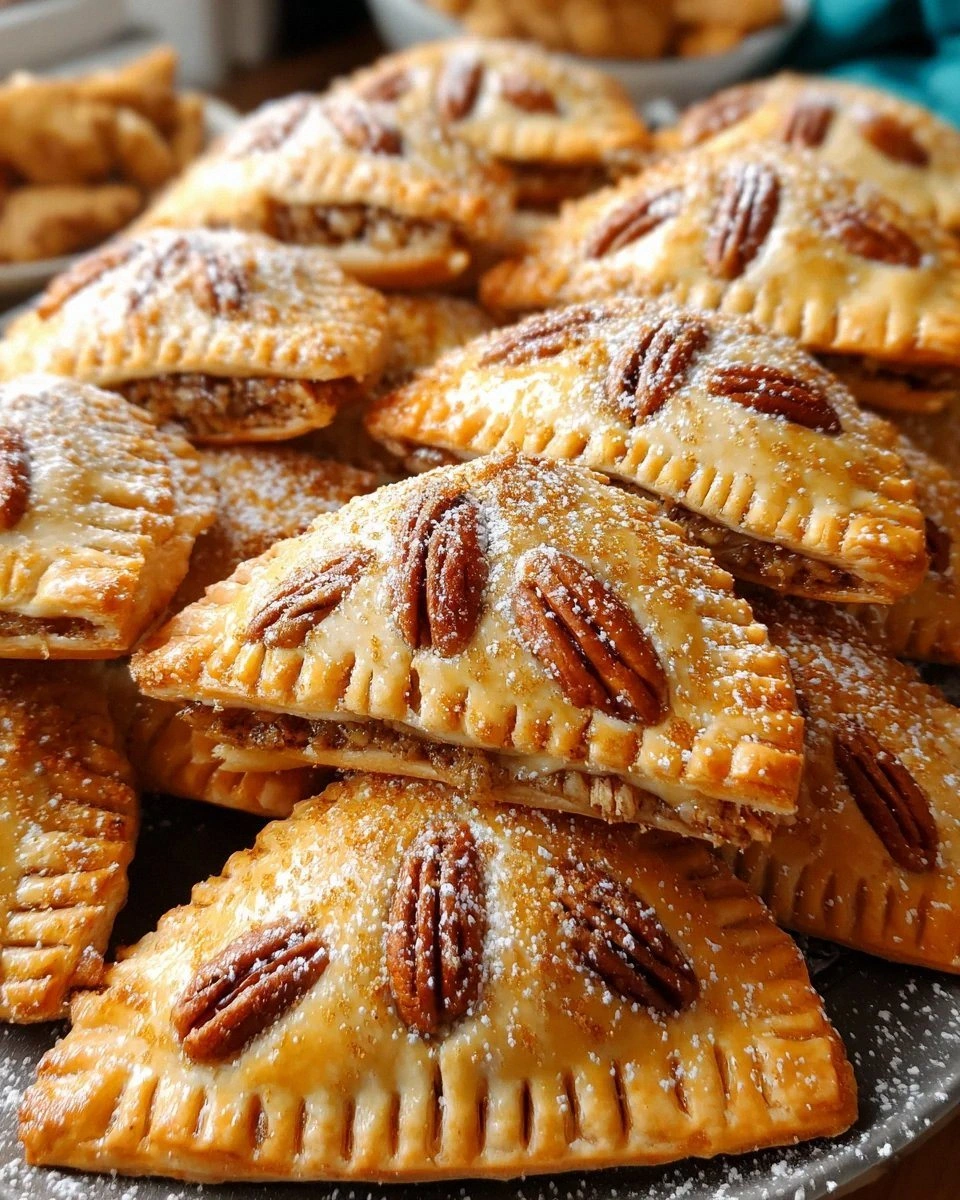
Picture yourself pulling a tray of golden‑brown disks out of the oven, the whole kitchen smelling like a warm hug from a cinnamon‑spiced bakery. The edges are crisp, the centers melt in your mouth, and those toasted pecans give a satisfying snap that makes you want to shout “yes!” This isn’t just another cookie; it’s a love letter to the classic pie crust, reimagined as a handheld delight. I dare you to taste this and not go back for seconds, because once you’ve experienced that buttery crunch paired with caramelized sugar and a whisper of cinnamon, you’ll be forever changed.
Most recipes get this completely wrong. They either drown the buttery base in sugar or forget the magic of a good egg wash that gives the top that glossy, almost caramel‑kissed finish. Here’s what actually works: a prepared all‑butter pie crust that’s already rolled out, a light dusting of flour to keep things from sticking, and a quick brush of egg‑water mixture that turns the surface into a glossy canvas for the cinnamon‑sugar‑pecan topping. The secret? A brief, high‑heat blast that caramelizes the sugar without burning the butter, creating that perfect crackly top that shatters like thin ice under a spoon.
You might wonder why I’m using a pie crust as the base for a cookie. The answer is simple: it’s the ultimate shortcut to buttery richness without the labor of creaming butter and sugar from scratch. Plus, the flaky layers of a good crust translate into a cookie that feels both delicate and substantial. This next part? Pure magic. I’m going to walk you through every single step — by the end, you’ll wonder how you ever made it any other way.
What Makes This Version Stand Out
- Flavor Explosion: The combination of cinnamon and toasted pecans creates a warm, nutty profile that sings with every bite, while the sugar caramelizes into a crisp, sweet shell.
- Texture Contrast: You get a buttery, melt‑in‑your‑mouth interior, a crunchy sugar‑crust exterior, and a satisfying nutty bite in the middle.
- Simplicity: Using a ready‑made pie crust cuts prep time in half, meaning you can go from pantry to plate in under an hour.
- Unique Presentation: These cookies look like miniature pies, making them perfect for holiday platters, brunch buffets, or a surprise snack.
- Crowd Reaction: Guests often ask for the recipe before the first bite is even taken—talk about a conversation starter!
- Ingredient Quality: All‑butter crust and fresh, whole pecans elevate the flavor far beyond generic store‑bought cookies.
- Cooking Method: A brief high‑heat bake creates that caramelized top without drying out the interior.
- Make‑Ahead Potential: These cookies store beautifully, retaining their crunch for days, and even improve after a night in the pantry.
Inside the Ingredient List
The Flavor Base
Prepared all‑butter pie crust: This is the heart of the cookie. The high butter content gives you that melt‑in‑your‑mouth richness you crave, while the layers create a flaky texture that’s impossible to achieve with a standard cookie dough. If you skip this and use a regular dough, you’ll lose the buttery depth and the subtle crunch that defines these treats. I recommend a chilled, unbaked crust from the freezer aisle; it holds its shape better when you cut circles.
White sugar: Sugar isn’t just sweetener here; it’s the star of the caramelization process. As the cookies bake, the sugar melts, then re‑solidifies into a thin, crackly shell that adds a delightful crunch. Using a fine granulated sugar ensures an even melt, while a coarse sugar would give uneven spots. If you’re looking for a deeper flavor, you can swap half of the white sugar for brown sugar, but that will introduce a molasses note that changes the profile.
The Texture Crew
Whole pecans: These nuts bring a buttery crunch that contrasts beautifully with the soft interior. Toast them lightly before chopping to unlock their natural oils and amplify the nutty aroma. Skipping the toast step results in a raw, slightly bitter bite that can throw off the entire cookie. If you’re allergic to nuts, try toasted sunflower seeds for a similar texture.
All‑purpose flour: A light dusting of flour on the work surface prevents the pie crust from sticking while you roll and cut it. It also adds a tiny amount of structure to the final cookie, ensuring the edges hold together during the high‑heat bake. Using bread flour would make the crust too tough, while cake flour would make it crumbly.
The Unexpected Star
Ground cinnamon: Cinnamon is the warm, spicy whisper that ties the buttery base to the nutty topping. It’s the reason this cookie feels like a cozy fall afternoon, even in the middle of summer. A pinch too much can overwhelm the delicate butter, so stick to the recommended amount. If you love spice, a dash of nutmeg or a pinch of cardamom can add an exotic twist.
The Final Flourish
Large egg: The egg adds richness and helps bind the sugar topping to the crust. When whisked with a teaspoon of water, it creates an egg wash that spreads evenly, giving the cookies that glossy, golden finish. Over‑beating the egg can cause the glaze to become too thin, resulting in a pale, uneven top.
Water (teaspoon): Just a splash of water thins the egg enough for a smooth brush, ensuring the glaze adheres without pooling. Too much water would dilute the egg, making the glaze runny and causing the sugar to slide off during baking.
Everything's prepped? Good. Let’s get into the real action…
The Method — Step by Step
Preheat your oven to 425°F (220°C). This high temperature is crucial for that rapid caramelization of the sugar, creating that crackly top before the butter has a chance to melt away. Place a rack in the middle of the oven so the cookies bake evenly on all sides.
Lay your prepared all‑butter pie crust on a lightly floured surface. Using a 3‑inch cookie cutter (or a small glass), cut out perfect circles. If you don’t have a cutter, a sharp knife works fine—just aim for uniform thickness so they bake evenly.
Arrange the circles on a parchment‑lined baking sheet, leaving about an inch of space between each. This spacing allows the heat to circulate, giving each cookie a uniform rise and preventing them from sticking together.
In a small bowl, whisk together the white sugar and ground cinnamon. The aroma will hit you instantly—a sweet, spicy perfume that makes the kitchen feel like a cozy bakery. Set this mixture aside; it will become the crunchy crown for each cookie.
In another bowl, whisk the large egg with the teaspoon of water until just combined. This egg‑water wash is the secret to that glossy, caramel‑kissed finish. Using a pastry brush, lightly coat the tops of each crust circle—don’t over‑brush; a thin, even layer is all you need.
Sprinkle the cinnamon‑sugar mixture generously over the egg‑washed crusts. The sugar will melt and caramelize, while the cinnamon infuses every bite with warmth. Press the mixture down gently with the back of a spoon so it adheres well.
Finally, scatter the chopped, toasted pecans over the top. Press them lightly into the sugar so they stick during the bake. This step adds the final crunch and a buttery depth that makes the cookie unforgettable.
Slide the sheet into the oven and bake for 10‑12 minutes. You’ll notice the edges pulling away from the parchment and the sugar bubbling up—those are the signs of perfect caramelization. The aroma at this point will be intoxicating, filling the kitchen with buttery, cinnamon‑sweet perfume.
Remove the cookies from the oven and let them cool on the baking sheet for 2 minutes, then transfer to a wire rack. Cooling on a rack allows steam to escape, preserving the crisp top while the interior stays tender. Once cooled completely, the cookies will snap lightly when you press the edge—a testament to that perfect crackly crust.
That's it — you did it. But hold on, I've got a few more tricks that'll take this to another level…
Insider Tricks for Flawless Results
The Temperature Rule Nobody Follows
Never bake these cookies at a lower temperature trying to “slow‑cook” them. The high heat is what gives you that instant caramelized top. If you drop the oven to 350°F, the sugar will melt but never form that crisp shell, leaving you with a soggy, under‑caramelized cookie. Keep the oven screaming at 425°F, and you’ll get that perfect contrast every time.
Why Your Nose Knows Best
Your sense of smell is the most reliable timer for these cookies. When the cinnamon‑sugar mixture starts to release a nutty, caramel aroma, you’re within two minutes of perfection. Trust that nose cue more than the clock; ovens can vary, and the scent will never lie.
The 5‑Minute Rest That Changes Everything
After you pull the cookies out, let them rest on the baking sheet for exactly five minutes before moving them. This short rest lets the sugar set, preventing the top from cracking apart when you transfer them. Skipping this step often leads to a crumbly surface that looks less impressive on a platter.
Pecan Toasting Precision
Toast pecans in a dry skillet over medium heat for 4‑5 minutes, shaking the pan frequently. You’ll hear a faint “pop” as the oils release—that’s the sweet spot. Over‑toasting makes them bitter; under‑toasting leaves them raw and chewy.
Egg‑Wash Consistency
Whisk the egg with water just until combined; you don’t want a frothy foam. A smooth, slightly runny wash spreads evenly without pooling. If you notice bubbles, gently tap the bowl to pop them before brushing.
Creative Twists and Variations
This recipe is a playground. Here are some of my favorite ways to switch things up:
Maple‑Glazed Pecans
Swap the plain toasted pecans for pecans tossed in a tablespoon of maple syrup before toasting. The result is a deeper, caramel‑rich flavor that pairs beautifully with the cinnamon‑sugar topping. Ideal for autumn gatherings.
Chocolate Drizzle Delight
After the cookies have cooled, drizzle dark chocolate over the top and let it set. The bitter chocolate contrasts the sweet caramel shell, creating a sophisticated flavor profile that’s perfect for a dinner party.
Orange Zest Spark
Add a teaspoon of finely grated orange zest to the cinnamon‑sugar mixture. The citrus note brightens the spice and adds a fresh pop that’s unexpected yet delightful.
Gluten‑Free Freedom
Use a gluten‑free all‑purpose flour blend for dusting and a pre‑made gluten‑free pie crust. The texture remains buttery, and the flavor stays true—just make sure the crust is truly 100% gluten‑free to avoid cross‑contamination.
Savory Sweet Fusion
Incorporate a pinch of sea salt into the cinnamon‑sugar mix and swap half the white sugar for brown sugar. The salty‑sweet balance turns these cookies into an appetizer that pairs perfectly with cheese boards.
Storing and Bringing It Back to Life
Fridge Storage
If you need to keep them for a few days, store the cookies in an airtight container in the refrigerator. They’ll stay crisp for up to five days, though the interior may firm up slightly. Bring them to room temperature before serving for that melt‑in‑your‑mouth feel.
Freezer Friendly
These cookies freeze like a dream. Layer them between parchment sheets in a zip‑top bag, then freeze for up to three months. When you’re ready, let them thaw at room temperature for 20 minutes, then pop them in a 300°F oven for five minutes to revive the crispness.
Best Reheating Method
To bring them back to life, place the cookies on a baking sheet, add a tiny splash (about 1 teaspoon) of water to the sheet, and warm them in a 350°F oven for 4‑6 minutes. The steam created by the water re‑hydrates the interior while the heat restores the caramelized crust.