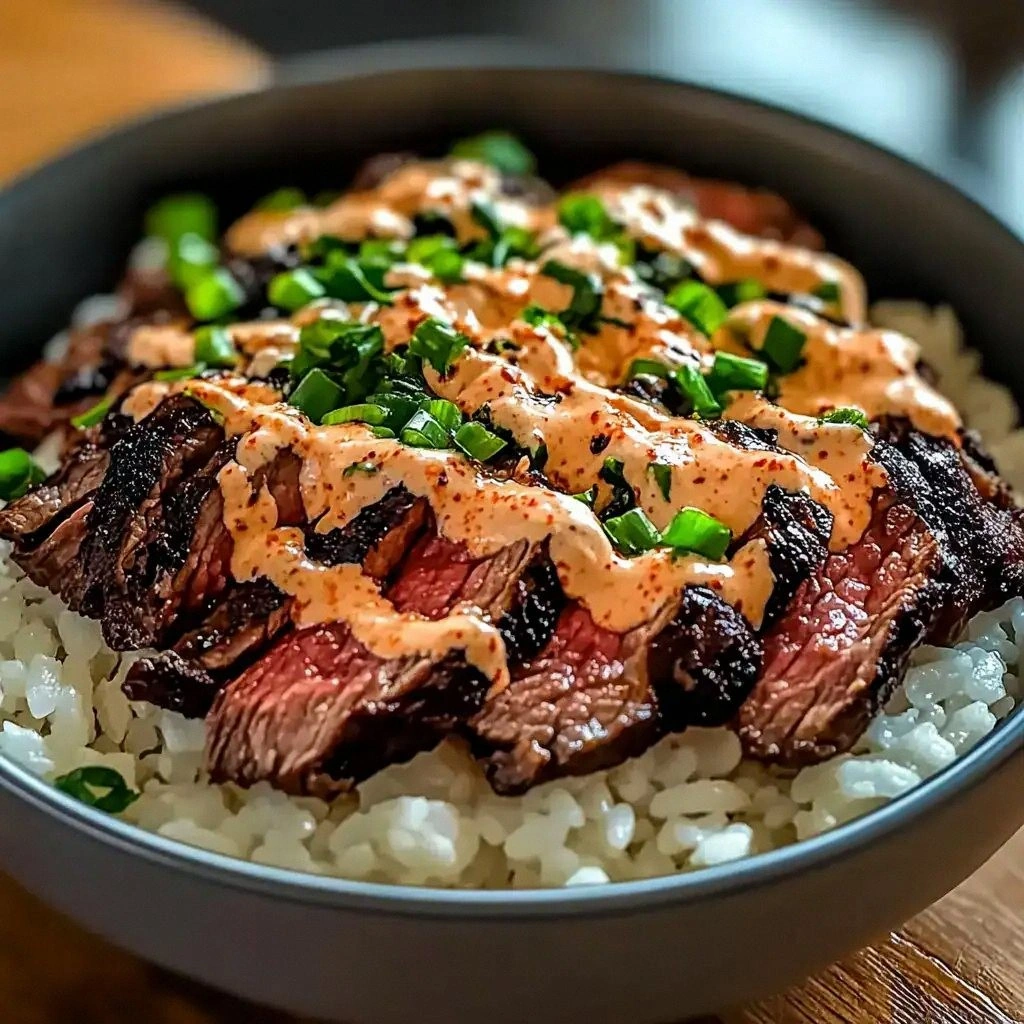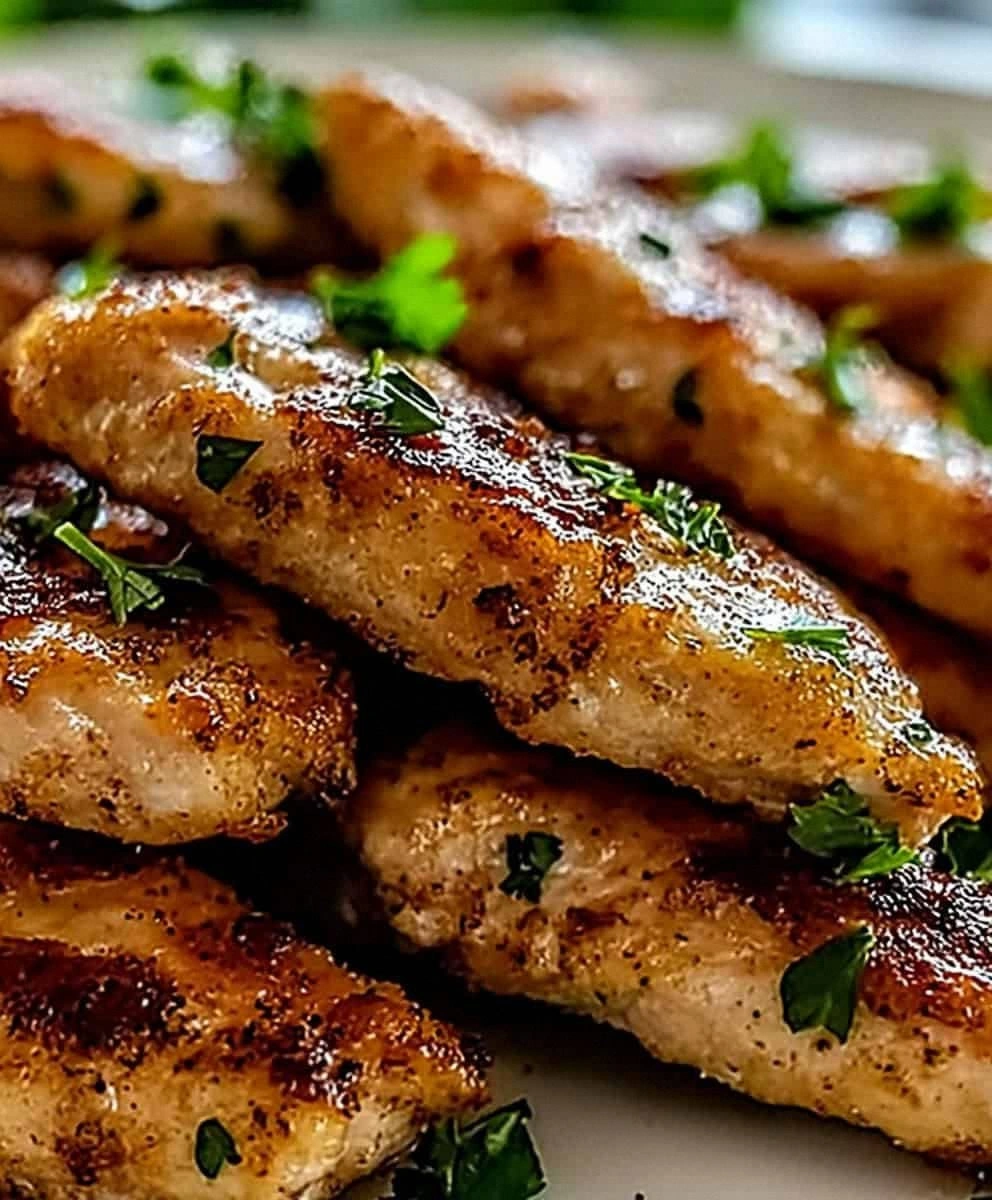
I still remember the day I nearly set my kitchen on fire trying to make "healthy" chicken tenders. There I was, standing over a smoking pan of sad, dry chicken strips that tasted like cardboard dipped in disappointment. My Greek grandmother would have thrown her slipper at me if she'd seen the mess I'd made of such a simple dish. Fast forward through three months of obsessive testing, countless pounds of chicken, and one minor incident involving a fire extinguisher, and I've finally cracked the code to what I confidently declare are the most addictive Greek chicken tenders on planet Earth.
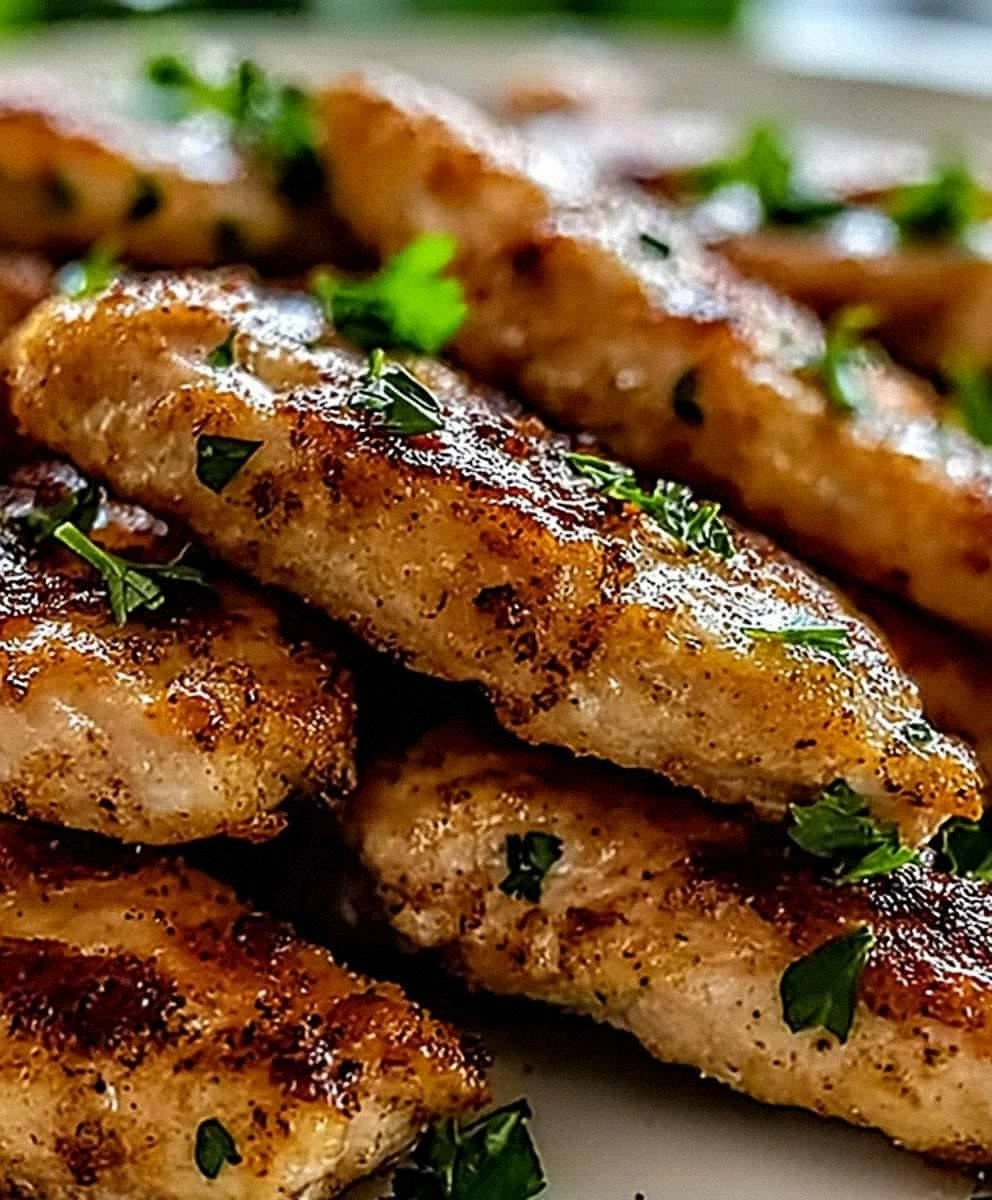
Picture this: tender strips of chicken that have been bathing in a tangy yogurt marinade infused with garlic, lemon, and enough oregano to make a Greek island weep with joy. The coating shatters like a perfectly crisp autumn leaf under your teeth, revealing juicy meat that's been transformed by Mediterranean magic. That first bite hits you with bright citrus, then the warm embrace of herbs, followed by the satisfying crunch that makes you close your eyes and sigh. I've served these at backyard barbecues where grown adults literally fought over the last piece, at kids' birthday parties where even the pickiest eaters devoured them, and at fancy dinner parties where they somehow managed to outshine the main course.
What makes these tenders different from every other recipe floating around the internet? It's not just one thing — it's the way we build flavor like constructing a Greek temple, layer by careful layer. The yogurt marinade doesn't just tenderize; it carries flavors deep into the meat in ways oil-based marinades only dream about. The three-stage coating system creates nooks and crannies that stay crispy even after they've been sitting out. And here's the kicker — we're using a technique that makes the coating actually taste like it came from your favorite Greek restaurant's secret recipe book.
Let me walk you through every single step — by the end, you'll wonder how you ever made it any other way.
What Makes This Version Stand Out
I've eaten my way through enough chicken tenders to know the difference between mediocre and mind-blowing. These aren't just another recipe with "Greek" slapped on the title because we added feta on top. No, these tenders have earned their Mediterranean passport through legitimate culinary citizenship.
- Yogurt Magic: The full-fat Greek yogurt marinade doesn't just tenderize — it's like sending your chicken to a spa where it absorbs garlic, lemon, and herbs at a cellular level. The lactic acid breaks down proteins gently, creating meat so tender it practically cuts itself.
- Triple-Threat Coating: Most recipes stop at breadcrumbs, but we're building layers of crunch with panko, Parmesan, and a secret blend that includes dried oregano that blooms in the oven. Each bite delivers multiple textures that keep your mouth interested from first to last.
- Herb Infusion Points: Fresh herbs go in three different places — the marinade, the coating, and the final garnish. This creates a complex flavor profile that evolves as you eat, rather than hitting you with a one-note herb bomb.
- Temperature Precision: We're baking at a specific temperature range that ensures the coating gets golden and crisp while the inside stays juicy. Too hot and the outside burns before the inside cooks; too low and you get soggy sadness.
- Make-Ahead Marvel: These tenders actually get better if you prep them the night before. The flavors meld and intensify, making this the ultimate party food that doesn't stress you out with last-minute prep.
- Freezer-Friendly Genius: Double the batch and freeze half for emergency cravings. They go from frozen to table in under 25 minutes, making them faster than delivery and infinitely better.
- Nutritional Stealth: Packed with protein, probiotics from the yogurt, and baked rather than fried, these satisfy junk food cravings while secretly being relatively healthy. Your trainer and your taste buds can finally be friends.
Alright, let's break down exactly what goes into this masterpiece...
Inside the Ingredient List
Every ingredient in this recipe pulls its weight like a well-trained Greek chorus — no divas, no slackers, each one essential to the final performance. Understanding why each component matters will transform you from someone who follows recipes to someone who owns them.
The Flavor Base
The chicken itself matters more than you think. Those sad, pale chicken breasts from the discount bin won't cut it here. You want plump, organic chicken that's been living its best life before it lands in your kitchen. The difference in flavor between supermarket special and properly raised chicken is like comparing a cardboard box to a Bentley. Cut them into uniform strips — I go for about an inch thick — so they cook evenly and you don't end up with some dried out while others are still raw in the middle.
The olive oil in our marinade isn't just for show. Use the good stuff here — something fruity and peppery that tastes like sunshine and Greek hillsides. The cheap refined stuff will give you a flat, one-dimensional flavor that screams "I gave up on life." When you whisk it with the yogurt, it creates an emulsion that helps the marinade cling to every nook and cranny of the chicken.
The Aromatics Brigade
Garlic is non-negotiable, but here's what most people get wrong — they mince it too coarse. You want it almost paste-like so it distributes evenly through the yogurt. Those big chunks burn in the oven and give you bitter surprises. Fresh lemon juice brightens everything, but don't even think about using that bottled stuff that tastes like furniture polish. Real lemons give you bright, zingy notes that make all the other flavors sing in harmony.
The dried herbs need to be fresh — yes, I know that sounds like an oxymoron. Check the dates on those jars that have been sitting in your pantry since the Obama administration. Old herbs taste like dusty nothingness. The oregano should smell like you just walked into a Greek market, not like forgotten potpourri.
The Texture Crew
Panko breadcrumbs are your ticket to crunch city. Regular breadcrumbs are like sand — they just sit there being boring. Panko creates these airy, shatteringly crisp pieces that stay crunchy even after they've cooled down. The Parmesan isn't just for flavor — it melts and creates these little umami bombs throughout the coating. Use the real stuff that you grate yourself, not the green can of sadness that tastes like cardboard.
The Unexpected Star
The Greek yogurt in our coating mixture isn't just there for flavor — it creates a binding system that makes the breadcrumbs stick like magic. Full-fat yogurt gives you the best results, but low-fat works if you're watching calories. The key is letting it sit for a few minutes after mixing so the garlic and herbs can infuse their flavors into the yogurt base.
The Final Flourish
Fresh dill and parsley aren't just pretty faces on the plate. They add bright, clean flavors that wake up your palate after all those warm, toasty notes. The lemon wedges aren't optional — that final squeeze of fresh juice right before serving is like turning on the lights in a dim room. Everything suddenly becomes more vibrant and alive.
Everything's prepped? Good. Let's get into the real action...
The Method — Step by Step
- Start by making your marinade, and here's where you need to pay attention — the order matters more than you think. Whisk the yogurt until it's smooth and creamy, then drizzle in the olive oil while whisking constantly. This creates an emulsion that helps the flavors distribute evenly. Add your garlic, lemon juice, and all the dried herbs, whisking between each addition. The mixture should look like a thick, herby cloud that smells like you're about to take a trip to Santorini. I dare you to taste this and not go back for seconds — it's that good even before the chicken joins the party.
- Cut your chicken breasts into strips, but don't just hack away like you're in a slasher film. You want uniform pieces that are about an inch thick and roughly the length of your finger. This isn't just for looks — uniform pieces cook evenly, so you don't end up with some overcooked while others are still raw. Pat them dry with paper towels because moisture is the enemy of good browning. As you cut, place them directly into your marinade, making sure each piece gets completely coated. Use your hands — yes, your actual hands — to massage the marinade into the chicken. This isn't the time to be dainty.
- Cover your marinating chicken and let it rest in the refrigerator for at least 2 hours, but overnight is where the real magic happens. During this time, the lactic acid in the yogurt gently breaks down the proteins, making the chicken incredibly tender. The garlic and herbs have time to work their way deep into the meat, not just sit on the surface like unwelcome guests. If you've ever struggled with dry chicken, you're not alone — and I've got the fix. This long marinade is your insurance policy against cardboard chicken.
- When you're ready to cook, preheat your oven to 425°F (220°C). This temperature is crucial — hot enough to crisp the coating but not so hot that it burns before the inside cooks. Line a baking sheet with parchment paper or a silicone mat. Don't use foil unless you enjoy scrubbing burnt bits off your pans later. While the oven heats, prepare your coating station. In one shallow dish, mix your panko, Parmesan, and seasonings. The Parmesan should be finely grated so it distributes evenly and melts into the breadcrumbs.
- Take each marinated chicken strip and let excess yogurt drip off, but don't wipe it clean. That yogurt is what's going to make the breadcrumbs stick like they've been superglued on. Press each strip into the breadcrumb mixture, making sure to coat every surface. Don't just sprinkle — really press those crumbs on. Flip and press again. You want a thick, even coating that completely covers the chicken. Place each coated strip on your prepared baking sheet, leaving space between them so they can crisp properly.
- Drizzle the coated tenders with olive oil — this is the key to golden, crispy perfection. Use about 2 tablespoons total, drizzled in thin streams over all the tenders. The oil helps the coating brown and crisp while keeping it from drying out. Bake for 20-25 minutes, flipping halfway through. The tenders are done when they're golden brown and the internal temperature hits 165°F (74°C). That sizzle when you flip them? Absolute perfection.
- While the tenders bake, prepare your serving elements. Chop your fresh herbs, cut lemon wedges, and if you're making homemade tzatziki, now's the time. The herbs should be chopped just before serving so they stay bright and fresh. Lemon wedges should be cut into sixths — small enough to squeeze easily but large enough to give you a good amount of juice. When the tenders come out of the oven, let them rest for 5 minutes. This lets the juices redistribute so they don't all run out when you cut into them.
- Transfer to a serving platter and shower with fresh herbs. Serve with lemon wedges and tzatziki on the side. The contrast of hot, crispy tenders with cool, creamy sauce is what Greek food dreams are made of. I'll be honest — I ate half the batch before anyone else got to try it. They're that good right out of the oven, but they're also fantastic at room temperature, making them perfect for parties or meal prep.
That's it — you did it. But hold on, I've got a few more tricks that'll take this to another level...
Insider Tricks for Flawless Results
The Temperature Rule Nobody Follows
Most people yank their tenders out of the oven the second they look golden, but here's what separates the amateurs from the pros — use a meat thermometer. I know, I know, you think you can tell by looking, but chicken can look done and still be dangerously undercooked inside. The sweet spot is 165°F (74°C), and pulling them at exactly that temperature ensures they're safe to eat but still juicy. Overcook by just a few degrees and you'll go from tender to shoe leather faster than you can say "opa!"
Why Your Nose Knows Best
Your kitchen will start smelling incredible about 15 minutes into baking — garlic, herbs, toasty breadcrumbs all mingling in the air. This is when you need to start checking, because smell is actually a pretty reliable indicator that things are progressing nicely. If your kitchen doesn't smell like a Greek taverna by minute 18, something's gone wrong. Maybe your oven runs cool, or you forgot the garlic (it happens). Trust your senses — they've been honed by thousands of years of human evolution.
The 5-Minute Rest That Changes Everything
I get it — when food comes out of the oven looking and smelling amazing, you want to dive in immediately. But resist the urge for just five minutes. This rest allows the juices to redistribute throughout the meat instead of flooding your cutting board the moment you cut in. Think of it like letting a steak rest, but for chicken tenders. A friend tried skipping this step once — let's just say it didn't end well. Her cutting board looked like a crime scene and the chicken was drier than Greek island in August.
The Overnight Advantage
If you really want to level up, make these a two-day project. Marinate the chicken for a full 24 hours — the flavors become so deeply infused that each bite tastes like it's been blessed by a Greek grandmother. The yogurt works its tenderizing magic to the point where the chicken becomes almost silky in texture. This is what restaurant-quality tastes like, and it's why your homemade version can actually be better than what you get at that trendy Greek place downtown.
Freezer Strategy
Picture yourself pulling these out of the oven, the whole kitchen smelling incredible, and you didn't even have to get out of your pajamas. That's the beauty of freezing them unbaked. Prepare everything through the coating stage, then freeze in a single layer on a baking sheet. Once solid, transfer to freezer bags. When you're ready to eat, bake from frozen at 425°F for 30-35 minutes — just add 10 minutes to the original time. They come out just as crispy and delicious as fresh.
Creative Twists and Variations
This recipe is a playground. Here are some of my favorite ways to switch things up:
Spartan Heat
Add 2 teaspoons of smoked paprika and 1 teaspoon of cayenne to the breadcrumb mixture for tenders that pack a serious punch. The smokiness plays beautifully with the oregano and lemon, while the heat builds slowly rather than punching you in the face. Serve with a cooling cucumber yogurt sauce to balance the fire. This version is perfect for game day when you want something that makes beer taste even better.
Island Sunshine
Swap the oregano for fresh mint and dill, add some grated lemon zest to the coating, and you've got tenders that taste like summer in the Greek islands. The mint adds a surprising brightness that makes these perfect for outdoor dining. Serve with a tomato-cucumber salad and pretend you're overlooking the Aegean Sea instead of your neighbor's questionable lawn ornaments.
Cheese Lover's Dream
Add 1/2 cup of crumbled feta to the yogurt marinade — yes, it sounds weird, but trust me here. The feta melts slightly and creates these little pockets of salty, creamy goodness throughout the chicken. Reduce the salt in the recipe since the feta brings its own. These are rich and decadent, perfect for when you want to impress dinner guests but still serve something comforting.
Herb Garden
Use whatever fresh herbs are growing crazy in your garden. Basil, thyme, rosemary, even tarragon all work beautifully. The key is using fresh herbs in the marinade and saving some to sprinkle on top at the end. Each herb brings its own personality — basil makes them taste like summer, rosemary adds piney notes, and tarragon gives them a slight anise flavor that's surprisingly addictive.
Mediterranean Fusion
Add 1 tablespoon of za'atar to the breadcrumb mixture and serve with tahini sauce instead of tzatziki. The za'atar brings sesame and sumac notes that transport these tenders from Greece to the broader Mediterranean. The tahini sauce adds nuttiness that complements the crispy coating perfectly. This version is what happens when Greek food takes a vacation to the Middle East and comes back with amazing stories.
Low-Carb Hero
Replace the panko with a mixture of almond flour and grated Parmesan for a keto-friendly version that still delivers serious crunch. The almond flour browns beautifully and adds a subtle nuttiness, while the Parmesan provides that umami punch. You'll need to bake them a few minutes longer since almond flour doesn't conduct heat the same way, but the results are surprisingly convincing.
Storing and Bringing It Back to Life
Fridge Storage
Store leftover tenders in an airtight container in the refrigerator for up to 4 days. Here's the key — let them cool completely before storing, or the trapped steam will make the coating soggy. Layer them between sheets of parchment paper if you're stacking them, because nobody likes losing that precious crispy coating to the bottom of the container. The flavor actually improves after a day as the herbs continue to meld, making these fantastic for meal prep.
Freezer Friendly
These freeze beautifully either baked or unbaked. For unbaked, prepare through the coating stage, freeze in a single layer, then transfer to freezer bags. They'll keep for up to 3 months — though honestly, they'll be gone long before then because you'll find excuses to make them. For already-baked tenders, let them cool completely, then freeze in a single layer before bagging. Reheat from frozen at 400°F for 15-20 minutes until hot and crispy.
Best Reheating Method
The oven is your friend here — microwaves are the enemy of crispy coating. Reheat at 400°F for 10-12 minutes if refrigerated, 15-20 minutes if frozen. Add them to a cold baking sheet and let it heat up with the oven — this prevents the bottoms from getting soggy. If you're in a hurry, the air fryer works wonders: 375°F for 5-6 minutes, flipping halfway through. Avoid the microwave unless you enjoy sad, soggy chicken that tastes like disappointment.
Okay, ready for the game-changer? Here's your complete recipe card with everything you need to make these legendary tenders...