I was halfway through a midnight ramen binge, staring at a half‑empty bowl, when the kitchen lights flicked. The fridge door opened like a portal to culinary destiny, and I found a head of cauliflower that looked more like a cloud than a vegetable. That moment, a mix of desperation and curiosity, sparked the idea for the most audacious appetizer I’ve ever made: crispy, gochujang‑infused cauliflower wings that taste like a Korean street‑food stall and feel like a comforting hug. I’m not joking—this is hands down the best version you’ll ever make at home, and I can’t wait to walk you through every single step.
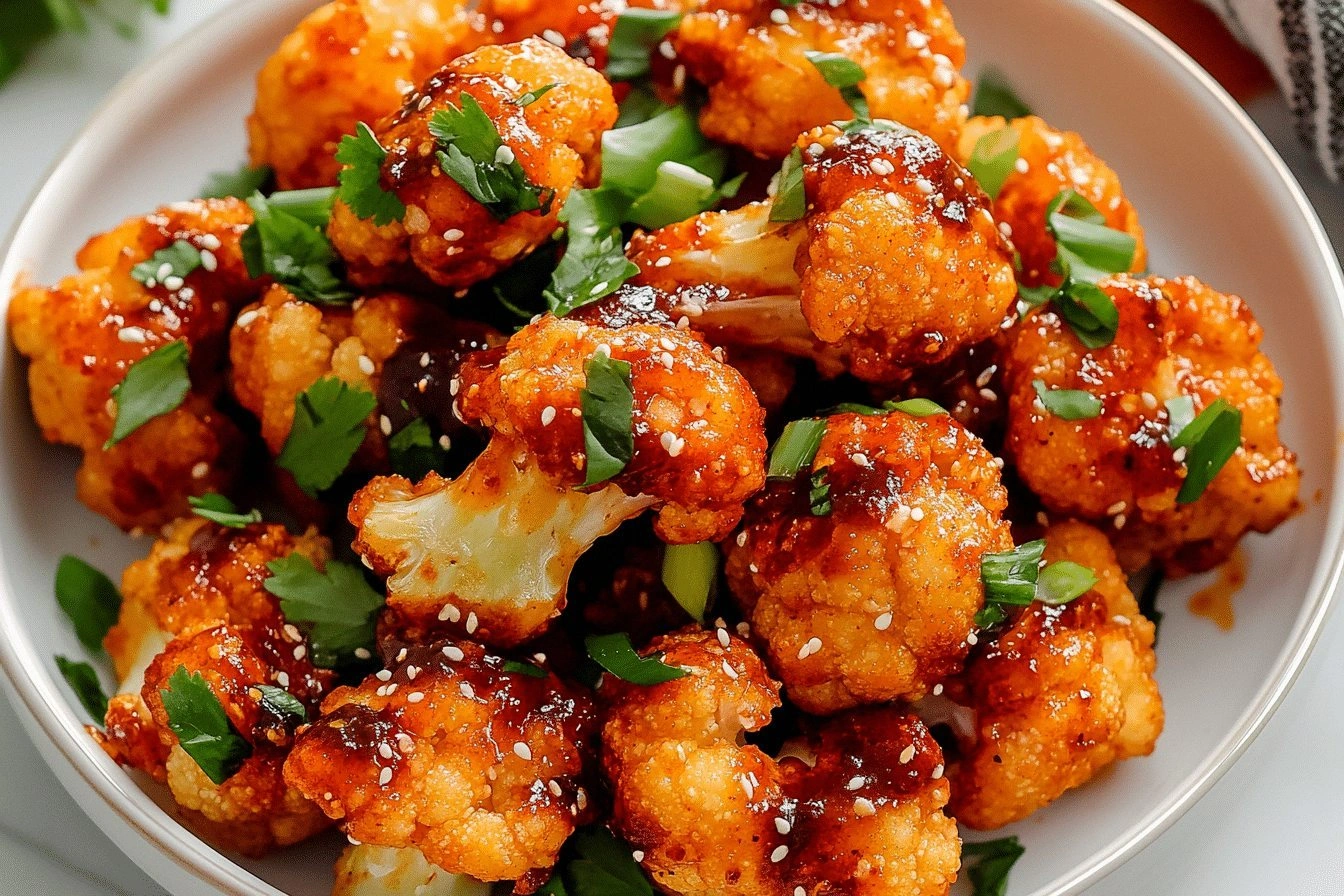
Picture yourself pulling a tray of golden, crackling florets out of the oven, the air thick with a smoky, sweet, and slightly peppery aroma that makes the whole kitchen smell incredible. The first bite delivers a crunch that shatters like thin ice, followed by a silky coating of spicy gochujang that lingers on the tongue. The cauliflower itself is tender, almost buttery, with a subtle earthiness that balances the fiery sauce. If you’ve ever struggled to make a crispy, flavorful snack, you’re not alone—this recipe fixes that with a simple batter and a sauce that coats like velvet.
What makes this version stand out is not just the bold flavor, but the way each component is engineered to work together. The batter uses sparkling water to create an airy, light crust that doesn’t weigh the cauliflower down. Gochujang, the star of the sauce, is paired with maple syrup to temper its heat with natural sweetness, while rice vinegar brightens the whole dish. Sesame oil adds a nutty finish that lingers, and the cooking spray ensures the florets stay crisp without becoming greasy. I dare you to taste this and not go back for seconds. The next part? Pure magic.
I’ve spent years tinkering with sauces and coatings, and this recipe is the culmination of that experimentation. I’ve learned that the secret to a great crunch isn’t just high heat; it’s the right balance of dry flour, a splash of carbonation, and a light hand with oil. The sauce is a marriage of Korean and Western flavors, creating a depth that’s both familiar and adventurous. This isn’t a recipe you’ll find on a generic list; it’s a culinary passport to a street‑food experience that you can make in your own kitchen. Stay with me here — this is worth it.
What Makes This Version Stand Out
- Flavor Fusion: The combination of gochujang, maple syrup, and sesame oil creates a layered taste that is spicy, sweet, and nutty, delivering a punch that feels like a Korean wing with a gourmet twist.
- Texture Mastery: Using sparkling water in the batter gives the coating an airy, crisp finish that snaps with each bite, while the cauliflower’s tender core keeps the dish from feeling dry.
- Ingredient Simplicity: Only ten ingredients, all pantry staples, so you can whip this up in under an hour without a trip to a specialty store.
- Make‑Ahead Friendly: The batter can be pre‑mixed and refrigerated, and the sauce can be prepared a day ahead, making it perfect for parties or game nights.
- Scalable: Whether you’re feeding a crowd or a solo snack, the recipe scales perfectly thanks to the simple ratio of batter to florets.
- Health‑Conscious: Baked instead of fried, and the batter is light, so you get the crunch without the extra calories.
Inside the Ingredient List
The Flavor Base
Gochujang paste is the beating heart of this dish. Its fermented, spicy-sweet profile provides depth and heat that is unmistakably Korean. If you can’t find gochujang, a mix of Korean chili paste and a splash of fish sauce can approximate the umami, but the authentic flavor will always be richer. The sauce’s thickness is balanced by a splash of rice vinegar, which brightens the dish and cuts through the sweetness of the maple syrup.
The Texture Crew
All‑purpose flour is the backbone of the coating. It absorbs moisture and creates a dry surface that crisps beautifully in the oven. Pairing it with sparkling water turns a dense batter into a light, airy shell. A pinch of garlic powder adds a savory undertone that rounds out the sharpness of the gochujang.
The Unexpected Star
Cauliflower florets are more than a filler; they’re the canvas. Their mild flavor absorbs the sauce, and when cooked to a golden edge, they provide a satisfying bite. Choose florets that are uniformly sized so they cook evenly, preventing some from being underdone while others burn.
The Final Flourish
Sesame oil is the finishing touch that brings a toasted, nutty aroma to the dish. A light drizzle of sesame oil over the finished wings enhances the overall flavor profile and adds a glossy sheen. Cooking spray or a thin layer of neutral oil prevents the florets from sticking to the baking sheet and keeps the coating crisp.
Everything's prepped? Good. Let's get into the real action.
The Method — Step by Step
- Preheat your oven to 425°F (220°C). Line a large baking sheet with parchment paper and lightly coat it with cooking spray or a thin drizzle of oil. This step ensures that the cauliflower won’t stick and helps the coating crisp evenly. The tray should be wide enough so the florets have space to spread; otherwise, they’ll steam rather than bake.
- Rinse the cauliflower head and cut it into bite‑size florets, about 1 to 1.5 inches across. Try to keep the pieces uniform so they cook at the same rate. If you prefer a more uniform shape, you can cut the florets into wedges or small cubes. Pat them dry with a clean towel to remove excess moisture, which helps the batter adhere.
- In a shallow bowl, whisk together 1 cup of all‑purpose flour and 1 teaspoon of garlic powder until well combined. In a separate bowl, combine 1/4 cup of sparkling water (or cold water) with a pinch of salt if you like. The sparkling water will give the batter a lighter, puffier texture. This is where you can add a splash of soy sauce to the batter for an extra umami kick—just be careful not to make it too wet.
- Dip each cauliflower floret into the flour mixture, allowing any excess to shake off, then plunge it into the water batter, ensuring it’s fully coated. Place the coated florets on the prepared baking sheet in a single layer, leaving a small gap between each piece. This spacing allows the heat to circulate and the edges to crisp.
- Spray the coated florets lightly with cooking spray or drizzle a teaspoon of neutral oil over them. This step is crucial for achieving a golden, crunchy exterior. If you’re using an air fryer, you’d skip the oil, but in a conventional oven, a little fat makes a big difference in texture.
- Bake for 18 to 22 minutes, flipping the florets halfway through the cooking time. The goal is a crisp, golden crust and a tender interior. When the edges pull away from the sheet and the coating is a deep amber color, they’re ready. Let them cool on the sheet for a few minutes before transferring to a serving platter.
- While the cauliflower is still warm, whisk together 2 tablespoons of gochujang paste, 2 tablespoons of soy sauce, 1 tablespoon of maple syrup (or honey), 1 tablespoon of rice vinegar, 1 teaspoon of sesame oil, and 1 tablespoon of sparkling water. This sauce will coat the florets, giving them that signature spicy‑sweet kick. The water helps thin the sauce just enough to cling to the crispy coating.
- Toss the freshly baked cauliflower in the sauce, ensuring each floret is evenly coated. The heat from the florets will slightly melt the sauce, creating a glossy, flavorful glaze. If you prefer a thicker coating, reserve a small amount of sauce for drizzling after serving.
- Serve immediately with optional garnishes like toasted sesame seeds or chopped scallions. A side of cool yogurt or a light cucumber salad balances the heat. The first bite is an explosion of textures—crunchy, silky, and spicy—followed by a lingering, nutty finish from the sesame oil. And that’s it — you did it. But hold on, I’ve got a few more tricks that’ll take this to another level.
Insider Tricks for Flawless Results
The Temperature Rule Nobody Follows
Many people bake at 400°F, but 425°F is the sweet spot for a crisp coating without over‑browning the cauliflower. The higher heat creates a Maillard reaction that gives the coating a caramelized, slightly smoky flavor. If your oven runs hot, lower the temperature slightly and extend the baking time by a few minutes.
Why Your Nose Knows Best
As soon as the cauliflower hits the oven, the smell of toasted flour and caramelizing sugar will fill the kitchen. That scent is your cue that the coating is forming correctly. If you notice a metallic or burnt smell, the oven might be too hot or the coating too thin.
The 5‑Minute Rest That Changes Everything
After removing the florets from the oven, let them rest for five minutes. This allows the steam inside to dissipate, preventing sogginess. It also gives the sauce time to set into the coating, creating a more cohesive bite.
Double‑Coat for Extra Crunch
If you’re a crunch enthusiast, dip the florets in the batter twice before baking. The second coating adds an extra layer of texture. Just be mindful of the batter’s thickness; if it’s too thick, it can become gummy.
Keep the Sauce Simple
Adding too many ingredients to the sauce can muddy the flavor. Stick to the classic combination of gochujang, soy, maple, vinegar, and sesame oil. If you like a hint of heat, sprinkle a few red pepper flakes into the sauce before tossing.
Use a Wire Rack for Extra Airflow
Placing the cauliflower on a wire rack set over a baking sheet allows air to circulate around each piece, enhancing crispness. If you don’t have a rack, simply leave a small gap between each floret on the sheet.
Creative Twists and Variations
This recipe is a playground. Here are some of my favorite ways to switch things up:
Spicy Peanut Drizzle
Swap the sesame oil with a drizzle of creamy peanut sauce. The nutty flavor pairs beautifully with the gochujang, and the sauce adds a silky texture. Great for a protein‑rich snack.
Herb‑Infused Cauliflower
Add fresh chopped herbs like cilantro or parsley to the batter for a burst of freshness. The herbs cut through the richness and add a pop of color.
Cheesy Cauliflower Bites
Sprinkle grated Parmesan or shredded mozzarella over the baked florets before tossing in the sauce. The cheese melts into a gooey coating that complements the spicy glaze.
Miso‑Glazed Version
Replace the soy sauce with a splash of miso paste for a deeper umami depth. Miso also adds a subtle sweetness that balances the heat of the gochujang.
Citrus Twist
Add a squeeze of fresh lime or lemon juice to the sauce. The acidity brightens the dish and gives a refreshing contrast to the savory elements.
Vegan Protein Boost
Top the finished wings with a sprinkle of roasted chickpeas or edamame for added protein and crunch. This variation makes the dish more filling without compromising flavor.
Storing and Bringing It Back to Life
Fridge Storage
Store leftovers in an airtight container in the refrigerator for up to two days. The coating will soften slightly, but a quick reheat in a hot oven or air fryer will restore the crispness.
Freezer Friendly
Freeze the baked cauliflower in a single layer on a parchment sheet before transferring to a freezer bag. Store for up to one month. When ready to eat, bake at 425°F for 10 minutes or until heated through.
Best Reheating Method
Reheat in a 425°F oven for 5–7 minutes, or in an air fryer at 375°F for 4 minutes. Add a splash of water before reheating to create steam; this prevents the coating from becoming too dry.