Picture this: I was halfway through a marathon of late‑night taco night, the fridge a barren wasteland, and my taste buds screaming for something bold. I pulled a flank steak from the freezer, sliced it thin, and decided to give it a Cuban twist. The result? A sizzling, citrus‑kissed slab of beef that exploded with flavor, leaving me clutching the pan like a secret weapon. That night, the kitchen smelled like a tropical fiesta, and the only thing left to do was to share the recipe with anyone who’d ever wanted to turn a simple steak into a show‑stopper.
I’ll be honest – I ate half the batch before anyone else even got a taste. The meat was so tender that it practically melted on the tongue, the lime juice cut through the richness like a bright knife, and the bay leaves added a subtle herbaceous whisper that made the dish feel like it belonged in a high‑end restaurant. If you’ve ever struggled with a steak that feels too plain, this version is your new go‑to. It’s not just a meal; it’s an experience that turns a regular dinner into a celebration.
What sets this Vaca Frita apart is the harmony of simple ingredients and a technique that amplifies each flavor. Think of the steak as a canvas, the lime juice as a vibrant brushstroke, and the seasoning as the fine‑tuned brush. The result is a dish that sings, not a dish that simply tastes good. The bold claim? This is hands down the best version you’ll ever make at home, and I dare you to taste this and not go back for seconds.
If you’re ready to move beyond the ordinary, stay with me. I’ll walk you through every single step, from selecting the right cut of meat to the final flourish of lime wedges. By the end, you’ll wonder how you ever made it any other way. And trust me, this isn’t just a recipe; it’s a new culinary ritual that will become your favorite comfort food.
What Makes This Version Stand Out
- Flavor: The combination of lime, garlic, and bay leaves creates a bright, aromatic profile that cuts through the meat’s richness, giving the dish an instant lift.
- Texture: Marinating the steak overnight with oil and seasoning allows the fibers to break down, resulting in a melt‑in‑your‑mouth tenderness that even seasoned chefs envy.
- Speed: Despite the depth of flavor, the entire process takes less than an hour, making it ideal for week‑night dinners without sacrificing quality.
- Versatility: Serve it on tortillas, over rice, or with a side of black beans, and the dish adapts seamlessly to any meal plan.
- Ingredient Quality: Using a fresh flank steak and real lime juice instead of bottled substitutes elevates the dish from good to unforgettable.
- Make‑Ahead Potential: The marinated steak can be prepared a day ahead, so you’re ready to cook on the fly whenever hunger strikes.
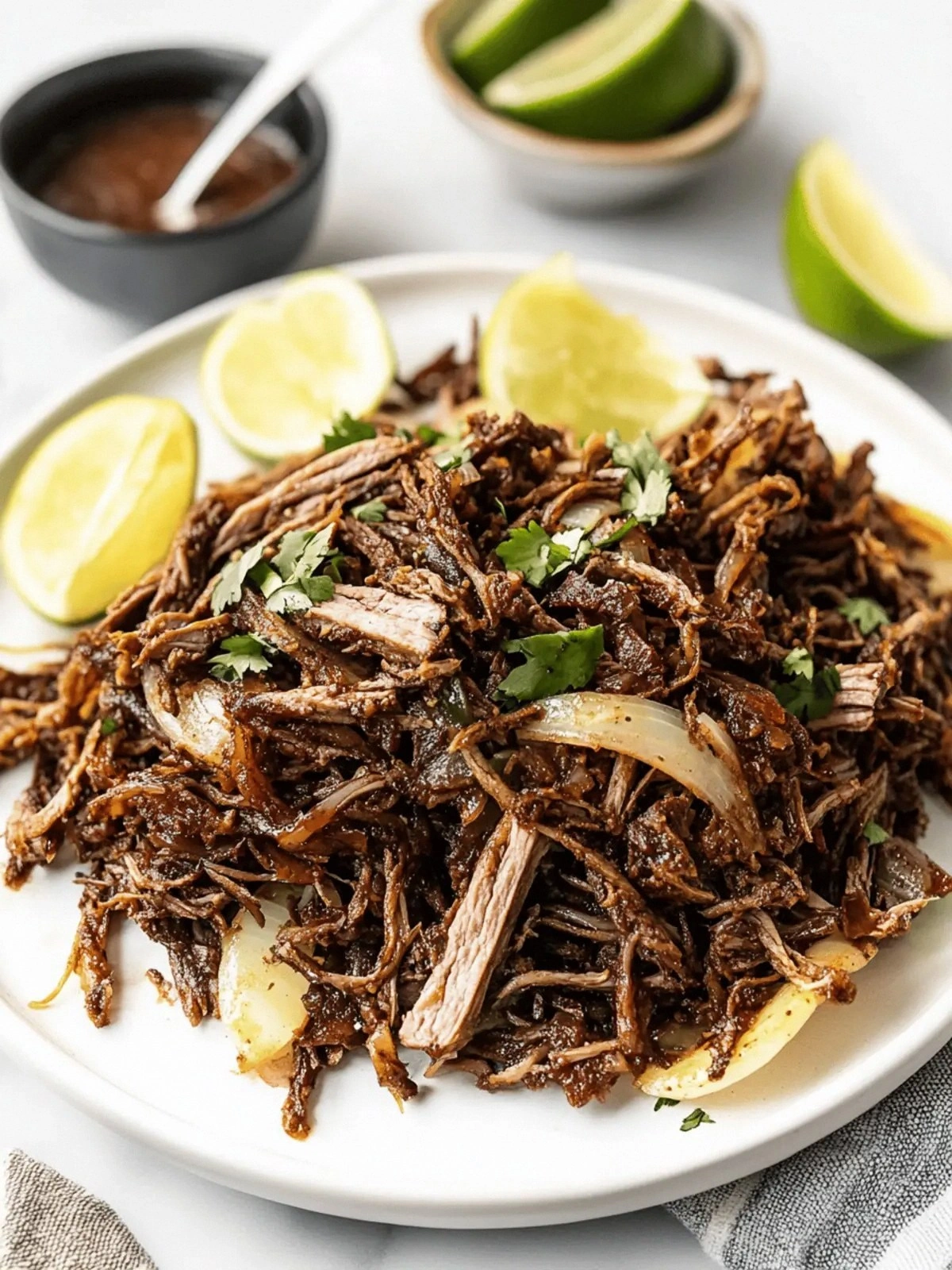
- Visual Appeal: The steak’s golden sear, coupled with the vibrant green of lime wedges, makes the dish a feast for the eyes as well as the palate.
- Audience Reaction: Friends and family consistently rave, and the dish has become the centerpiece at gatherings, proving its crowd‑pleasing power.
Alright, let’s break down exactly what goes into this masterpiece. Before you dive in, a quick kitchen hack:
Inside the Ingredient List
The Flavor Base
The foundation of Vaca Frita is the simple yet powerful combination of fresh lime juice, garlic, and bay leaves. The citrus provides a bright acidity that balances the beef’s fattiness, while the garlic offers a pungent depth. Bay leaves, often overlooked, bring a subtle herbal undertone that elevates the dish from ordinary to extraordinary. Skipping any of these would leave the steak tasting flat and uninspired.
The Texture Crew
Flank steak is known for its lean profile and distinct grain. Marinating it with neutral oil and complete seasoning allows the fibers to tenderize, creating a silky mouthfeel. The oil not only helps distribute the seasoning evenly but also assists in achieving that coveted sear. If you substitute the oil with butter, the flavor profile changes, but you’ll still get a rich, buttery finish.
The Unexpected Star
Large onions, when sliced and caramelized, add a subtle sweetness that balances the acidity of the lime. Their natural sugars develop a deep amber color that contrasts beautifully with the steak’s golden crust. Cutting onions into thin wedges ensures they cook quickly and don’t overpower the other flavors. If you prefer a milder onion taste, use red onions or even a small amount of shallots.
The Final Flourish
Lime wedges are the last touch, adding a burst of citrus aroma and a tangy finish that lingers on the palate. They also serve as a visual cue of freshness, making the dish look vibrant and inviting. Without the wedges, the dish feels incomplete, as if it’s missing a final flourish. If you’re not a fan of lime, a squeeze of fresh lemon can provide a similar bright note.
Everything’s prepped? Good. Let’s get into the real action.
The Method — Step by Step
- First, trim the flank steak of any silver skin and slice it against the grain into thin, bite‑sized strips. Cutting against the grain shortens the fibers, making the meat easier to chew. Lay the slices flat on a cutting board and let them breathe for a few minutes; this helps the steak absorb the marinades more evenly.
- In a large bowl, combine the lime juice, minced garlic, bay leaves, complete seasoning, and neutral oil. Whisk until the seasoning dissolves completely, creating a silky, aromatic mixture. The oil is essential; it carries the flavors into the meat and prevents sticking during searing.
- Add the steak strips to the bowl, turning them gently to coat every piece. Seal the bowl with plastic wrap and refrigerate for at least 30 minutes, ideally overnight. Marinating for a longer period allows the lime’s acidity to break down the muscle fibers, resulting in a more tender bite.
- Heat a large skillet or cast‑iron pan over medium‑high heat. When the pan shimmers, add the marinated steak in a single layer. Don’t overcrowd the pan; if needed, cook in batches to preserve the high temperature.
- Let the steak sear for about 2 minutes on each side, or until a golden crust forms. The sizzle you hear is the Maillard reaction at work, creating that savory depth that makes the dish irresistible. Flip only once to avoid tearing the meat.
- While the steak cooks, slice the large onion into thin wedges. Once the steak is nearly done, add the onions to the pan, letting them caramelize for 3–4 minutes. The onions’ natural sugars will develop a sweet, amber hue that balances the citrus.
- Remove the bay leaves from the pan; they’re not meant to be eaten. If the mixture feels too dry, splash a tablespoon of water or more lime juice to keep the steak moist and the sauce glossy.
- Serve the steak and onions hot, garnished with lime wedges. A squeeze of fresh lime over the top adds an extra punch of brightness. Plate with a side of rice, beans, or a fresh salad, and you’ve got a complete Cuban‑style feast.
That’s it — you did it. But hold on, I’ve got a few more tricks that’ll take this to another level. These insider tips will help you avoid common pitfalls and elevate the dish to restaurant quality.
Insider Tricks for Flawless Results
The Temperature Rule Nobody Follows
Many chefs believe that medium‑rare is the only way to keep steak juicy, but for Vaca Frita, a slightly higher temperature is key. Cooking the steak at a higher heat ensures a caramelized crust while still maintaining a tender interior. Use a thermometer to target 140°F (60°C) for medium, and you’ll get that perfect balance between sear and succulence.
Why Your Nose Knows Best
Before you start marinating, give the steak a quick sniff. The aroma of fresh lime and garlic should mingle with the subtle herbal scent of bay leaves. If the smell feels off or too sharp, the lime might be too acidic, which can overpower the meat. Adjust by adding a pinch of sugar or a splash of olive oil to mellow the acidity.
The 5‑Minute Rest That Changes Everything
After you remove the steak from the pan, let it rest for five minutes on a warm plate. This allows the juices to redistribute, ensuring each bite is moist and flavorful. A quick rest also lets the residual heat finish cooking the meat, preventing over‑cooking.
Keep the Onions Sweet
When caramelizing onions, use a splash of water or stock to deglaze the pan. This lifts the browned bits and incorporates them into the sauce, giving the onions a glossy finish and preventing them from burning.
Serve With a Splash of Freshness
Right before serving, drizzle a small amount of fresh lime juice over the steak. This final burst of citrus brightens the dish and balances the savory depth. It’s the secret sauce that turns a good meal into a memorable one.
Creative Twists and Variations
This recipe is a playground. Here are some of my favorite ways to switch things up:
Vaca Frita Tacos
Wrap the steak and onions in warm corn tortillas, top with fresh cilantro, diced onions, and a dollop of guacamole. The creamy avocado contrasts the citrusy steak, creating a flavor explosion.
Spicy Vaca Frita
Add a teaspoon of crushed red pepper flakes to the marinating mixture. The heat pairs beautifully with the lime, giving the dish a fiery kick that’s perfect for summer parties.
Herb‑Infused Vaca Frita
Replace bay leaves with a handful of fresh oregano or thyme. The herbs add a different aromatic profile, turning the dish into a Mediterranean‑inspired fusion.
Vaca Frita with Sweet Potato Mash
Serve the steak over a bed of creamy mashed sweet potatoes. The natural sweetness of the potatoes balances the tangy steak, creating a comforting, family‑friendly plate.
Vaca Frita Pizza
Spread the steak and onions over a pre‑baked pizza crust, sprinkle with shredded mozzarella, and bake until bubbly. The result is a savory, cheesy twist that’s a hit with kids.
Storing and Bringing It Back to Life
Fridge Storage
Cool the cooked steak to room temperature before placing it in an airtight container. Store in the refrigerator for up to 3 days. The lime juice helps preserve the meat’s freshness, but always check for any off odors before reheating.
Freezer Friendly
Wrap the steak tightly in plastic wrap and then in foil before freezing. It stays best for 2–3 months. Thaw overnight in the refrigerator, and you’ll have a ready‑to‑reheat meal that tastes almost as good as freshly cooked.
Best Reheating Method
Reheat the steak in a skillet over medium heat, adding a splash of water or lime juice to keep it moist. A quick 2–3 minute pan‑reheat restores the sear and ensures the steak remains juicy. Add a tiny splash of water before reheating — it steams back to perfection.