When the last of my friends left the kitchen, I was left with a half‑cooked chicken, a jar of balsamic vinegar, and a handful of peaches that had been waiting too long on the counter. That evening, the air was thick with the scent of burnt sugar and the faint whisper of basil, and I swear I could hear the sizzle of my own impatience. I stared at the ingredients and thought, “I dare you to taste this and not go back for seconds.” The kitchen felt like a stage, the stove the spotlight, and the skillet the set where every ingredient had a role to play. I knew this recipe would be a showstopper, and I couldn't wait to share the secret that turns an ordinary dinner into a headline act.
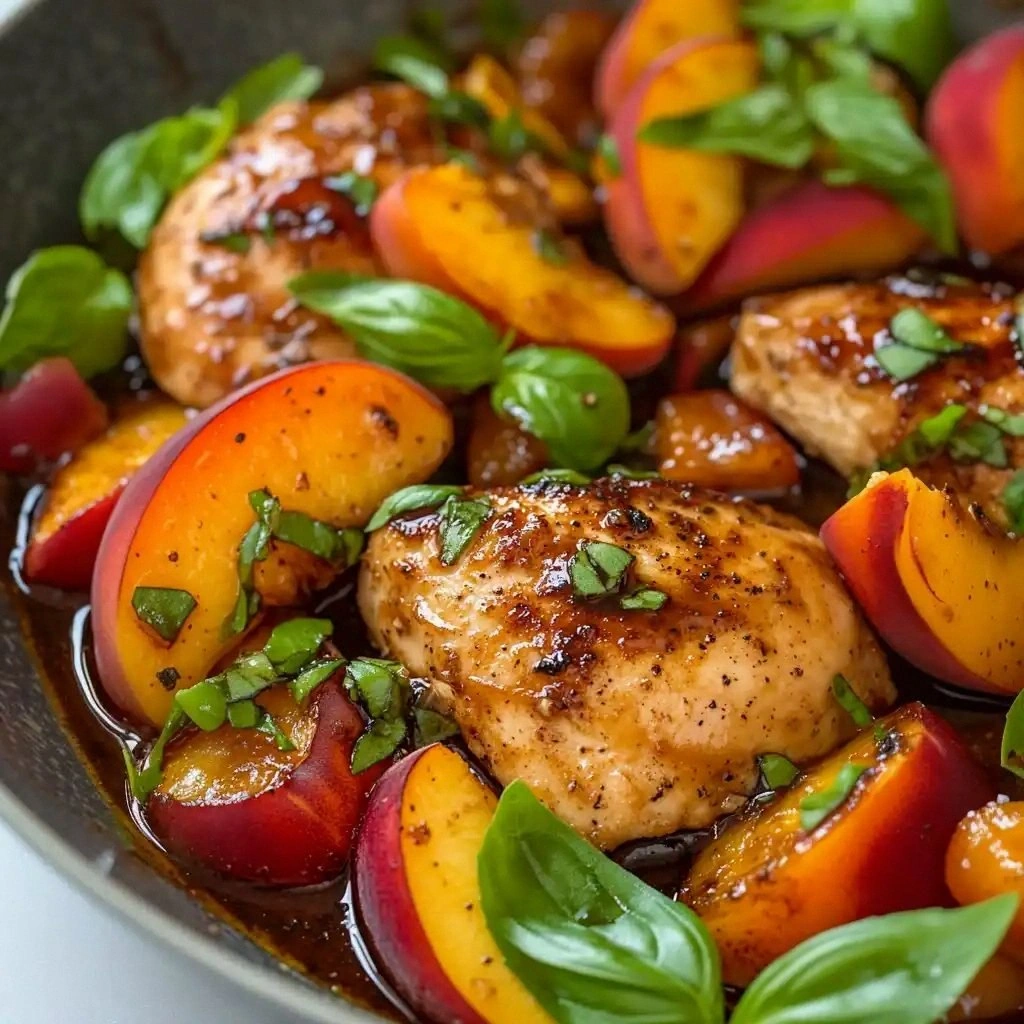
Picture yourself pulling this dish out of the oven, the whole kitchen smelling incredible, the steam curling like a fragrant ribbon. The peaches are not just fruit; they are a burst of summer sunshine, caramelized to a glossy glaze that coats the chicken like velvet. The basil adds a green, peppery counterpoint that cuts through the sweetness, and the balsamic vinegar gives that final, deep umami punch. The thinly sliced red onion provides a subtle crunch and a pop of color that makes the plate feel like a painting. If you've ever struggled with balancing sweet and savory in a one‑pan meal, you're not alone — and I've got the fix.
Most recipes get this completely wrong by over‑cooking the peaches or under‑seasoning the chicken. The trick here is to sear the chicken first, lock in juices, then let the peaches soften slowly in a sauce that thickens like a silky broth. The result is a dish that feels both indulgent and light, perfect for a dinner party or a quiet weeknight. The bold claim? This is hands down the best version you'll ever make at home. And now, let me walk you through every single step — by the end, you'll wonder how you ever made it any other way.
But first, let’s talk about the flavor architecture that makes this dish sing. The peaches are the sweet star, the balsamic vinegar the dark, rich backbone, and the basil the fresh, aromatic flourish. The chicken provides protein and a savory canvas that absorbs every nuance of the sauce. The garlic and onion add depth, while the honey balances acidity with a gentle, honeyed glow. Together, these elements create a symphony of flavors that dance on the palate, leaving a lingering, comforting aftertaste that invites a second plate.
What Makes This Version Stand Out
- Flavor Depth: The combination of balsamic vinegar and honey creates a sauce that is both tangy and sweet, reminiscent of a summer afternoon. The slow caramelization of peaches brings out their natural sugars, enhancing the overall richness. Each bite delivers a layered taste profile that evolves from savory to sweet as you chew. This depth sets it apart from simpler, one‑ingredient sauces. The result is a dish that feels sophisticated yet approachable.
- Texture Contrast: The chicken is seared to a golden crust, offering a satisfying bite that contrasts with the silky peach glaze. The thinly sliced onion adds a subtle crunch that breaks up the smoothness of the sauce. The basil leaves, torn just before serving, provide a fresh, airy texture that lifts the heaviness of the sauce. This interplay of textures keeps every mouthful interesting. The dish feels complete, neither too heavy nor too light.
- Simplicity: With just nine ingredients, this recipe is a masterclass in minimalism. No fancy equipment is required; a skillet does the trick. The cooking time is under an hour, making it perfect for busy weeknights. The steps are straightforward, and the ingredients are pantry staples. You’ll find yourself humming the recipe’s rhythm as you cook.
- Visual Appeal: The vibrant orange of the peaches against the deep red of the balsamic glaze creates a striking color contrast. The fresh basil adds a pop of green, making the dish Instagram‑ready. The caramelized edges of the chicken look like a golden crown. The plating feels like a work of art that invites you to dig in. You’ll notice that even before tasting, you’ll be excited to share.
- Make‑Ahead Potential: The sauce can be prepared a day ahead and refrigerated, allowing the flavors to meld even further. When reheated, the peaches soften beautifully, and the basil retains its freshness. This makes it an ideal dish for potlucks or dinner parties. The time saved is worth the extra flavor payoff. Your guests will marvel at the depth of flavor.
- Crowd‑Pleaser: The sweet and savory profile is universally loved, especially by those who enjoy a bit of indulgence in their meals. The dish can be served over rice, quinoa, or pasta, making it versatile. Even the most skeptical diners will be tempted by the aroma alone. The dish is a conversation starter that keeps people coming back for seconds. It’s the kind of recipe that you’ll find in your future family gatherings.
Inside the Ingredient List
The Flavor Base
The ½ cup of balsamic vinegar is the backbone of the sauce, lending a complex, fruity acidity that balances the sweetness of the peaches. Balsamic vinegar also contains natural sugars that caramelize, creating a glossy glaze that clings to the chicken. If you skip this step, the sauce will lack depth and the dish will feel flat. For a slightly different profile, you can substitute red wine vinegar, but the result will be less rich. When shopping, choose a high‑quality balsamic with a darker hue; it indicates a longer aging process and richer flavor.
The Texture Crew
2 tablespoons of olive oil is essential for searing the chicken and creating a caramelized crust. Olive oil also carries the flavors of the garlic and basil throughout the dish. If you prefer a lighter taste, use avocado oil, which has a higher smoke point. The ¼ cup of thinly sliced red onion adds a subtle crunch and a sweet, mild onion flavor that complements the peaches. Removing the onion would make the dish less complex, so keep it for that extra bite.
The Unexpected Star
The 2-3 fresh peaches are the heart of the dish, providing natural sweetness and a juicy texture that contrasts with the savory chicken. When selecting peaches, look for ones that yield slightly to gentle pressure and have a bright, vibrant color. If peaches are out of season, you can use ripe nectarines or even canned peaches in juice, but the flavor will shift slightly. A pinch of freshly ground black pepper will lift the sweetness of the peaches, preventing them from becoming cloying.
The Final Flourish
The 1 tablespoon of honey is the sweetener that balances the acidity of the vinegar and the natural tartness of the peaches. Honey also helps the sauce thicken to a silky consistency. If you’re avoiding honey, a small amount of maple syrup or agave nectar can serve as a substitute, though the flavor will differ subtly. The 2-3 tablespoons of fresh basil add a fresh, peppery aroma that brightens the dish. A few basil leaves torn just before serving keep the flavor vibrant. The ¼ teaspoon of salt and ¼ teaspoon of black pepper are the finishing touches that tie all elements together.
Everything's prepped? Good. Let's get into the real action...
The Method — Step by Step
- Prep the Ingredients: Slice the peaches into wedges, peel and mince the garlic, thinly slice the onion, and tear the basil leaves. Pat the chicken dry with paper towels; this ensures a crisp sear. Measure out the balsamic vinegar, olive oil, honey, salt, and pepper. Keep everything within arm’s reach to avoid any kitchen chaos. This step may feel tedious, but it’s the foundation of a flawless dish.
- Season the Chicken: Sprinkle the chicken breasts with salt and pepper on both sides. A well‑seasoned chicken absorbs more flavor from the sauce. Let the chicken rest at room temperature for 10 minutes; this promotes even cooking. If you’re in a hurry, skip this step, but you’ll miss out on the depth of flavor. The aroma will already be tempting, so you’ll feel the need to taste.
- Heat the Skillet: Place a large skillet over medium‑high heat and add the olive oil. Once the oil shimmers, lay the chicken breasts skin‑side down. The sizzle is the first hint that the dish is about to transform. Let the chicken sear without moving it for about 4 minutes, allowing a golden crust to form. Flip the chicken and sear the other side for another 3 minutes.
- Introduce Aromatics: Add the minced garlic and thinly sliced onion to the pan. Stir gently, letting the onion soften while the garlic releases its perfume. Watch the edges; they should start pulling away and turning translucent. This is the moment of truth—don’t walk away from the stove. The kitchen will fill with a savory, slightly sweet aroma that makes your mouth water.
- Add Peaches and Balsamic: Place the peach wedges on top of the chicken, then pour the balsamic vinegar over the entire pan. The peaches will begin to steam, releasing their juices. Let the mixture simmer for 5 minutes, allowing the vinegar to reduce and thicken. The sauce should smell toasty, and the edges will start pulling away. This step is pure magic; the sauce coats the chicken like velvet.
- Sweeten the Sauce: Stir in the honey, ensuring it blends smoothly with the vinegar and peach juices. The honey will help the sauce thicken further and add a caramelized sheen. Let the sauce bubble gently for another 3 minutes, allowing the flavors to meld. The honey’s subtle sweetness will cut through the acidity, creating a balanced profile. Keep an eye on the consistency; it should be glossy but not too runny.
- Finish with Basil: Sprinkle the torn basil leaves over the pan and let them wilt slightly. The basil’s fresh, peppery aroma will lift the dish, adding a final burst of freshness. Remove the pan from heat to prevent the basil from overcooking. Let the chicken rest for 5 minutes; this allows the juices to redistribute. The result is a dish that’s juicy, flavorful, and visually stunning.
- Plate and Serve: Slice the chicken into strips, arrange on a platter, and drizzle the remaining sauce over the top. Garnish with additional basil leaves for a pop of color. Serve immediately, perhaps over a bed of couscous or a simple green salad. The dish is best enjoyed hot, when the peaches are still slightly tender and the sauce is at its glossy peak. The first bite will confirm that you’ve mastered the art of sweet‑savory harmony.
That's it — you did it. But hold on, I've got a few more tricks that'll take this to another level...
Insider Tricks for Flawless Results
The Temperature Rule Nobody Follows
Many cooks think that high heat is always better, but for this dish, medium‑high is the sweet spot. Sealing the chicken at medium‑high locks in juices while preventing the sauce from scorching. If you start with too high heat, the balsamic vinegar will burn, leaving a bitter taste. Keep the skillet pre‑heated for a minute before adding the oil; this ensures an immediate sizzle. The temperature consistency is key to a balanced, glossy sauce.
Why Your Nose Knows Best
Before you even taste, let the dish sit for a minute. The aroma will tell you if the sauce has reached the right thickness. A faint, sweet scent indicates the peaches are caramelizing properly. If the smell is sharp, reduce the heat slightly. Your nose is a reliable guide; trust it to avoid over‑cooking.
The 5‑Minute Rest That Changes Everything
After removing the chicken from the pan, let it rest on a cutting board for exactly five minutes. This allows the juices to redistribute, ensuring each bite is juicy and tender. Cutting the chicken too soon will cause the juices to escape, leaving it dry. The rest period also lets the sauce thicken slightly, creating a richer coating. Five minutes is the magic number; it’s easy to remember.
Use a Cast‑Iron Skillet for Even Heat
A cast‑iron skillet retains heat better than stainless steel, giving you a more even sear. The even heat also helps the sauce reduce at a consistent rate. If you’re using a non‑stick pan, watch the heat closely; it can flare up quickly. The cast‑iron also adds a subtle, smoky flavor to the dish. If you don’t have cast‑iron, a heavy‑bottomed stainless steel pan works well too.
Let the Basil Bloom at the End
Adding basil too early can cause it to wilt and lose its bright flavor. Tear the basil just before serving so it stays fresh and aromatic. The basil’s essential oils are volatile; adding them at the end preserves the aroma. If you prefer a milder basil flavor, add a pinch earlier and let it infuse for a few minutes. This technique ensures the basil remains a vibrant, fresh garnish.
Creative Twists and Variations
Chicken Tacos with Peach Salsa
Swap the skillet for a grill, then slice the cooked chicken into thin strips. Toss the strips in a bowl with diced peaches, cilantro, lime juice, and a splash of olive oil. Warm corn tortillas in a dry skillet, then fill with the peach salsa and chicken. The result is a fresh, summery taco that’s perfect for a backyard gathering. The sweet salsa pairs beautifully with the smoky chicken.
Pasta with Peach Balsamic Sauce
Cook your favorite pasta, such as linguine or penne, until al dente. Toss the pasta with the peach balsamic sauce, adding a handful of spinach for color. Top with shaved parmesan and a drizzle of olive oil. The pasta absorbs the sauce, creating a dish that’s both comforting and elegant. This variation is a great way to use leftover sauce.
Peach Basil Chicken Skewers
Marinate chicken cubes in balsamic vinegar, olive oil, and basil for 30 minutes. Thread chicken, peach wedges, and red onion onto skewers. Grill until the chicken is cooked through and the peaches are slightly charred. Serve with a side of couscous and a sprinkle of chopped basil. The skewers are a fun, finger‑food version of the original dish.
Peach Basil Salad with Grilled Chicken
Slice the cooked chicken into strips and arrange on a bed of mixed greens. Add sliced peaches, thinly sliced red onion, and a handful of arugula. Drizzle with a vinaigrette made from balsamic vinegar, honey, and olive oil. Toss gently and garnish with fresh basil leaves. This salad is light, refreshing, and full of flavor.
Chicken and Peach Quesadillas
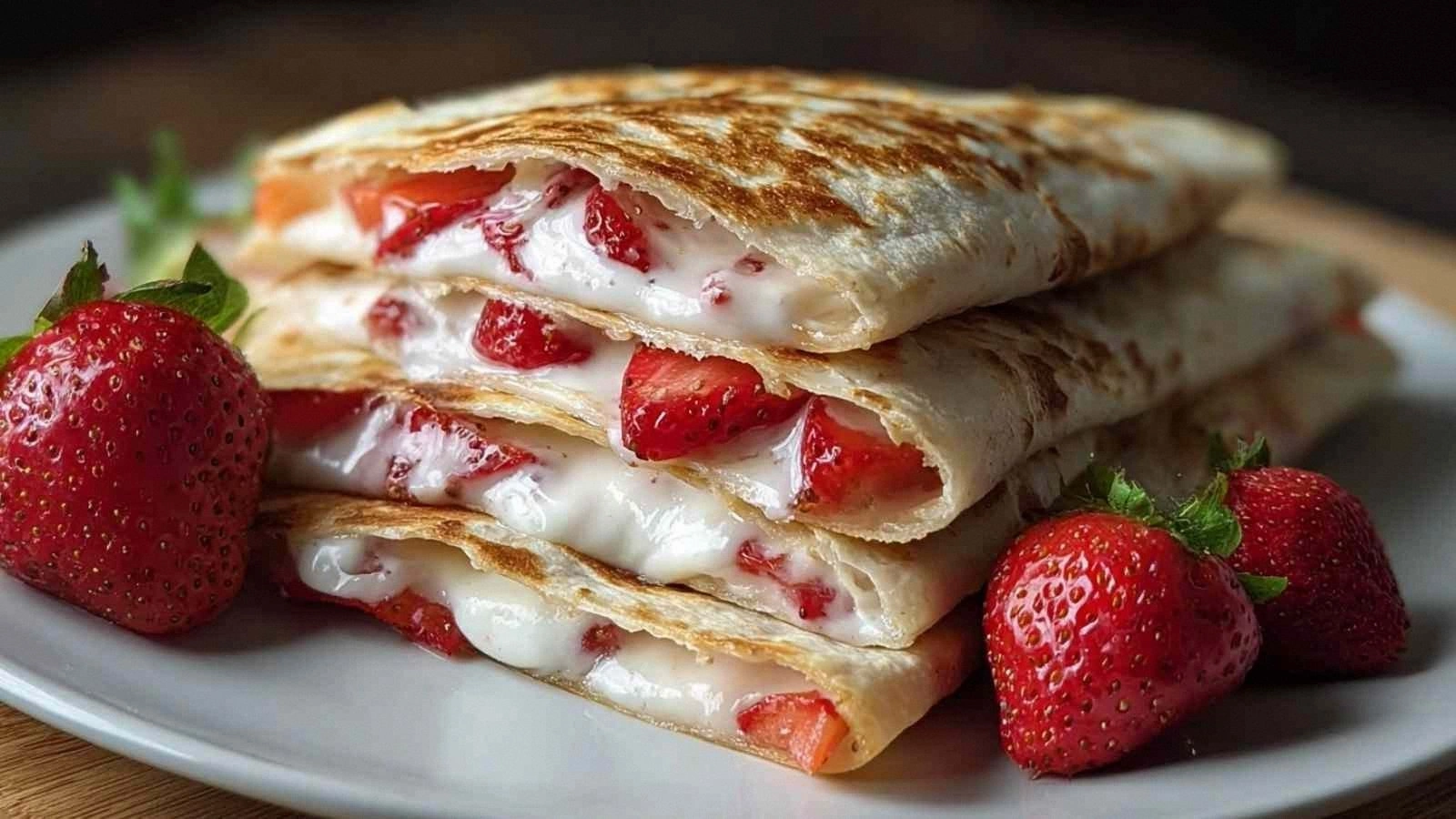
Spread the peach balsamic sauce onto a flour tortilla, then add shredded chicken, sliced peaches, and a handful of shredded mozzarella. Fold the tortilla and cook in a hot skillet until the cheese melts and the tortilla is golden. Cut into wedges and serve with a dollop of Greek yogurt. The quesadilla combines the sweet sauce with creamy cheese for a delightful bite.
Peach Basil Chicken Pizza
Spread a thin layer of peach balsamic sauce on a pre‑baked pizza crust. Top with sliced chicken, peaches, and fresh basil. Sprinkle with goat cheese and bake until the cheese melts. The result is a savory pizza with a sweet, tangy twist. Serve hot for an unexpected pizza night.
Storing and Bringing It Back to Life
Fridge Storage
Store the leftover chicken and sauce in an airtight container for up to three days. Keep the peaches in a separate compartment to avoid them turning mushy. When reheating, gently warm the sauce in a saucepan over low heat, stirring occasionally. The sauce will thicken slightly; if it becomes too thick, add a splash of water or broth. Serve immediately for the best flavor.
Freezer Friendly
Freeze the chicken and sauce separately in freezer‑safe containers for up to two months. Label each container with the date for easy reference. Thaw in the refrigerator overnight before reheating. When reheating, use a low heat setting to prevent the sauce from separating. The texture of the peaches will be slightly softer, but the flavor remains intact.
Best Reheating Method
Reheat the dish on the stovetop over medium‑low heat, stirring gently to combine the sauce and chicken. Add a tiny splash of water or broth to create steam, which keeps the peaches moist. Heat until the sauce is hot and bubbling; avoid over‑cooking the chicken. A quick microwave burst can also work if you’re in a hurry, but stir after heating. The final result should feel fresh and delicious.