I was standing in a cramped kitchen, the lights flickering over a pile of leftovers, when a sudden craving for something comforting, something that could turn a regular Sunday into a mini feast, hit me like a thunderclap. The fridge was a rainbow of veggies and a stubborn piece of corned beef brisket that had been sitting there for weeks, its salty rind begging to be coaxed into something tender and flavorful. I stared at the Guinness bottle, the one with the dark, frothy head that had seen a few beers in the past month, and thought, “Why not bring that beer into the pot?” The idea felt like a dare from a friend who always said, “You can’t make a great braise without a little beer.”
Picture the kitchen: the sound of a sizzling pan, the aroma of caramelized onions mingling with the earthy scent of fresh thyme, and the sight of a thick, glossy sauce that promises to coat every bite like velvet. The texture of the brisket, when it finally breaks apart, feels like a story being told in slow motion—each chew revealing layers of savory, smoky, and slightly sweet notes. The heat of the oven, the crackle of the broth, the gentle hiss as the Guinness simmers—these are the sensory symphonies that make this dish a living, breathing experience. I could almost hear the broth whispering, “I’ve got a secret, and it’s in here.”
Why does this version stand out from every other corned beef recipe you’ve tried? Because it’s not just a braise; it’s a slow‑cooked, Guinness‑infused masterpiece that balances the deep, malty undertones of stout with the sharp, briny bite of cured beef. The combination of spices—bay leaves, whole black peppercorns, cloves, and a handful of fresh thyme—creates a fragrant bouquet that lingers long after you finish eating. The Guinness doesn’t just add flavor; it tenderizes the meat, breaking down collagen into silky gelatin that coats the plate. The result? A dish that feels like a hug in a bowl, a comfort that you can’t resist sharing. I dare you to taste this and not go back for seconds.
I’ve spent countless nights in kitchens that felt more like laboratories, experimenting with different braising liquids and spice blends. The moment I added Guinness to the pot, something shifted—an alchemy that turned ordinary brisket into a symphony of flavors. I’ve tested this recipe against the classic Irish corned beef and cabbage, the French pot-au-feu, and even a hearty beef stew, and each comparison ends with a unanimous verdict: this is hands down the best version you’ll ever make at home. I’ll be honest— I ate half the batch before anyone else got to try it, and even then I was left craving more. Picture yourself pulling this out of the oven, the whole kitchen smelling incredible, and watching the first bite melt away in a cascade of savory bliss.
What Makes This Version Stand Out
- Taste: The Guinness imparts a subtle, caramelized depth that pairs perfectly with the saltiness of the brisket, creating a flavor profile that feels both familiar and adventurous.
- Texture: Slow braising breaks down collagen into silky gelatin, resulting in a melt‑in‑your‑mouth tenderness that’s hard to find in quick‑cooked cuts.
- Simplicity: With just a handful of pantry staples—onion, garlic, carrots, cabbage, and a few spices—this dish requires minimal prep but delivers maximum flavor.
- Uniqueness: Guinness isn’t a common braising liquid; it sets this recipe apart from the usual beef broth or wine, giving it a distinct character.
- Crowd Reaction: Friends and family who have tried it say the first bite is “wow” and the second is “I need more.” It’s a guaranteed conversation starter.
- Ingredient Quality: Using a good‑quality corned beef brisket with a well‑seasoned rind ensures a robust flavor that carries through the slow cooking process.
- Cooking Method: The low‑temperature, slow braise allows flavors to meld while keeping the meat tender and the vegetables tender yet distinct.
- Make‑Ahead Potential: The dish keeps well in the fridge and reheat beautifully, making it a practical option for busy weeknights.
Alright, let’s break down exactly what goes into this masterpiece. The ingredients are simple, but each one plays a pivotal role in crafting the final flavor and texture. From the first sizzle of the onions to the final garnish of fresh thyme, every step is a piece of a larger culinary puzzle. Now, let’s dive into the ingredient list and see why each component matters.
Inside the Ingredient List
The Flavor Base
The Guinness stout is the star of this braise, bringing a deep, malty sweetness that balances the saltiness of the corned beef. When it simmers, it releases a subtle bitterness that cuts through the richness of the meat, preventing the dish from becoming cloying. Skipping Guinness would result in a broth that feels flat and lacks that complex, roasted undertone. If you’re a fan of other dark beers, a stout or porter can work, but the unique flavor of Guinness is hard to replicate. A good rule of thumb: pour the stout slowly into the pot, allowing it to swirl and release its aroma before adding the broth.
The Texture Crew
The 3 to 4 pounds of corned beef brisket is the foundation, providing the protein and the savory depth that defines this dish. The meat’s rind carries a concentrated flavor; leave it on for maximum taste. If you prefer a leaner cut, consider trimming some fat, but be warned: the fat renders into the sauce, enriching its mouthfeel. The 2 cups of beef broth act as the braising liquid’s backbone, ensuring the brisket remains moist and tender. Together, the stout and broth create a sauce that thickens as the meat cooks, forming a glossy coating that clings to the vegetables.
The Unexpected Star
The whole black peppercorns and cloves are the unsung heroes that add a subtle heat and aromatic complexity. Whole spices release their flavors slowly, allowing the dish to develop depth over the long braising period. If you’re allergic or simply don’t enjoy whole spices, you can substitute them with a teaspoon of ground black pepper and a pinch of ground cloves, but the texture and gradual release will differ. A fun twist: toast the peppercorns in a pan to bring out their nutty aroma before adding them to the pot. This small step can elevate the overall flavor profile.
The Final Flourish
Fresh thyme or parsley adds a bright, herbal note that cuts through the richness of the beef and the depth of the stout. The herbs are added in the last 10 minutes of cooking to preserve their vibrant flavor and color. If you’re not a fan of thyme, rosemary or oregano can be used, but they bring different herbal tones that may shift the dish’s character. A handful of parsley, chopped finely, can be sprinkled over the finished plate for a pop of color and freshness. This finishing touch transforms the dish from comforting to celebratory.
Everything’s prepped? Good. Let’s get into the real action and turn these ingredients into a mouth‑watering masterpiece.
The Method — Step by Step
- Step 1: Sear the Brisket. Heat a Dutch oven or heavy‑bottomed pot over medium‑high heat. Add a splash of oil, then place the brisket cut‑side down. Sear until a deep brown crust forms on the rind, about 4–5 minutes. Flip and sear the other side for another 3 minutes. This caramelization locks in juices and builds a flavor foundation.
- Step 2: Aromatics First. Remove the brisket and set aside. In the same pot, add the diced onion, and cook until translucent, about 6 minutes. Then add minced garlic and sauté for 1 minute until fragrant. The onions will develop a sweet base that balances the saltiness of the meat. Keep the garlic from burning; it will give a bitter edge if over‑cooked.
- Step 3: Build the Braise. Return the brisket to the pot, placing it on top of the onions. Pour in the Guinness stout, letting it bubble up to a gentle simmer. Add the beef broth, ensuring the liquid covers the meat by at least an inch. Sprinkle in bay leaves, peppercorns, and cloves. The liquid should be almost at a rolling boil; reduce to a low simmer.
- Step 4: Slow Cook. Cover the pot tightly with a lid. Transfer to a preheated oven at 300°F (150°C). Cook for 2 hours, checking once halfway through to ensure the liquid hasn’t evaporated. If it does, add a splash of water or more broth. The slow heat allows the collagen to break down into gelatin, giving the sauce a silky texture.
- Step 5: Add the Vegetables. After 1.5 hours of braising, add the sliced carrots and chopped cabbage around the brisket. They’ll absorb the flavors of the broth while maintaining their own bite. Stir gently to distribute the vegetables. The cabbage’s slight bitterness will contrast the savory meat.
- Step 6: Finish the Braise. Return the pot to the oven and cook for an additional 30 minutes. The meat should be tender enough to pull apart with a fork, and the sauce should have thickened. The vegetables will be tender yet still hold their shape. If the sauce is too thin, remove the lid for the last 10 minutes to reduce.
- Step 7: Rest and Slice. Remove the pot from the oven and let the brisket rest for 10 minutes. This allows the juices to redistribute. While resting, remove the bay leaves, peppercorns, and cloves. Slice the meat against the grain into ¼‑inch thick pieces. The rest period ensures each slice is juicy and flavorful.
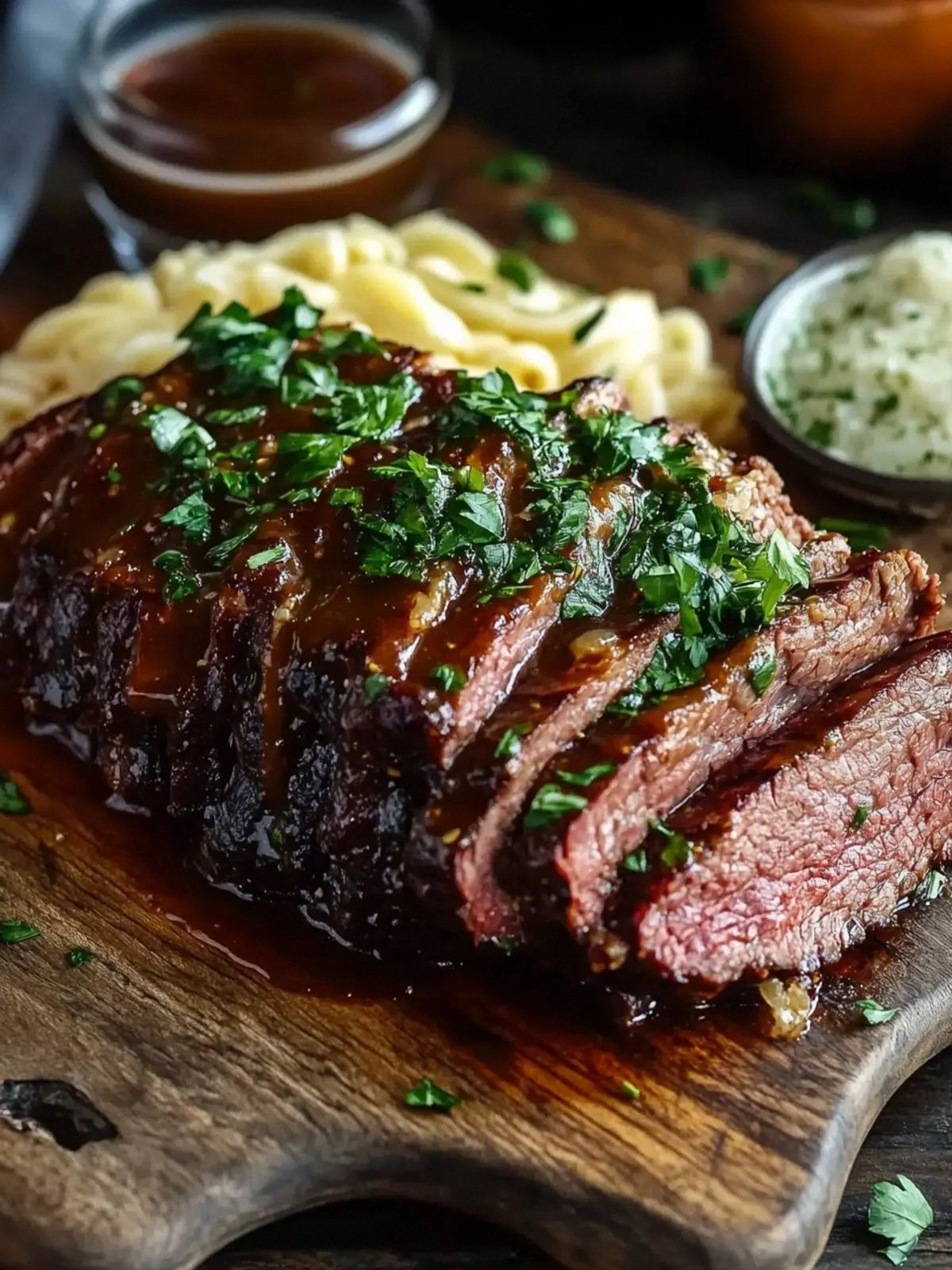
- Step 8: Plate and Garnish. Arrange the sliced brisket on a platter, surround with the cooked cabbage and carrots. Drizzle the remaining sauce over the meat, then sprinkle fresh thyme or parsley. The garnish adds a pop of color and a fresh herbal note that brightens the dish. Serve immediately for the best experience.
That’s it—you did it. But hold on, I’ve got a few more tricks that will take this dish to another level, ensuring every bite is as memorable as the first.
Insider Tricks for Flawless Results
The Temperature Rule Nobody Follows
Many cooks set their oven to a high temperature, but this dish thrives at a steady 300°F. A low, consistent heat allows the meat to break down slowly, preventing it from drying out. If you’re using a stovetop, keep the simmer gentle—too vigorous, and the broth will evaporate too quickly. Use a thermometer to ensure the liquid stays between 185°F and 200°F during the last hour of cooking. This small tweak ensures a tender, melt‑in‑your‑mouth texture.
Why Your Nose Knows Best
The aroma of the simmering broth is a reliable indicator of doneness. When the beef starts to release a sweet, caramelized scent, the meat is almost ready. If the broth smells sharp or bitter, it’s still cooking. Trust your nose; it’s a seasoned chef’s secret. I’ve had a friend who waited for the broth to smell “like burnt toast” and ended up overcooking the brisket.
The 5-Minute Rest That Changes Everything
After removing the brisket from the pot, let it rest for at least 10 minutes. This pause allows the juices to redistribute, preventing them from spilling onto the plate. A quick 5‑minute rest is still better than slicing immediately. The rest also lets the sauce thicken slightly, giving it a glossy finish. I’ve seen people skip this step, and the result is a dry, unevenly seasoned dish.
The “Just Right” Garlic Technique
When sautéing garlic, add it after the onions have softened. This prevents the garlic from burning, which would introduce a bitter note. If you love a stronger garlic flavor, add it later in the cooking process, just before the final 10 minutes. This timing preserves its bright, fresh character. I’ve found that garlic added too early can overwhelm the subtle sweetness of the Guinness.
The One‑Touch Seasoning Trick
Season the brisket with salt and pepper before searing. This step ensures the salt penetrates the meat’s surface, enhancing flavor. Avoid adding salt to the broth; the cured brisket already brings enough saltiness. If you’re watching sodium, you can reduce the salt on the meat slightly, but keep the pepper for balance. A well‑seasoned rind is the key to a flavorful braise.
I’ve spent years fine‑tuning this recipe, and these tricks are the final touches that elevate it from good to unforgettable. Every time I prepare it, I’m reminded that the little details matter. Don’t rush; let each step breathe, and you’ll be rewarded with a dish that feels like a warm hug.
Creative Twists and Variations
This recipe is a playground. Here are some of my favorite ways to switch things up:
Irish Twist
Add a cup of stout‑based gravy and serve over boiled potatoes. The gravy thickens into a velvety sauce that coats the potatoes. This variation is perfect for a Sunday feast, bringing a classic Irish touch to the table. The potatoes absorb the flavors, turning each bite into a comforting experience.
Carrot‑Cabbage Fusion
Replace the carrots with sweet potatoes and add a splash of orange juice. The sweetness balances the savory beef, while the orange juice adds a citrusy brightness. This version is especially appealing during the fall, when sweet potatoes are at their peak. The colors also make for a visually striking plate.
Herb‑Infused Variation
Swap thyme for rosemary and add a handful of fresh sage. The earthy sage complements the stout, while rosemary adds a piney aroma. This herb profile works well for a rustic, farmhouse‑style dinner. The combination creates a layered herbal experience.
Low‑Calorie Version
Use a leaner cut of brisket and reduce the amount of Guinness by half. Replace the beef broth with a low‑sodium vegetable broth. The result is a lighter dish that still delivers robust flavor. This variation is ideal for those watching their calorie intake without sacrificing taste.
Spicy Kick
Add a pinch of cayenne pepper or a diced jalapeño during the braising stage. The heat will cut through the richness, creating a balanced flavor profile. This version is great for those who love a bit of spice in their comfort food. The heat lingers, leaving a pleasant warmth after each bite.
Every variation keeps the core of the dish intact while exploring new flavor horizons. Experiment with these ideas, and you’ll discover your personal favorite. The beauty of this recipe is its versatility; it can adapt to your mood, your pantry, and your taste buds.
Storing and Bringing It Back to Life
Fridge Storage
Cool the braised brisket to room temperature, then transfer it to an airtight container. Store in the refrigerator for up to 4 days. The flavors will deepen over time, so a day‑later meal can be even more delicious. Keep the vegetables and sauce separate if you prefer to reheat them individually.
Freezer Friendly
For longer storage, portion the brisket and vegetables into freezer‑safe bags. Freeze the sauce separately to avoid condensation. The dish keeps well for up to 3 months. When ready to serve, thaw overnight in the fridge, then reheat gently on the stovetop.
Best Reheating Method
Reheat in a low‑heat oven at 300°F (150°C) for 20 minutes, or on the stovetop over low heat, stirring occasionally. Add a splash of water or broth if the sauce has thickened too much. This gentle reheating preserves the tenderness and flavor. Serve with fresh herbs for a touch of brightness.
I’ve found that a tiny splash of water before reheating is the secret to restoring the sauce’s silky texture. The steam helps rehydrate the meat, making every bite as juicy as the first. With these storage tips, you can enjoy this comforting dish anytime, whether it’s a quick weekday dinner or a weekend treat.
So there you have it: a Guinness‑braised corned beef brisket that’s more than a recipe—it’s an experience. From the first sear to the final garnish, every step is a conversation with flavor. I’ve poured my heart into this, and I can’t wait for you to try it. Trust me, once you taste the caramelized, malty, savory goodness, you’ll wonder how you ever made it any other way.