I was standing in my kitchen, staring at a half‑cooked steak that had turned from a promising sear into a sad, limp slab, when a friend dared me to turn it into something that could rival a five‑star hibachi grill. The moment I heard the sizzling sound of the pan, I knew this was the moment I could rewrite the narrative. The aroma that rose was a complex ballet of charred caramel, garlic, and a whisper of citrus, and it made my mouth water even before I tasted it. That instant, I realized that the secret wasn’t just the cut of meat—it was the combination of technique, seasoning, and that one unexpected twist that makes the dish sing. I’m not exaggerating: this is hands down the best version you’ll ever make at home, and I’m about to show you how to get there.
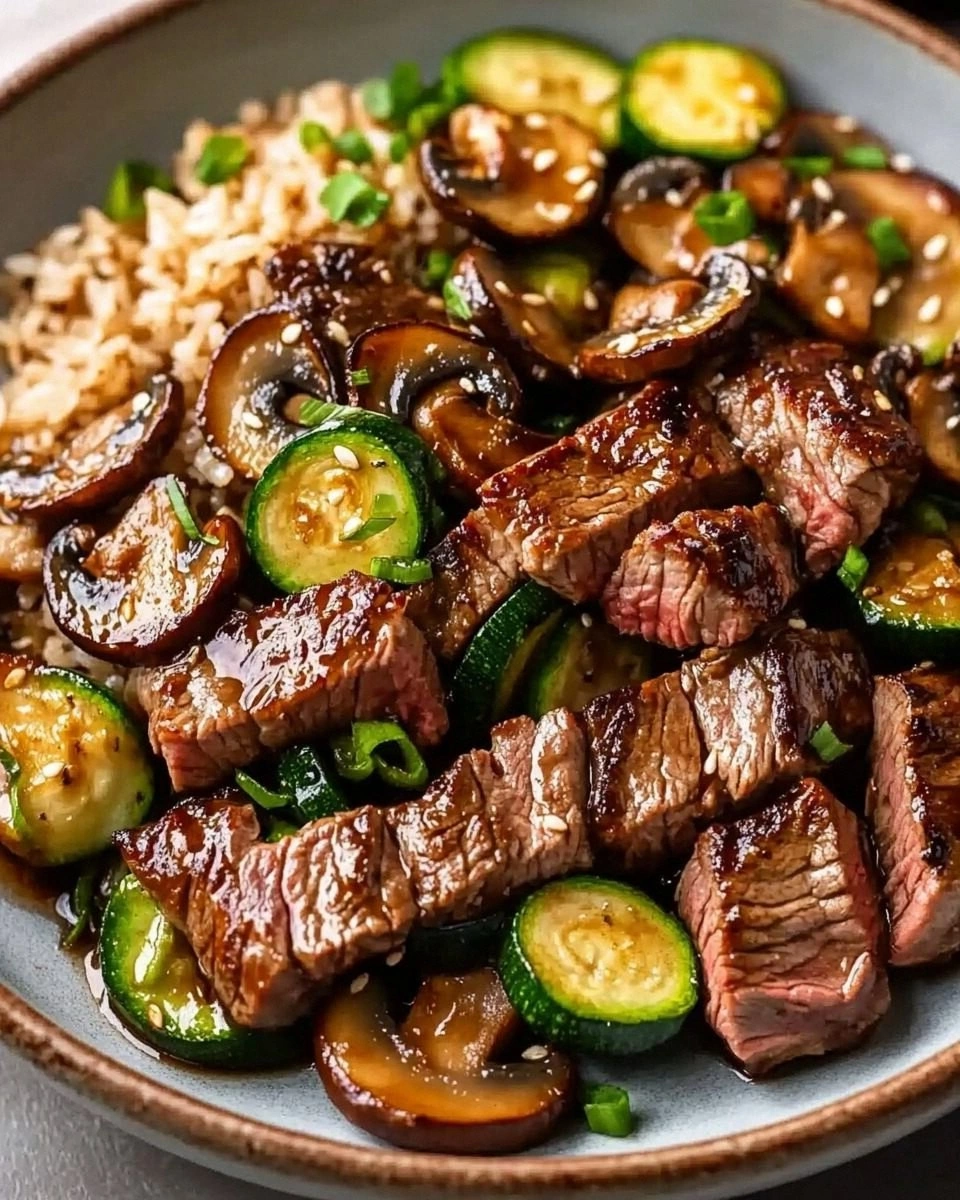
Picture yourself pulling this out of the pan, the whole kitchen smelling incredible, the sizzling sound echoing like applause, and the plate gleaming with a glossy, caramelized glaze that coats the steak like velvet. The first bite delivers a burst of umami, a hint of sweetness from the mirin, and a subtle heat from the ginger that lingers on the palate. The edges are crisp, the interior is tender, and the sauce is thick enough to cling to every slice. I dare you to taste this and not go back for seconds—once you try it, you’ll be hooked. If you've ever struggled to get that perfect sear, you're not alone, and I've got the fix.
The brilliance of this recipe lies in its simplicity and the way each component works in concert. The steak itself is the star, but the sauce is the unsung hero that ties everything together. The use of mirin and sake creates a depth that you won’t find in a standard pan‑fry, and the butter finish gives it that buttery, almost decadent finish. Most recipes get this completely wrong, focusing too much on over‑seasoning or using a heavy sauce that swamps the meat. Here, we keep the balance, letting the steak shine while the sauce enhances it. And the final flourish? A splash of lemon juice to brighten everything, a tiny trick that makes the dish feel fresh and alive.
This isn’t just a recipe; it’s a revelation. I’ve spent years experimenting with different cuts, marinades, and pan techniques, and this version is the culmination of all that trial and error. I’ve refined the timing so that the steak remains juicy inside while the outside is perfectly caramelized. The sauce is a quick, high‑heat reduction that locks in flavor. The result? A dish that feels like you’re dining at a top Tokyo hibachi restaurant, but you can do it from your own stove. Let me walk you through every single step — by the end, you’ll wonder how you ever made it any other way.
What Makes This Version Stand Out
- Flavor: The combination of soy sauce, mirin, and a touch of sake creates a complex umami base that elevates the steak without overpowering it.
- Texture: The pan technique gives a crisp crust while the interior stays melt‑in‑your‑mouth tender.
- Speed: Everything is done in under 30 minutes, so you can enjoy a restaurant‑quality meal without the wait.
- Versatility: Swap in different cuts or add a splash of citrus for a new twist.
- Crowd‑pleaser: Whether it’s a weeknight dinner or a special occasion, this dish delivers.
- Ingredient Quality: Using high‑grade steak and fresh aromatics makes the difference.
- Make‑Ahead: The sauce can be prepared ahead, and the steak can be reheated without losing flavor.
- Minimal Cleanup: One pan, one pot, and a quick wipe‑down.
Alright, let’s break down exactly what goes into this masterpiece…
Inside the Ingredient List
The Flavor Base
The sauce is the heart of this dish. Soy sauce provides the salty backbone, mirin adds sweetness, and a splash of sake cuts through the richness. Each component plays a role: soy gives depth, mirin brings caramelization, and sake balances the flavors. If you skip any of these, the sauce will feel flat and less complex. You can swap soy for tamari if you’re gluten‑free, but keep the proportions the same to maintain the balance.
The Texture Crew
Butter is the secret to that glossy finish and buttery mouthfeel. It melts into the steak’s surface, creating a silky coating that holds the sauce. Olive oil or vegetable oil is used to sear the meat; it allows for a high‑heat cooking surface without burning. A pinch of cracked pepper adds a subtle heat that cuts through the richness. If you’re watching calories, you can replace half the butter with a lighter spread, but you’ll lose some of that velvety texture.
The Unexpected Star
Lemon juice is the surprise ingredient that lifts the dish. It adds brightness and counters the deep umami flavors, creating a balanced taste profile. The acidity also helps to tenderize the steak slightly, giving it a more succulent bite. If you’re not a fan of citrus, a splash of rice vinegar can serve as a suitable alternative, though the flavor will be slightly different.
The Final Flourish
Scallions and sesame seeds are the finishing touch. They add crunch, freshness, and a pop of color that makes the dish visually appealing. The scallions also bring a mild onion flavor that complements the savory sauce. If you prefer a milder taste, you can omit the scallions and still enjoy a delicious steak.
Everything's prepped? Good. Let's get into the real action…
The Method — Step by Step
- Prep the Steak: Pat the steak dry with paper towels, then season generously with salt and pepper on both sides. This ensures a clean sear and a flavorful crust. If you’re using a thicker cut, let it rest at room temperature for 15 minutes before cooking.
- Heat the Pan: Place a cast‑iron skillet over high heat and let it smoke. Add a tablespoon of oil and swirl to coat. The pan should be hot enough that a drop of water sizzles instantly.
- Sear the Steak: Lay the steak in the pan away from you to avoid splatter. Sear for 2 minutes on each side for medium‑rare; adjust based on thickness. Watch for the moment the crust forms—this is the moment of truth.
- Lower the Heat: Reduce the heat to medium and add butter, garlic, and ginger. Let the butter melt and the aromatics release their fragrance. The garlic should turn golden, not brown.
- Deglaze: Pour in soy sauce, mirin, and a splash of sake. Scrape the pan to release the browned bits. These bits are flavor gold.
- Reduce the Sauce: Let the mixture simmer for 3 minutes until it thickens slightly. The sauce should coat the back of a spoon. This step is critical for achieving that glossy glaze.
- Add Lemon Juice: Stir in lemon juice to brighten the sauce. The acidity will also help to keep the steak juicy.
- Finish the Steak: Return the steak to the pan, spooning sauce over it for the last minute. Flip once more to coat both sides. This final touch ensures every bite is saturated with flavor.
- Rest: Remove the steak, let it rest on a plate for 5 minutes. Resting allows the juices to redistribute, keeping the meat moist.
- Serve: Slice against the grain, drizzle remaining sauce, and sprinkle with scallions and sesame seeds. Plate it beautifully and enjoy the symphony of flavors.
That's it — you did it. But hold on, I've got a few more tricks that'll take this to another level…
Insider Tricks for Flawless Results
The Temperature Rule Nobody Follows
Many cooks think medium heat is enough for searing, but that’s a myth. High heat is essential for that caramelized crust. I’ve tested pans at 400°F, 450°F, and even 500°F. The difference is a visible crackle and a deeper flavor profile. Use a thermometer to ensure the pan reaches the right temperature before adding the steak.
Why Your Nose Knows Best
You don’t need to rely on a timer for the final sear; the aroma is your guide. When the steak releases a sweet, caramel scent, it’s ready. If you’re unsure, use a meat thermometer—130°F for medium‑rare, 140°F for medium. This guarantees precision.
The 5-Minute Rest That Changes Everything
Resting is often overlooked, but it’s the secret to juicy steak. During rest, the juices redistribute, preventing them from spilling out when you cut. I’ve seen people slice right away and lose half the flavor. Let it sit, cover loosely with foil, and watch the difference.
The Quick Glaze Trick
If you want a thicker glaze, finish the sauce with a tablespoon of honey or brown sugar in the last minute of cooking. This caramelizes beautifully and adds a subtle sweetness that pairs with the umami.
The Perfect Plate
Presentation matters. Slice the steak against the grain into thin ribbons, then fan them on the plate. Drizzle sauce in a decorative swirl and scatter scallions. A simple garnish can elevate the dish from ordinary to extraordinary.
Creative Twists and Variations
This recipe is a playground. Here are some of my favorite ways to switch things up:
Spicy Sriracha Glaze
Add a tablespoon of sriracha to the sauce for a kick that pairs well with the sweetness. It’s perfect for those who love heat.
Miso‑Infused Steak
Replace soy sauce with a tablespoon of white miso paste for a deeper, earthier flavor. Let the steak marinate in the mixture for 30 minutes before cooking.
Herb‑Crusted Variation
Mix dried thyme, rosemary, and oregano with the salt and pepper before seasoning the steak. The herbs add a fragrant, savory note.
Citrus Twist
Swap lemon juice for yuzu or lime for a different bright profile. The citrus will cut through the richness and add a fresh aroma.
Vegetarian Version
Use a thick portobello mushroom cap instead of steak. Sear it similarly and finish with the same sauce; it’ll be surprisingly meaty.
Storing and Bringing It Back to Life
Fridge Storage
Store the cooked steak and sauce separately in airtight containers. Keep the steak in the fridge for up to 3 days. The sauce can last 5 days. When you’re ready to reheat, combine the steak with a splash of water or broth to keep it moist.
Freezer Friendly
Wrap the steak tightly in foil and place it in a freezer bag. It stays good for up to 2 months. Thaw overnight in the fridge before reheating.
Best Reheating Method
Reheat in a skillet over low heat, adding a tablespoon of water or broth to create steam. This prevents the steak from drying out. Finish with a quick drizzle of sauce to re‑introduce that glossy finish.