I was halfway through a frantic grocery run when my phone buzzed with a recipe challenge from a friend who swears she can turn any dish into a five‑star experience. The prompt was simple: “Show me your best lamb tagine.” I stared at the empty pantry, then at the stubborn lamb shoulder in my fridge, and thought, “Why not make this a showstopper?” The idea of slow‑cooked lamb, aromatic spices, and sweet apricots dancing in a fragrant broth immediately made my mouth water. I grabbed my skillet, pulled out the spices, and the kitchen was soon alive with a scent that made my neighbor’s windows open.
Picture this: a pan sizzling, the golden oil catching the light, the onion releasing a caramelized perfume that fills every corner of the room. The air is thick with cumin, paprika, and cinnamon, and a gentle hiss of broth starts the slow‑cook ritual. The lamb, once a bland block of meat, begins to transform into a tender, melt‑in‑your‑mouth masterpiece. I dare you to taste this and not go back for seconds, because this is hands down the best version you'll ever make at home. I’ll be honest — I ate half the batch before anyone else got to try it. If you've ever struggled with this, you're not alone — and I've got the fix.
What sets this version apart is that it’s not just about the spices; it’s about how each element works in harmony to create a dish that feels like a warm hug on a plate. The lamb’s natural richness is balanced by the bright acidity of pomegranate arils and the subtle sweetness of apricots, which cut through the richness and leave a lingering, complex finish. The pistachios add a surprising crunch that contrasts the silky sauce, while the parsley provides a fresh, green lift that brightens the entire dish. I’m talking about a flavor profile that’s both comforting and adventurous, a dish that will wow even the most skeptical guests. Most recipes get this completely wrong by over‑cooking the lamb or under‑seasoning the broth; here, every bite is a revelation. Picture yourself pulling this out of the oven, the whole kitchen smelling incredible, and the guests’ eyes widening in anticipation.
Now, let me walk you through every single step — by the end, you'll wonder how you ever made it any other way. The trick is simple: sear the lamb to lock in juices, then let it simmer slowly with a blend of spices that creates depth and warmth. The apricots and pomegranate arils are added at the right moment so they soften without losing their vibrant color and flavor. The final flourish of pistachios and parsley is the finishing touch that turns a good tagine into an unforgettable meal. And the best part? This recipe is so easy that even a beginner can pull it off flawlessly. Stay with me here — this is worth it.
What Makes This Version Stand Out
- Flavor Depth: The combination of cumin, coriander, paprika, and cinnamon creates a warm, earthy base that anchors the dish. Each spice layer builds upon the previous, resulting in a complex, aromatic sauce that coats the lamb like velvet.
- Texture Contrast: The tender lamb juxtaposed with crunchy pistachios and the slight chew of apricots keeps each bite exciting and prevents the dish from feeling one‑dimensional.
- Sweet‑Savory Balance: The natural sweetness of apricots and the tartness of pomegranate arils counterbalance the richness of lamb, leaving a bright finish that lingers on the palate.
- Time Efficiency: Despite its deep flavor, the recipe is quick to prep and cooks in a single pot, making it ideal for busy weeknights or last‑minute dinner parties.
- Make‑Ahead Friendly: The tagine can be prepared a day in advance; the flavors meld even better, and reheating is a breeze.
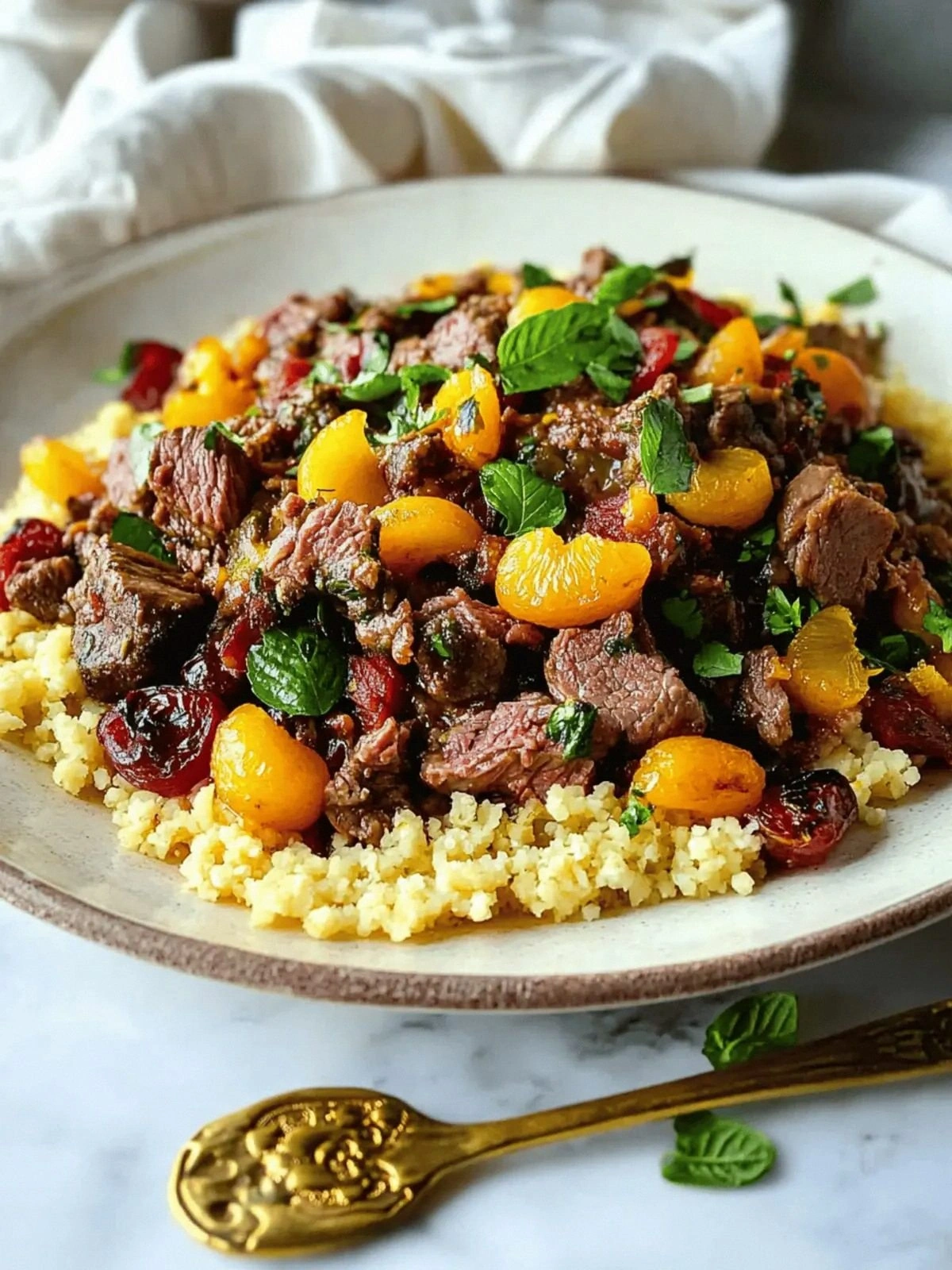
- Visual Appeal: The golden‑brown lamb, ruby‑red apricots, and glossy sauce make the dish look as good as it tastes, turning any dinner into a photo‑op.
- Versatility: Swap lamb for chicken or beef, or make a vegetarian version with chickpeas and mushrooms, and the core flavor profile remains intact.
Alright, let's break down exactly what goes into this masterpiece...
Inside the Ingredient List
The Flavor Base
The foundation of any great tagine starts with the aromatics. The onion, diced finely, releases a sweet undertone when browned, forming the first layer of flavor. Garlic cloves, minced, add a punch that cuts through the richness of the lamb. Olive oil serves as a medium, allowing the spices to bloom and preventing the ingredients from sticking. If you’re watching sodium, use a low‑sodium chicken broth to maintain balance without compromising taste. Skipping any of these will leave the dish feeling flat, so treat them with the reverence they deserve.
The Texture Crew
The lamb shoulder is the star of the show. Choose a cut with a good amount of marbling; it melts into a juicy, tender piece that absorbs the spices. Dried apricots are chosen for their natural sweetness and firm texture, which holds up during the long simmer. Pomegranate arils add a pop of color and a burst of tartness that brightens the sauce. Pistachios or almonds bring a satisfying crunch and nutty flavor that contrasts with the silky sauce. Each component is carefully selected to ensure the dish has a dynamic mouthfeel.
The Unexpected Star
Parsley or cilantro leaves may seem like a simple garnish, but they play a pivotal role in balancing the dish. Their fresh, green aroma cuts through the heavy spices, providing a clean finish. The choice between parsley and cilantro can shift the flavor profile slightly, with cilantro offering a citrusy note and parsley delivering earthiness. Adding them at the end preserves their bright color and ensures they remain a vibrant accent rather than a muted background.
The Final Flourish
The final touch of pistachios or almonds is more than a garnish; it’s a textural climax that elevates the dish. Toasting them lightly before adding them to the tagine caramelizes their natural sugars, giving them a nutty, slightly sweet flavor that pairs beautifully with the lamb. The pomegranate arils, added just before serving, provide a juicy burst that contrasts with the dry apricots. This layering of flavors and textures ensures each bite is a revelation, leaving your guests craving more.
Everything's prepped? Good. Let's get into the real action...
The Method — Step by Step
- Season the lamb. Pat the lamb shoulder dry with paper towels to ensure a good sear. Sprinkle it generously with salt, pepper, cumin, coriander, paprika, cinnamon, ginger, and a pinch of sugar. This blend creates a flavorful crust that locks in juices during searing. Let the meat sit for 10 minutes so the spices can penetrate the fibers.
- Heat the oil. In a large Dutch oven or tagine pot, pour the olive oil over medium‑high heat. When the oil shimmers, add the lamb pieces in a single layer. Sear each side for 3–4 minutes until a deep golden crust forms. This caramelization is key to developing a robust base flavor.
- Introduce aromatics. Transfer the seared lamb to a plate and set aside. In the same pot, reduce heat to medium and add the chopped onion. Cook until translucent and slightly caramelized, about 6 minutes. Add the minced garlic, and stir until fragrant, about 30 seconds.
- Deglaze and simmer. Return the lamb to the pot and pour in the chicken broth. Scrape the bottom of the pot to lift any browned bits; they’re packed with flavor. Bring to a gentle simmer, cover, and let it cook for 45 minutes, turning occasionally to ensure even cooking.
- Layer the sweet. After the lamb is nearly tender, add the dried apricots, pomegranate arils, and a splash of water to keep the sauce from drying out. The apricots soften beautifully, releasing their natural sugars, while the arils keep their bright color and juicy bite. Cook for an additional 10 minutes.
- Finish with crunch. Roughly chop the pistachios or almonds and sprinkle them over the tagine. Stir gently so they’re evenly distributed. This addition provides a delightful contrast to the tender lamb and adds a subtle nutty undertone.
- Garnish. Just before serving, sprinkle the parsley or cilantro leaves over the top. The fresh herbs brighten the dish and add a burst of color that makes the plate look as good as it tastes.
- Serve. Ladle the tagine over a bed of fluffy couscous or steamed rice. The sauce should cling to the grains, creating a savory, sweet, and nutty symphony in every bite. Pair with a crisp white wine or a chilled rosé for the perfect finish.
That's it — you did it. But hold on, I've got a few more tricks that'll take this to another level. The next section will reveal how to elevate the flavor, texture, and presentation with minimal effort.
Insider Tricks for Flawless Results
The Temperature Rule Nobody Follows
Many cooks think a high simmer is best, but a low, steady simmer actually tenderizes the lamb more effectively. Keep the heat low enough that the liquid barely bubbles; this prevents the meat from becoming tough and ensures the spices infuse deeply. I once cooked a tagine at high heat, and the lamb ended up chewy and dry. The next time, I lowered the temperature, and the difference was night and day.
Why Your Nose Knows Best
The aroma of cumin and coriander is a reliable indicator of readiness. When the smell is warm and nutty, the spices are fully activated. If you’re uncertain, sniff the broth; a faint, sweet scent from the apricots signals that they’re ready to soften. Trust your nose, and you’ll avoid overcooking or underseasoning.
The 5-Minute Rest That Changes Everything
After simmering, let the tagine rest off the heat for five minutes before serving. This brief pause allows the flavors to settle, giving the sauce a richer, more cohesive taste. It also lets the lamb fibers relax, resulting in a more tender bite. I’ve seen people skip this step and end up with a dish that feels rushed.
Pistachio Perfection
Toast pistachios or almonds in a dry skillet until golden and fragrant. This simple step brings out their natural oils and deepens the nutty flavor. Add them at the last minute to preserve their crunch. A friend once added them too early, and they turned soggy, ruining the contrast.
The Final Garnish Touch
A sprinkle of toasted sesame seeds or a drizzle of honey can add a subtle layer of complexity. These additions are optional but elevate the dish from great to unforgettable. Experiment with different seeds or a splash of citrus zest to personalize the flavor.
Creative Twists and Variations
Mediterranean Mushroom Tagine
Swap the lamb for a medley of cremini and shiitake mushrooms. The earthy flavor pairs beautifully with the spices, creating a hearty vegetarian version. Add a splash of red wine to deepen the broth and a pinch of smoked paprika for a subtle twist.
Spicy Coconut Chicken Tagine
Replace lamb with shredded chicken breast and stir in a can of coconut milk for a creamy, tropical vibe. Increase the cayenne pepper to give the dish a fiery kick. Finish with fresh lime zest for a bright, citrusy finish.
Beef & Berry Tagine
Use a lean beef chuck cut into cubes and add dried blackberries instead of apricots. The berries add a deep, tart sweetness that contrasts the savory meat. Finish with a drizzle of balsamic glaze for an extra layer of richness.
Quinoa & Chickpea Tagine
For a plant‑based option, combine quinoa, chickpeas, and diced carrots. The quinoa adds protein and a nutty flavor, while the chickpeas provide a hearty texture. Keep the spice mix the same for authenticity.
Pesto Lamb Tagine
Stir in a spoonful of basil pesto at the end for an herbal, green twist. The pesto complements the warm spices and adds a fresh, vibrant layer. Serve over polenta for a creamy base.
Roasted Sweet Potato Tagine
Cube roasted sweet potatoes and fold them into the tagine. The natural sweetness of the potatoes echoes the apricots, while the roasting adds depth. This version is perfect for a cozy, comforting meal.
Serving Suggestions
Serve the tagine over a bed of fluffy couscous that soaks up the luscious sauce. The grains absorb the spices, creating a harmonious flavor profile that complements the lamb. If couscous isn’t your thing, try steaming jasmine rice or a simple bed of quinoa for a healthier twist.
A side of lightly sautéed greens, such as spinach or kale, adds a fresh, slightly bitter contrast that balances the sweetness. Drizzle the greens with a splash of lemon juice for a bright finish. This combination turns a single dish into a well‑rounded meal.
For a festive touch, sprinkle extra pistachios or almonds on top just before serving. The crunch adds a delightful texture, and the nutty aroma enhances the overall sensory experience. Guests will appreciate the attention to detail and the care that goes into each bite.
Pair the dish with a crisp white wine, like a Sauvignon Blanc, or a chilled rosé for a light, refreshing contrast. The acidity of the wine cuts through the richness of the lamb and complements the sweet notes of apricots and pomegranate. If you’re a wine enthusiast, experiment with a dry red, such as a Grenache, for a deeper, more robust pairing.
Storing and Bringing It Back to Life
Fridge Storage
Cool the tagine completely before refrigerating. Store in an airtight container for up to 3 days. The sauce will thicken slightly; add a splash of broth or water when reheating to restore its silky texture. The lamb remains tender, and the spices retain their aroma.
Freezer Friendly
For longer storage, divide the tagine into individual portions and freeze for up to 2 months. Thaw overnight in the refrigerator before reheating. The flavors meld even better when frozen, making it a convenient make‑ahead option.
Best Reheating Method
Reheat on the stovetop over low heat, stirring occasionally. Add a small splash of water or broth to keep the sauce from drying out. The key is to warm slowly to preserve the tenderness of the lamb and the integrity of the spices.