Picture this: the kitchen clock ticks toward 7 p.m., the fridge door slams shut, and you’re staring at a pile of salmon fillets that look like they’ve been waiting for a holiday. I was in a frantic rush to impress my roommates, and the last thing I wanted was a bland, over‑cooked dinner that tasted like a forgotten casserole. I reached for a handful of fresh herbs, squeezed a lemon, and decided to turn a simple pan into a flavor laboratory. The result? A dish that feels like a gourmet secret, but you can make it in under thirty minutes on a Tuesday night.
The first thing that hits you is the bright, citrusy aroma that rises as the lemon juice mingles with olive oil and garlic. The pan sizzles like a tiny, savory orchestra, and the salmon’s skin begins to crackle, offering a satisfying crunch that sings against the tender flesh. The baby spinach or kale blanches in the steam, turning a deep green into a buttery, almost buttery shade that’s impossible to ignore. The shallot releases a sweet, caramelized note that lingers, while the herbs provide a fresh, almost herbal perfume that makes every breath feel like a sigh of relief. The final touch— a pinch of red pepper flakes— adds a subtle heat that dances on the tongue without overwhelming the delicate fish.
I dare you to taste this and not go back for seconds. This is hands down the best version you'll ever make at home, because it balances simplicity with a depth of flavor that usually requires a fancy kitchen. I’ve tried countless salmon recipes, and most of them either fall flat or end up over‑seasoned. This one, however, achieves the sweet spot between bright citrus, savory garlic, and the gentle bite of herbs. It’s the kind of dish that makes you feel like a culinary wizard, even if you’re only halfway through your first week of cooking.
If you've ever struggled with salmon that turns out dry or bland, you're not alone—and I've got the fix. Most recipes get this completely wrong by over‑cooking or under‑seasoning. The trick here is to let the pan do its job: sear the skin, lock in moisture, and let the lemon and herbs create a sauce that coats the fish like velvet. The result is a flaky, buttery texture that melts in your mouth, paired with a bright, zesty finish that lingers long after the last bite.
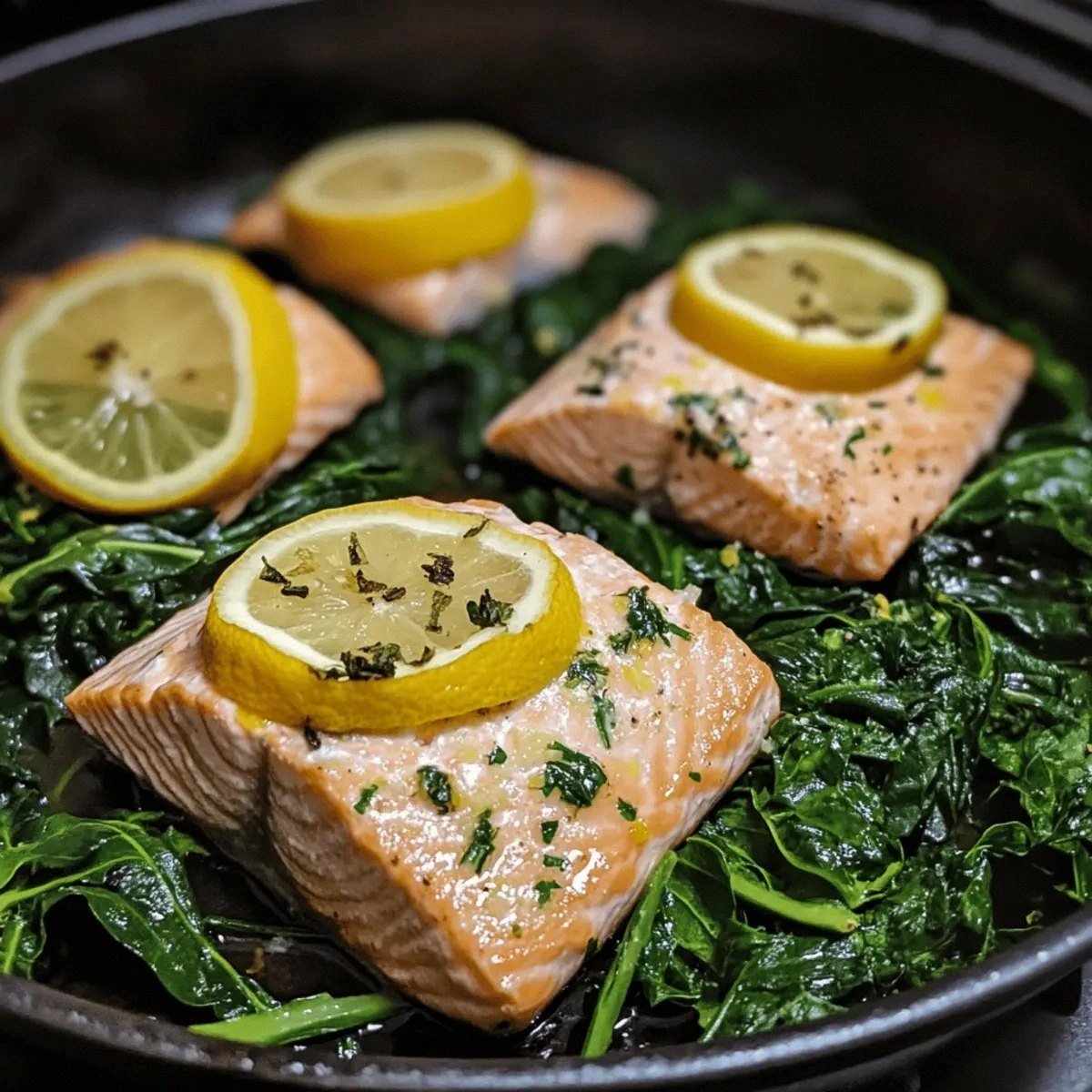
Picture yourself pulling this out of the oven, the whole kitchen smelling incredible, and your guests asking for the recipe. The moment the salmon sizzles, the aroma is so intoxicating that even the cat stops by the window. The colors are a feast in themselves: the golden skin, the emerald greens, the bright yellow of the lemon zest. It’s a dish that looks as good as it tastes, and that’s half the battle in any dinner party. Stay with me here— this is worth it.
Let me walk you through every single step — by the end, you'll wonder how you ever made it any other way. The method is simple, the ingredients are fresh, and the flavors are layered in a way that feels like a well‑crafted symphony. I’ll share the exact timing, the temperature, the little tricks that make it foolproof, and even a few variations that will keep the dish exciting week after week. Grab your apron, and let’s dive into the ultimate one‑pan lemon herb salmon.
What Makes This Version Stand Out
- Flavor Balance: The bright citrus of lemon juice cuts through the richness of salmon, creating a harmony that feels both light and indulgent. The fresh herbs add an aromatic depth that elevates the dish beyond basic seasoning.
- Texture Contrast: The pan’s high heat crisps the skin to a golden perfection while keeping the flesh tender and moist. The quick sauté of spinach or kale provides a satisfying bite that complements the fish.
- Speed & Simplicity: All the action happens in a single pan, which means less cleanup and a faster turnaround—ideal for weeknight dinners.
- Visual Appeal: The vibrant green vegetables and the golden skin create a plate that looks restaurant‑grade, making it perfect for impressing guests.
- Ingredient Quality: Using fresh, high‑quality salmon fillets and fresh herbs ensures the dish’s flavor peaks right from the start.
- Make‑Ahead Friendly: The components can be prepped ahead of time, and the salmon can be reheated without losing its texture.
- Versatility: Swap spinach for kale, or add a splash of white wine to the pan for a different flavor profile.
- Health Conscious: Low in saturated fat, high in omega‑3, and packed with greens—this dish is a win for both taste and nutrition.
Alright, let's break down exactly what goes into this masterpiece…
Inside the Ingredient List
The Flavor Base
Lemon Juice: The acid in lemon juice brightens every bite and counters the fish’s natural oiliness. It also helps to tenderize the salmon, keeping it moist. If you’re out of fresh lemons, a splash of white wine or a tablespoon of vinegar can substitute, though the citrus note will be slightly muted.
Olive Oil: A high‑quality extra‑virgin olive oil not only adds flavor but also raises the smoke point, allowing the pan to sear the skin without burning. It creates a protective barrier that locks in juices. If you prefer a lighter taste, you can use avocado oil, but the smoky undertone of olive oil is essential.
The Texture Crew
Salmon Fillets: Fresh, skin‑on fillets give the best flavor and texture. Look for firm flesh that smells like the sea, not like fishy rot. Thicker fillets (about 1‑inch) hold up better during the pan sear.
Garlic: Minced garlic infuses the oil with a sweet, aromatic punch that lingers after the fish is cooked. It also creates a subtle depth that balances the lemon’s acidity. If you’re allergic, replace with garlic powder but use half the amount.
The Unexpected Star
Fresh Herbs: A mix of parsley, dill, and thyme adds a herby freshness that lifts the dish. They release their oils during cooking, creating a fragrant glaze. If you’re out of fresh herbs, dried herbs can work, but use one third the amount.
Baby Spinach or Kale: These greens provide a nutritious base and a pop of color. Spinach wilts quickly and offers a mild flavor, while kale adds a slightly bitter edge that complements the lemon. If you’re in a hurry, baby spinach is preferable; kale needs a few extra minutes to soften.
The Final Flourish
Shallot or Red Onion: Adds a sweet, caramelized note that balances the acidity. Thinly sliced, it cooks quickly and adds a subtle crunch if you leave the skin on. If you prefer a milder flavor, use white onion instead.
Salt, Pepper, and Red Pepper Flakes: These seasonings finish the dish, allowing you to adjust the heat to your preference. Salt enhances the fish’s natural sweetness, pepper adds a gentle kick, and a pinch of red pepper flakes gives a subtle heat that lingers. Remember, you can’t over‑season, but you can always add more.
Everything's prepped? Good. Let's get into the real action…
The Method — Step by Step
- Start by patting the salmon fillets dry with paper towels. This step is crucial because moisture prevents the skin from crisping. Season both sides generously with salt and pepper. Set the fillets aside while you warm the pan.
- Heat a large skillet over medium‑high heat until shimmering. Add the olive oil, swirling to coat the surface. The oil should be hot enough that a drop of water sizzles instantly. This ensures the skin starts to crisp right away.
- Place the salmon fillets skin‑side down in the pan. Let them cook untouched for about 4–5 minutes. The skin should turn a deep amber and release easily from the pan. Flip only when the edges start to pull away.
- Add the minced garlic to the pan, swirling so it coats the bottom. Garlic releases its aroma within 30 seconds, so keep an eye on it to avoid burning. The scent should be sweet and nutty, not sharp.
- Squeeze the lemon juice over the fillets, letting the citrus drizzle across the skin. The acid will help to cook the top of the salmon gently, while the oil keeps it from drying out. The lemon should hiss slightly, indicating the heat is just right.
- Add the sliced shallot (or onion) to the pan, letting it mingle with the garlic and lemon. The shallot will caramelize in a few minutes, adding a sweet, savory layer. Stir occasionally to keep the flavors from sticking.
- Reduce the heat to medium, then spoon some of the pan juices over the fillets. This bastes the salmon, infusing it with the lemon‑herb mixture. Cook for another 3–4 minutes, or until the fish flakes easily with a fork.
- During the last minute, add the baby spinach (or kale) to the pan. The greens will wilt almost instantly, absorbing the flavors of the pan. This step is the secret to turning a simple dish into a complete meal.
- Sprinkle the fresh herbs and a pinch of red pepper flakes over the top. Let them wilt, releasing their aromatic oils. Remove the pan from heat and let the salmon rest for 2 minutes before serving.
That's it — you did it. But hold on, I've got a few more tricks that'll take this to another level…
Insider Tricks for Flawless Results
The Temperature Rule Nobody Follows
Most people cook salmon at a high heat, which can cause the outside to burn before the inside is done. I always pre‑heat the pan to medium‑high, then reduce to medium once the fillets are in. This subtle shift keeps the heat from searing the flesh too quickly and ensures a buttery interior. If you’re using a cast iron skillet, let it heat for a full minute before adding the oil.
Why Your Nose Knows Best
The aroma of garlic and lemon is a natural indicator of doneness. When the garlic turns golden and the lemon sizzles, the salmon is almost ready. Trust your nose; if you smell a burnt scent, lower the heat immediately. This sensory checkpoint saves you from over‑cooking.
The 5‑Minute Rest That Changes Everything
Letting the salmon rest for 2–3 minutes after cooking allows the juices to redistribute. This step might seem trivial, but it makes the fish noticeably juicier. The resting period also lets the flavors meld, giving that “wow” moment when you first bite into the salmon.
Use a Skillet With a Lid
Covering the skillet during the last minute of cooking traps steam, which helps the spinach wilt faster and the salmon stay moist. If you don’t have a lid, use a sheet of foil to cover the pan. The steam also enhances the aromatic release of the herbs.
Add a Splash of White Wine
A tablespoon of white wine added with the lemon juice creates a subtle depth and balances the acidity. The wine evaporates quickly, leaving behind a silky sauce that coats the salmon. If you’re avoiding alcohol, use a splash of vegetable broth instead.
Creative Twists and Variations
This recipe is a playground. Here are some of my favorite ways to switch things up:
Mediterranean Spin
Swap baby spinach for sun‑dried tomatoes and olives. Add a pinch of oregano and finish with a drizzle of balsamic glaze. This variation brings a sweet, tangy Mediterranean vibe that pairs wonderfully with a glass of rosé.
Asian Flair
Replace the lemon with lime and add a tablespoon of soy sauce. Toss in a handful of sliced bok choy and sprinkle sesame seeds on top. The result is a bright, umami‑rich dish that feels like a sushi roll on a plate.
Smoky Chipotle Kick
Introduce a tablespoon of chipotle in adobo sauce to the pan. Keep the red pepper flakes, but add a dash of smoked paprika for depth. This gives the salmon a smoky, slightly sweet heat that’s perfect for summer barbecues.
Herb‑Crusted Delight
Coat the fillets in a mixture of chopped parsley, thyme, and a pinch of panko breadcrumbs before cooking. The crust adds a crunchy texture that contrasts with the tender fish. Serve with a dollop of lemon‑yogurt sauce.
Vegan Spin
Use a firm tofu block seasoned with the same lemon‑herb mixture. Pan‑sear until golden and serve over the same greens. This plant‑based version keeps the bright flavors while being completely dairy‑free.
Storing and Bringing It Back to Life
Fridge Storage
Store leftovers in an airtight container for up to 2 days. Keep the greens separate from the salmon to avoid sogginess. When you’re ready to eat, reheat gently in a skillet over low heat, adding a splash of water to steam the greens back to life.
Freezer Friendly
Pack the salmon fillets in a freezer‑safe bag, removing as much air as possible. Freeze for up to 3 months. Thaw overnight in the refrigerator, then reheat in the oven at 350 °F for 10 minutes, or until heated through.
Best Reheating Method
The key to reheating is to keep the salmon moist. Add a teaspoon of water or broth to the pan, cover, and heat over low until warmed. Avoid microwaving, as it can dry out the fish and wilt the greens.