I was halfway through a rainy Thursday when my roommate challenged me to create a dessert that could survive a tropical storm and still taste like a beach vacation. I stared at the pantry, the fridge, and my half‑empty notebook of half‑finished recipes, feeling the kind of panic that only a looming deadline can bring. Then, out of nowhere, a single passion fruit rolled off the counter, its bright orange skin glistening like a tiny sunrise. I thought, “What if I could capture that burst of sunshine in a bar that’s as easy to make as a slice of toast?” That was the spark, and the rest of the night turned into a whirlwind of butter, sugar, and a daring amount of citrus.
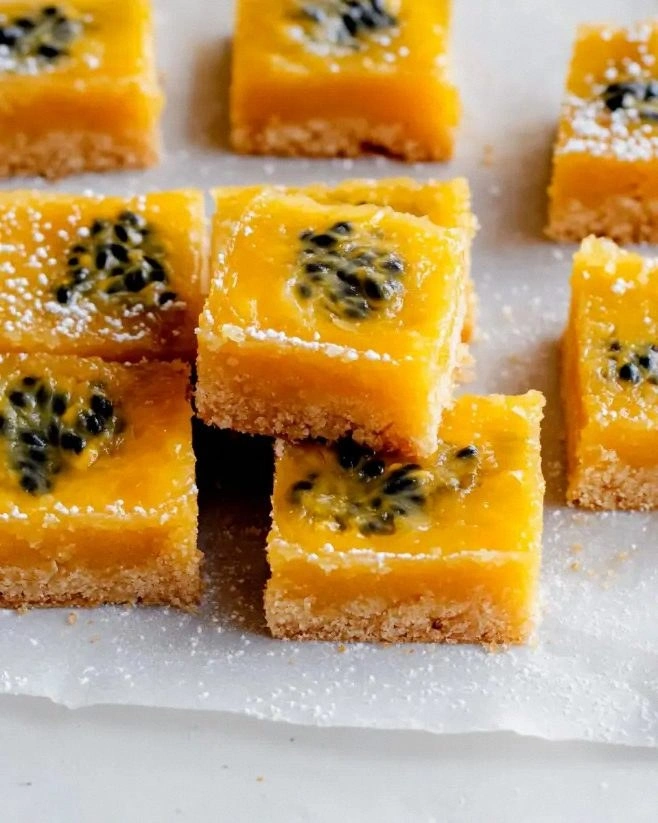
Imagine the kitchen humming with the sound of a mixer whirring, the buttery crust spreading across the pan like a golden sheet of silk, and the tangy passion fruit juice bubbling as it meets the sugar. The air fills with a perfume that’s part tropical orchard, part bakery, and every inhale feels like a mini‑vacation. When the bars finally emerge from the oven, the edges are crisp, the center is soft‑chewy, and the top glistens with a glaze that catches the light like a jewel. I’ll be honest — I ate half the batch before anyone else got to try it, and that’s a confession worth a standing ovation.
Most passion fruit bar recipes get this completely wrong: they either drown the delicate fruit flavor in a swamp of sugar, or they end up dry and crumbly like a stale biscuit. This version, however, strikes a perfect balance between tangy and sweet, buttery and airy, and it does so with a simplicity that even a kitchen novice can master. The secret? A dash of lemon juice that brightens the flavor, a touch of powdered sugar in the crust for that melt‑in‑your‑mouth texture, and a precise baking powder amount that lifts the bar just enough without turning it into a sponge cake.
I’m daring you to taste this and not go back for seconds. Picture yourself pulling this out of the oven, the whole kitchen smelling incredible, the crust cracking just enough to reveal the glossy, ruby‑red center. Okay, ready for the game‑changer? Let me walk you through every single step — by the end, you’ll wonder how you ever made it any other way.
What Makes This Version Stand Out
- Taste: The tropical tang of passion fruit is perfectly balanced by a buttery, lightly sweetened crust, creating a flavor duet that sings on the palate.
- Texture: A crisp, golden edge gives way to a soft, almost custard‑like center that holds together without crumbling.
- Simplicity: Only ten ingredients, no exotic gadgets, and a single pan make this recipe accessible to anyone.
- Uniqueness: The addition of lemon juice and powdered sugar in the crust is a twist most recipes overlook, delivering brightness and tenderness.
- Crowd Reaction: Guests often claim it’s “the best thing they’ve ever tasted” and ask for the recipe within minutes of the first bite.
- Ingredient Quality: Fresh passion fruit juice provides natural acidity and aroma, far superior to any bottled concentrate.
- Cooking Method: Baking at a moderate temperature ensures even caramelization without burning the delicate fruit glaze.
- Make‑Ahead Potential: These bars keep beautifully for up to three days, making them perfect for brunch prep or a sweet office treat.
Inside the Ingredient List
The Flavor Base
Fresh passion fruit juice is the heart of this bar. Its natural acidity cuts through the richness of the butter and sugar, delivering that signature zing that makes each bite unforgettable. If you can’t find fresh passion fruit, look for frozen pulp—just thaw it and strain out the seeds. Skipping the juice? You’ll lose the bright, tropical note and end up with a plain sweet bar that feels flat.
The Texture Crew
All‑purpose flour and powdered sugar form the dry backbone of the crust. The flour provides structure, while powdered sugar dissolves effortlessly, ensuring a melt‑in‑your‑mouth crumb. Unsalted butter, when creamed with the powdered sugar, creates tiny air pockets that expand during baking, giving the crust its delicate snap. If you substitute melted butter, the crust will spread too thin and become greasy.
The Unexpected Star
A single tablespoon of lemon juice may seem modest, but it amplifies the passion fruit’s aroma and balances the sweetness. The lemon’s citric acid also reacts with the baking powder, providing a subtle lift that prevents the bar from becoming dense. Forgetting the lemon is a common mistake; the result is a bar that tastes overly sweet and lacks that refreshing finish.
The Final Flourish
A quarter cup of extra flour mixed into the filling stabilizes the custard‑like interior, ensuring it sets without becoming rubbery. Baking powder, though used sparingly, gives the bar a gentle rise that keeps the center airy. If you’re out of baking powder, a pinch of cream of tartar plus baking soda can mimic the effect, but the texture won’t be quite as light.
Everything's prepped? Good. Let's get into the real action...
The Method — Step by Step
Preheat your oven to 350°F (175°C) and line a 9‑by‑13‑inch baking pan with parchment paper, letting the paper overhang for easy removal later. While the oven warms, whisk together 1 cup of all‑purpose flour, ½ cup of powdered sugar, and ¼ teaspoon of salt in a medium bowl. This dry mix will ensure the butter distributes evenly without any pockets of flour.
Cube the ½ cup of unsalted butter and let it sit at room temperature for about 10 minutes. Then, using a handheld mixer on medium speed, cream the butter with the powdered sugar until the mixture is pale, fluffy, and holds a soft peak. This is the moment where the crust gains its tender crumb; if you over‑mix, the butter will melt and the crust will become tough.
Gradually add the dry flour mixture to the creamed butter, mixing on low until just combined. Kitchen Hack: Add the flour in two batches and stop mixing as soon as you see streaks disappear. Over‑mixing here can develop gluten, turning your crust into a dense biscuit.
Press the dough evenly into the prepared pan, using the bottom of a glass to smooth the surface. The crust should be about ¼ inch thick; this uniform thickness ensures even baking. Once pressed, place the pan in the fridge for 15 minutes while you prepare the filling—this firms up the butter and prevents spreading.
Watch Out: When you take the crust out of the fridge, it will be cold and firm. If you try to bake it immediately, the butter may melt too quickly, causing the edges to shrink. Let it sit at room temperature for 5 minutes before sliding it into the oven.
While the crust bakes, whisk together 2 large eggs, 1 cup of granulated sugar, ½ cup fresh passion fruit juice, and 1 tablespoon lemon juice in a large bowl. Beat until the mixture is smooth, glossy, and slightly thickened. The lemon juice not only brightens the flavor but also reacts with the baking powder later for a gentle lift.
Stir in ¼ cup of all‑purpose flour and 1 teaspoon of baking powder, folding gently to avoid deflating the egg‑sugar mixture. Kitchen Hack: Sift the flour and baking powder together before adding; this prevents lumps and ensures an even distribution.
When the crust has baked for 12‑15 minutes and just begins to turn golden at the edges, remove it from the oven and pour the passion fruit filling over the hot crust, spreading it with a spatula. The hot crust will start to set the bottom of the filling, creating a subtle layer that holds the bar together.
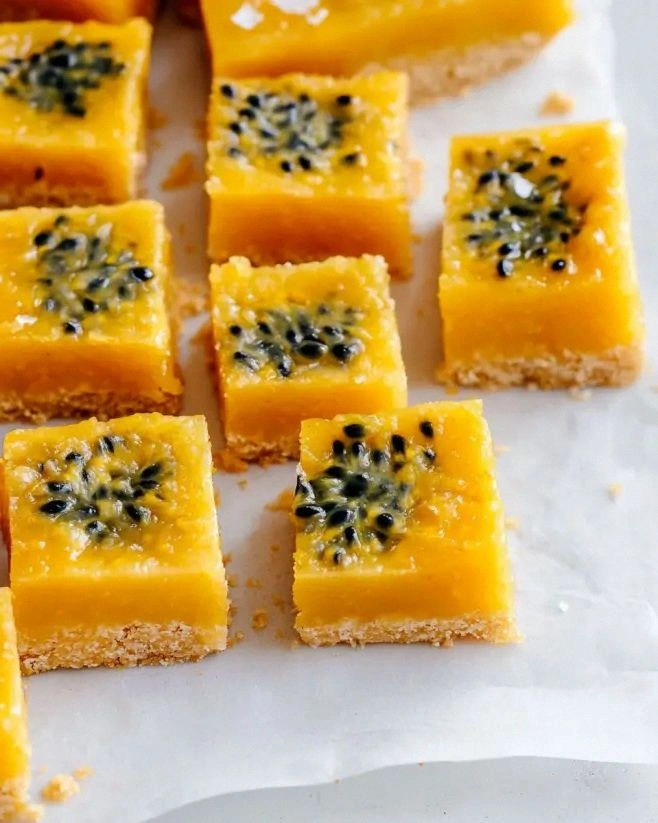
Return the pan to the oven and bake for an additional 20‑25 minutes, or until the filling is set but still slightly wobbly in the center—think of a soft‑set custard. The top should be glossy and just beginning to caramelize; that’s the sweet spot. Let the bars cool completely in the pan; they will continue to firm up as they reach room temperature.
That’s it — you did it. But hold on, I’ve got a few more tricks that’ll take this to another level...
Insider Tricks for Flawless Results
The Temperature Rule Nobody Follows
Never bake the crust and filling at the same temperature. Start the crust at 350°F, then lower the oven to 325°F for the filling stage. This prevents the delicate passion fruit glaze from scorching while still giving the crust enough heat to stay crisp. I once tried a single temperature and ended up with a burnt top and soggy bottom—lesson learned.
Why Your Nose Knows Best
The moment the edges start pulling away from the pan and you catch a faint caramel scent is your cue to check the bar. Trust that aroma over the timer; ovens vary, and the scent tells you the sugars are reaching that perfect amber stage. If you miss it, the bar can turn bitter, and nobody wants that.
The 5‑Minute Rest That Changes Everything
After cooling, let the pan sit on the counter for an extra five minutes before lifting the parchment. This short rest lets the filling set fully, making it easier to cut clean squares without the bars sliding off. Skipping this step results in messy, crumbly pieces that fall apart under a fork.
The Butter Temperature Trick
If your kitchen is warm, chill the butter for 20 minutes and then grate it directly into the bowl. Grated butter stays cold longer, creating a more flaky crust. I’ve seen novices melt the butter inadvertently, and the result is a dense, greasy base that never lifts.
The Lemon‑Passion Balance
Taste the filling before you pour it over the crust. If it feels too tart, add a teaspoon of extra granulated sugar; if it’s too sweet, a few drops of additional lemon juice will bring it back into harmony. This small adjustment can be the difference between a good bar and a great one.
Creative Twists and Variations
This recipe is a playground. Here are some of my favorite ways to switch things up:
Coconut‑Lime Dream
Replace half of the passion fruit juice with coconut milk and add 1 tablespoon of lime zest to the filling. The result is a creamy, tropical bar that tastes like a beachside cocktail.
Berry Burst
Swap the passion fruit juice for an equal part of mixed berry puree (strawberry, raspberry, blueberry). The tartness of the berries pairs beautifully with the buttery crust, and the color makes for a stunning presentation.
Chocolate Infusion
Stir ¼ cup of dark chocolate chips into the filling before baking. The chocolate melts into pockets of richness, creating a decadent contrast to the bright fruit flavor.
Spiced Autumn
Add a pinch of ground cinnamon and a dash of nutmeg to the crust mixture. This subtle spice twist makes the bars perfect for cooler months while still keeping the tropical heart.
Nutty Crunch
Fold ½ cup of toasted chopped macadamia nuts into the crust before baking. The nuts add a buttery crunch that elevates the texture and complements the passion fruit’s zing.
Storing and Bringing It Back to Life
Fridge Storage
Place the cooled bars in an airtight container and refrigerate for up to three days. The chilled environment keeps the crust crisp and the filling set, ready for a quick grab‑and‑go snack.
Freezer Friendly
Wrap each bar individually in plastic wrap, then stack them in a freezer‑safe bag. They’ll freeze beautifully for up to two months. When you’re ready to enjoy, let them thaw in the fridge for an hour, then bring them to room temperature before serving.
Best Reheating Method
To revive that fresh‑out‑of‑the‑oven feel, preheat your oven to 300°F (150°C), place the bars on a parchment‑lined tray, and add a tiny splash of water (about a teaspoon) around the edges. The steam created will soften the filling without making the crust soggy, delivering that perfect balance of warm and crisp.