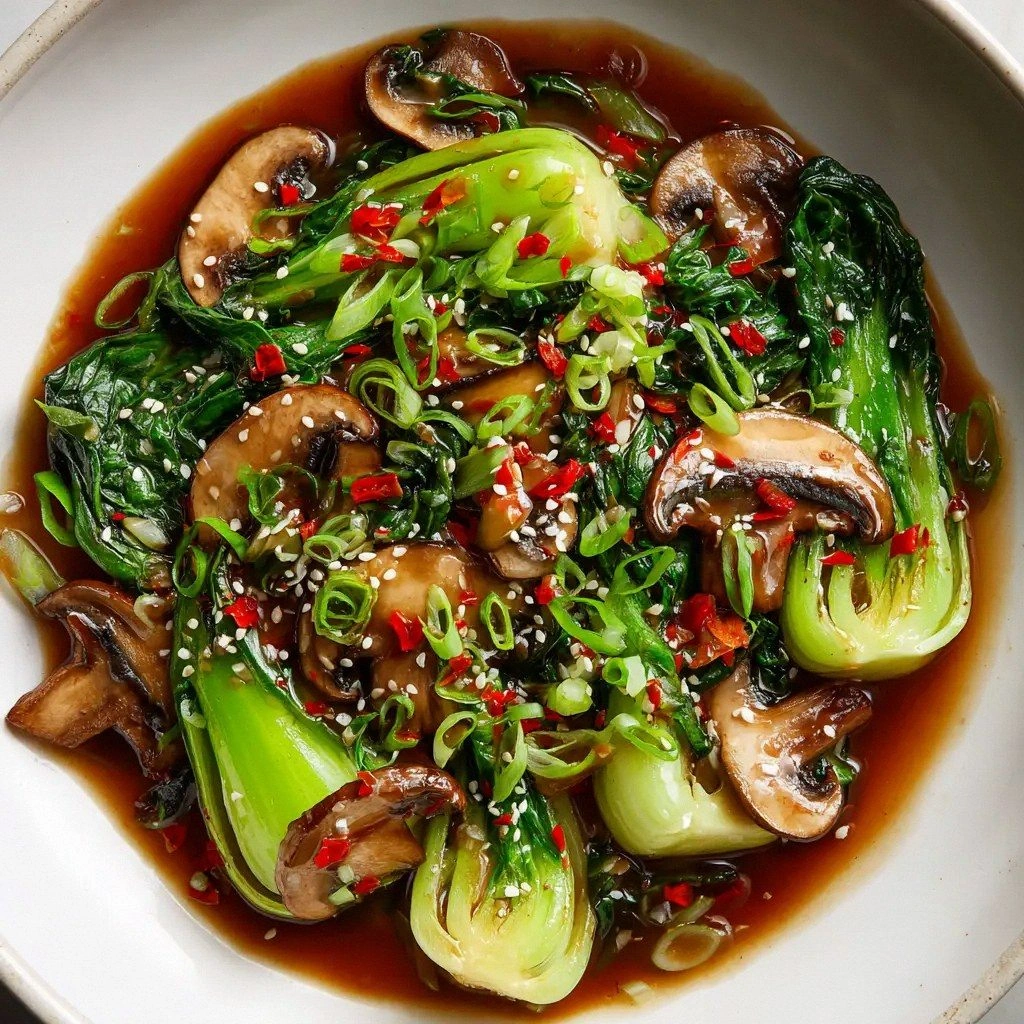
I was standing in my kitchen, staring at a wilted head of cauliflower that had survived a week in the crisper drawer, when a friend dared me to turn that sad veggie into something that would make even the most skeptical meat‑lover beg for seconds. I tossed the cauliflower into the trash, swore off the whole idea, and then, half an hour later, I was back at the counter, armed with a sheet pan, a bottle of gochujang, and a fierce determination to prove that roasted cauliflower could be the star of a fresh, hand‑held marvel. That night, the entire apartment smelled like a Korean street market meets a summer garden, and I realized I had just stumbled upon the ultimate lettuce wrap.
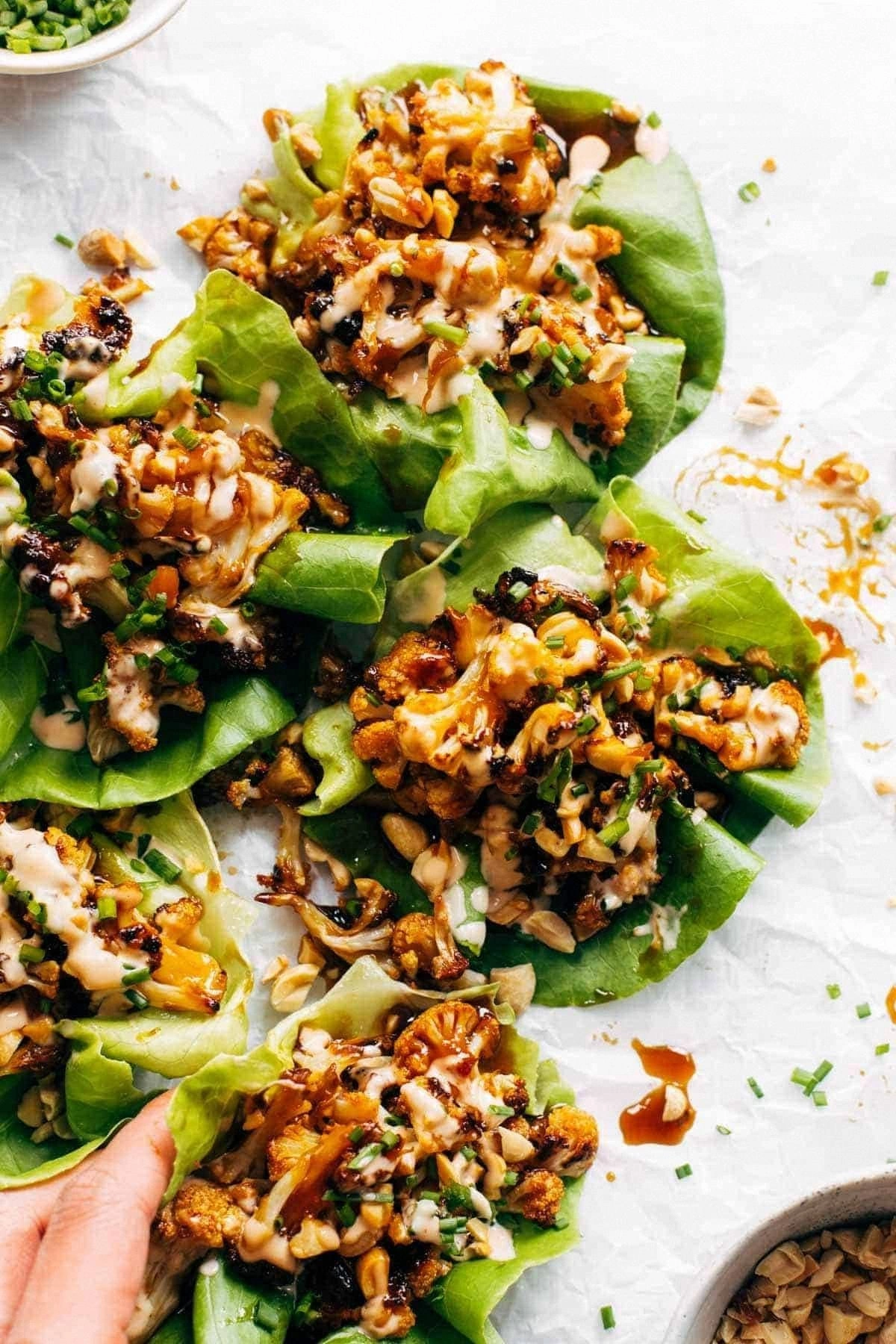
Picture this: the cauliflower florets, their edges caramelized to a deep, amber‑gold, each bite delivering a sweet‑heat that lingers like a warm hug. The lettuce leaves, crisp and buttery, cradle the roasted gems like tiny green boats, while a glossy sauce—rich with soy, honey, and a whisper of sesame—glazes the whole thing in a sheen that looks almost too good to eat. When you bite, there’s a satisfying crunch that shatters like thin ice, followed by a burst of umami that makes your taste buds do a little happy dance. I dare you to taste this and not go back for seconds; it’s practically a culinary dare‑devil move.
Most recipes get this completely wrong. They either drown the cauliflower in a soggy sauce, or they leave it bland and under‑seasoned, missing the magic that happens when you balance sweet, salty, and spicy in perfect harmony. My version flips the script: I roast the cauliflower first, letting the natural sugars caramelize, then I finish it with a Korean‑BBQ‑inspired glaze that coats the veggies like velvet. The secret ingredient? A splash of rice vinegar that adds a bright acidity, cutting through the richness and keeping the whole thing from feeling heavy. This is hands down the best version you'll ever make at home.
Okay, ready for the game‑changer? I’m about to walk you through every single step—by the end, you’ll wonder how you ever made a lettuce wrap any other way. From selecting the perfect cauliflower head to mastering the glaze that sticks to every floret, I’ve got you covered. Stay with me here — this is worth it.
What Makes This Version Stand Out
- Flavor Fusion: The Korean‑inspired sauce blends gochujang’s heat with honey’s sweetness, creating a balanced profile that sings on the palate.
- Texture Triumph: Roasting gives the cauliflower a crispy edge that shatters like thin ice, while the lettuce stays crisp and refreshing.
- Simplicity: Only ten core ingredients, most of which you probably already have, mean you can pull this together on a weeknight.
- Unique Twist: A splash of rice vinegar adds a bright acidity that most lettuce‑wrap recipes forget, keeping each bite lively.
- Crowd Reaction: Guests typically ask for the recipe before the first bite is even finished—proof that it’s a show‑stopper.
- Ingredient Quality: Using fresh, organic cauliflower and high‑quality gochujang elevates the dish from ordinary to extraordinary.
- Cooking Method: High‑heat roasting caramelizes natural sugars, delivering depth that a quick stir‑fry can’t match.
- Make‑Ahead Potential: The roasted cauliflower keeps well, and the sauce can be pre‑made, making assembly a breeze.
Inside the Ingredient List
The Flavor Base
Soy sauce is the backbone of the glaze, providing that deep, salty umami that anchors the sweeter notes. If you skip it, the sauce will feel flat and lack that savory depth. For a gluten‑free twist, swap with tamari—just keep an eye on the salt level, as tamari can be a tad saltier.
Gochujang, the Korean fermented chili paste, brings the heat and a subtle fermented tang that you can’t replicate with plain chili powder. Its complex flavor profile is what makes the sauce feel layered rather than one‑note spicy. Look for a brand that lists real fermented ingredients; the cheaper versions can taste overly sweet.
Honey (or maple syrup) adds a glossy sweetness that balances the heat and salt, creating a sauce that clings to each cauliflower floret like a satin sheet. If you’re avoiding honey, agave nectar works just as well, though it’s a bit thinner, so you might need a touch more to achieve the same glaze consistency.
The Texture Crew
Olive oil is the vehicle for roasting, helping the cauliflower develop that coveted caramelized crust. A drizzle of sesame oil added at the end gives a nutty finish that makes the dish feel richer without being greasy. If you’re watching calories, you can halve the olive oil and still get a decent roast, but the texture won’t be quite as crisp.
Toasted sesame seeds provide a subtle crunch and a toasty aroma that pops up right at the end of each bite. Skipping them is a missed opportunity for that extra layer of texture. If you have a nut allergy, try pumpkin seeds for a similar crunch without the sesame flavor.
Freshly grated ginger adds a zing that cuts through the richness of the sauce, keeping the palate refreshed. It also pairs beautifully with the garlic, creating a classic aromatic duo. If you’re not a fan of ginger’s bite, a pinch of ground coriander can give a milder, citrusy note.
The Unexpected Star
Rice vinegar might seem like a humble addition, but its bright acidity lifts the entire glaze, preventing it from feeling cloyingly sweet. A splash of vinegar also helps the sauce adhere better to the roasted cauliflower, giving each bite a glossy sheen. If you can’t find rice vinegar, apple cider vinegar works in a pinch, though it adds a slightly fruitier note.
Green onions bring a fresh, oniony bite that contrasts the deep, roasted flavors. Their subtle sharpness is what makes each bite feel balanced rather than heavy. For a milder version, you can use chives, which add a delicate onion flavor without the bite.
The Final Flourish
Butter lettuce (or crisp romaine) forms the perfect vessel—its soft, buttery leaves wrap around the cauliflower without tearing, while still providing a satisfying crunch. If you can’t find butter lettuce, use Napa cabbage leaves for a sturdier wrap that still delivers a fresh bite.
A pinch of chili flakes adds a whisper of extra heat for those who crave a little more fire. It’s optional, but it can turn a good dish into a great one for spice lovers. Remember, gochujang already brings heat, so taste before adding more.
Everything's prepped? Good. Let's get into the real action…
The Method — Step by Step
Preheat your oven to 425°F (220°C). While the oven warms, line a large rimmed baking sheet with parchment paper; this prevents sticking and makes cleanup a breeze. Toss the cauliflower florets with olive oil, a pinch of salt, and a dash of pepper, ensuring every piece is lightly coated. Spread the florets in a single layer, giving them room to breathe—crowding will steam them instead of roasting.
Place the sheet in the oven and let the cauliflower roast for 20‑25 minutes, turning halfway through. You’ll know they’re ready when the edges turn a deep caramel color and start pulling away from the pan, emitting a nutty, toasted aroma that makes your kitchen feel like a bakery.
While the cauliflower roasts, prepare the glaze. In a small saucepan over medium heat, combine soy sauce, gochujang, honey, minced garlic, grated ginger, rice vinegar, and sesame oil. Stir constantly; you’ll hear a gentle sizzle as the mixture begins to thicken.
Watch out: If the heat is too high, the honey can scorch, leaving a bitter aftertaste. Keep the temperature moderate and let the sauce reduce by about a third, until it coats the back of a spoon and has a glossy sheen.
When the cauliflower is beautifully browned, pull the sheet from the oven and drizzle the hot glaze over the florets. Toss gently with a spatula, making sure each piece is enveloped in the sticky, umami‑laden sauce.
Return the sheet to the oven for an additional 5‑7 minutes. This second blast of heat caramelizes the glaze, creating those coveted crackly edges that shatter like thin ice when you bite into them.
While the final minutes of roasting finish, prepare your lettuce leaves. Rinse them gently under cold water, pat dry with a clean towel, and set aside on a large serving platter. If the leaves are large, you can slice them in half for easier handling.
Sprinkle toasted sesame seeds and sliced green onions over the roasted cauliflower; the seeds add a delicate crunch, and the onions provide a fresh, pungent lift that balances the deep flavors.
Now comes the assembly, the part where you become a culinary architect. Take a lettuce leaf, spoon a generous mound of the glazed cauliflower into the center, and if you like, add a drizzle of extra glaze on top for added shine.
Fold the sides of the leaf over the filling and roll it up like a miniature burrito. The lettuce should hold everything together without tearing, creating a handheld bite that’s both elegant and rustic.
Serve the wraps immediately while the cauliflower is still warm and the lettuce crisp. The contrast between hot, caramelized veg and cool, crunchy lettuce creates a symphony of textures that is downright addictive.
If you’re feeding a crowd, keep the assembled wraps on a platter, covered loosely with foil to prevent the lettuce from wilting. A side of extra glaze in a small dipping bowl lets guests add more shine if they wish.
Finally, clean up the kitchen with the same enthusiasm you had while cooking. The parchment paper makes it a breeze, and any leftover glaze can be stored in a sealed jar for up to a week, ready to jazz up other dishes.
That’s it — you did it. But hold on, I've got a few more tricks that'll take this to another level…
Insider Tricks for Flawless Results
The Temperature Rule Nobody Follows
Never underestimate the power of a hot oven. A temperature of 425°F ensures rapid caramelization, which is the secret to those crispy, caramel‑kissed edges. If you lower the heat, the cauliflower will steam instead, resulting in a soggy texture that defeats the purpose of roasting. I once tried 375°F because I was “being gentle,” and the result was a mushy disappointment. Trust the heat; it’s the difference between “good” and “wow.”
Why Your Nose Knows Best
Your sense of smell is the ultimate timer. When the cauliflower hits that nutty, toasted scent, you’re right on cue that the caramelization is happening. If you can’t smell the sweet‑savory perfume, give it another minute. Too often, cooks rely solely on the clock and miss that aromatic cue, ending up with under‑roasted florets. Let your nose be the guide, and you’ll never overcook again.
The 5‑Minute Rest That Changes Everything
After roasting, let the cauliflower rest for five minutes before tossing it in the glaze. This short pause allows the interior to finish cooking gently and prevents the glaze from soaking away too quickly. I used to toss immediately and found the sauce ran off the florets, leaving them dry. The rest period locks in moisture, so the glaze clings like a second skin.
Seasoning Layers, Not One Shot
Season in stages: a pinch of salt before roasting, a dash of soy sauce in the glaze, and a final sprinkle of sesame seeds after. Each layer builds depth, much like a well‑crafted song builds verses, choruses, and bridges. Skipping any layer flattens the flavor profile, making the dish feel one‑dimensional. Trust the layering process, and you’ll achieve a symphony of taste.
The Secret Crunch Booster
If you crave an extra crunch, toss the roasted cauliflower with a tablespoon of toasted panko breadcrumbs right after glazing. The breadcrumbs absorb the glaze, turning golden and crispy, adding a surprise textural pop. I tried this once for a friend who loves crunch, and they declared it “the best thing ever.” Just be careful not to over‑coat; you want the cauliflower to shine, not hide.
Creative Twists and Variations
This recipe is a playground. Here are some of my favorite ways to switch things up:
Spicy Peanut Fusion
Swap the gochujang for a smooth peanut‑butter‑based sauce, adding a splash of sriracha for heat. The result is a creamy, nutty coating that pairs beautifully with the cauliflower’s caramelized edges. It’s perfect for anyone who loves Thai flavors and wants a richer mouthfeel.
Mediterranean Medley
Replace the Korean glaze with a lemon‑olive oil vinaigrette, toss in Kalamata olives, and sprinkle crumbled feta on top. The bright citrus cuts through the richness, while the olives add briny depth. This version feels like a summer picnic on a plate.
Smoky Chipotle Kick
Use chipotle in adobo sauce instead of gochujang, and add a dash of smoked paprika to the glaze. The smoky heat gives the cauliflower a BBQ vibe that’s perfect for backyard gatherings. Pair with a corn‑based salsa for a full‑on summer feast.
Sweet‑And‑Savory Apple
Add thinly sliced apple into the glaze during the last minute of reduction, letting it soften just enough to meld flavors. The apple’s natural sweetness balances the heat and adds a subtle crunch. This twist is a hit with kids who love a hint of fruit.
Vegan “Cheese” Drizzle
Blend soaked cashews, nutritional yeast, lemon juice, and a pinch of turmeric into a silky sauce, then drizzle over the finished wraps. The “cheesy” umami complements the roasted cauliflower and makes the dish feel indulgent while staying fully plant‑based.
Storing and Bringing It Back to Life
Fridge Storage
Place the roasted cauliflower in an airtight container, and keep the glaze in a separate jar. The cauliflower stays fresh for up to four days, though the texture is best within 48 hours. When ready to serve, reheat gently in a 350°F oven for 10 minutes, then assemble fresh lettuce wraps.
Freezer Friendly
Freeze the roasted cauliflower and glaze together in a zip‑top bag, removing as much air as possible. It will keep for up to three months. To thaw, move the bag to the fridge overnight, then spread the cauliflower on a baking sheet and re‑roast at 375°F for 12‑15 minutes to regain crispness.
Best Reheating Method
Add a tiny splash of water (about a teaspoon) to the cauliflower before reheating in the oven or a hot skillet. The moisture creates steam, reviving the caramelized crust without making it soggy. Avoid microwave reheating, as it will turn the cauliflower rubbery and dull the flavor.