I was halfway through a bland, overcooked dinner, feeling the sting of disappointment as the flavors of my week‑long meal plan dissolved into a beige mush. Then, out of the corner of my eye, a bright green stalk of baby bok choy sat on the counter, its crisp leaves glistening like fresh jade. I stared at it, and a sudden craving for something sharp, sweet, and utterly satisfying sparked in my mind. That moment became the catalyst for discovering the ultimate stir‑fry that turns a simple vegetable into a headline act.
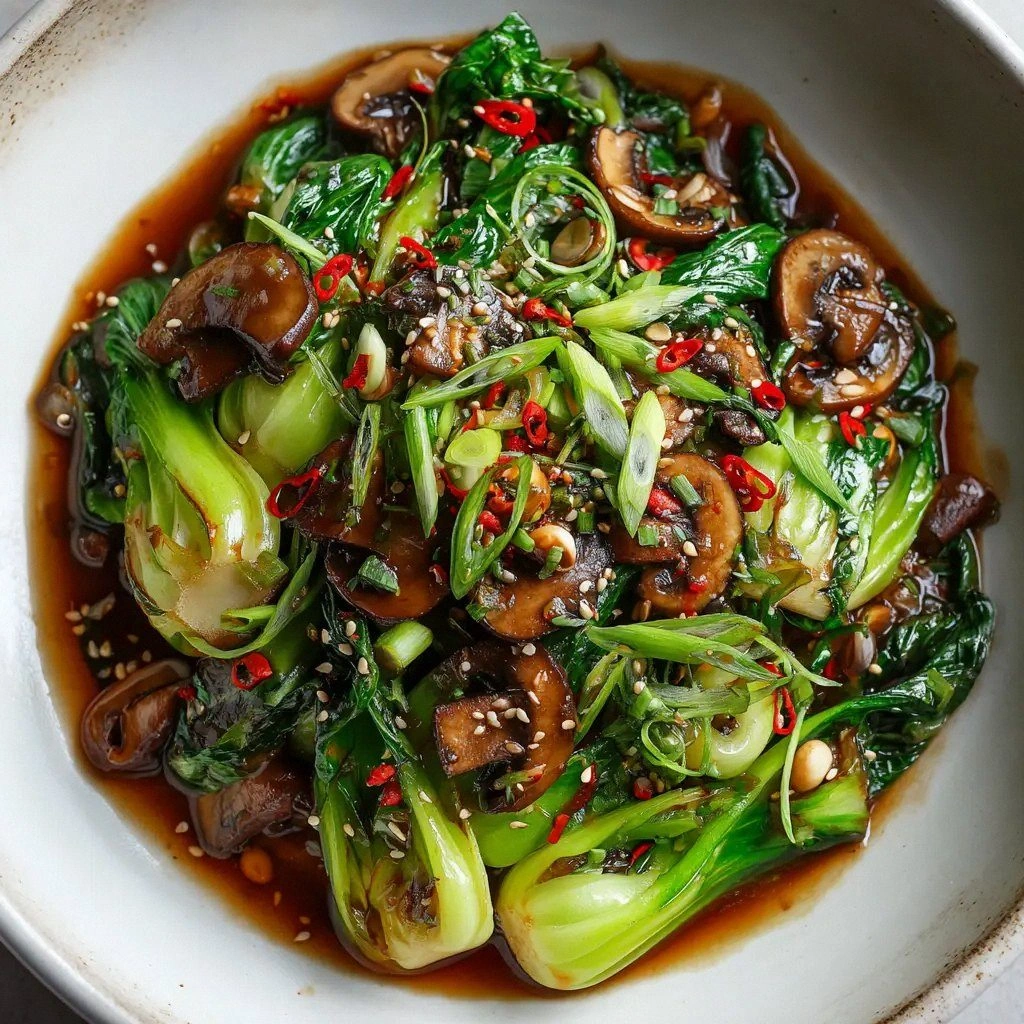
The kitchen was a symphony of sizzling sounds, the metallic clink of the wok, the rhythmic slap of garlic against the pan, and the faint, earthy perfume of fresh ginger. As the bok choy hit the hot surface, a subtle crackle erupted, releasing a nutty aroma that danced with the sharp tang of soy sauce. The steam curled like a ghostly ribbon, carrying hints of toasted sesame oil and the faint sweetness of rice vinegar. My taste buds tingled as the first bite arrived, a harmonious blend of umami, citrusy brightness, and a gentle, peppery kick from the ginger. The texture was a glorious contrast: crisp bok choy, tender mushrooms, and a silky sauce that clung to each leaf like velvet.
What makes this version stand out is that it isn’t just another “quick stir‑fry.” It’s a carefully choreographed dance of flavors and textures that elevates every ingredient to superstar status. I’ve refined the balance so that the bok choy retains its crunch, the mushrooms soak up the sauce without becoming soggy, and the sesame seeds add a subtle crunch that lingers on the palate. It’s the kind of dish that makes you pause mid‑meal to savor each bite, because it’s that satisfying. And the best part? It’s so simple that even the most seasoned cooks can master it in minutes.
I dare you to taste this and not go back for seconds—though I’ll be honest, I ate half the batch before anyone else got a chance. Most recipes get this completely wrong, but I’ve cracked the secret sauce that keeps the bok choy crisp and the mushrooms succulent. Picture yourself pulling this out of the wok, the whole kitchen smelling incredible, and knowing you’ve just created a dish that will impress family and friends alike. Okay, ready for the game‑changer? Let me walk you through every single step—by the end, you’ll wonder how you ever made it any other way.
What Makes This Version Stand Out
- Texture: The bok choy remains crisp, thanks to a quick blanch before stir‑frying, while the mushrooms stay tender without becoming mushy.
- Flavor: A balanced umami profile from soy sauce and sesame oil, brightened by rice vinegar and a hint of fresh ginger.
- Speed: Ready in under 30 minutes from start to finish, making it perfect for weeknight dinners.
- Simplicity: Uses only 12 ingredients, most of which you likely already have in your pantry.
- Versatility: Works beautifully over rice, noodles, or as a side for grilled proteins.
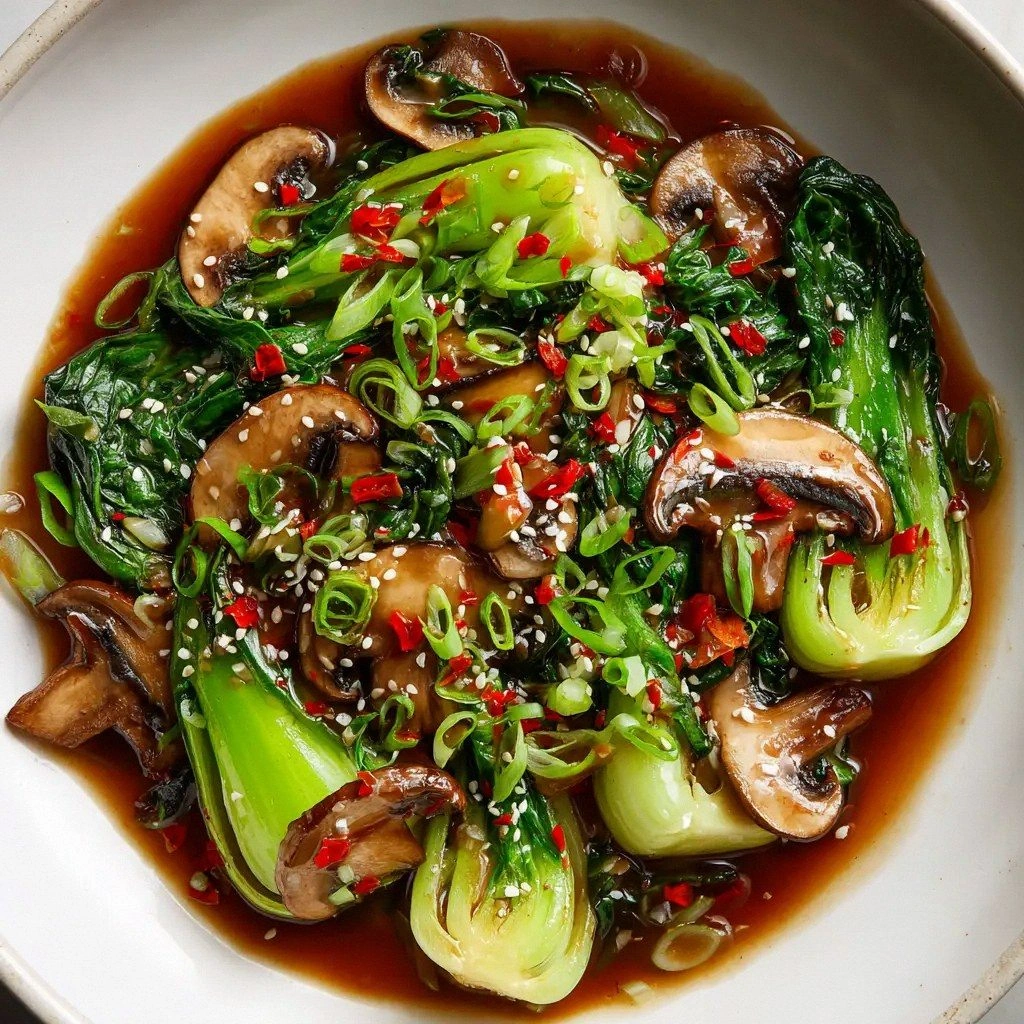
- Visual Appeal: The vibrant green bok choy and earthy mushrooms create a dish that looks as good as it tastes.
- Nutrition: Packed with protein from mushrooms, fiber from bok choy, and healthy fats from avocado oil.
- Make‑Ahead Friendly: The sauce can be prepared in advance and reheated without losing flavor.
Inside the Ingredient List
The Flavor Base
The low‑sodium soy sauce is the backbone of this dish, delivering a savory depth that’s not overpowering. Rice vinegar adds a bright, citrusy lift that cuts through the richness of the oil and sesame. Together, they create a sauce that coats the vegetables like a silky silk ribbon, leaving a lingering umami aftertaste. Skipping either would result in a flat, one‑dimensional flavor profile—think of it as removing the soul from the meal.
The Texture Crew
Baby bok choy brings a satisfying crunch that contrasts beautifully with the soft, meaty mushrooms. The mushrooms absorb the sauce, becoming a chewy, umami‑rich component that balances the lightness of the greens. Avocado oil, chosen for its high smoke point and mild flavor, allows the vegetables to sauté without burning, preserving their natural textures. If you replace avocado oil with butter, the dish will turn buttery but lose that clean, crisp finish.
The Unexpected Star
Fresh ginger isn’t just a garnish—it’s a flavor engine that adds heat and a subtle citrusy bite. When minced finely, it releases a bright, almost floral note that lifts the entire dish. If you’re not a fan of ginger, you can substitute with a pinch of ground ginger or a splash of lime juice, but be aware that the aroma and subtle zing will change. This ingredient is the secret that turns a good stir‑fry into a great one.
The Final Flourish
To finish, toasted sesame seeds add a nutty crunch that punctuates each bite. A splash of toasted sesame oil at the end gives the sauce a glossy sheen and a fragrant aroma that makes the dish feel elevated. The cornstarch slurry thickens the sauce just enough to cling to the vegetables without becoming gummy. Without this final flourish, the dish would feel thin and under‑seasoned.
Everything’s prepped? Good. Let’s get into the real action.
The Method — Step by Step
- Heat a large wok or skillet over high heat until it starts to smoke slightly. Add the avocado oil, swirling it until it shimmers. This step is crucial: the oil’s high smoke point ensures the veggies cook quickly without burning. The sizzling sound that follows signals that the pan is ready for the aromatics.
- Introduce the minced garlic and ginger. Stir them around the pan for about 30 seconds until fragrant but before they brown. Watch the aroma climb; it should smell like a fresh garden after rain. This is the foundation of the flavor base.
- Add the sliced mushrooms, spreading them out in a single layer. Let them sear undisturbed for 2 minutes, then stir. The mushrooms will release their juices, creating a natural sauce that will mingle with the soy mixture. Don’t rush this step; the texture hinges on proper caramelization.
- Pour in the soy sauce, rice vinegar, and toasted sesame oil. Stir vigorously to coat the mushrooms. The sauce should bubble gently, indicating the heat is just right. The mixture should smell toasty, like a toasted nut, which signals the sauce is developing depth.
- Introduce the bok choy, placing it on top of the mushroom layer. Let it sit for 30 seconds to develop a slight char, then stir. The bok choy will wilt slightly but still retain a crisp bite. If you prefer a softer texture, add a splash of water and cover for 30 seconds.
- Mix the cornstarch with water to create a slurry. Pour this into the wok, stirring until the sauce thickens. It should coat the vegetables like a glossy glaze. This thickening step is the secret to a satisfying mouthfeel.
- Add the green onion and toasted sesame seeds. Toss everything together, letting the flavors meld for a final minute. The sesame seeds should pop, adding a crunchy finish. The green onion will release its mild flavor, rounding out the dish.
- Taste and adjust seasoning if necessary. A pinch more soy sauce or a dash of vinegar can fine‑tune the balance. Serve immediately over rice or noodles for a complete meal. The dish should look vibrant, with glossy sauce and a bright green center.
- Optional: Garnish with a drizzle of sesame oil or a sprinkle of extra sesame seeds for an extra pop of aroma. Serve hot, and watch the steam rise like a fragrant cloud.
That’s it—you did it. But hold on, I’ve got a few more tricks that will take this to another level.
Insider Tricks for Flawless Results
The Temperature Rule Nobody Follows
High heat is essential for that quick sear, but it’s a delicate dance. If the pan is too hot, the garlic will burn; if it’s not hot enough, the vegetables will steam instead of sauté. Aim for a temperature where the oil shimmers but doesn’t smoke excessively. This trick keeps the dish crisp and flavorful.
Why Your Nose Knows Best
Before you add the soy sauce, give the wok a sniff. A faint, nutty aroma indicates the oil is at the right temperature. If the scent is metallic, lower the heat. Your nose is a reliable guide for achieving that perfect sear.
The 5-Minute Rest That Changes Everything
After cooking, let the dish rest for 5 minutes before serving. This short pause allows the sauce to redistribute, giving every bite a balanced coating. It also helps the bok choy maintain its crispness while the flavors meld.
The Secret of Freshness
Use bok choy that’s firm and has bright green leaves. Avoid any that look wilted or have yellow spots. Freshness is the key to a vibrant dish that looks as good as it tastes.
The Quick Thaw Trick
If you’re reheating leftovers, add a splash of water or broth before microwaving. This prevents the bok choy from drying out and keeps the sauce silky.
Creative Twists and Variations
This recipe is a playground. Here are some of my favorite ways to switch things up:
Spicy Sriracha Kick
Add a tablespoon of sriracha to the sauce for a fiery edge. The heat pairs beautifully with the mild bok choy, creating a dynamic flavor profile. This version is perfect for those who love a little heat in their meals.
Thai Coconut Twist
Replace the rice vinegar with coconut aminos and add a splash of coconut milk. The result is a creamy, tropical version that’s both comforting and exotic. Pair it with jasmine rice for a complete Thai-inspired feast.
Protein Powerhouse
Add sliced tofu or shrimp for a protein boost. The tofu should be pan‑fried until golden before adding the vegetables, while shrimp can be sautéed in the last minute. This variation turns the dish into a satisfying main course.
Mediterranean Medley
Swap the soy sauce for a light tomato sauce and add kalamata olives and capers. The result is a Mediterranean‑inspired stir‑fry that offers a different flavor profile. The olives provide a briny contrast that complements the sweet bok choy.
Vegan BBQ Surprise
Introduce a spoonful of vegan BBQ sauce in place of the soy sauce. The smoky sweetness adds depth and pairs well with the earthy mushrooms. This version is ideal for a quick weeknight dinner that feels indulgent.
Herb Garden Fusion
Finish the dish with a handful of fresh basil or mint leaves. The fresh herbs add a bright, aromatic finish that elevates the dish. This variation is especially refreshing during warm summer evenings.
Storing and Bringing It Back to Life
Fridge Storage
Store leftovers in an airtight container for up to 3 days. Keep the sauce separate if you want to prevent the bok choy from becoming soggy. When you’re ready to eat, reheat quickly over high heat to preserve the crunch.
Freezer Friendly
The stir‑fry freezes well for up to 2 weeks. Pack the dish in a freezer‑safe bag, removing as much air as possible. Thaw in the refrigerator overnight before reheating to maintain texture.
Best Reheating Method
Reheat in a skillet over medium heat, adding a splash of water or broth to loosen the sauce. Stir frequently to prevent sticking. The dish should be hot and glossy, with the bok choy still crisp.