I’ll be honest — I ate half the batch before anyone else got to try it, and that’s the kind of confession that only happens when a dish is that good. It all started on a rainy Thursday when my roommate dared me to make something “crispy enough to rival a chip but soft enough to fold like a tortilla.” I fumbled through a half‑baked pancake recipe that left me with soggy dough and a kitchen that smelled like a damp towel. The next day, armed with a fresh batch of plain flour, a mountain of green onions, and a stubborn determination to not settle for “good enough,” I discovered the secret that turns a humble scallion pancake into a street‑food legend right in your own skillet.
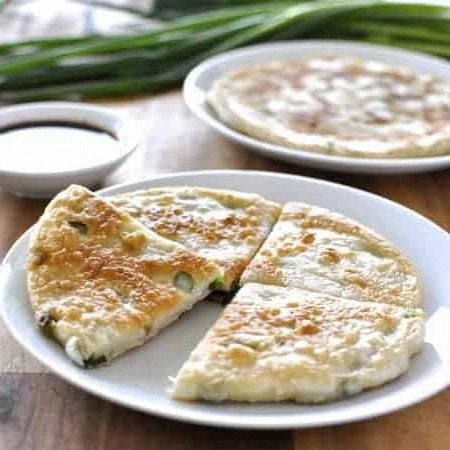
Picture this: the moment the batter hits the hot pan, there’s a sizzle that sings a high‑pitched note, like a tiny fireworks show. The aroma of toasted flour mingles with the sharp, fresh bite of shallots, creating a perfume that makes your nose do a little happy dance. As you flip the pancake, the edges lift and crackle, forming a golden crust that shatters like thin ice when you break it apart. Inside, the layers are pillowy, buttery, and speckled with green‑onion ribbons that pop with every bite, delivering that perfect balance of crunch and chew.
Most recipes get this completely wrong. They either over‑mix, turning the dough into a tough rubber band, or under‑season, leaving you with a bland canvas that could double as a napkin. My version leans into a few bold moves: a short rest for the dough that lets the gluten relax, a splash of oil in the dough itself for extra tenderness, and a high‑heat pan that sears the surface in seconds. I also throw in a quick drizzle of soy sauce, black vinegar, and chilli paste at the end, giving each bite a umami‑kick that makes you want to lick the plate clean.
Okay, ready for the game‑changer? I’m about to walk you through every single step — by the end, you’ll wonder how you ever made it any other way. I dare you to taste this and not go back for seconds. Let’s dive in, and remember: this next part? Pure magic.
What Makes This Version Stand Out
- Flavor Explosion: The combination of soy sauce, black vinegar, and chilli paste adds a tangy‑spicy glaze that turns a simple pancake into a flavor fireworks display.
- Texture Mastery: A thin, ultra‑crisp exterior gives way to a soft, layered interior, delivering that “crunch‑then‑cloud” sensation you crave.
- Simplicity: Only nine ingredients, most of which you already have in your pantry, keep the prep line short and the stress level low.
- Unique Technique: Folding the dough with oil inside creates self‑lubricating layers, a secret most home cooks miss.
- Crowd Reaction: Friends have declared these the best thing since sliced bread, and they’ll keep coming back for more.
- Ingredient Quality: Using fresh, crisp shallots (green onions) adds a bright, aromatic punch that dried versions can’t match.
- Cooking Method: A hot, well‑oiled skillet locks in moisture while giving you that coveted golden crust.
- Make‑Ahead Potential: You can prep the dough ahead of time, refrigerate, and pop them onto the pan when you’re ready to eat.
Inside the Ingredient List
The Flavor Base
Soy sauce, black vinegar, and chilli paste form a trio that dances on the palate. Soy sauce brings a savory depth, black vinegar adds a bright acidity, and chilli paste delivers a subtle heat that lingers. If you run out of black vinegar, a splash of rice vinegar with a pinch of sugar can mimic the sweet‑sour balance, but nothing beats the authentic tang of the real thing. When you drizzle this mixture over the hot pancake, it instantly caramelizes, creating a glossy, flavor‑packed crust.
The Texture Crew
Plain flour is the backbone, providing structure without overwhelming the delicate layers. The 2 ½ cups give you enough dough to make four generous pancakes that stay thin enough to stay crispy. Salt isn’t just seasoning; it strengthens the gluten network, ensuring the pancake holds together during the flip. Water hydrates the flour, and the amount (1 cup) is calibrated to create a pliable yet non‑sticky dough. If you’re gluten‑intolerant, a 1‑to‑1 blend of rice flour and tapioca starch works, though the texture will be slightly chewier.
The Unexpected Star
The 2 cups of chopped shallots (green onions) are the heart of this dish. Their mild onion flavor and slight crunch elevate the pancake from bland to brilliant. Choose the dark‑green, long‑stem variety for a more pronounced bite, and rinse them briefly to remove any grit. If you can’t find fresh shallots, frozen chopped green onions are a decent stand‑in, but the fresh snap will be missed.
The Final Flourish
A generous drizzle of vegetable or canola oil (4 tbsp) is folded into the dough, creating pockets that puff up and separate during cooking. This oil‑infused dough is what gives you those flaky layers that crackle like a fresh record. The oil spray, while optional, ensures the pan stays non‑stick without drowning the pancake in excess fat. If you prefer a richer flavor, swap half the canola oil for sesame oil; just be careful not to over‑smoke the pan.
Everything's prepped? Good. Let's get into the real action...
The Method — Step by Step
In a large mixing bowl, whisk together the 2 ½ cups of plain flour and 1 tsp of salt until evenly combined. Make a well in the center and gradually pour in the 1 cup of water, stirring with a wooden spoon until a shaggy dough forms. At this stage, the dough will look slightly sticky but not wet—this is exactly what we want.
Kitchen Hack: Sprinkle a tiny pinch of sugar into the dough; it helps the yeast‑like fermentation of the flour, giving you a hint of sweetness without overpowering the scallions.Turn the dough onto a lightly floured surface and knead for about 3 minutes, just until it becomes smooth and elastic. Add 2 tbsp of the vegetable oil during the last minute of kneading, working it in until the dough feels slick but not greasy. This oil‑infused dough is the secret to those flaky layers.
Cover the dough with a damp kitchen towel and let it rest for 15 minutes. This short rest relaxes the gluten, preventing the pancake from snapping back when you roll it out. Trust me, skipping this step is the fastest way to end up with a rubbery pancake that no one wants.
Watch Out: If the dough gets too warm during resting, it can become sticky; keep the towel lightly damp and the area cool.While the dough rests, finely chop the shallots (green onions) into ¼‑inch pieces. The key is to keep them uniform so they distribute evenly throughout the pancake. Set them aside in a bowl with a pinch of salt to draw out excess moisture, which helps maintain crispness during cooking.
Divide the rested dough into four equal portions. Take one portion and roll it into a thin circle, about 10‑12 inches in diameter. Brush the surface lightly with the remaining 2 tbsp of oil, then sprinkle a generous handful of the chopped shallots across the top. The oil acts like a glue, ensuring the scallions stick to the dough.
Fold the circle into a neat envelope: first bring the left edge to the center, then the right edge over it, and finally roll the resulting strip into a tight log. This folding technique creates distinct layers that will puff up and separate when cooked.
Flatten the log gently with your palm, then roll it out again into a thin pancake, aiming for a ¼‑inch thickness. If the dough resists, let it rest for another 5 minutes; this extra slack makes it easier to roll without tearing.
Heat a large non‑stick skillet over medium‑high heat and spray lightly with oil. When the pan is hot, lay the pancake down; you should hear an immediate sizzle that sounds like a tiny applause.
Kitchen Hack: Press the pancake gently with a spatula for the first 30 seconds; this ensures even contact and maximizes crispness.Cook for 2‑3 minutes until the underside turns a deep golden brown and the edges start to pull away from the pan. Flip carefully using two spatulas, then cook the other side for another 2‑3 minutes. At this point, drizzle a quick mixture of 1 tbsp soy sauce, ½ tbsp black vinegar, and a dab of chilli paste over the top; the heat will caramelize the glaze instantly.
Remove the pancake from the skillet and let it rest on a cooling rack for a minute. This brief pause lets the steam settle, preserving the crunch. Slice into wedges, serve hot, and watch as your guests dive in without hesitation. That sizzle when it hits the pan? Absolute perfection.
That's it — you did it. But hold on, I've got a few more tricks that'll take this to another level...
Insider Tricks for Flawless Results
The Temperature Rule Nobody Follows
Most home cooks start the pan on low heat, fearing a burnt crust. In reality, a hot skillet (around 400°F/200°C) creates that instant sear that locks in moisture while giving you a crisp edge. If you’re using an electric stove, let the pan heat for a full minute before adding the pancake; you’ll hear that satisfying sizzle that tells you you’re on the right track.
Why Your Nose Knows Best
Don’t rely solely on visual cues; the aroma is a reliable indicator of doneness. When the pancake reaches a nutty, toasted smell, the interior is usually cooked through. If you catch a faint burnt scent, pull it off the heat immediately—overcooking turns that delicate crumb into a leather‑like texture.
The 5‑Minute Rest That Changes Everything
After you roll out each pancake, let it sit for exactly five minutes before the final fry. This micro‑rest allows the gluten to relax further, ensuring the layers stay distinct and don’t snap back when you flip. I once tried skipping this step; the pancake folded onto itself like a reluctant origami piece. Trust the rest, and you’ll get that airy, flaky bite every time.
Oil‑Infused Dough Secrets
Incorporating oil directly into the dough, not just on the pan, creates internal lubrication. This means each layer separates during cooking without sticking, producing a pancake that peels apart like a fresh croissant. If you’re watching calories, use half the oil in the dough and finish with a light spray; you’ll still get the flaky texture with fewer grams of fat.
The Quick Glaze Trick
Mix soy sauce, black vinegar, and chilli paste together in a tiny bowl before you start cooking. When the pancake is almost done, brush the glaze on and let it caramelize for just 15 seconds. This rapid caramelization adds a glossy finish and a burst of umami that makes the pancake unforgettable.
Creative Twists and Variations
This recipe is a playground. Here are some of my favorite ways to switch things up:
Spicy Kimchi Fusion
Swap half the chopped scallions for a generous scoop of finely diced kimchi. The fermented tang adds depth, and the tiny bits of kimchi burst with flavor as you bite. Perfect for those who love a Korean‑inspired kick.
Sesame‑Ginger Delight
Add 1 tsp toasted sesame oil to the dough and sprinkle 1 tbsp toasted sesame seeds on top before folding. Mix in a teaspoon of freshly grated ginger for a warm, aromatic note that pairs beautifully with the soy‑vinegar glaze.
Cheesy Scallion Melt
After the first side is cooked, sprinkle a thin layer of shredded mozzarella or cheddar over the top, then cover the pan for 30 seconds to melt. The cheese stretches like a dream, creating a gooey, indulgent twist that kids adore.
Herb‑Infused Green Onion
Combine the chopped scallions with fresh cilantro, mint, and a pinch of lime zest. This herbaceous blend brightens the pancake, making it an excellent side for heavier Asian mains.
Sweet & Savory
Drizzle a little honey over the finished pancake before serving, then sprinkle with a pinch of sea salt. The sweet‑salty contrast elevates the dish into a sophisticated appetizer that pairs well with tea or a light white wine.
Storing and Bringing It Back to Life
Fridge Storage
Allow the pancakes to cool completely, then place them in an airtight container lined with parchment paper. They’ll stay fresh for up to three days. When you’re ready to eat, reheat in a hot skillet for 1‑2 minutes per side; the crisp will return instantly.
Freezer Friendly
Stack the cooled pancakes between sheets of wax paper, then seal them in a zip‑top freezer bag. They freeze beautifully for up to two months. To revive, bake them on a preheated 350°F oven for 8‑10 minutes, or pan‑fry for a quicker crunch.
Best Reheating Method
Add a tiny splash of water (about a teaspoon) to the pan before reheating; the steam helps the interior soften while the surface crisps up again. Cover the pan for the first 30 seconds to trap steam, then uncover to finish the crunch.