What Makes This Version Stand Out
- Taste: This bisque delivers a depth of flavor that feels like a sea‑to‑table journey. The caramelized mirepoix and smoked paprika create a savory backbone that lets the shrimp and crab shine.
- Texture: The silky broth is achieved through a careful roux that thickens without heaviness. The result is a velvety mouthfeel that coats the palate.
- Simplicity: Despite its luxurious outcome, the recipe requires only a handful of pantry staples and a single pan. You can have dinner ready in under an hour.
- Ingredient Quality: Using fresh, high‑quality shrimp and a premium lump crab makes all the difference. The natural sweetness of the seafood is the star.
- Crowd Reaction: Guests will ask for the recipe, and you’ll be the hero of the evening. The dish’s elegance pairs well with a crisp white wine.
- Make‑Ahead Potential: This bisque actually improves after resting; it’s perfect for a busy weeknight or a last‑minute dinner.
- Cooking Method: The technique of deglazing with wine and adding a splash of lemon juice balances acidity and richness.
- Versatility: Serve it as an appetizer, a main course with crusty bread, or even over a bed of pasta for a decadent twist.
Inside the Ingredient List
The Flavor Base
Onion is the sweet anchor of the broth; it releases natural sugars that caramelize and give depth. Without it, the bisque would feel flat and underdeveloped. Swap for shallots for a more delicate sweetness, but keep the quantity the same. A fresh onion also ensures a bright, clean finish.
Celery adds a subtle earthiness and a hint of bitterness that balances the sweetness of the onion. If you’re missing celery, try adding a pinch of ground cumin for a similar depth. Skipping celery will leave the broth lacking that complex, savory note that ties everything together.
Garlic brings aromatic intensity and a savory punch. Its presence is crucial for the broth’s richness; cutting it out will make the bisque taste like a plain soup. If you’re sensitive to raw garlic, sauté it just until fragrant to reduce sharpness.
The Texture Crew
Shrimp provides a burst of tender protein and a sweet, briny flavor that elevates the bisque. Use medium‑sized shrimp for a consistent texture; larger ones can become rubbery if overcooked. If you prefer a more subtle seafood taste, reduce the shrimp quantity by half.
Lump crab offers a delicate, flaky texture and a naturally sweet flavor that complements the shrimp. Fresh crab gives the best taste, but canned lump crab is a reliable alternative when fresh is unavailable. Skipping crab will shift the dish toward a more traditional shrimp bisque, but the unique balance will be lost.
Butter adds richness, body, and a silky mouthfeel. It also helps emulsify the broth, creating a smooth texture. If you’re avoiding dairy, replace butter with a neutral oil, but expect a slightly lighter finish.
Flour is the key thickening agent; it creates a roux that gives the bisque its body. Too much flour will make it gummy; too little will leave it thin. Use a 1:1 ratio of butter to flour for the best consistency.
The Unexpected Star
White wine introduces acidity that balances the richness of butter and cream, while also adding subtle fruit notes. Use a dry white like Sauvignon Blanc or Pinot Grigio for the best flavor. Too much wine will overpower the seafood; keep the splash moderate.
Lemon juice brightens the bisque and cuts through the heaviness of cream, creating a lively finish. A squeeze of fresh lemon is preferable to bottled, as it adds a natural freshness. Skipping lemon will result in a dull, overly creamy taste.
Smoked paprika adds depth, a gentle smokiness, and a warm color that makes the bisque visually appealing. It also enhances the savory elements of the broth. If you’re avoiding spices, a pinch of regular paprika can substitute, but the smoky nuance will be missing.
The Final Flourish
Heavy cream brings a luxurious, velvety texture and a rich mouthfeel that makes the bisque feel indulgent. Use full‑fat cream for the best results; low‑fat will reduce the richness. If you’re dairy‑free, coconut milk can be a suitable alternative, though it will alter the flavor profile.
Fresh parsley offers a bright, herbal note that cuts through the richness and adds a pop of color. Finely chop it to distribute evenly throughout the bisque. Skipping parsley will make the dish feel less vibrant.
Everything’s prepped? Good. Let’s get into the real action…
The Method — Step by Step
- Start by finely dicing the onion, celery, and garlic. Heat a large, heavy‑bottomed pot over medium heat and add the butter, letting it melt into a shimmering pool. Once the butter is foamy, drop in the mirepoix, stirring constantly to prevent sticking. Watch the vegetables soften and turn golden, releasing their natural sugars; this caramelization is the flavor foundation. The aroma should be sweet, almost caramel, with a hint of earthiness from the celery.
- Sauté the mirepoix for about 5 minutes, stirring frequently. The goal is to develop a deep amber color without burning. If the mixture starts to stick, add a splash of water to loosen it. This step locks in sweetness and builds a complex base that will carry the seafood beautifully. The smell should be rich, inviting, and slightly sweet.
- Deglaze the pot with a splash of white wine, scraping up any browned bits from the bottom. The wine should evaporate quickly, leaving behind a subtle, citrusy aroma. This deglazing step lifts the flavor and adds a layer of acidity that balances the cream. Keep the heat medium so the wine reduces without scorching.
- Pour in the broth and bring the mixture to a gentle simmer. Let it cook for 10 minutes, allowing the flavors to meld. Stir occasionally to ensure the roux doesn’t settle. The broth should thicken slightly, becoming glossy and velvety. This is the stage where the soup’s body starts to form.
- Add the shrimp and crab to the pot, stirring to coat them in the flavorful liquid. The shrimp should be added last to prevent overcooking; they will turn pink and firm in just 3–4 minutes. Keep the heat low to maintain a gentle simmer. Watch the shrimp as they cook; if they become rubbery, remove them immediately.
- Stir in the lemon juice and smoked paprika, letting the mixture simmer for another minute. The lemon juice will brighten the flavors, while the paprika adds a subtle smoky undertone. Be careful not to let the broth boil vigorously, or the paprika may become bitter. The aroma should now carry a citrusy brightness and a warm, smoky note.
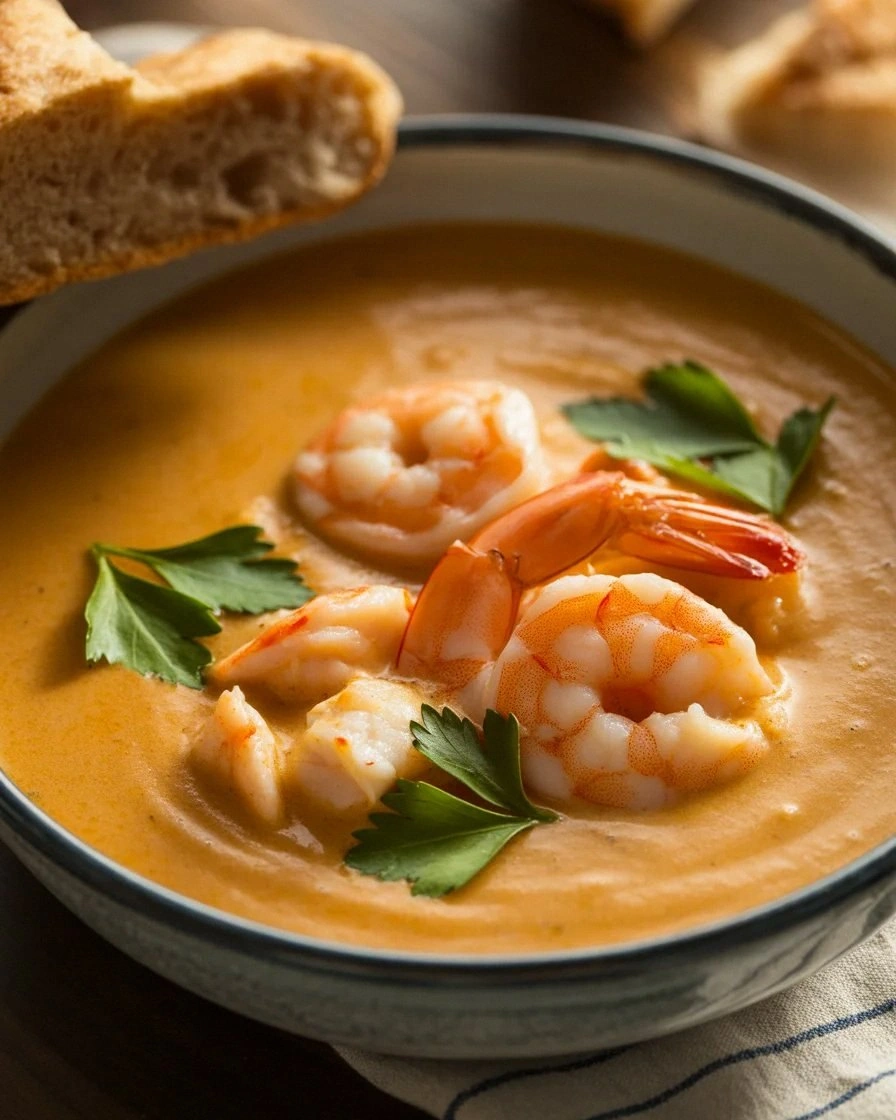
- Reduce the heat to low and pour in the heavy cream, stirring constantly to create a silky emulsion. Let the bisque simmer for 5 minutes, allowing the cream to integrate fully. Avoid boiling, as the cream can curdle and separate. The bisque should be glossy, thick, and luxuriously creamy.
- Finish by stirring in the fresh parsley, which adds a bright, herbal finish and a pop of color. Season the bisque with salt and pepper to taste, adjusting the lemon juice if you want a more vibrant tang. Let it rest for 5 minutes off the heat; this allows the flavors to marry beautifully. The bisque should now be a harmonious blend of sweet, smoky, and citrusy notes, with a velvety texture that coats the palate.
That's it — you did it. But hold on, I've got a few more tricks that'll take this to another level. These insider nuggets will help you fine‑tune the bisque to perfection, whether you’re cooking for a crowd or a quiet night in.
Insider Tricks for Flawless Results
The Temperature Rule Nobody Follows
Many cooks think a high simmer is best, but a gentle low heat preserves the delicate flavors of shrimp and crab. Maintaining a low simmer ensures the seafood stays tender and the broth stays silky. If you’re tempted to raise the heat, pause and taste; a sudden spike can cause the cream to curdle. This rule keeps your bisque smooth and luxurious.
Why Your Nose Knows Best
Before adding the shrimp, sniff the broth. A sweet, caramelized scent signals that the mirepoix has caramelized properly. If it smells more like raw vegetables, give it a few more minutes. Your nose is a reliable guide to the depth of flavor you’re achieving.
The 5‑Minute Rest That Changes Everything
Once the bisque is finished, let it rest off the heat for 5 minutes. During this time, the flavors continue to meld, and the broth thickens slightly. This rest also allows the shrimp to finish cooking in the residual heat without becoming rubbery. The result is a more cohesive and balanced dish.
Keep It Fresh: Use a Quick Brine
If you’re using fresh shrimp, soak them in a saltwater solution for 10 minutes before cooking. This quick brine enhances the shrimp’s natural sweetness and helps them retain moisture. Rinse and pat dry before adding them to the bisque. It’s a simple step that makes a noticeable difference.
Don’t Skimp on the Butter
Butter not only adds richness but also helps create a silky emulsion. If you’re watching calories, use a smaller amount of butter and supplement with a neutral oil. However, cutting butter too much can compromise the bisque’s body and mouthfeel. Balance is key.
The Right Spoonful of Salt
Salt is a flavor enhancer, but it can also bring out bitterness if overused. Start with a small pinch, taste, and adjust gradually. Remember that the crab and shrimp already contain natural saltiness, so you rarely need much extra.
Creative Twists and Variations
This recipe is a playground. Here are some of my favorite ways to switch things up:
Tropical Coconut
Swap the heavy cream for coconut milk to give the bisque a subtle tropical sweetness. The coconut’s richness pairs wonderfully with the crab, and the bright citrus notes become even more pronounced. This version is perfect for a summer soirée.
Scallop Swap
Replace shrimp with scallops for a slightly firmer texture and a sweeter, more delicate flavor. Scallops cook quickly, so add them at the same time as the shrimp to avoid overcooking. The bisque takes on a refined, elegant character.
Smoked Sea Salt Finish
Finish the bisque with a sprinkle of smoked sea salt instead of regular salt. The salt adds a smoky depth that complements the paprika and enhances the overall umami. It’s a simple tweak that elevates the dish.
Saffron Infusion
Add a pinch of saffron to the broth for a subtle floral note and a gorgeous golden hue. Saffron’s earthy aroma pairs well with the seafood, creating a luxurious flavor profile. Use sparingly; a little goes a long way.
Vegetarian Mushroom
Omit the seafood and add sliced shiitake mushrooms for a hearty, umami‑rich alternative. The mushrooms soak up the broth’s flavors, providing a satisfying texture. This version is great for pescatarians or those looking for a lighter option.
Linguine Pair
Serve the bisque over linguine tossed with olive oil and parsley for a comforting main course. The pasta absorbs the creamy broth, while the shrimp and crab add a burst of flavor. It’s an instant crowd‑pleaser.
Storing and Bringing It Back to Life
Fridge Storage
Store the bisque in an airtight container in the refrigerator for up to 3 days. The flavors will deepen as it sits, but be sure to stir before serving. Keep it chilled to preserve the delicate texture of the shrimp and crab.
Freezer Friendly
The bisque freezes well for up to 2 months. Portion into freezer‑safe containers, leaving a little headspace for expansion. Label with the date and freeze. When you’re ready to enjoy, thaw overnight in the refrigerator.
Best Reheating Method
Reheat gently on the stovetop over low heat, stirring occasionally. Add a splash of water or broth if the bisque thickens too much. Reheat until just hot, not boiling, to keep the cream from separating. This method preserves the silky texture and bright flavors.
Add a tiny splash of water before reheating — it steams back to perfection, restoring that velvety mouthfeel you love.