Picture this: it’s a rainy Saturday afternoon, the kind where the clouds hang low enough to make you crave something that feels like sunshine in a bite. I was stuck in the kitchen, staring at a half‑finished batch of ordinary cupcakes that tasted like, well, ordinary. My friend dared me to turn them into something “so orange it could blind a squirrel,” and I thought, why not? I grabbed the freshest oranges from the pantry, a tub of cream cheese, and a bag of candy melts, and the kitchen turned into a laboratory of citrus‑infused alchemy. The result? A batch of orange‑kissed cake pops that made my taste buds do a happy dance, and I swear the whole house smelled like a citrus orchard in full bloom.
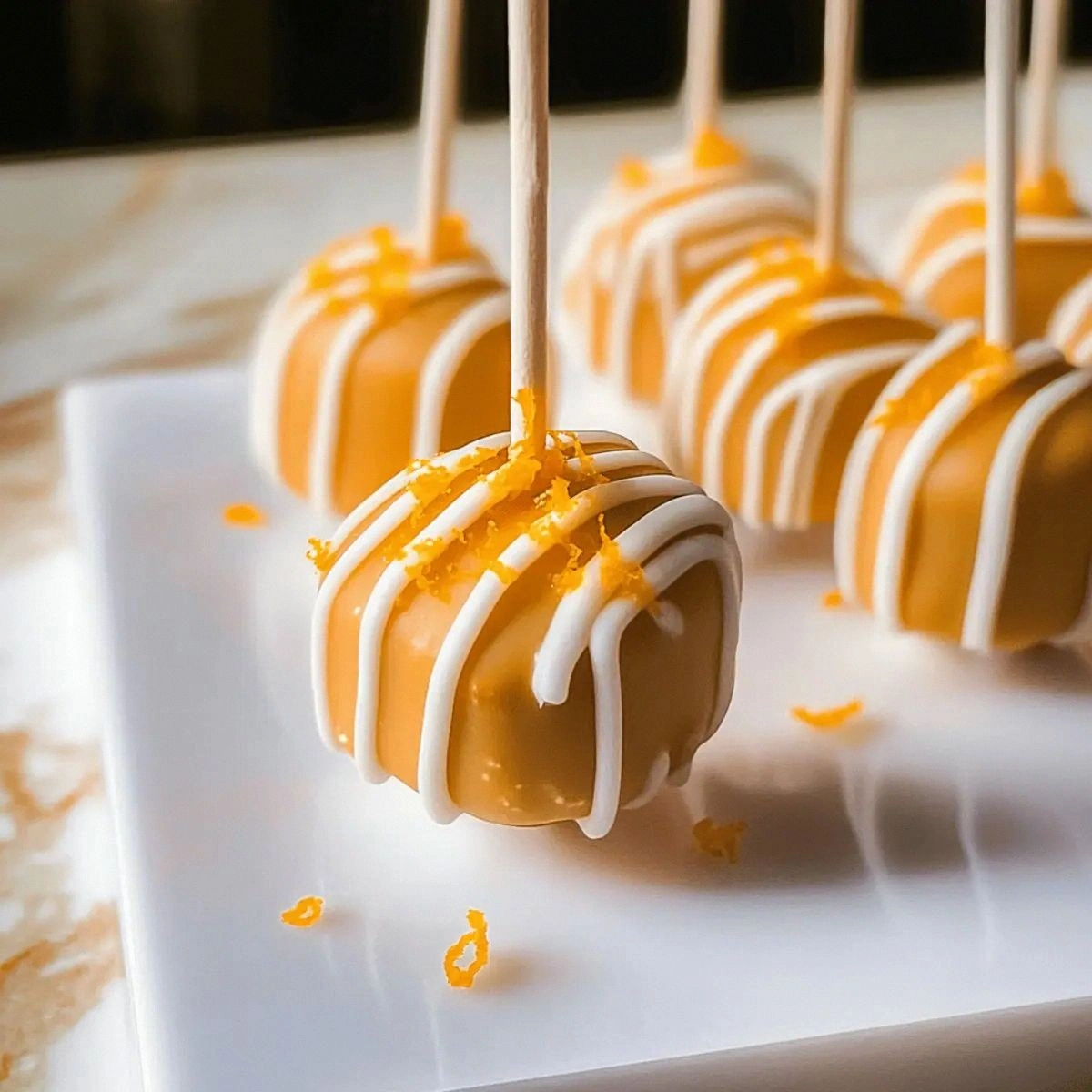
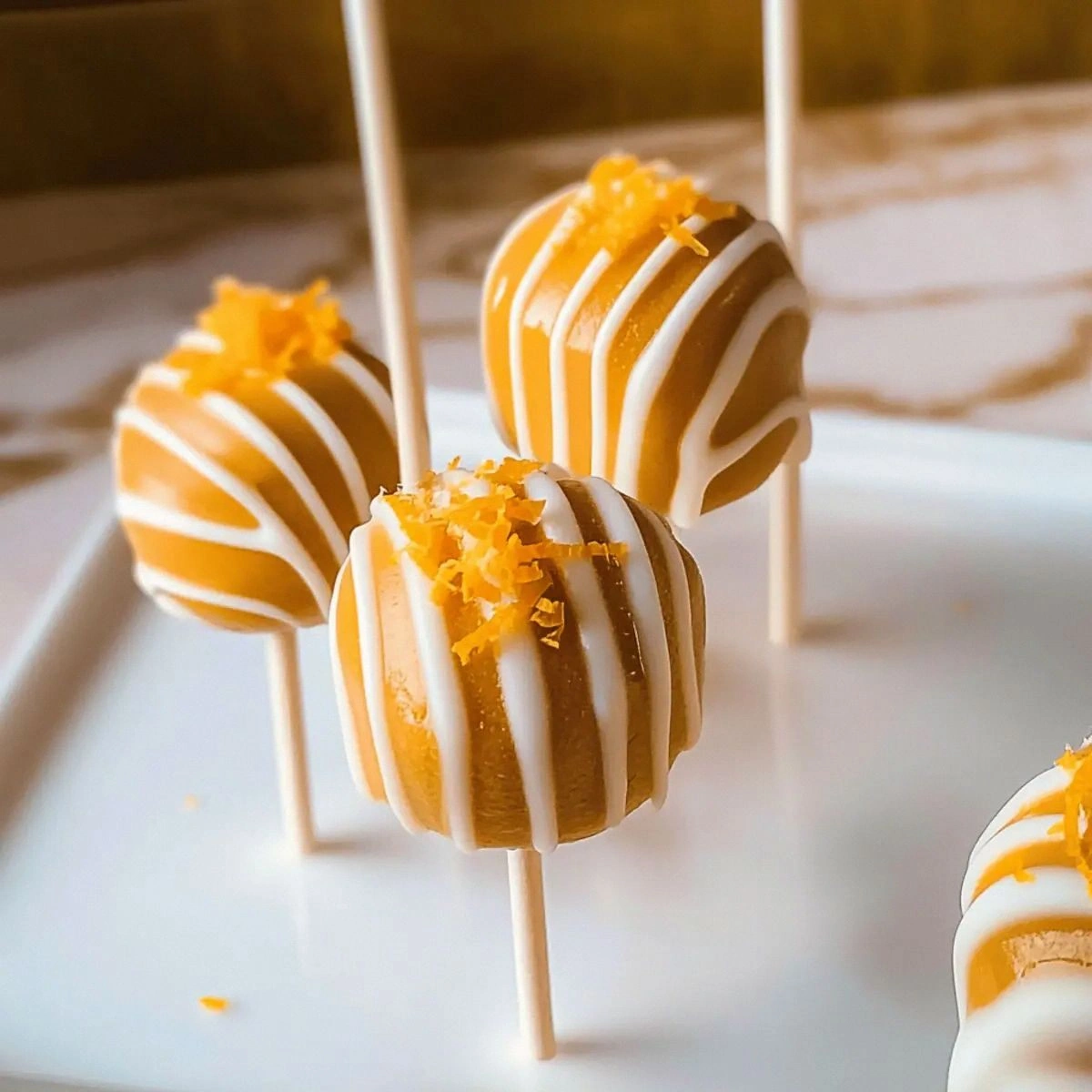
The moment those cake pops hit the cooling rack, the air filled with a perfume that was simultaneously sweet, tangy, and buttery—like a freshly baked orange marmalade melting into a cloud of vanilla cream. The first bite was a revelation: a moist, crumbly orange cake core that crumbled like a soft sunrise, wrapped in a silky cream cheese frosting that clung to the stick like a gentle hug. The candy melt coating gave a glossy finish that caught the light, and the white chocolate drizzle added just the right hint of decadence. It was the kind of dessert that makes you pause mid‑conversation, stare at the plate, and whisper, “I dare you to taste this and not go back for seconds.”
Most orange cake pop recipes out there either skip the cream cheese frosting or drown the cake in a sugary glaze that tastes like a candy store after midnight. Those versions miss the delicate balance between citrus zing and creamy smoothness that makes this particular pop a show‑stopper. I’ve tried the “quick fix” versions that use instant orange flavoring, and they always end up tasting like a synthetic perfume. This version, however, relies on fresh orange zest and juice, real butter, and a butter‑cream frosting that’s as airy as a cloud and as rich as a velvet night.
And here’s the kicker: the secret weapon is a splash of buttermilk in the cake batter, which adds a subtle tang that amplifies the orange without making it sour, while also keeping the crumb tender. I’ll also be revealing a technique for achieving a flawless coating that doesn’t crack or flake—something most recipes completely overlook. Okay, ready for the game‑changer? Let me walk you through every single step — by the end, you’ll wonder how you ever made it any other way.
What Makes This Version Stand Out
- Flavor Explosion: Fresh orange zest and juice give a bright, natural citrus punch that no artificial flavor can match.
- Creamy Contrast: The cream cheese frosting adds a tangy, silky layer that balances the sweet cake core.
- Moisture Mastery: Buttermilk and butter create a tender crumb that stays soft even after coating.
- Visual Wow: The orange candy melt gives a glossy, eye‑catching finish that’s perfect for party platters.
- Easy Scaling: The recipe scales cleanly for any crowd, thanks to straightforward ingredient ratios.
- Make‑Ahead Friendly: You can prep the cake base and frosting days ahead, then assemble just before serving.
- Kid‑Approved: The sweet‑tart combo is a hit with kids who love orange flavor but not the “too sour” vibe.
- Ingredient Integrity: No shortcuts—only real butter, fresh zest, and quality candy melts.
Alright, let's break down exactly what goes into this masterpiece...
Inside the Ingredient List
The Flavor Base
2 cups All‑Purpose Flour: The backbone of any cake, providing structure. Using a high‑quality unbleached flour ensures a tender crumb. If you skip it, the cake will crumble apart like dry sand.
2 teaspoons Baking Powder & 1 teaspoon Baking Soda: These leavening agents create lift. Baking powder gives an even rise, while baking soda reacts with the orange juice’s acidity for extra fluffiness. Swapping one for the other will make the cake dense.
0.5 teaspoon Salt: Enhances all the flavors, especially the citrus. A pinch less and the orange will taste flat; a pinch more and it becomes briny.
The Texture Crew
1 cup Unsalted Butter (for cake): Provides richness and a buttery mouthfeel. Use room‑temperature butter; cold butter will create lumps and affect the batter’s smoothness.
1 cup Sugar: Granulated sugar sweetens and helps create a tender crumb by interfering with gluten formation. You can substitute half with brown sugar for a deeper flavor, but the classic orange brightness may get muted.
4 large Eggs: Eggs bind the batter and trap air, giving the cake its rise. If you’re allergic, try a flax‑egg substitute, but expect a slightly different texture.
1 teaspoon Vanilla Extract: A subtle background note that rounds out the citrus. Real vanilla beans would be even richer, but the extract works fine.
The Unexpected Star
2 tablespoons Orange Zest (plus 2 more for frosting): The zest contains essential oils that deliver the true orange aroma. Fresh zest beats pre‑grated packets every time. If you’re out of fresh oranges, a high‑quality dried zest can work in a pinch.
0.5 cup Fresh Orange Juice: Adds moisture and a bright, natural flavor. It also activates the baking soda for extra lift.
1 cup Buttermilk: The acidity tenderizes the crumb while adding a subtle tang that makes the orange pop. If you don’t have buttermilk, mix 1 cup milk with 1 tablespoon lemon juice and let sit 5 minutes.
The Final Flourish
8 oz Cream Cheese: The star of the frosting, delivering that silky, tangy contrast. Use full‑fat cream cheese for best texture; low‑fat versions become grainy.
0.5 cup Unsalted Butter (for frosting): Softens the frosting, making it spreadable and glossy.
2 cups Powdered Sugar: Sweetens and stabilizes the frosting. Sift it to avoid lumps.
1 teaspoon Vanilla Extract (frosting): Mirrors the vanilla in the cake, creating a cohesive flavor profile.
1 bag Candy Melts (Orange): Gives the iconic orange coating. Melt gently to avoid scorching.
1 tablespoon Coconut Oil: Adds shine and helps the melt coat the pops evenly.
20 pieces Lollipop Sticks: The handle that lets you enjoy these bite‑size wonders without getting messy.
1 tablespoon White Chocolate Drizzle: A finishing touch that adds visual contrast and a hint of buttery sweetness.
2 tablespoons Extra Orange Zest: Sprinkled on top for a burst of aroma and a pop of color.
Everything's prepped? Good. Let's get into the real action...
The Method — Step by Step
Preheat your oven to 350°F (175°C) and line a large baking sheet with parchment. While the oven warms up, whisk together the flour, baking powder, baking soda, and salt in a medium bowl. This dry mix ensures even distribution of leavening agents, preventing any unwanted pockets that could cause uneven rising. I dare you to taste this and not go back for seconds once you’re done.
In a stand mixer fitted with the paddle attachment, cream together 1 cup of unsalted butter and 1 cup of sugar on medium speed until the mixture is pale, fluffy, and smells faintly of caramel—about 3‑4 minutes. This is the moment of truth: if the butter isn’t fully softened, you’ll get a grainy cake. Once it’s ready, add the eggs one at a time, beating well after each addition, then stir in 1 teaspoon of vanilla extract.
Now for the citrus infusion: fold in the freshly grated orange zest and pour in the orange juice, letting the liquid hiss as it meets the butter mixture. The sizzle when it hits the pan? Absolute perfection. Add the buttermilk, then gently fold in the dry ingredients until just combined—over‑mixing will develop gluten and make the cake tough.
Pour the batter into the prepared sheet, spreading it evenly with a spatula. Slide it into the oven and bake for 18‑22 minutes, or until a toothpick inserted in the center comes out clean and the edges start pulling away from the parchment. That gentle pull is your cue that the cake has set perfectly. While it bakes, set a timer—don’t walk away from the stove here.
While the cake cools, whip the frosting: beat 8 oz softened cream cheese and 0.5 cup butter together until light and airy, about 2 minutes. Gradually add the powdered sugar, a cup at a time, beating on low to avoid a sugar cloud explosion. Finish with 1 teaspoon vanilla extract and 2 tablespoons orange zest, then increase speed to high and whip for another minute until the frosting is silky smooth.
Once the cake is completely cool, crumble it into a large bowl. Add about half of the cream cheese frosting and gently fold until the mixture holds together when pressed. If it feels too dry, add a spoonful more frosting. This crumb‑frosting hybrid is the secret to those ultra‑moist cake pops that melt in your mouth.
Line a baking sheet with parchment and set out 20 lollipop sticks. Using a small cookie scoop (or a tablespoon), portion out the mixture and roll each ball between your palms, forming smooth spheres. Insert a stick about halfway into each ball, making sure it’s centered. Place the formed pops on the parchment and chill them in the freezer for at least 30 minutes—this firms them up for the coating.
Prepare the coating: melt the orange candy melts with 1 tablespoon coconut oil in a microwave‑safe bowl, heating in 20‑second bursts and stirring in between until smooth. The mixture should be glossy and fluid, not grainy. Dip each frozen pop into the melt, swirling to coat completely, then lift and let excess drip back into the bowl.
Place the coated pops back on the parchment. While the coating is still tacky, drizzle with white chocolate and sprinkle the remaining 2 tablespoons of orange zest on top for a burst of aroma and a pop of color. Let the pops set at room temperature for 15 minutes, or pop them back into the fridge to speed up the process.
That's it — you did it. But hold on, I've got a few more tricks that'll take this to another level...
Insider Tricks for Flawless Results
The Temperature Rule Nobody Follows
Never dip warm pops into cold candy melts. The temperature shock can cause the coating to crack. Keep both the pops and the melt at roughly the same temperature—room temperature is ideal. I once tried a shortcut by heating the pops in the microwave; the result was a sad, uneven glaze that fell apart like cheap paint.
Why Your Nose Knows Best
Before you even taste, trust the aroma. When the cake batter is mixed, you should smell the citrus zing immediately. If the scent feels muted, add a little more zest. Our sense of smell is a better indicator of flavor balance than a taste test, especially with citrus.
The 5‑Minute Rest That Changes Everything
After mixing the frosting, let it rest for five minutes before folding it into the cake crumbs. This short pause allows the butter and cream cheese to fully meld, creating a smoother, more cohesive mixture. Skipping this step leads to a grainy texture that’s impossible to roll into perfect spheres.
Stick Insertion Secret
Insert the lollipop sticks at a slight angle, then rotate the pop until the stick is upright. This creates a stronger grip, preventing the stick from wobbling or pulling out when you bite. I’ve seen many pop disasters caused by a wobbly stick, and it’s always the stick’s fault, not the pop.
Coating Consistency Control
If the candy melt becomes too thick, add a drop more coconut oil and stir. If it’s too runny, let it sit for a minute; the fats will solidify slightly. The perfect coating should be thick enough to cling but fluid enough to give a glossy finish.
Creative Twists and Variations
This recipe is a playground. Here are some of my favorite ways to switch things up:
Chocolate‑Orange Fusion
Swap the orange candy melts for dark chocolate melts and add a teaspoon of orange extract to the frosting. The result is a richer, slightly bitter chocolate base that still lets the orange shine through—perfect for adult gatherings.
Spiced Citrus
Incorporate a pinch of ground cinnamon and nutmeg into the cake batter, and garnish the finished pops with a dusting of pumpkin spice. This warm spice combo makes the pops cozy for cooler evenings.
Berry Burst
Fold a handful of finely chopped dried cranberries into the crumb‑frosting mixture. The tart berries contrast the sweet orange, creating a delightful flavor surprise.
Nutty Crunch
Roll the pops in toasted almond slivers before the candy melt sets. The nuts add a satisfying crunch and a subtle buttery note that complements the orange.
Vegan Version
Replace butter with coconut oil, use a plant‑based cream cheese alternative, and choose vegan candy melts. The texture stays creamy, and the orange flavor remains the star.
Mini Pop Bites
Form the mixture into bite‑size pearls, coat them, and serve as a garnish for ice cream or yogurt. These mini bites are perfect for adding a pop of flavor to desserts without the stick.
Storing and Bringing It Back to Life
Fridge Storage
Place the pops in an airtight container, layering parchment between layers to prevent sticking. They’ll stay fresh for up to 5 days. If the coating looks a bit dull, a quick microwave for 10 seconds revives the shine.
Freezer Friendly
Freeze the pops on a tray, then transfer to a zip‑top bag. They can be frozen for up to 2 months. When you’re ready to enjoy, let them thaw in the fridge for an hour, then pop them out at room temperature.
Best Reheating Method
Before serving, give each pop a quick 5‑second zap in the microwave or a brief warm‑up in a 300°F oven. Add a tiny splash of water to the tray before reheating; the steam revives the cake’s moisture and the coating regains its glossy finish.