The secret ingredient is a small handful of kasuri methi, which adds a subtle, smoky depth that elevates the dish from good to unforgettable. Most recipes get this completely wrong, either ignoring the fenugreek or overusing it until the flavor is bitter. I’ve found the sweet spot—just enough to bring that earthy note without overpowering the rest. And if you’re still skeptical, remember that the sauce should feel like a warm hug, not a greasy blanket.
Let me walk you through every single step—by the end, you'll wonder how you ever made it any other way. From marinating the chicken to finishing with a splash of lemon, this recipe is a symphony of textures and flavors that will leave your guests begging for the recipe card. Stay with me here—this is worth it.
What Makes This Version Stand Out
- Flavor: A balanced blend of cumin, paprika, garam masala, and turmeric that creates a complex, layered taste profile. The addition of kasuri methi adds a subtle smokiness that sets this dish apart.
- Texture: The creamy sauce coats the chicken like velvet, while the tender chicken itself retains a slight bite that keeps every bite interesting.
- Simplicity: No need for pre-made spice mixes—every spice is measured and added at the right time, making the process straightforward for beginners.
- Uniqueness: A dash of cashew cream and a hint of lemon juice give this tikka masala a modern twist that feels both authentic and fresh.
- Crowd Reaction: This recipe has been a hit at family gatherings; guests often ask for a second plate before the dish is even finished.
- Ingredient Quality: Fresh, high‑quality ingredients are key—use a good plain yogurt and fresh ginger for the best flavor.
- Cooking Method: The technique of marinating the chicken in yogurt and spices for at least an hour locks in moisture and flavor.
- Make‑Ahead Potential: The dish can be prepared ahead of time and reheated without losing its silky texture.
Alright, let's break down exactly what goes into this masterpiece...
Inside the Ingredient List
The Flavor Base
The foundation of this dish is a robust spice blend that starts with cumin, paprika, garam masala, turmeric, and coriander. These spices work together to create a warm, earthy base that carries the rest of the ingredients. If you skip any of these, the dish will feel flat and incomplete. For a more authentic touch, use freshly ground spices, but pre‑ground is fine if you’re short on time.
The Texture Crew
The chicken is the star of the show. Using boneless, skinless chicken breasts or thighs gives you a tender, juicy result. The yogurt marination adds moisture and a slight tang that balances the richness of the cream. If you prefer a leaner version, swap the thighs for breasts, but remember the thighs will stay juicier during cooking.
The Unexpected Star
Kasuri methi (dried fenugreek leaves) is the secret weapon that elevates this dish. It provides a subtle, slightly bitter flavor that mimics the aroma of fresh herbs. If you can’t find it, a pinch of dried oregano can be a quick substitute, though it won’t deliver the same depth.
The Final Flourish
Heavy cream or cashew cream adds a silky richness that balances the heat from the chili powder. A squeeze of lemon juice at the end brightens the dish and cuts through the heaviness. The optional cardamom pods give a subtle floral note, while cumin seeds toasted in oil release their nutty aroma.
Everything's prepped? Good. Let's get into the real action...
The Method — Step by Step
- Begin by cutting the chicken into bite‑sized cubes. Place the pieces in a large bowl and pour the plain yogurt over them. Add the minced ginger, minced garlic, ground cumin, paprika, garam masala, turmeric, coriander, and Kashmiri chili powder. Toss until every piece is evenly coated. Cover and refrigerate for at least 1 hour, or overnight if you’re planning ahead. This step ensures the chicken absorbs the spices and stays moist during cooking.
- Heat a large skillet over medium‑high heat and add the oil. Once the oil shimmers, add the toasted cumin seeds and let them sizzle for a few seconds until they crackle. This releases their nutty aroma, which will layer the sauce with a subtle depth. Then add the diced onion and sauté until translucent and golden, about 4 minutes. The onions act as a sweet counterpoint to the spices.
- Introduce the marinated chicken to the skillet, spreading it out in a single layer. Let it sear without moving for about 3 minutes on each side until it develops a beautiful golden crust. This caramelization locks in flavor and creates a textural contrast to the silky sauce. If the chicken sticks, give it a minute to form a crust before flipping.
- Once the chicken is browned, pour in the tomato passata. Stir gently to coat the pieces, then add the kasuri methi and a teaspoon of sugar to balance the acidity. Reduce the heat to low and let the mixture simmer for 10 minutes, allowing the flavors to meld. The sauce should thicken slightly and the edges of the tomatoes should start pulling away.
- Now it’s time for the creamy transformation. Lower the heat to medium and whisk in the heavy cream (or cashew cream) until fully incorporated. The sauce should become silky and glossy, coating the chicken like a velvet blanket. Let it simmer for another 5 minutes, tasting occasionally. The sauce should have a rich, buttery finish without being overpowering.
- Add a splash of lemon juice to brighten the dish. Stir in the crushed cardamom pods, if using, for a hint of floral sweetness. This final burst of acidity cuts through the richness and lifts the overall flavor profile. The aroma will be intoxicating—almost like a warm, spicy hug.
- Watch Out: When adding the cream, keep the heat low to avoid curdling. If the sauce starts to separate, immediately whisk in a tablespoon of cold water to bring it back together. This trick keeps the sauce smooth and prevents a lumpy texture that can ruin the dish.
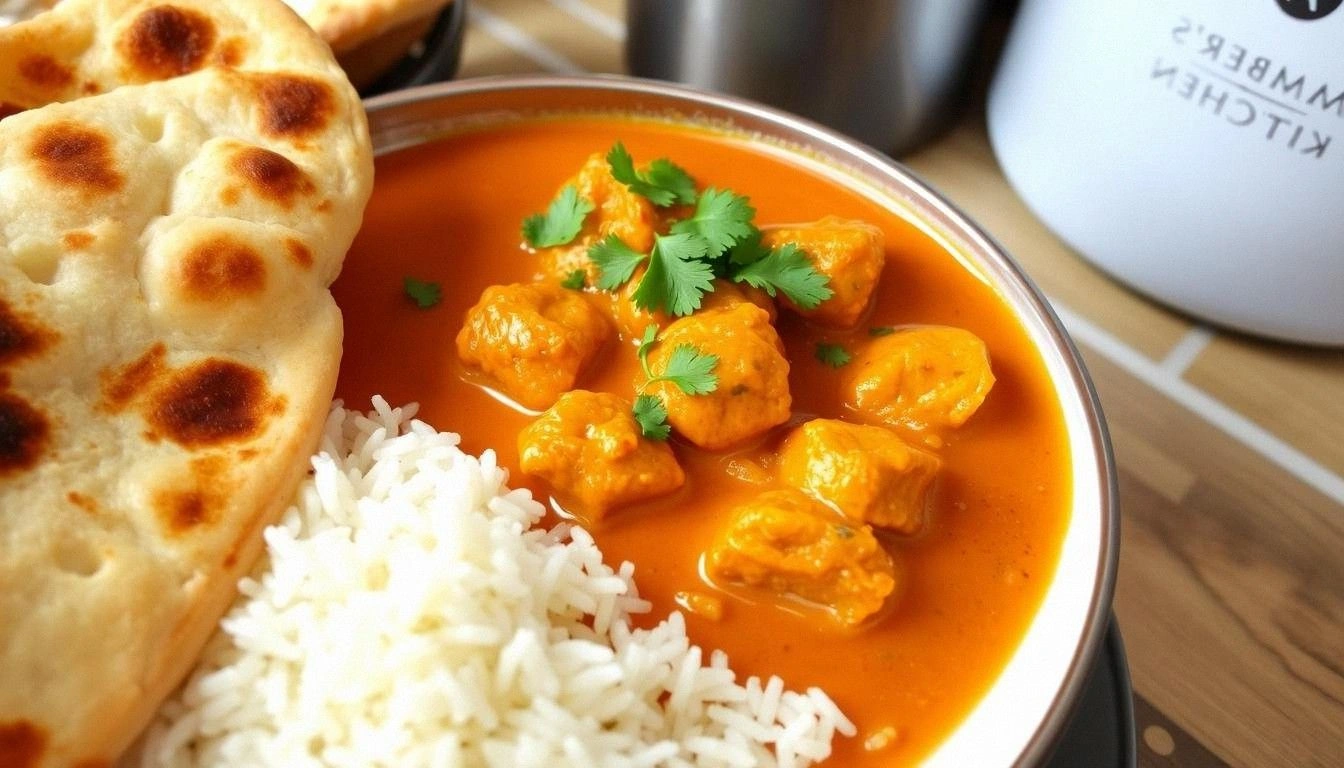
- For an extra layer of flavor, sprinkle a few fresh cilantro leaves over the top just before serving. The bright green leaves add a fresh contrast to the warm, spicy sauce. If you’re serving with rice, let the cilantro mingle with the grains for a burst of color.
- If you’re planning ahead, let the dish cool completely before covering and refrigerating. When reheating, gently warm on low heat, adding a splash of water or milk to keep the sauce silky. This ensures the chicken stays juicy and the sauce remains luscious.
- Serve hot, accompanied by steamed basmati rice, naan, or a crisp cucumber salad. The contrast of textures will elevate the dining experience. Plate it beautifully, and watch your guests’ eyes widen as they take their first bite.
That's it — you did it. But hold on, I've got a few more tricks that'll take this to another level...
Insider Tricks for Flawless Results
The Temperature Rule Nobody Follows
Many cooks heat the skillet to high and then add the yogurt marinated chicken, causing the yogurt to curdle. I always start with medium heat, letting the oil warm until it shimmers but doesn't smoke. This gentle approach preserves the yogurt’s creamy texture and ensures the chicken stays juicy.
Why Your Nose Knows Best
Before you add the tomato passata, give the skillet a sniff. A faint, sweet aroma indicates the onions are perfectly caramelized. If the smell is sharp or bitter, give the onions another minute to soften. Your nose is a reliable quality control sensor.
The 5‑Minute Rest That Changes Everything
After cooking, let the dish rest for five minutes before serving. This allows the juices to redistribute throughout the chicken, making each bite succulent. Skipping this step often leaves the chicken feeling dry and less flavorful.
Keep the Heat Low When Adding Cream
If you add the cream at a high temperature, the sauce will separate. Keep the heat at a gentle simmer, whisking constantly. This technique ensures a smooth, glossy sauce that clings to every piece of chicken.
Fresh Ginger vs. Ground Ginger
Fresh ginger offers a bright, sharp flavor that ground ginger can’t match. If you’re in a hurry, use ground ginger, but the dish will feel a bit muted. For the best experience, grate fresh ginger to release its essential oils.
Use a Silicone Spatula for the Final Stir
A silicone spatula is heat‑resistant and flexible, making it easier to scrape every last bit of sauce from the pan. This ensures no flavor is wasted and the sauce remains silky.
Creative Twists and Variations
This recipe is a playground. Here are some of my favorite ways to switch things up:
Spicy Sriracha Kick
Add a tablespoon of Sriracha to the sauce during the simmering stage for a fiery, tangy twist that pairs well with the creamy base. The heat level can be adjusted to taste.
Vegetarian Delight
Swap the chicken for paneer cubes or tofu. Marinate the protein in the same yogurt and spice blend, then follow the same cooking steps for a plant‑based version that still delivers all the flavor.
Smoky Chipotle Edition
Replace the Kashmiri chili powder with chipotle powder and add a teaspoon of smoked paprika. The smoky flavor complements the creamy sauce and gives the dish a southwestern flair.
Herb‑Infused Variation
Add a handful of fresh mint or basil during the final stir. The herbaceous notes brighten the dish and add a refreshing contrast to the warm spices.
Low‑Carb Twist
Omit the tomato passata and use a homemade tomato sauce made from fresh tomatoes. Serve the tikka masala over cauliflower rice for a low‑carb, high‑protein meal.
Breakfast Tikka
Serve the tikka masala over scrambled eggs and toast for a spicy, protein‑rich breakfast. The creamy sauce pairs wonderfully with the eggs’ richness.
Storing and Bringing It Back to Life
Fridge Storage
Cool the dish completely before transferring it to an airtight container. Store in the refrigerator for up to 3 days. The sauce will thicken slightly, so add a splash of milk or water when reheating to restore its silky texture.
Freezer Friendly
For longer storage, portion the dish into freezer‑safe containers and freeze for up to 2 months. Thaw overnight in the refrigerator before reheating. The flavor remains robust, and the creaminess stays intact.
Best Reheating Method
Reheat gently on low heat, stirring frequently. Add a teaspoon of water or milk to keep the sauce from drying out. Heat until the dish is steaming hot, but avoid a vigorous boil that can separate the cream.