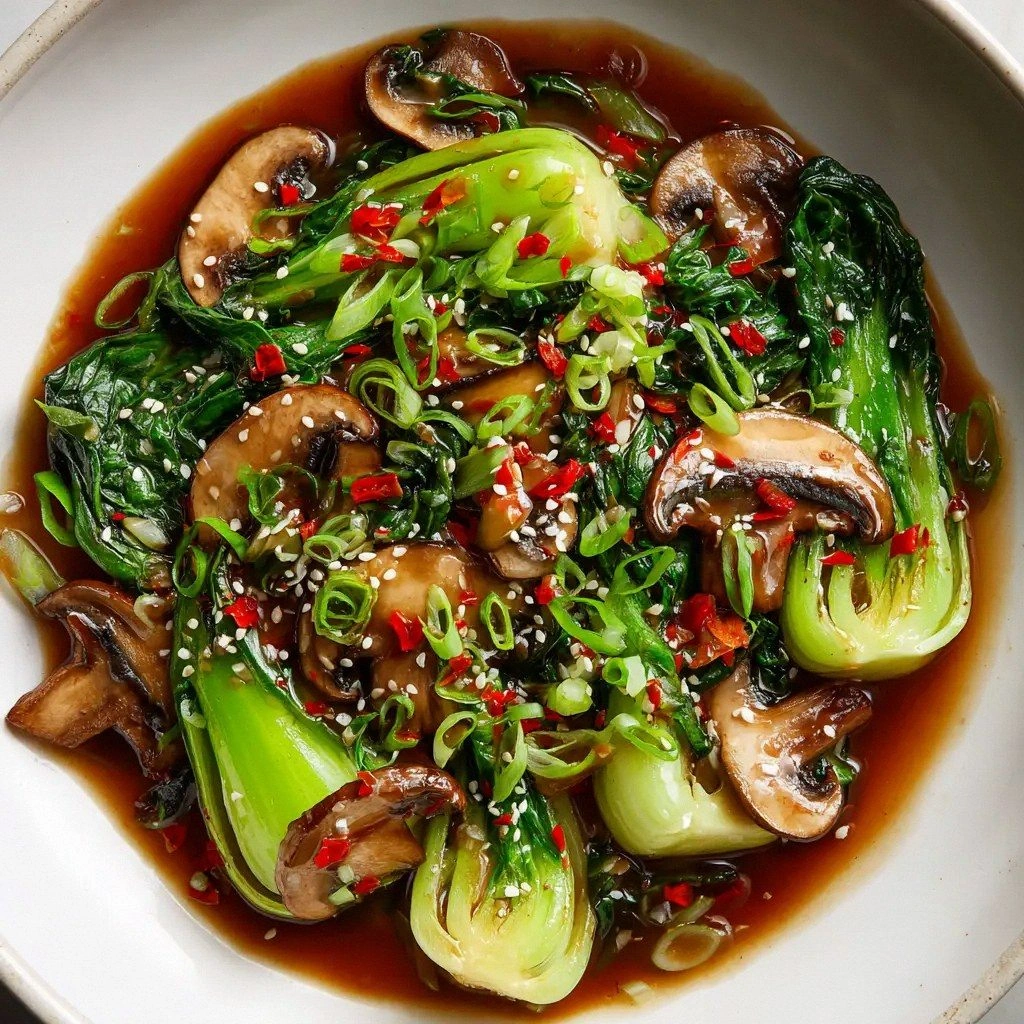
I was in the middle of a midnight snack raid when the kitchen lights flickered, the stove was on, and my phone buzzed with a frantic text: “You have to try this chickpea thing, it’s a game changer.” I stared at the empty fridge, a can of diced tomatoes, a jar of oregano, and a bag of dried chickpeas that had been gathering dust for months. I thought, “Why not?” The result? A dish that turned a kitchen disaster into a triumphant flavor explosion that made my taste buds do the cha-cha. If you’ve ever wondered how to turn a simple pantry staple into a crowd‑pleaser that feels like a gourmet meal, this is the answer.
Picture this: a slow cooker humming like a contented cat, the scent of garlic and onions mingling with the earthy aroma of chickpeas, the tomato base thickening into a glossy sauce that coats your spoon like velvet. The sound is a gentle, rhythmic bubbling, the kind that tells you you’re in the right place. I can almost hear the sizzle that would have happened if I’d sautéed the onions first, but the slow cooker takes care of it, letting the flavors marry over hours. It’s a sensory symphony: the warm, comforting heat, the savory umami, the subtle heat of smoked paprika, and the bright lift from fresh parsley. The result is a dish that feels both humble and indulgent, a paradox that I love to share.
What makes this version stand out? First, the use of smoked paprika gives it a smoky depth that most chickpea recipes lack. Second, the slow‑cooking method allows the chickpeas to soften to a creamy texture while still holding their shape, giving you that perfect bite. Third, the inclusion of bay leaves and crushed red pepper flakes creates layers of flavor that unfold slowly, so each spoonful is a revelation. Fourth, the recipe is completely make‑ahead friendly; you can prep it on a Sunday and reheat it on a busy weekday for a stress‑free dinner. I dare you to taste this and not go back for seconds. Trust me, once you’ve had a taste, you’ll wonder why you ever settled for bland chickpeas.
I’ll be honest—when I first made it, I ate half the batch before anyone else got to try it. The dish was so good that I couldn't keep it to myself. Most recipes get this completely wrong by overcooking the chickpeas or under seasoning the sauce. Here’s what actually works: keep the chickpeas tender, season in layers, and let the slow cooker do the heavy lifting. Picture yourself pulling this out of the oven—well, the slow cooker—into a steaming pot that smells incredible, the whole kitchen filling with the scent of roasted garlic and oregano. That’s the moment you’ll want to share with friends, and they’ll thank you for the secret.
Okay, ready for the game‑changer? Let me walk you through every single step—by the end, you’ll wonder how you ever made it any other way.
What Makes This Version Stand Out
- Flavor Depth: The combination of smoked paprika, oregano, thyme, and bay leaves creates a layered, smoky, herby profile that sets this dish apart from the standard chickpea stew.
- Texture Balance: Slow cooking softens the chickpeas to a creamy interior while preserving a slight bite, giving you the best of both worlds.
- Ease of Prep: No pre‑soaking required—just add dried chickpeas, liquid, and spices, and let the slow cooker work its magic.
- Make‑Ahead Friendly: Prepare the pot on Sunday, refrigerate, and reheat on a busy night. It’s a win‑win for busy lives.
- Kid‑Approved: The mild heat from red pepper flakes can be dialed down, making it a safe choice for picky eaters.
- Versatile Serving Options: Serve it as a hearty stew, over rice, or as a filling for pita pockets—your imagination is the limit.
- Nutrition Boost: Packed with plant protein, fiber, and heart‑healthy olive oil, it’s a balanced meal that satisfies.
- Cost‑Effective: Using pantry staples keeps the cost low while delivering high flavor.
Alright, let's break down exactly what goes into this masterpiece...
Inside the Ingredient List
The Flavor Base
The foundation of this stew is the tomato and broth blend. The canned diced tomatoes bring a sweet acidity that balances the earthy chickpeas, while the vegetable broth provides a savory backbone that lets the herbs shine. If you skip the broth, the dish becomes too thick and loses that silky, brothy feel. For a richer taste, swap the vegetable broth with low‑sodium chicken broth, but keep the overall liquid volume the same.
The Texture Crew
Dried chickpeas are the star of the show. They absorb the liquid and spices, becoming tender and slightly creamy while retaining a firm bite. If you prefer a quicker cook, you can use canned chickpeas, but the flavor depth will be less because canned chickpeas have been processed with added sodium and preservatives. For a budget‑friendly option, buy chickpeas in bulk and freeze the cooked portion for future meals.
The Unexpected Star
Smoked paprika is the secret weapon that turns this dish from ordinary to unforgettable. It adds a subtle, sweet smokiness that mimics a slow‑roasted pepper. If you’re not a fan of smoked paprika, a pinch of regular paprika plus a dash of liquid smoke works as a stand‑in. The crushed red pepper flakes add a gentle heat that lingers on the palate, but you can reduce the amount or omit them entirely for a milder version.
The Final Flourish
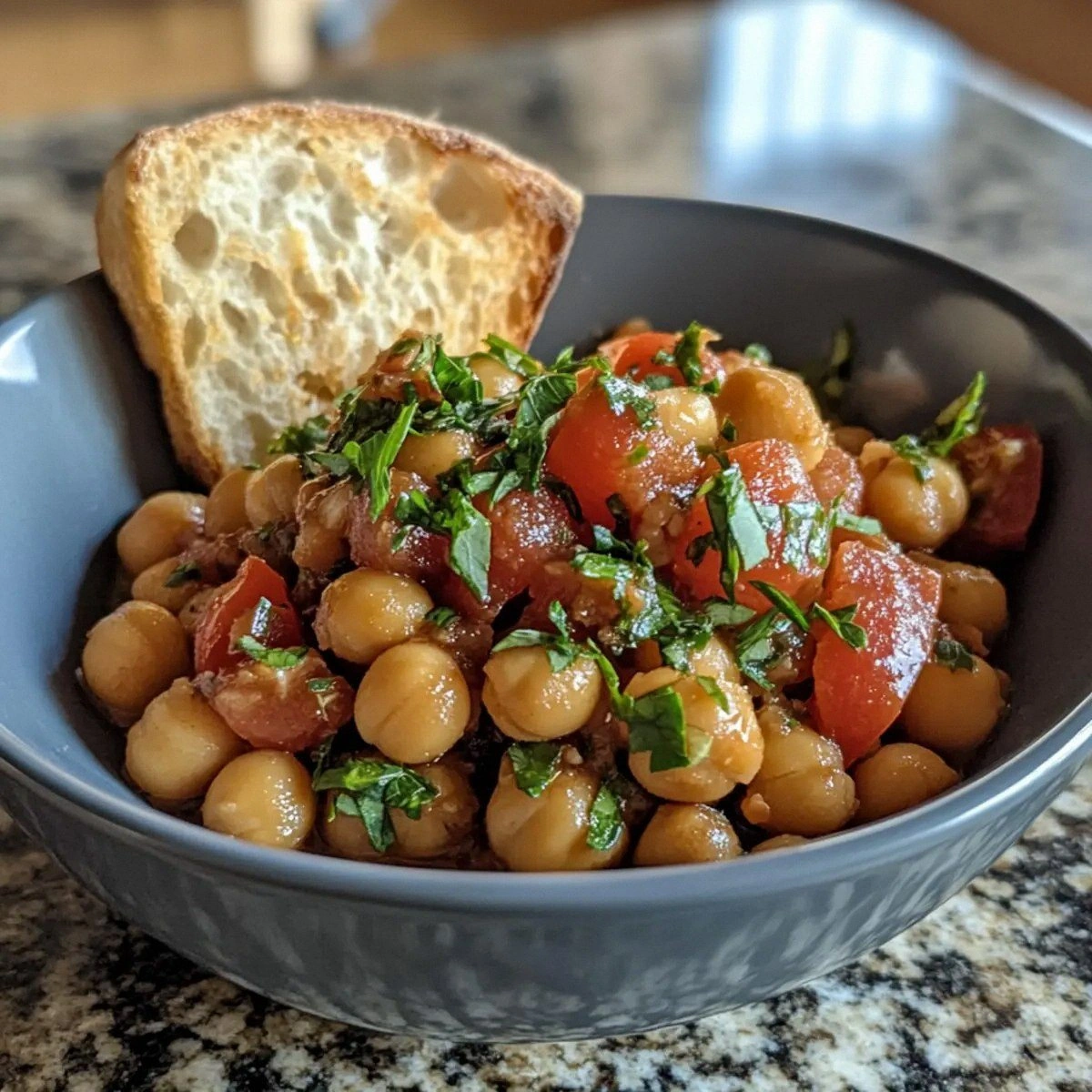
Fresh parsley and a drizzle of extra‑virgin olive oil finish the dish with brightness and a silky texture. Parsley adds a herbal lift and a pop of color that makes the stew look as good as it tastes. If you’re out of parsley, chopped cilantro or basil will give a different but equally delightful twist. The olive oil is not just for flavor; it coats the chickpeas, helping them stay moist and adding healthy fats.
Everything's prepped? Good. Let's get into the real action...
The Method — Step by Step
- Step 1: Prep the Base. Start by dicing the onion into small cubes and mincing the garlic cloves. Heat the extra‑virgin olive oil in a skillet over medium heat, then sauté the onion until translucent, about 5 minutes. Add the garlic and cook for an additional minute until fragrant. This step builds a savory foundation that will permeate the slow cooker.
- Step 2: Transfer to the Slow Cooker. Pour the sautéed onion and garlic into the slow cooker. Sprinkle in the dried oregano, thyme, smoked paprika, crushed red pepper flakes, and bay leaves. Stir to coat the aromatics evenly. The slow cooker will slowly release these flavors, creating a rich base.
- Step 3: Add the Chickpeas. Rinse the dried chickpeas under cold water and add them to the pot. If you’re using the quick‑soak method, add them now so they can soak in the liquid as it cooks. This ensures the chickpeas will soften without overcooking the rest of the dish.
- Step 4: Pour in Liquids. Add the canned diced tomatoes, including the juice, and pour in the vegetable broth. Stir everything together so the chickpeas are fully submerged. The liquid ratio is key—too much broth will make it watery; too little will dry it out. Aim for a consistency that’s thick but still pourable.
- Step 5: Season. Add salt and black pepper to taste. Remember, the slow cooker will mellow the seasoning over time, so start with a light hand and adjust after the cooking cycle. This step is crucial for a balanced flavor profile.
- Step 6: Cook. Cover the slow cooker and set it to low for 6–8 hours, or high for 3–4 hours. The chickpeas should be tender, and the sauce thickened. Check the texture after 4 hours; if you prefer a thicker stew, let it cook a bit longer. This is the moment of truth—watch the color change as the tomatoes darken and the spices bloom.
- Step 7: Finish with Freshness. Once the cooking cycle is complete, remove the bay leaves. Stir in the chopped fresh parsley for a burst of color and brightness. The parsley adds a fresh, herbal note that cuts through the richness of the sauce.
- Step 8: Serve. Ladle the stew into bowls, drizzle a little extra olive oil on top if desired, and serve hot. Pair it with crusty bread, rice, or a simple green salad. The dish is so versatile that you can tweak the serving style to fit any meal plan.
That's it — you did it. But hold on, I've got a few more tricks that'll take this to another level. Let’s dive into insider techniques that will elevate your dish to legendary status.
Insider Tricks for Flawless Results
The Temperature Rule Nobody Follows
Most people set their slow cooker to high, thinking it will speed things up. The truth is, low heat allows the chickpeas to absorb flavors slowly, resulting in a more cohesive taste. If you must use high, keep it for no longer than 3–4 hours; otherwise, the texture will become mushy.
Why Your Nose Knows Best
Before you add the final pinch of salt, take a quick sniff of the simmering pot. A subtle, sweet aroma indicates that the tomatoes have caramelized enough, while a sharp, metallic scent may mean you need to let it cook longer. Your nose is a reliable guide to the dish’s readiness.
The 5-Minute Rest That Changes Everything
After you turn off the slow cooker, let the stew sit for 5 minutes. This resting period allows the flavors to settle and the chickpeas to finish absorbing the liquid. It also helps the sauce thicken slightly, giving it a more luxurious mouthfeel.
The Quick‑Sear Finish
If you want a slightly caramelized exterior on the chickpeas, give them a quick sear in a hot skillet for 1–2 minutes before adding them to the slow cooker. This step adds a subtle crunch and a depth of flavor that the slow cooker alone can’t achieve.
The Liquid Balance Trick
If you prefer a thicker stew, reduce the vegetable broth by 1/2 cup before cooking. Conversely, if you like a more soupy consistency, add an extra cup of broth or water. This simple adjustment lets you control the final texture to match your mood.
Creative Twists and Variations
This recipe is a playground. Here are some of my favorite ways to switch things up:
Mediterranean Couscous Bowl
Serve the stew over fluffy couscous, topped with a dollop of Greek yogurt and a sprinkle of feta cheese. The tangy yogurt cuts through the richness, while the feta adds a salty crunch.
Spicy Roasted Cauliflower Mash
Swap the chickpeas for roasted cauliflower florets. The cauliflower absorbs the tomato sauce, creating a low‑carb alternative that still delivers on flavor.
Pita Pocket Filling
Warm flatbread or pita pockets, spoon in the stew, and top with sliced avocado and a squeeze of lemon. The citrus brightens the dish and the avocado adds a creamy texture.
Vegan Cheesy Crust
Transfer the stew to a baking dish, sprinkle shredded vegan cheese on top, and bake until bubbly. The cheese creates a golden crust that’s impossible to resist.
Breakfast Boost
Serve the stew over a bed of sautéed spinach and a fried egg for a protein‑packed breakfast. The eggs add richness while the spinach keeps the meal light.
Herb‑Infused Rice Pilaf
Cook the stew over a bed of herbed rice pilaf. The rice absorbs the tomato‑chickpea broth, turning every grain into a flavor bomb.
Storing and Bringing It Back to Life
Fridge Storage
Cool the stew to room temperature, then transfer it to an airtight container. Store in the fridge for up to 4 days. The flavors deepen overnight, making it even more delicious.
Freezer Friendly
For longer storage, portion the stew into freezer‑safe containers and freeze for up to 3 months. Thaw overnight in the fridge before reheating.
Best Reheating Method
Reheat the stew on low heat, adding a splash of water or broth to keep it from drying out. A quick stir and a few minutes of simmering will bring it back to its silky glory. Add a tiny splash of water before reheating — it steams back to perfection.