Picture this: you’re staring at a half‑empty fridge, the scent of stale bread drifting from the back, and your stomach is doing a little tap dance. I was in that exact kitchen nightmare, clutching a bag of bread that had been on the shelf for two weeks, when a friend dared me to turn that humble loaf into a show‑stopping breakfast. I grabbed my trusty skillet, a splash of butter, and a secret weapon—cream cheese—and the kitchen erupted into a fragrant, golden symphony. The result? A French Toast Casserole that feels like a warm hug, with a caramelized crust that crackles like autumn leaves and a custard inside that melts in your mouth like butter on a hot skillet.
I’ll be honest—my first batch was a glorious disaster, and I ate half the casserole before anyone else could even taste a crumb. But that failure was the catalyst that turned a simple recipe into a culinary masterpiece. I tweaked the ratios, added a whisper of cinnamon, and introduced a creamy layer of cream cheese that turned the whole dish into a velvety, custard‑laden loaf. The result is a dish that’s not only indulgent but also practical, because it can be assembled the night before and baked in the morning for a fuss‑free breakfast.
What makes this version stand out from the countless French toast recipes you’ll find online is the deliberate layering of flavors and textures. The bread cubes soak in a luscious, maple‑cinnamon custard that is both sweet and savory, while the melted butter creates a glossy, caramelized surface that locks in moisture. The cream cheese acts like a silky binder, preventing the casserole from drying out and adding a subtle tang that balances the sweetness. If you’ve ever struggled with soggy French toast, you’re not alone—and I’ve got the fix.
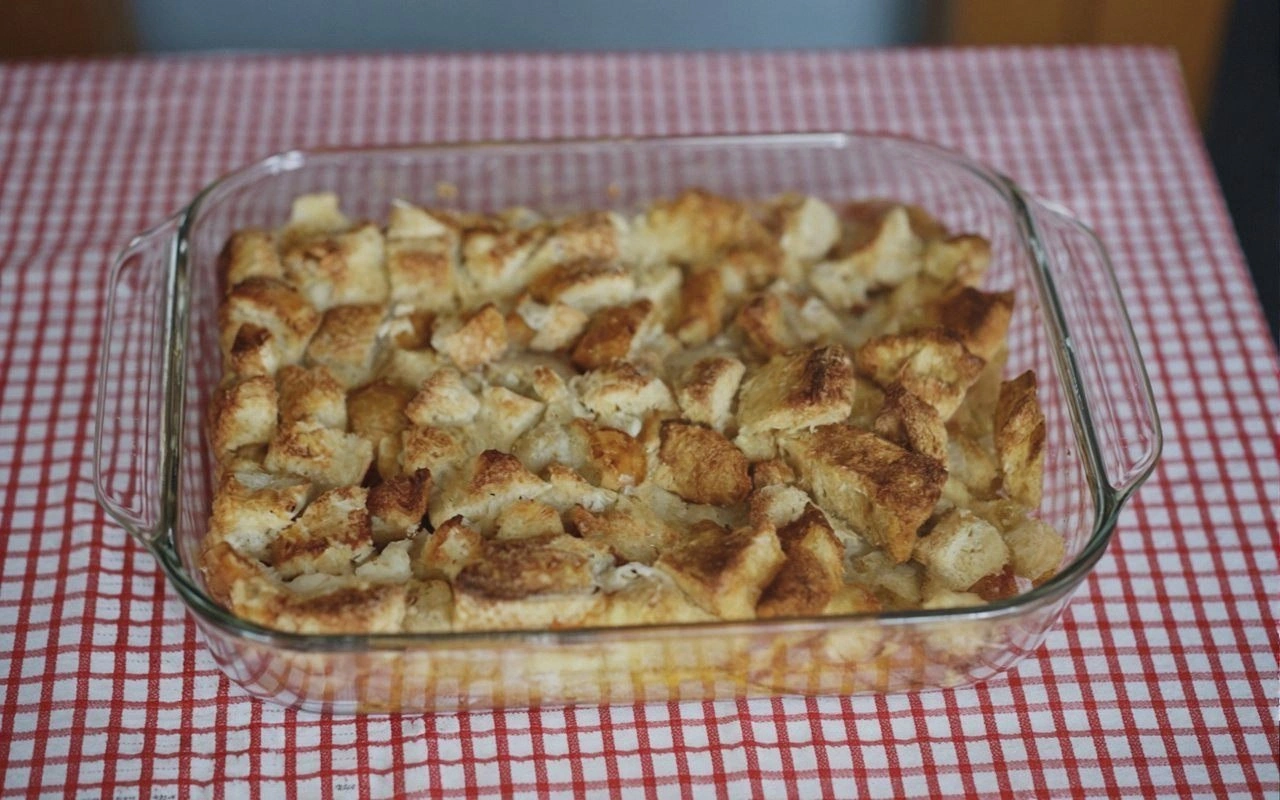
I dare you to taste this and not go back for seconds. Picture yourself pulling this out of the oven, the whole kitchen smelling incredible, and a golden crust that shatters like thin ice when you slice through it. The first bite delivers a sweet, buttery crunch followed by a custard‑rich center that oozes with maple and cinnamon. This is hands down the best version you’ll ever make at home, and I promise you’ll be tempted to keep the entire casserole in your pantry for future breakfasts.
What Makes This Version Stand Out
- Flavor Depth: The combination of maple syrup, cinnamon, and cream cheese creates a layered taste profile that feels both comforting and luxurious. The maple syrup provides natural sweetness, the cinnamon adds warmth, and the cream cheese introduces a silky tang that cuts through the richness.
- Texture Contrast: The casserole boasts a golden, caramelized crust that crackles when you bite, while the interior remains moist and custard‑like. This duality makes each bite a sensory adventure, from the crisp exterior to the tender, melt‑in‑your‑mouth center.
- Make‑Ahead Friendly: Assemble the casserole the night before and simply pop it in the oven in the morning. This feature is perfect for busy families or for those who like to savor a leisurely breakfast without the rush.
- Ingredient Quality: Using high‑quality bread—preferably French or sourdough—ensures that the loaf holds its structure and absorbs the custard evenly. The cream cheese adds richness, while the maple syrup provides natural sweetness that complements the bread.
- Visual Appeal: The golden crust and glossy surface look as good as they taste. A drizzle of maple syrup on top gives the dish a professional, restaurant‑style finish.
- Crowd‑Pleaser: Whether you’re hosting a brunch or feeding a family, this casserole is a guaranteed hit. The familiar flavors of French toast combined with a decadent twist make it suitable for all ages.
- Versatility: The base recipe can be easily customized with add‑ins like berries, nuts, or even a splash of bourbon for an adult twist. This adaptability keeps the dish fresh and exciting for repeat servings.
Inside the Ingredient List
The Bread Base
The backbone of any French toast is the bread. I choose French or sourdough because their denser crumb holds up well when soaked in custard. A loaf that’s a bit stale actually works best because it absorbs more liquid without falling apart. If you’re using fresh bread, cut it into slightly larger cubes to prevent it from becoming too mushy.
The Creamy Core
Cream cheese is the secret sauce that binds the casserole together. It melts into the custard, adding a silky richness that plain eggs and milk can’t match. The 4 oz of cream cheese is enough to coat each cube, but you can increase it if you want an even richer result. Skipping it will leave the casserole dry and less cohesive.
The Sweet & Spicy Layer
Maple syrup and cinnamon create a classic sweet‑spicy combination. The 1/4 cup of pure maple syrup adds natural sweetness and a subtle caramel flavor. The 1 tsp of ground cinnamon brings warmth and depth. Together, they form a custard that’s fragrant and comforting.
The Final Flourish
The 2 1/2 cups of milk, 8 eggs, and 1/4 cup of sugar form the custard base. The eggs provide structure, the milk adds creaminess, and the sugar sweetens the batter. The 4 tbsp of melted butter on top caramelizes during baking, giving the casserole a glossy, golden finish. A final drizzle of maple syrup after baking adds a sweet glaze that ties everything together.
Everything’s prepped? Good. Let’s get into the real action.
The Method — Step by Step
- Preheat your oven to 350°F (175°C). Grease a 9x13 inch baking dish with butter or non‑stick spray so the casserole doesn’t stick. This step sets the stage for even browning.
- In a large bowl, combine the diced bread cubes, 4 oz of cream cheese, 8 eggs, 1/4 cup of sugar, 1 tsp cinnamon, 1/4 cup maple syrup, 1 tsp vanilla extract, 2 1/2 cups of milk, and 4 tbsp melted butter. Stir until every cube is evenly coated. The mixture should look thick but pourable; if it’s too thick, add a splash of milk.
- Pour the custard mixture into the prepared baking dish, spreading it evenly. Tap the dish gently on the counter to release any air pockets. The batter should be level, creating a uniform crust.
- Cover the dish with foil and bake for 30 minutes. After 30 minutes, remove the foil to allow the top to brown. The casserole should develop a golden crust that’s slightly crisp.
- If you like a crispier top, place the casserole under the broiler for 2-3 minutes, watching closely to avoid burning. The broiler will caramelize the maple glaze and give the casserole a glossy finish.
- Let the casserole rest for 10 minutes after removing it from the oven. This resting period allows the custard to set, making it easier to cut clean slices.
- Serve warm, drizzled with additional maple syrup for that extra sweet kick. A sprinkle of fresh berries or a dusting of powdered sugar can add a fresh contrast.
- If you’re prepping the casserole the night before, cover it tightly with plastic wrap and refrigerate. When ready to bake, let it sit at room temperature for 15-20 minutes before baking to ensure even cooking.
That’s it— you did it. But hold on, I’ve got a few more tricks that will elevate this casserole to another level. These insider secrets will help you achieve a flawless, restaurant‑quality result every time.
Insider Tricks for Flawless Results
The Temperature Rule Nobody Follows
Many people bake at the highest temperature they can, but the secret to a tender interior is baking at a moderate 350°F. This allows the custard to set slowly without overcooking the edges. I’ve found that a steady temperature keeps the casserole from drying out and preserves the creamy texture.
Why Your Nose Knows Best
The aroma of caramelized maple and toasted bread is a reliable indicator that the top is perfectly golden. When the scent hits your nose, it’s a sign that the butter has browned and the sugars have caramelized. Trust your olfactory senses—they’re usually right.
The 5‑Minute Rest That Changes Everything
After baking, let the casserole sit for at least five minutes before cutting. This rest period allows the custard to firm up, preventing it from sliding off the knife. A quick test: if the slice holds its shape without spilling, you’re ready to serve.
Add a Splash of Water to Reheat
When reheating leftovers, sprinkle a few teaspoons of water over the casserole before microwaving. This creates steam that rehydrates the bread cubes, restoring that fresh‑baked texture. It’s a simple trick that saves the day when you’re short on time.
The Butter Buttered Butter Trick
Before baking, brush the top of the casserole with a thin layer of melted butter. This extra butter layer ensures a glossy, caramelized surface and adds a buttery depth that’s hard to resist. It’s a small step that makes a big difference.
Creative Twists and Variations
This recipe is a playground. Here are some of my favorite ways to switch things up:
Berry Burst
Add a cup of fresh strawberries or blueberries to the batter before baking. The berries release juice that infuses the custard with a subtle fruity note, making it a perfect summer brunch.
Nutty Crunch
Stir in half a cup of chopped pecans or walnuts. The nuts add a satisfying crunch and a nutty flavor that pairs beautifully with the maple glaze.
Spiced Pumpkin
For an autumn twist, replace 1 cup of milk with pumpkin puree and add 1/2 tsp pumpkin pie spice. This version feels like a warm, comforting fall treat.
Chocolate Drizzle
After baking, drizzle melted dark chocolate over the top. The bittersweet chocolate contrasts with the sweet custard, creating a decadent dessert‑like breakfast.
Bourbon Infusion
Add a splash of bourbon to the custard mixture for an adult version. The warm, caramel notes of the bourbon elevate the maple and cinnamon flavors, making it a sophisticated brunch option.
Storing and Bringing It Back to Life
Fridge Storage
Cool the casserole completely, then cover tightly with plastic wrap or foil. Store in the refrigerator for up to 3 days. When ready to serve, reheat in the oven at 350°F for 15 minutes or until warmed through.
Freezer Friendly
Wrap the cooled casserole in heavy‑dutiful freezer paper and place it in an airtight container. Freeze for up to 2 months. Thaw overnight in the refrigerator before reheating as described above.
Best Reheating Method
The oven is the best way to preserve texture. If you’re short on time, microwave on medium power for 2–3 minutes, then finish under the broiler for 1 minute to crisp the top. Add a splash of water before microwaving to keep the bread from drying out.