I was halfway through a midnight ramen binge, the kitchen smelling like a mix of soy sauce and burnt noodles, when my phone buzzed with a friend’s text: “Dude, you’ve gotta try this gochujang tuna thing.” I stared at the screen, skeptical. Then I remembered the last time I’d tossed a tuna salad in a rush and it tasted like a bland, soggy salad. That was the moment I decided to turn that blandness into a fiery, creamy masterpiece.
Picture this: a bowl of bright green cucumber and carrot ribbons, a sprinkle of sweet corn, and a generous handful of scallions that whisper a subtle oniony note. The gochujang paste, with its deep crimson hue, sits ready to coat everything like velvet. A splash of rice vinegar cuts the richness, while sesame oil adds that nutty finish. The aroma that rises is a heady blend of spice and citrus, making your mouth water before you even taste it.
What makes this version a game changer is that it isn’t just another tuna salad. It’s a sensory rollercoaster: the heat of the gochujang, the cool crunch of fresh veggies, the creamy embrace of mayo, and the bright zing of lime. The texture is a delightful contrast—soft tuna, crisp cucumber, and a whisper of toasted sesame seeds that crackle with each bite. I dare you to taste this and not go back for seconds.
By the end of this post, you’ll wonder how you ever made tuna salad any other way. I’ll walk you through every single step, from the first stir to the final garnish, and show you why this is hands down the best version you'll ever make at home. Let’s dive in and turn your kitchen into a flavor laboratory.
What Makes This Version Stand Out
- Heat: The gochujang provides a complex heat that’s not just spicy but also sweet and umami. It layers flavors that evolve with each bite, keeping the palate engaged. Most tuna salads are flat, but this one is a fireworks show.
- Texture: Crisp cucumber, tender carrot, and crunchy corn give a satisfying bite. The mayo coats the ingredients, creating a silky mouthfeel that contrasts with the crunchy vegetables. The result is a salad that feels both light and indulgent.
- Umami: Soy sauce and sesame oil deepen the flavor profile, turning simple tuna into a savory, satisfying dish. The umami anchors the heat, ensuring the dish is balanced and not overwhelming.
- Freshness: The use of fresh scallions and lime juice adds a bright, citrusy lift that cuts through the richness. It’s a perfect counterpoint to the creamy base, giving the salad a lively character.
- Versatility: This salad can be served as a light lunch, a side for Korean barbecue, or an appetizer for a party. The flavor profile adapts well to different occasions, making it a staple in any kitchen.
- Make‑Ahead Potential: The flavors meld beautifully when you let it sit for 30 minutes or more, making it perfect for meal prep or entertaining. It stays fresh and delicious even after a few hours.
- Visual Appeal: The vibrant colors of cucumber, carrot, corn, and the deep red of gochujang make the dish Instagram-worthy. It’s a feast for the eyes before the first bite.
- Ingredient Quality: Using high‑quality tuna and fresh produce elevates the entire dish. It’s a reminder that simple ingredients can become extraordinary with the right technique.
Inside the Ingredient List
The Flavor Base
The heart of this salad is the gochujang paste, a Korean fermented chili paste that offers sweetness, heat, and depth. It’s the star that turns a simple tuna mix into a bold, complex dish. Without it, the salad would feel like a bland, generic lunch. If you skip gochujang, the dish loses its signature kick and becomes a dull mayo‑tuna mix.
The Texture Crew
Cucumber, carrot, and corn form the crunchy backbone. Cucumber keeps the salad light and hydrating, while the grated carrot adds a subtle sweetness. Corn contributes a sweet, sweet pop that pairs beautifully with the spicy sauce. If you omit any of these, the texture becomes flat, and the dish feels less exciting.
The Unexpected Star
Scallions and lime juice are the unsung heroes that brighten the dish. The scallions bring a mild onion flavor that balances the heat, and the lime juice adds a citrusy zing that cuts through the richness. A pinch of toasted sesame seeds adds a nutty aroma that lingers on the palate. Without these accents, the salad would lack its bright, refreshing counterpoint.
The Final Flourish
Mayonnaise acts as the binder, giving the salad its creamy texture. Soy sauce and sesame oil add depth and umami. A dash of rice vinegar gives acidity, while a splash of water can help loosen the sauce if it’s too thick. These finishing touches create a harmonious blend that showcases every component. If you skip mayo, the salad will feel dry and uncohesive.
Everything's prepped? Good. Let's get into the real action and watch the flavors come alive.
The Method — Step by Step
- Prepare the Tuna: Drain two cans of tuna thoroughly, breaking it into bite‑sized flakes. Pat the tuna dry with paper towels; excess moisture will dilute the sauce. Toss the tuna in a bowl and set aside. I always keep the tuna separate until the last step to preserve its texture.
- Whisk the Sauce: In a small bowl, combine 2 tablespoons of gochujang, 1/2 cup of mayonnaise, 1 tablespoon soy sauce, 1 tablespoon rice vinegar, 1 teaspoon sesame oil, 1 minced garlic clove, and 1 teaspoon grated ginger. Whisk until a smooth, glossy sauce forms. The sauce should be thick enough to coat the tuna but not runny. If it’s too thick, add a splash of water to reach the right consistency.
- Add the Veggies: Fold in 1 cup diced cucumber, 1/2 cup grated carrot, and 1/2 cup corn kernels. Gently stir so the veggies are evenly distributed. The crunch of the veggies should be audible when you bite. This step is where the texture magic begins.
- Season and Balance: Drizzle 1 teaspoon lime juice over the mixture, sprinkle with 2 scallions, and add a pinch of salt and pepper. Mix gently, ensuring the lime’s acidity brightens the dish. The lime should give a subtle citrus note that lifts the overall flavor. If you prefer a milder kick, reduce the gochujang slightly.
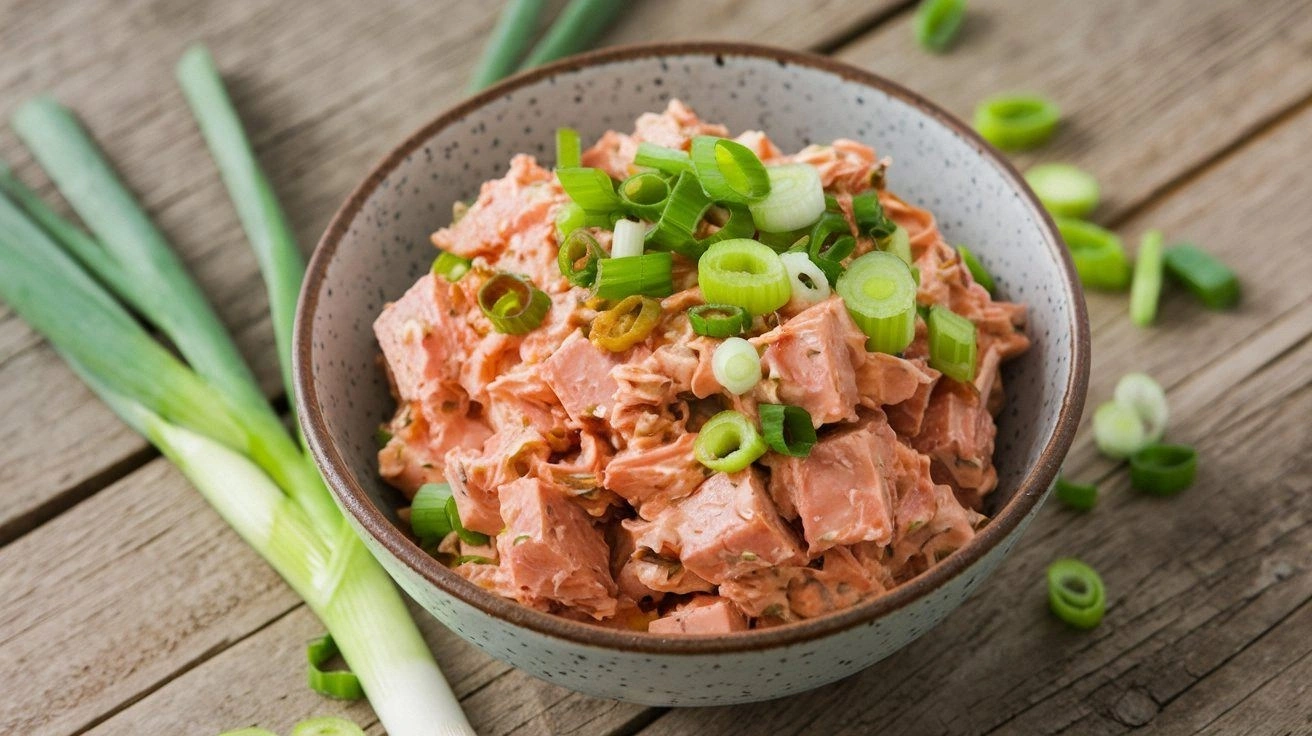
- Coat the Tuna: Pour the sauce over the tuna, then fold everything together until the tuna is fully coated. The sauce should cling to each ingredient, creating a cohesive bite. This is the moment of truth; the sauce should look glossy and vibrant.
- Finish with Sesame: Sprinkle 1 tablespoon toasted sesame seeds over the salad. Give it a final gentle toss. The sesame seeds add a nutty aroma that rounds out the dish. If you’re allergic or don’t have sesame, you can use sunflower seeds for a similar crunch.
- Chill and Rest: Cover the bowl with plastic wrap and refrigerate for at least 30 minutes. The flavors will meld, and the salad will become even more cohesive. If you’re in a rush, you can serve immediately, but the rest period is worth the wait.
- Serve and Garnish: Transfer the salad to a serving dish or individual bowls. Garnish with an extra sprinkle of scallions or a drizzle of sesame oil if desired. Present it on a chilled plate for the ultimate fresh feel. The presentation should be colorful and inviting.
That's it — you did it. But hold on, I've got a few more tricks that'll take this to another level.
Insider Tricks for Flawless Results
The Temperature Rule Nobody Follows
When mixing the sauce, let the mayo sit at room temperature for 10 minutes. Cold mayo thickens the sauce, making it harder to coat the tuna evenly. Warmer mayo blends smoothly, giving a silky finish. I’ve seen many people skip this step and end up with a lumpy sauce.
Why Your Nose Knows Best
Before you add the lime, take a sniff of the sauce. A citrusy aroma indicates that the lime will cut through the richness. If the sauce smells too oily, add a splash of rice vinegar. Your nose is a reliable guide to flavor balance.
The 5‑Minute Rest That Changes Everything
After folding the sauce, let the mixture sit for 5 minutes before adding the veggies. This short rest allows the tuna to absorb the flavors, creating a more cohesive bite. Skipping this step means the tuna remains dry and unseasoned.
Freshness Is Key
Use fresh cucumber and carrots for the best crunch. If you’re in a pinch, frozen shredded carrots can work, but they’ll release water and dilute the dish. I’ve had the salad become soggy when using pre‑shredded veggies.
Adjusting Heat Levels
If you’re not a fan of intense heat, start with 1 tablespoon of gochujang and add more to taste. The sauce will still be rich and flavorful. On the flip side, if you love heat, add a pinch of red pepper flakes for an extra kick.
Creative Twists and Variations
Asian‑Inspired Crunch
Add sliced radish and a handful of shredded napa cabbage for a sharper crunch. Toss in a splash of sriracha for an extra layer of heat. This variation feels like a sushi roll on a plate.
Southwestern Fusion
Replace the cucumber with diced bell peppers and add a spoonful of black beans. Drizzle a little chipotle mayo for smoky depth. It’s like a taco salad with a Korean twist.
Breakfast Kick‑Start
Serve the salad over a bed of sautéed spinach and top with a fried egg. The runny yolk adds richness, while the spinach keeps it light. It’s a protein‑packed breakfast that satisfies.
Gluten‑Free Fiesta
Use a gluten‑free soy sauce and serve the salad over quinoa instead of rice. The nutty quinoa pairs well with the sesame oil. This version is perfect for a gluten‑free gathering.
Vegan Delight
Swap tuna for chickpeas or edamame and use vegan mayo. Add a dash of nutritional yeast for umami. The result is a hearty, plant‑based dish that still delivers the gochujang punch.
Summer Picnic Edition
Pack the salad in a mason jar with the dressing at the bottom. Layer the veggies and tuna on top. When you’re ready to eat, shake the jar to coat everything. It’s portable, mess‑free, and perfect for a sunny day.
Storing and Bringing It Back to Life
Fridge Storage
Store the salad in an airtight container in the refrigerator for up to 2 days. Keep the dressing separate if you prefer to mix it just before eating. The salad stays fresh and flavorful, with the crunch intact.
Freezer Friendly
Freeze the salad without the dressing for up to 3 months. Thaw overnight in the fridge, then mix in the dressing. The texture may soften slightly, but the flavor remains strong.
Best Reheating Method
Reheat the salad in the microwave on low power for 30 seconds, then stir. Add a splash of water before reheating to keep the salad from drying out. The result is a fresh‑like salad with a slightly warmed sauce.