Picture this: you’re standing in a kitchen that smells like a burnt pizza, the stove flickering like a nervous firefly, and you’re staring at a bag of Italian sausage that’s been sitting on the counter since the previous night. I was in that exact moment, juggling a phone call, a deadline, and a craving that felt like a ticking time bomb. I grabbed the sausage, tossed it into a pan, and the first sizzling pop sent a wave of aromas—garlic, caramelized meat, and a faint hint of something sweet—racing up to my nose. That was the moment I realized I had stumbled upon a flavor explosion that needed to be captured and shared before it slipped away into the abyss of forgotten recipes.
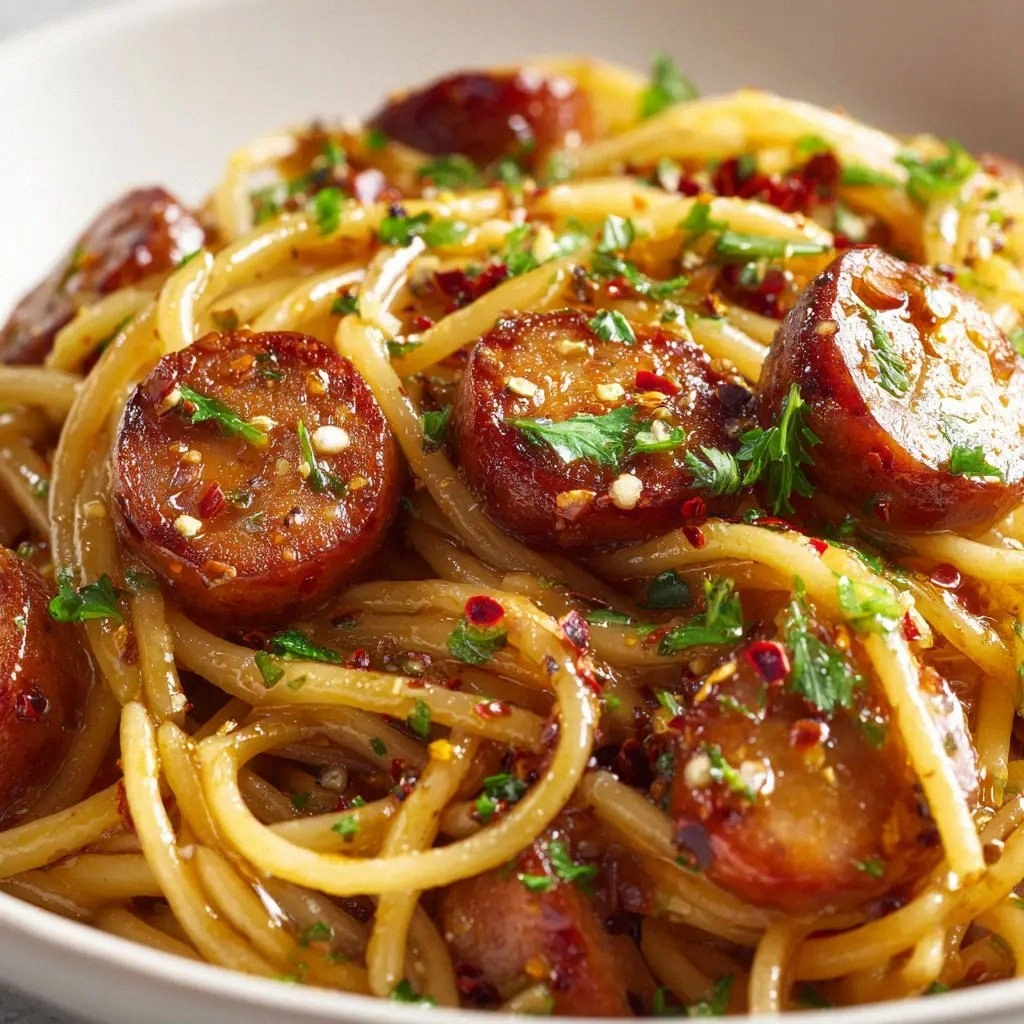
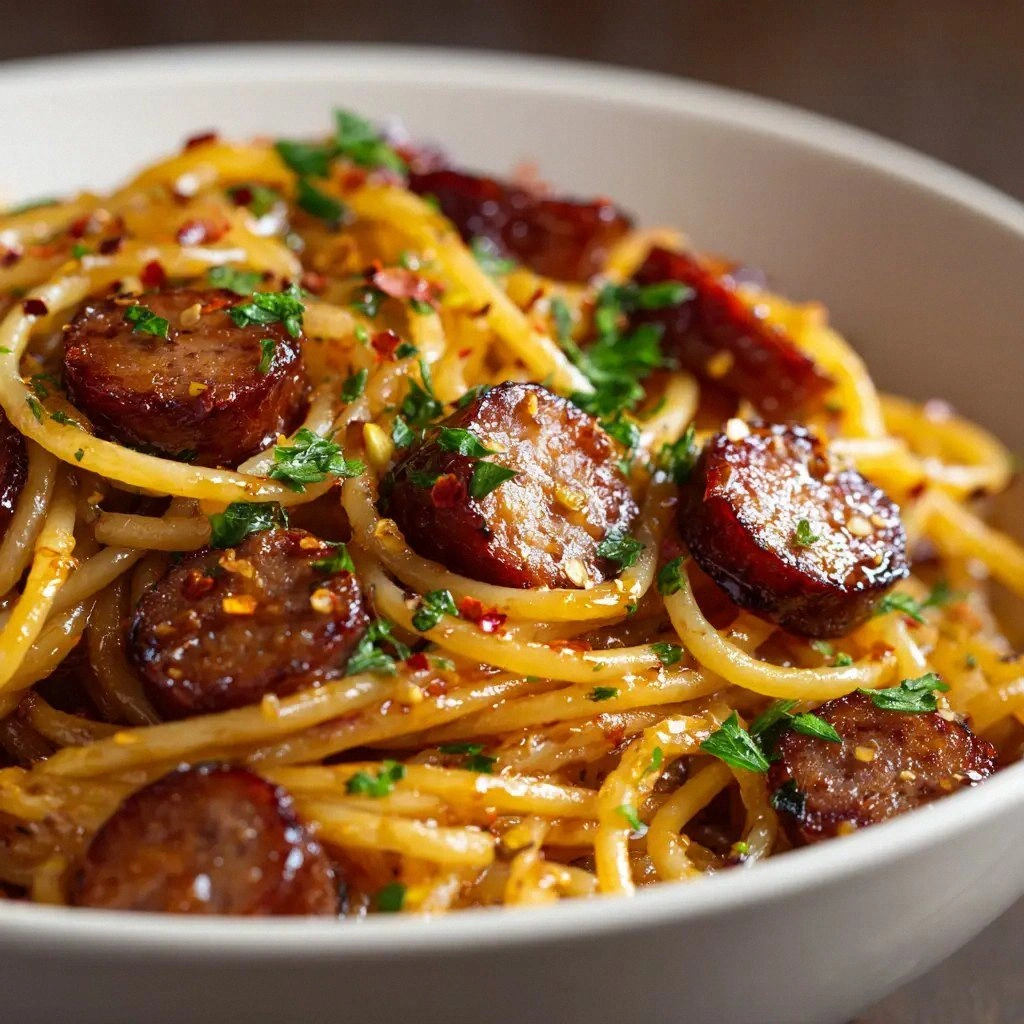
I’m talking about a dish that turns a mundane weeknight into a culinary fiesta. The sauce clings to every strand of pasta like velvet, the sausage delivers a punch of savory heat, and the honey and soy sauce create a glaze that sings with umami and subtle sweetness. Imagine the first bite: the sausage’s juicy center gives way to a burst of garlic, then the honey’s syrupy finish lingers, and the spinach’s earthy bite pulls everything together. It’s a symphony of textures—crispy edges that shatter like thin ice, tender pasta that’s never overcooked, and a sauce that’s thick enough to coat but light enough to dance.
What sets this version apart is that it’s a carefully balanced dance of ingredients and technique. I’ve tweaked the ratio of honey to soy to create a glaze that doesn’t overpower the sausage but instead amplifies it. I’ve chosen a pasta that holds sauce like a sponge—spaghetti or fettuccine works wonderfully—and I’ve added spinach at the last minute to preserve its bright green color and tender texture. The result? A dish that feels both indulgent and approachable, a meal that can be plated in 30 minutes and still feel like a gourmet dinner.
And there’s a secret twist that most recipes overlook: a splash of chicken broth that keeps the sauce silky and prevents it from drying out. I dare you to taste this and not go back for seconds. This is hands down the best version you’ll ever make at home, and I’m about to walk you through every single step so you can recreate this magic in your own kitchen. Let me guide you through the process—by the end, you’ll wonder how you ever made it any other way.
What Makes This Version Stand Out
- Taste: The balance of honey and soy sauce creates a glaze that’s sweet, salty, and umami-rich, turning ordinary sausage into a flavor powerhouse. The garlic adds depth, while the spinach provides a fresh, slightly bitter counterpoint.
- Texture: The sauce coats the pasta like velvet, yet it’s light enough to glide, and the sausage’s edges crisp up to a satisfying crunch.
- Simplicity: Every ingredient is pantry-friendly, and the entire dish comes together in under 45 minutes—no need for fancy gadgets.
- Uniqueness: The combination of honey and soy sauce in a sausage pasta is rare, giving this dish a distinctive identity that stands out from standard meat‑pasta recipes.
- Crowd Reaction: Friends and family can’t resist the first bite; the dish is a hit at potlucks, date nights, or quick weekday dinners.
- Ingredient Quality: Using high‑quality Italian sausage and fresh spinach ensures the best flavor and nutrition, elevating the dish from ordinary to extraordinary.
- Cooking Method: The technique of browning the sausage first, then deglazing and simmering, locks in flavor and keeps the pasta from sticking.
- Make‑Ahead Potential: The sauce can be pre‑made and stored, and the pasta can be reheated with a splash of broth—perfect for busy schedules.
Alright, let’s break down exactly what goes into this masterpiece…
Inside the Ingredient List
The Flavor Base
Italian sausage is the star of the show. It brings a robust, slightly spicy kick that’s foundational to the dish. If you can’t find Italian sausage, try a smoked Italian or even a spicy chorizo for a different flavor profile. The key is a sausage with a high fat content—around 15%—so it stays juicy and doesn’t dry out during cooking.
The Texture Crew
12 ounces of pasta is the perfect canvas for our sauce. I recommend spaghetti or fettuccine because their long strands hold sauce beautifully. If you prefer a heartier bite, short pasta shapes like penne or rigatoni work well too. Make sure you cook the pasta al dente; it will finish cooking in the sauce, preventing mushiness.
The Unexpected Star
Honey is the unexpected hero here. It caramelizes when heated, creating a glossy glaze that clings to the sausage and pasta. Use a light or medium honey for a balanced sweetness; darker varieties will dominate the flavor. If you’re watching sugar, a tablespoon of maple syrup can be a suitable substitute, though it won’t provide the same caramelization.
The Final Flourish
Fresh spinach adds a pop of color and a burst of nutrition. It wilts quickly, so add it at the last minute to preserve its bright green hue and tender texture. For a smoky twist, try adding a handful of roasted red peppers or sun‑dried tomatoes instead. The low‑sodium soy sauce is crucial for umami depth; it balances the sweetness of honey and the richness of the sausage.
Everything's prepped? Good. Let’s get into the real action…
The Method — Step by Step
- Heat a large skillet over medium‑high heat and add the tablespoon of olive oil. Once the oil shimmers, add the sausage, breaking it into bite‑size pieces with a wooden spoon. Watch for the first sizzle; that’s the sound of flavor sealing in. Let the sausage brown on all sides, about 5–6 minutes, until it’s no longer pink. This step builds the savory foundation of the dish.
- Add the minced garlic to the pan. The garlic should release a fragrant aroma within 30 seconds, but be careful not to let it burn. Stir constantly, allowing the garlic to coat the sausage evenly. The garlic’s bitterness will mellow into a sweet undertone once it caramelizes with the honey. This is the moment of truth for the sauce’s depth.
- Pour in the honey, low‑sodium soy sauce, and chicken broth. Stir to deglaze the pan, scraping up the browned bits from the bottom. These browned bits are flavor gold, adding complexity to the sauce. Let the mixture simmer for 2–3 minutes; the broth should reduce slightly, thickening the glaze.
- Bring the pasta to a boil in a separate pot, following the package instructions for al dente. Once the pasta is ready, reserve a cup of the pasta cooking water and drain the rest. The reserved water will help adjust the sauce’s consistency later.
- Add the cooked pasta to the skillet with the sausage and sauce. Toss everything together, ensuring the pasta is fully coated. If the sauce feels too thick, add a splash of the reserved pasta water to loosen it. The pasta should be glossy, not greasy, and every strand should have a silky coating.
- Stir in the fresh spinach, letting it wilt into the sauce. The spinach should turn a vibrant green and lose its raw crunch in about 2 minutes. This quick wilt preserves its nutrients and keeps the dish from becoming soggy.
- Finish the dish with freshly chopped parsley and a generous grating of Parmesan cheese. The parsley adds a burst of herbaceous brightness, while the cheese brings a salty, nutty finish. Sprinkle them over the top and give one last gentle toss.
- Serve immediately, garnishing with extra Parmesan if desired. The dish should be hot, fragrant, and ready to devour. If you’re plating for guests, a drizzle of extra honey on top can add a glossy sheen and a sweet finish.
That’s it—you did it. But hold on, I've got a few more tricks that’ll take this to another level. Keep reading for insider tips that will elevate every bite.
Insider Tricks for Flawless Results
The Temperature Rule Nobody Follows
Many cooks keep the heat low to avoid burning the honey, but that actually slows down the caramelization process. I like to start with medium‑high heat to quickly brown the sausage, then reduce to medium after adding the honey. This approach locks in flavors and gives the sauce a glossy finish. If you’re using a gas stove, keep an eye on the flame; a slightly lower flame can prevent scorching.
Why Your Nose Knows Best
Before you add the final splash of broth, pause and sniff the sauce. A sweet aroma from the honey and a salty, umami scent from the soy indicate that the flavors are balanced. If it smells too sweet, add a pinch of salt or a splash of soy. If it’s too salty, a bit more honey or broth can mellow it out. Your nose is the best judge of flavor harmony.
The 5‑Minute Rest That Changes Everything
After the pasta and sauce combine, let the dish sit for 5 minutes off the heat. This brief rest allows the pasta to finish absorbing the sauce, giving it a silkier texture. The rest period also lets the flavors meld, so each bite is perfectly balanced. I’ve seen people skip this step and end up with a dish that tastes rushed; don’t make that mistake.
Use the Right Sauce Pan
A heavy‑bottomed skillet distributes heat evenly and prevents hot spots that can scorch the honey. If you’re using a non‑stick pan, be careful not to exceed the temperature; the honey can burn quickly. A stainless steel or cast iron pan is ideal for this recipe’s caramelization.
Keep the Spinach Fresh
Spinach wilts fast, so wash it just before you add it to the pan. If you pre‑wash and store spinach in the fridge, it can lose its bright green color and become limp. For a longer lasting green, consider adding a handful of arugula or kale instead; they hold up better under heat.
Serve with a Side of Garlic Bread
A slice of warm garlic bread or crusty baguette pairs beautifully with this dish. The bread helps soak up the sweet‑savory glaze, while the garlic echoes the flavors already present. It’s a simple addition that elevates the meal to restaurant‑level comfort.
Creative Twists and Variations
This recipe is a playground. Here are some of my favorite ways to switch things up:
Spicy Jalapeño Kick
Add sliced jalapeños or a dash of sriracha during the garlic stage. The heat will contrast the honey’s sweetness, creating a dynamic flavor profile that’s perfect for spice lovers.
Vegan Version
Replace the Italian sausage with plant‑based sausage or crumbled tempeh. Use vegetable broth instead of chicken broth and a splash of tamari for the soy sauce. The result is a hearty, cruelty‑free pasta that still delivers on flavor.
Cheesy Macaroni Twist
Swap the spaghetti for elbow macaroni and stir in a cup of shredded cheddar or mozzarella after the pasta is coated. The cheese melts into the sauce, creating a creamy, indulgent texture that kids adore.
Seafood Surprise
Replace the sausage with shrimp or scallops. Sauté the seafood after the garlic, then follow the same sauce steps. The sweet glaze will coat the seafood, giving it a caramelized finish.
Herb‑Infused Variation
Add a handful of fresh basil or oregano at the end of cooking. The herbs release their oils, adding a fragrant, herbal brightness that complements the honey and soy.
Low‑Carb Swap
Use spiralized zucchini noodles or shirataki noodles instead of pasta. The noodle substitute keeps the dish low in carbs while still providing a satisfying bite and excellent sauce absorption.
Storing and Bringing It Back to Life
Fridge Storage
Store leftovers in an airtight container for up to 3 days. When you’re ready to reheat, add a splash of water or broth to keep the sauce from drying out. Reheat gently over low heat, stirring frequently to maintain the silky coating.
Freezer Friendly
This dish freezes well for up to 2 months. Portion into freezer‑safe containers, leaving a little headspace. When reheating, thaw overnight in the fridge, then warm in a saucepan with a splash of water or broth. Stir until hot and silky.
Best Reheating Method
The secret to reheated pasta is to use a skillet, not the microwave. Heat the pan over medium, add a tablespoon of olive oil, then pour in the pasta and sauce. Stir until the pasta is heated through and the sauce coats the noodles again. This method preserves flavor and texture better than microwaving.