Picture this: I’m halfway through a frantic weeknight dinner, the clock ticking, and the pantry looking like a ghost town. My friend throws a challenge my way—“Make a shrimp pasta that tastes like a five‑star restaurant but in under 45 minutes.” I laughed, grabbed a shrimp, and the kitchen became a battlefield of garlic, zest, and a splash of wine. The moment I dropped the shrimp into the pan, the sizzle sang a promise of something extraordinary.
I could almost taste the citrus, feel the heat of the garlic, and hear the clack of the spoon against the skillet. The aroma that rose was a heady mix of lemon zest and browned butter, a smell that instantly pulled my family in. The sound of the shrimp sizzling was music, and the sight of the sauce thickening into a silky glaze was a visual treat that made my eyes water with anticipation. It wasn’t just food; it was an experience, a culinary dare turned into a triumph.
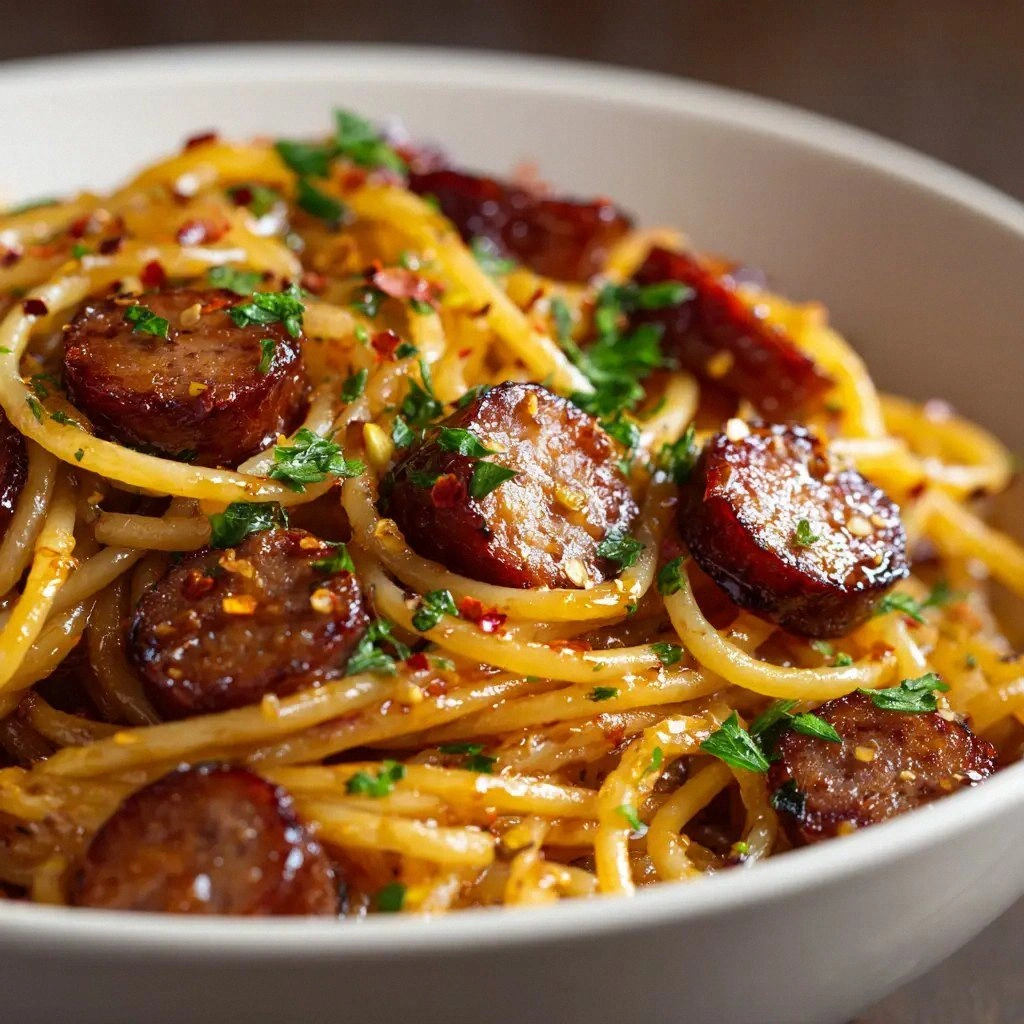
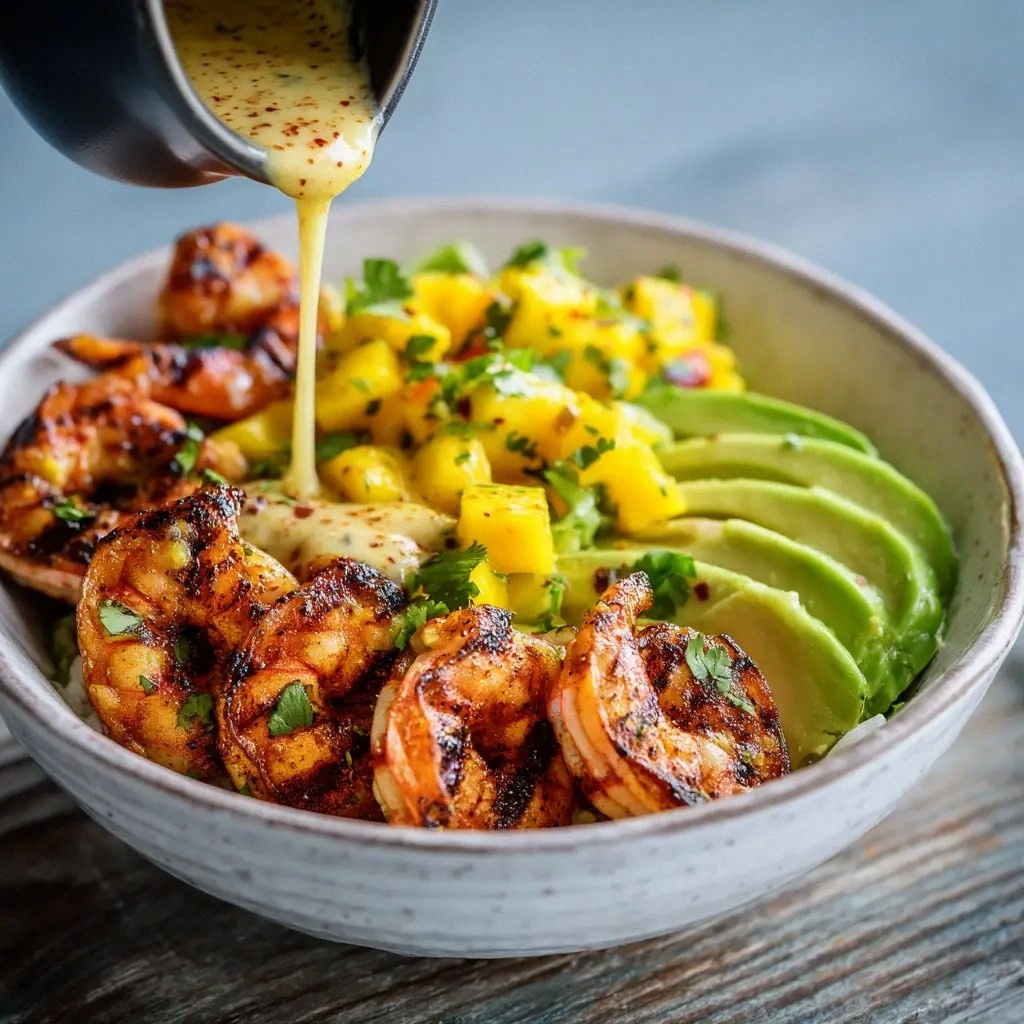
Why does this version stand out from every other shrimp pasta? Because it’s a one‑pan wonder that marries simplicity with depth. The shrimp are cooked to perfection—tender and juicy—while the sauce, a luscious blend of lemon, garlic, and white wine, coats the spaghetti like velvet. The finish is bright, the textures contrast, and the whole dish feels like a celebration on a plate. I dare you to taste this and not go back for seconds.
If you’ve ever struggled to make shrimp pasta that doesn’t feel rushed or uneven, you’re not alone—and I’ve got the fix. This recipe uses a clever technique of deglazing the pan with wine to lift all those browned bits, plus a splash of milk to round out the sauce. Picture yourself pulling this out of the stove, the whole kitchen smelling incredible, and the family already gathering around. Let me walk you through every single step—by the end, you’ll wonder how you ever made it any other way.
What Makes This Version Stand Out
- Taste: The bright citrus from lemon zest and the subtle sweetness of white wine create a sauce that lifts the shrimp without overpowering them.
- Texture: The butter and milk blend into a silky coating that clings to each strand of spaghetti, delivering a mouthful of richness.
- Simplicity: One pan, one pot, minimal cleanup—perfect for busy nights or when you want a gourmet meal without the fuss.
- Uniqueness: The deglazing step with wine pulls the fond into the sauce, turning what could be a bland dish into a flavor-packed masterpiece.
- Crowd Reaction: Diners rave about how the shrimp stay juicy and the sauce feels indulgent yet light; it’s a conversation starter.
- Ingredient Quality: Using fresh shrimp, high‑quality olive oil, and real parmesan elevates the dish beyond a standard pasta recipe.
- Cooking Method: The sauté, deglaze, simmer, and finish steps keep the flavors layered and balanced.
- Make‑Ahead Potential: The sauce can be prepared a day ahead and reheated with a splash of milk, preserving the creamy texture.
Alright, let’s break down exactly what goes into this masterpiece…
Inside the Ingredient List
The Flavor Base
The foundation of this dish is a simple yet powerful combination of olive oil, garlic, and lemon zest. The olive oil acts as a carrier, allowing the garlic to release its oils and the lemon zest to infuse its bright oils throughout the sauce. If you skip the lemon zest, you lose the citrus punch that balances the richness of the butter. A good tip: use a fresh, high‑quality olive oil; it makes the difference between a bland and a vibrant sauce.
The Texture Crew
Shrimp are the star of the show, but their texture depends on how you handle them. Pat the shrimp dry before cooking to ensure a quick sear. The butter and milk create a silky coating that lingers on the pasta, while the white wine deglazes the pan, capturing all the savory bits. Skipping the milk will leave the sauce a little thinner; the milk adds body and a subtle tang that balances the lemon.
The Unexpected Star
Red pepper flakes add a gentle heat that cuts through the richness without overwhelming the shrimp. A pinch too many and you risk burning the garlic; a pinch too few and the dish feels flat. If you’re a fan of spice, feel free to double the flakes, but remember the sauce’s citrus will still shine through. A quick swap: use smoked paprika for a smoky undertone that pairs well with the lemon.
The Final Flourish
Fresh parsley and parmesan cheese are the finishing touches that elevate the dish from simple to spectacular. The parsley adds a bright, herbaceous note that balances the citrus, while the parmesan gives a salty depth that’s hard to resist. If you’re dairy‑free, a sprinkle of nutritional yeast can mimic the nutty flavor of parmesan. Don’t forget to salt and pepper to taste—this is where the dish truly comes together.
Everything’s prepped? Good. Let’s get into the real action…
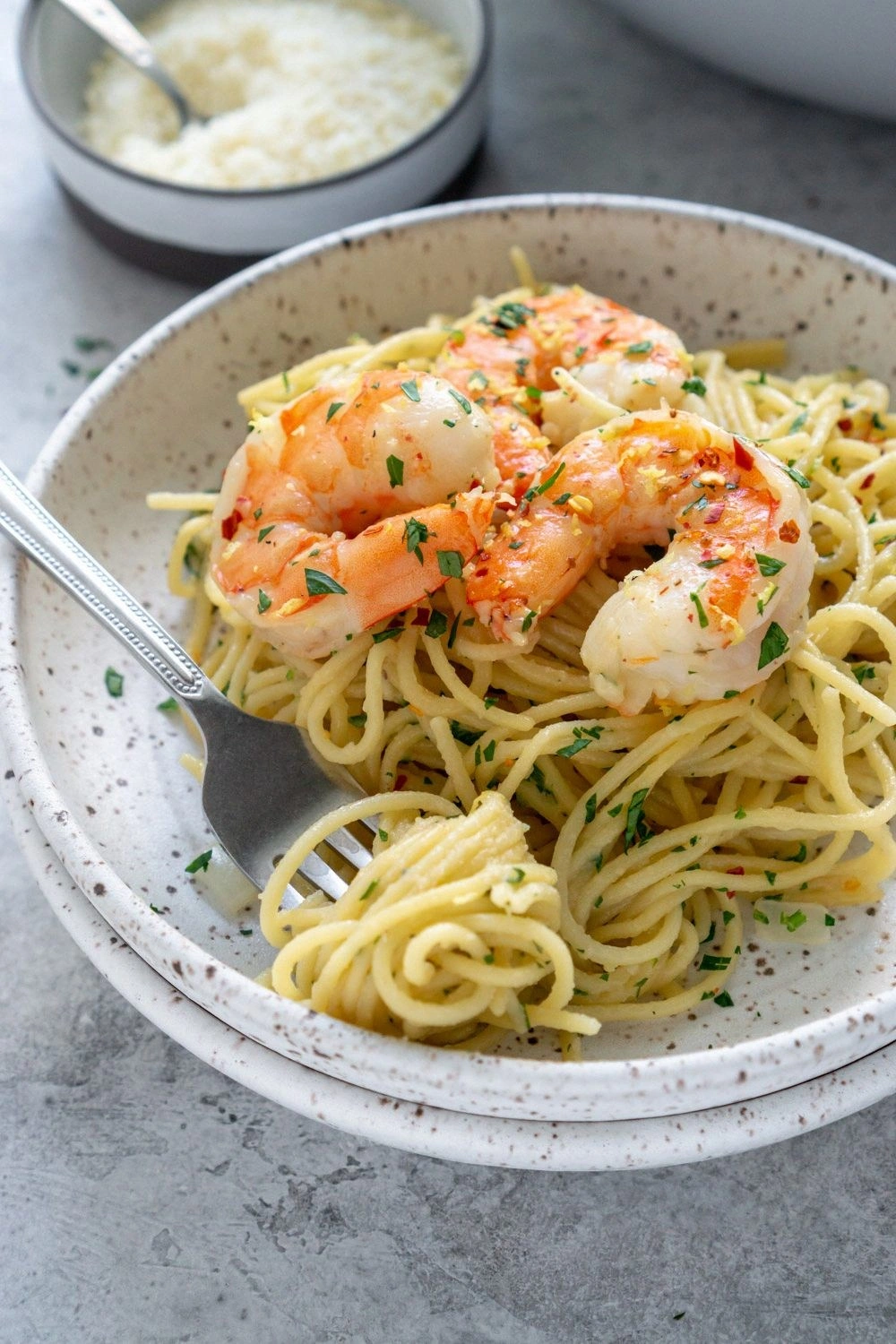
The Method — Step by Step
- Heat a large, heavy‑bottom skillet over medium heat. Add the tablespoon of olive oil and let it shimmer. When the oil is hot, add the finely minced garlic and sauté for 30 seconds until fragrant but not browned. This quick step releases the garlic’s oils and sets the flavor foundation. Watch the garlic closely; it’s the moment of truth.
- Add the lemon zest and a pinch of red pepper flakes. Stir for another 15 seconds. The zest will release bright citrus oils that mingle with the garlic, creating an aromatic base. This is where the sauce starts to sing.
- Introduce the shrimp, skin side down, and let them sear for 1 minute. Flip and sear the other side for another minute until they just turn pink. The shrimp should still be slightly translucent in the center—overcooking will make them rubbery.
- Pour in the two tablespoons of white wine, scraping the bottom of the pan to deglaze. The wine lifts the browned bits, infusing the sauce with depth. Let the wine reduce by half, about 2 minutes, until it’s a syrupy glaze that coats the shrimp.
- Add the butter, letting it melt into the sauce. The butter thickens the base and gives it a glossy finish. As it melts, stir to combine; the sauce should look velvety and cohesive.
- Pour in the chicken broth and bring to a gentle simmer. The broth expands the sauce’s volume and balances the richness. Keep the heat low to avoid scorching the bottom.
- Add the milk and stir. The milk adds body and a subtle tang that rounds out the citrus. Let the mixture simmer for 3 minutes, allowing the flavors to marry. This step is crucial for a creamy texture.
- Stir in the thin spaghetti, breaking it in half if necessary. Make sure the pasta is fully submerged in the sauce. Cook for 8–10 minutes, stirring occasionally, until the pasta is al dente and the sauce has thickened to a luscious coating.
- Finish with the parsley and grated parmesan. Toss to coat, then season with salt and pepper to taste. The herbs add a fresh pop, while the parmesan gives a savory depth. This final flourish turns the dish into a culinary masterpiece.
- Serve immediately, garnishing with extra parmesan if desired. The dish is best enjoyed hot, with the sauce still shimmering on the pasta. Plate it with a side of crusty bread to soak up the remaining sauce.
That's it — you did it. But hold on, I've got a few more tricks that'll take this to another level…
Insider Tricks for Flawless Results
The Temperature Rule Nobody Follows
Cooking shrimp at the right temperature is critical. Too hot and they’ll turn rubbery; too low and they’ll stay raw. Keep the heat at medium and flip them as soon as they release from the pan. A quick test: if the shrimp lift easily, they’re ready to flip.
Why Your Nose Knows Best
Your nose can detect when the sauce is ready. If you smell a buttery, citrusy aroma that’s slightly caramelized, the sauce is at its peak. Don’t rely solely on timing; trust your senses.
The 5-Minute Rest That Changes Everything
After the pasta is cooked, let it sit for 5 minutes before serving. This rest allows the sauce to thicken slightly and the flavors to meld. A friend once skipped this step and the dish was watery; the rest made it silky.
The Secret Ingredient Swap
If you’re looking for a dairy‑free version, replace the milk with coconut milk. The subtle coconut flavor pairs surprisingly well with the lemon and shrimp, creating a new dimension.
The Quick Garnish Trick
Grate the parmesan directly onto the dish just before serving. It creates a fresh, salty crust that melts into the sauce, enhancing every bite.
Creative Twists and Variations
This recipe is a playground. Here are some of my favorite ways to switch things up:
Mediterranean Twist
Swap the lemon zest for orange zest and add a handful of chopped Kalamata olives. The briny olives add depth, while the orange zest brings a sweet brightness. This version pairs beautifully with a crisp Sauvignon Blanc.
Spicy Cajun Flair
Add a tablespoon of Cajun seasoning to the garlic and let it sauté. The smoky heat complements the shrimp, creating a dish that feels like a Southern summer night. Serve with a side of cornbread.
Creamy Mushroom Variation
Sauté sliced mushrooms with the garlic before adding the shrimp. The mushrooms absorb the citrusy sauce and add an earthy undertone. This version is vegetarian if you skip the shrimp.
Pesto Infusion
Stir in a couple of tablespoons of basil pesto at the end. The pesto adds a fresh herbaceous layer that complements the lemon. It’s a great way to use leftover pesto.
Asian Inspired
Replace the white wine with a splash of rice vinegar and add a teaspoon of soy sauce. Toss in a handful of sliced green onions and a pinch of toasted sesame seeds. The result is a bright, umami‑rich pasta.
Breakfast Kick
Serve the pasta over a bed of sautéed spinach and top with a fried egg. The runny yolk adds richness, turning the dish into a hearty breakfast or brunch option.
Storing and Bringing It Back to Life
Fridge Storage
Cool the dish completely, then transfer to an airtight container. Store in the refrigerator for up to 2 days. The sauce may thicken slightly; a splash of milk or a drizzle of olive oil will restore its silky texture.
Freezer Friendly
Divide the pasta into portions and freeze in freezer‑safe containers for up to 2 months. Thaw overnight in the refrigerator, then reheat gently on the stove with a splash of milk.
Best Reheating Method
Reheat over low heat, stirring frequently. Add a tiny splash of water or milk to prevent the sauce from drying out. Finish with a sprinkle of fresh parsley before serving.