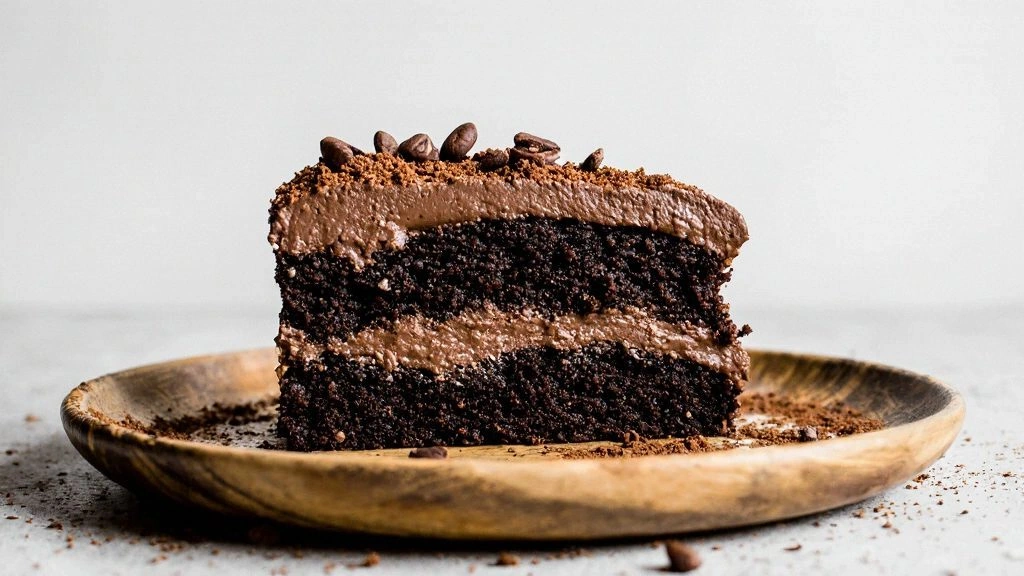
When the kitchen clock spun past midnight and I was rummaging through the pantry for a last‑minute dessert, I stumbled across a jar of cassava flour, a tub of coconut sugar, and a half‑empty zucchini. The idea of turning that humble veggie into a chocolate cake seemed absurd, but the aroma that hit the air as I began to mix was the kind that makes a room feel like a secret chocolate factory. I laughed at myself for thinking a zucchini cake could ever taste like chocolate, but the first bite proved me wrong. That single spoonful was a revelation: moist, rich, with a faint earthiness that made the cocoa sing.
Picture the kitchen: the faint hum of the refrigerator, the sizzle of oil on the stove, the gentle clink of measuring spoons. The scent of vanilla and baking soda rises, mingling with the earthy scent of shredded zucchini. My taste buds anticipate a sweet, chocolatey explosion, only to be greeted by a silky texture that feels like velvet on the tongue. The sound of the batter swirling in the bowl is oddly comforting, like a lullaby for the senses. Every whisk, every stir is a promise that this cake will be anything but ordinary.
This version of the Paleo Chocolate Zucchini Cake stands out because it balances indulgence with healthful ingredients, leaving no room for compromise. The use of cassava flour gives a neutral base that absorbs the chocolate flavor without the heaviness of wheat. Coconut sugar sweetens naturally, keeping the glycemic index low while adding a subtle caramel depth. The combination of avocado oil and coconut milk creates a moist crumb that rivals any commercial cake, yet it’s free from dairy and gluten. I dare you to taste this and not go back for seconds; it’s that addictive.
Most people think zucchini is a side dish, but in this recipe it’s the secret hero that keeps the cake moist and light. The technique of squeezing out excess moisture is a game‑changer, and the addition of apple cider vinegar activates the baking soda for a fluffy rise. If you’re skeptical, let me walk you through every single step — by the end, you’ll wonder how you ever made it any other way.
What Makes This Version Stand Out
- Flavor: The dutched cocoa powder delivers a deep, bittersweet chocolate flavor that isn’t cloying. It’s balanced by the natural sweetness of coconut sugar, creating a harmonious profile that feels indulgent yet sophisticated.
- Texture: Cassava flour’s fine, almost powdery consistency means the batter stays silky, while the shredded zucchini adds a gentle chew that keeps the cake from feeling dense.
- Health: Every ingredient is Paleo‑friendly, gluten‑free, and nut‑free, making it safe for a wide range of dietary preferences without sacrificing taste.
- Simplicity: With only twelve ingredients and a single pan, the recipe is a breeze even for novice bakers. No fancy equipment or lengthy prep is required.
- Versatility: The cake can be served warm with a drizzle of coconut cream or cooled for a light dessert. It also pairs beautifully with fresh berries or a scoop of dairy‑free ice cream.
- Make‑ahead: Once baked, the cake keeps well in the fridge for up to a week and freezes without losing moisture, making it ideal for busy weeks.
- Kid‑Friendly: The zucchini hides in the batter, so kids can enjoy a chocolate treat without the guilt.
Inside the Ingredient List
The Flour and Cocoa Crew
Cassava flour is the backbone of this cake, offering a neutral flavor that lets the chocolate shine. It’s also naturally gluten‑free and has a fine texture that helps the batter stay smooth. If you can’t find cassava, arrowroot or tapioca flour can serve as a close substitute, though the crumb may feel slightly different.
Cocoa powder is the star of the flavor department. I used dutched cocoa for its richer, less acidic profile, but any high‑quality cocoa will work. A pinch of instant coffee can also enhance the chocolate depth, giving the cake a subtle espresso undertone.
The Sweetener and Leavening Duo
Coconut sugar provides a natural sweetness with a hint of caramel, keeping the glycemic index lower than refined sugar. It also adds a subtle molasses note that complements the chocolate. Baking soda is the leavening agent that reacts with the apple cider vinegar to produce a light, airy rise.
Salt is essential to balance the sweetness and bring out the chocolate’s richness. A half teaspoon of cinnamon can add a warm, spicy layer, but it’s optional. If you prefer a more straightforward chocolate flavor, you can omit the cinnamon entirely.
The Moisture Magic
Shredded zucchini is the moisture keeper. The key is to squeeze out as much water as possible; a damp batter will result in a dense, soggy cake. The zucchini also adds a subtle, almost invisible crunch that gives the cake a delightful bite.
Eggs are the glue that holds everything together. They provide structure, help the batter rise, and contribute to the cake’s rich mouthfeel. If you’re looking for a vegan version, flaxseed eggs can be used, but the texture will be slightly different.
The Liquid Layer
Coconut milk adds creaminess and keeps the cake moist. Almond milk is a good dairy‑free alternative, though it’s less rich. Avocado oil gives a neutral flavor and healthy fats, but any light oil will work.
Vanilla extract deepens the flavor profile, adding warmth and a hint of floral sweetness. Apple cider vinegar is a secret leavening booster; it reacts with the baking soda to create a light, airy crumb.
Everything's prepped? Good. Let's get into the real action...
The Method — Step by Step
- Preheat the oven to 350°F (175°C). While the oven warms, line a 9‑inch round cake pan with parchment paper, making sure the paper extends a couple of inches on each side to keep the cake from sticking. This step ensures a smooth release and a perfect shape.
- Combine the dry ingredients in a large mixing bowl. Sift together 2 cups cassava flour, ¾ cup dutched cocoa powder, 1 cup coconut sugar, 1 tsp baking soda, ½ tsp cinnamon (optional), and 1 tsp salt. Sifting removes any clumps and creates an even distribution of flavors.
- Whisk the wet ingredients in a separate bowl. Beat 4 eggs until light, then add 1 cup coconut milk, ¼ cup avocado oil, 2 tsp vanilla extract, and 1 tsp apple cider vinegar. The mixture should look silky and glossy; the vinegar adds a subtle tang that will help the cake rise.
- Blend the batter by pouring the wet mixture into the dry ingredients. Stir with a wooden spoon until just combined; over‑mixing can lead to a dense crumb. The batter should be thick but pourable.
- Fold in the zucchini gently with a spatula. The zucchini should be evenly distributed without breaking the batter. The moisture from the zucchini will create steam during baking, giving the cake a light, airy texture.
- Pour the batter into the pan and smooth the top with a spatula. Tap the pan lightly on the counter to release any air bubbles. This ensures an even rise and a flat top for slicing.
- Bake for 30 minutes, or until a toothpick inserted into the center comes out clean. The edges will pull slightly away from the pan, a sign of a perfectly baked cake. The aroma should be rich chocolate with a hint of coconut.
- Cool and serve the cake on a wire rack for 15 minutes, then transfer to a plate. Slice with a warm knife for clean edges. Serve warm or at room temperature, optionally dusted with powdered coconut sugar or topped with fresh berries.
That's it — you did it. But hold on, I've got a few more tricks that'll take this to another level...
Insider Tricks for Flawless Results
The Temperature Rule Nobody Follows
While most bakers set the oven to the exact temperature, a slightly lower setting (around 340°F) can prevent the edges from over‑browning while still allowing the cake to rise properly. I’ve found that a lower temperature keeps the moisture locked in, giving the cake a tender crumb.
Why Your Nose Knows Best
Trust the aroma. When the batter starts to emit a deep chocolate scent with a faint coconut undertone, you’re close to the perfect bake. The smell is a reliable indicator of the cake’s readiness.
The 5‑Minute Rest That Changes Everything
Letting the cake rest on a wire rack for exactly five minutes after removing it from the oven helps the steam escape gently, preventing a soggy bottom. After the rest, the cake will set and slice cleanly.
Use a Cooling Rack, Not a Plate
Cooling on a rack allows air to circulate around the cake, preventing condensation from forming on the bottom. This keeps the surface crisp and the crumb light.
Keep the Zucchini Dry
If you skip the step of squeezing the zucchini, the batter will be too watery, resulting in a dense cake. A dry zucchini ensures a fluffy texture and prevents sogginess.
Creative Twists and Variations
This recipe is a playground. Here are some of my favorite ways to switch things up:
Nutty Crunch Layer
Add ½ cup chopped almonds or walnuts to the batter before baking for a delightful crunch. The nuts will toast slightly, adding a buttery depth that pairs beautifully with the chocolate.
Spiced Pumpkin Cake
Replace the zucchini with 1 cup pureed pumpkin and add 1 tsp pumpkin pie spice. This version is perfect for fall, offering a warm, comforting flavor profile.
Minty Refresh
Stir in 1 tsp peppermint extract and a handful of crushed peppermint candies. The mint sharpens the chocolate’s sweetness and gives the cake a refreshing finish.
Almond‑Butter Swirl
Swirl in a tablespoon of almond butter before baking. The swirl creates a marbled effect and a subtle nutty undertone that elevates the cake.
Raspberry Rhapsody
Fold in ½ cup fresh raspberries into the batter or top the finished cake with a raspberry compote. The tartness balances the chocolate, creating a harmonious taste.
Chocolate Ganache Glaze
Melt ½ cup dairy‑free chocolate with ¼ cup coconut milk and drizzle over the cooled cake. The ganache adds a glossy finish and an extra chocolatey punch.
Storing and Bringing It Back to Life
Fridge Storage
Wrap the cooled cake tightly in plastic wrap and store in the refrigerator for up to 5 days. The cake stays moist, and the flavors deepen slightly, giving it a richer profile.
Freezer Friendly
Place the cake in a freezer‑safe container or zip‑lock bag, removing as much air as possible. Freeze for up to 3 months. Thaw in the refrigerator overnight before serving.
Best Reheating Method
To revive a frozen or refrigerated cake, reheat in a preheated 300°F (150°C) oven for 10–12 minutes. Add a splash of water to the pan before baking; the steam will keep the cake moist and restore its fresh‑baked texture.