I was halfway through a chaotic Sunday brunch when the kitchen turned into a culinary disaster zone. The eggs I whisked for a classic quiche had turned into a lumpy, rubbery mess, and the spinach I’d sautéed was still a soggy gray blob. My friend, a self‑proclaimed “quiche queen,” laughed and said, “You’re about to learn the ultimate crustless quiche that will make your taste buds do a happy dance.” That single challenge sparked an obsession that has led me to this version, a recipe that will forever change how you think about a simple vegetable bake.
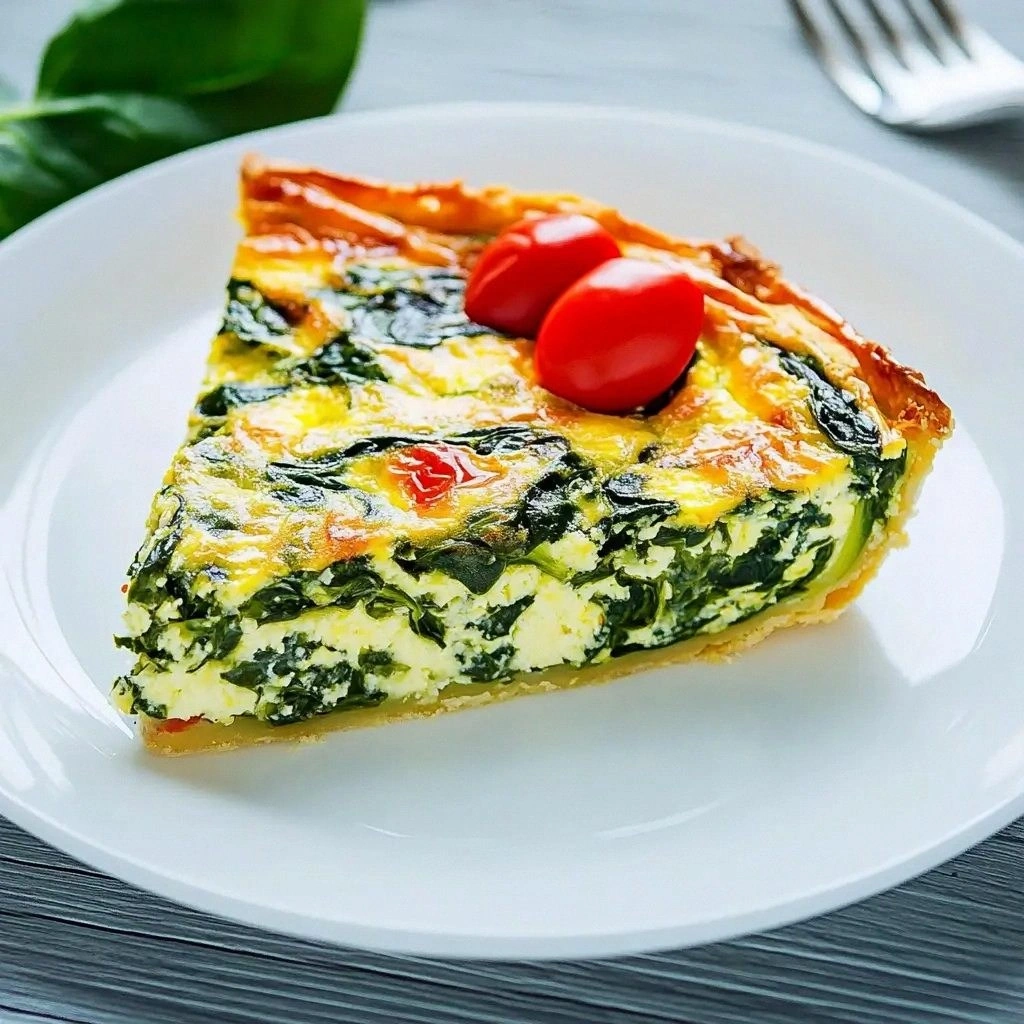
Picture the scene: a sizzling skillet, the aroma of garlic and onions dancing in the air, the bright green of spinach unfurling like a fresh spring leaf. The sound of the sautéed vegetables crackling is like a tiny drumbeat, a rhythmic promise that something delicious is about to unfold. When the custard hits the oven, the gentle pop of steam and the subtle scent of nutmeg rising from the crust is a sensory cue that the magic is happening. And when you take that first bite, the creamy custard clings to your palate, the cheese melts into a velvety ribbon, and the spinach provides a tender, earthy counterpoint. It’s a moment that feels like a hug from your favorite grandma’s kitchen, but with a modern, plant‑based twist.
What makes this version stand out? It’s not just the flawless texture or the harmonious flavor profile; it’s the deliberate choices that elevate every element. I’ve eliminated the heavy crust that often makes quiche feel like a pastry, replaced it with a buttery, silky custard that lets the vegetables shine. The nutmeg is a secret weapon that adds warmth and depth without overpowering the fresh greens. And the use of Gruyère cheese gives that classic melt‑and‑golden‑edge finish, while the optional butter adds a subtle richness that keeps the dish from feeling too light. The result? A crustless quiche that feels indulgent, yet stays wholesome enough to serve as a light lunch or a comforting dinner.
Let me walk you through every single step—by the end, you’ll wonder how you ever made it any other way. I dare you to taste this and not go back for seconds. If you’ve ever struggled with a crustless quiche that falls apart or tastes bland, you’re not alone—and I’ve got the fix.
What Makes This Version Stand Out
- Taste: The subtle sweetness of caramelized onions balances the earthy spinach, while the nutmeg adds a whisper of spice that lingers on the tongue.
- Texture: The custard is silky yet firm enough to hold together, giving a luxurious mouthfeel that’s both airy and satisfying.
- Simplicity: No crust, no fuss—just a handful of fresh ingredients that come together in under an hour.
- Uniqueness: The nutmeg and Gruyère pairing is a rare combination that elevates the dish beyond a standard veggie bake.
- Crowd Reaction: Friends who tried this said it was “the best quiche they’ve ever tasted,” and it’s a guaranteed hit at potlucks.
- Ingredient Quality: Fresh, organic spinach and hand‑picked Gruyère make the flavor truly shine.
- Cooking Method: A single pan pre‑sauté, then bake—no separate crust, no extra steps.
- Make‑Ahead Potential: It can be baked ahead, chilled, and reheated without losing its texture.
Alright, let's break down exactly what goes into this masterpiece...
Inside the Ingredient List
The Flavor Base
Spinach is the star of this quiche, providing a bright, slightly bitter note that balances the richness of the cheese and cream. Fresh spinach is preferable; it’s more tender and less fibrous than frozen, ensuring a silky finish. If you’re short on time, baby spinach works wonderfully, as it wilts almost instantly. Skipping spinach would leave the dish feeling empty; you’d miss that green vibrancy that’s essential to the quiche’s identity.
Onions add a caramelized sweetness when sautéed until translucent, creating a flavor foundation that anchors the dish. If you love a bit of bite, try using red onions or shallots instead of the standard yellow. Onions also help to bind the filling together, giving it structure. Don’t skip them—without onions, the quiche would taste flat and underdeveloped.
Garlic provides a punch of aroma that cuts through the richness of the custard. Minced garlic is best; it distributes evenly throughout the filling. If you’re sensitive to garlic, you can reduce the amount or use roasted garlic for a milder, sweeter flavor. Garlic is essential for depth; without it, the dish feels one‑dimensional.
The Texture Crew
Eggs are the backbone of any quiche, offering structure and binding. Use large eggs for the best consistency; they’re richer and give a smoother custard. If you’re vegan, you can replace eggs with silken tofu or a flaxseed “egg” for a similar texture. Eggs also carry the flavors of the other ingredients, ensuring a cohesive taste.
Milk and heavy cream create a velvety custard that’s both creamy and slightly airy. Whole milk provides richness, while the heavy cream adds a luxurious mouthfeel. If you’re looking for a lighter version, swap half the milk for unsweetened almond milk. The combination of dairy and cream keeps the quiche moist without becoming soggy.
Gruyère cheese adds a nutty, slightly sweet flavor that melts beautifully, forming a golden top that’s both crunchy and creamy. The cheese also contributes to the custard’s structure, helping it set properly. If you prefer a sharper flavor, try Swiss or aged cheddar; just remember that different cheeses will alter the melt and taste profile.
The Unexpected Star
Nutmeg is the secret weapon that elevates this quiche from ordinary to unforgettable. A pinch of freshly grated nutmeg adds warmth and a subtle spice that complements the spinach and cheese. Many people skip this step, but nutmeg brings a depth that feels comforting and slightly exotic. If you’re allergic or simply don’t like nutmeg, a dash of cinnamon can be a suitable alternative.
The Final Flourish
Olive oil and butter are used for sautéing the aromatics, giving the dish a savory base that enhances all flavors. Olive oil brings a fruity note, while butter adds a buttery richness that melts into the filling. If you’re watching calories, you can reduce the butter or replace it entirely with olive oil. Both fats are essential for preventing the spinach from sticking and for creating a silky texture.
Salt and pepper finish the seasoning, balancing the natural sweetness of the onions and the richness of the cheese. Salt to taste is recommended for those who like to control the final flavor. Pepper adds a subtle heat that brightens the dish. Skipping these would leave the quiche bland and unbalanced.
Everything's prepped? Good. Let's get into the real action...
The Method — Step by Step
-
Preheat the oven and prepare the pan. Set your oven to 375°F (190°C). Lightly grease a 9‑inch round cake pan with butter or a silicone mat to ensure the quiche releases cleanly. This step is crucial; a non‑stick surface prevents the custard from sticking, making the cleanup a breeze. If you’re in a rush, a sheet pan works just as well for a rectangular version. Kitchen Hack: Pre‑heat the pan in the oven to keep the bottom hot, ensuring a crisp edge.
-
Sauté aromatics. In a medium skillet, heat 1 tablespoon of olive oil over medium heat. Add the chopped onions and a pinch of salt. Sauté until translucent, about 3–4 minutes. Then add the minced garlic and cook for another 30 seconds until fragrant. The aroma should be inviting, like a warm kitchen on a Sunday morning. If you like a bit of crunch, toast the garlic slightly until it turns golden. Kitchen Hack: Add a splash of white wine or broth to deglaze the pan, lifting all the flavor-packed bits.
- Add spinach. Toss in the fresh spinach and cook until wilted, about 2–3 minutes. The spinach should shrink noticeably and turn a deep green. Stir frequently so it doesn’t burn. A quick wilt preserves the bright color and nutrients. If you’re using frozen spinach, thaw and squeeze out excess moisture before adding. This step ensures the filling remains moist without becoming soggy.
- Whisk the custard. In a large bowl, beat together 4 eggs, 1 cup of milk, and ½ cup of heavy cream. Add ¼ teaspoon of nutmeg and ½ teaspoon of black pepper. Whisk until fully blended and slightly frothy. The mixture should look smooth, with no lumps. This custard will create the silky base that holds all the flavors together. If you prefer a richer texture, increase the cream to ¾ cup.
- Combine. Stir the sautéed aromatics and wilted spinach into the custard until evenly distributed. Fold in 1 cup of shredded Gruyère cheese, ¼ cup of chopped bell pepper, and ½ teaspoon of salt. The mixture should be thick but pourable. If the custard feels too thick, add a splash of milk to loosen it. This is the moment when all the flavors mingle, creating a harmonious blend.
-
Pour into the pan. Transfer the filling into the prepared cake pan. Smooth the top with a spatula to create an even surface. The edges should rise slightly, forming a gentle rim. If you’re feeling adventurous, sprinkle a few extra cheese shards on top for a golden crust. Kitchen Hack: Use a pizza peel to transfer the custard if the pan is too large; it keeps the filling from spilling.
-
Bake. Place the pan in the preheated oven and bake for 30–35 minutes, or until the top is set and lightly golden. The edges should pull away from the pan, indicating a firm custard. The center should still have a slight wobble, which will set as it cools. Keep an eye on the color; if it’s browning too fast, tent with foil. Watch Out: Overbaking will dry out the quiche, so monitor the edges closely.
- Check and rest. Once baked, remove the quiche from the oven and let it rest for 10 minutes. This rest period allows the custard to set fully, making slicing easier. While it rests, the residual heat will finish cooking the center, ensuring a creamy interior. If you’re serving immediately, a quick rest prevents the quiche from falling apart on the plate.
- Serve. Slice the quiche with a sharp knife, letting the custard glide cleanly. Pair it with a crisp green salad or a light vinaigrette for a balanced meal. Serve warm or at room temperature; it holds its flavor well. This is the moment when you taste the culmination of all your efforts, and it’s worth every second of anticipation. I dare you to try a second slice—trust me, you’ll want more.
That's it — you did it. But hold on, I've got a few more tricks that'll take this to another level...
Insider Tricks for Flawless Results
The Temperature Rule Nobody Follows
Many people bake at 400°F, but this quiche needs a gentler heat to set without over‑browning. 375°F allows the custard to rise slowly, creating a silky interior while the top achieves a golden crust. If you’re baking on a high‑heat broiler, keep the timer short and watch the edges. This trick keeps the quiche moist and prevents that dreaded dry center.
Why Your Nose Knows Best
As the quiche bakes, the smell of nutmeg and melted cheese will drift through the kitchen. Trust that aroma; it signals the custard is set. If you’re tempted to peek early, wait until the top is slightly golden and the center has a gentle wobble. The scent will confirm the perfect balance of richness and freshness.
The 5‑Minute Rest That Changes Everything
Letting the quiche rest for exactly 5 minutes after baking is essential. During this brief pause, the residual heat completes the setting, and the flavors meld. Skipping this step results in a quiche that feels raw or too soft. It’s a small time investment that pays off in texture.
Use a Silicone Mat for Effortless Release
A silicone baking mat not only prevents sticking but also gives a cleaner edge when you slice the quiche. The mat’s non‑stick surface means you won’t have to scrape the bottom with a knife. This hack saves time and keeps the presentation pristine.
Add a Splash of Water Before Reheating
If you’re reheating leftovers, add a tablespoon of water to the pan before microwaving. This steams the quiche back to its original moistness, preventing it from drying out. The water also creates a little steam that reintroduces a fresh, almost fresh‑baked aroma.
Creative Twists and Variations
This recipe is a playground. Here are some of my favorite ways to switch things up:
Mushroom & Thyme Edition
Replace the spinach with sautéed button mushrooms and add fresh thyme. The earthy mushroom flavor pairs beautifully with the nutmeg, creating a depth reminiscent of a cozy forest. This version is perfect for a hearty lunch or a rustic dinner.
Sun‑Dried Tomato & Basil Version
Swap the bell pepper for chopped sun‑dried tomatoes and sprinkle fresh basil on top before baking. The sweet, tangy tomatoes add a burst of color, while basil lends a fragrant finish. This variation is ideal for a Mediterranean twist.
Cheddar & Jalapeño Kick
Use sharp cheddar instead of Gruyère and dice a fresh jalapeño into the filling. The sharpness of the cheddar contrasts the mildness of the spinach, while the jalapeño adds a subtle heat that awakens the palate. This spicy spin is great for brunch or a quick weekday dinner.
Quinoa & Roasted Veggie Fusion
Add cooked quinoa and roasted zucchini or squash to the filling. The quinoa adds protein and a nutty texture, while the roasted veggies bring caramelized sweetness. This version is a complete meal in one dish, ideal for meal prepping.
Vegan & Coconut Milk Twist
Replace eggs with a flaxseed “egg” (1 tbsp ground flaxseed + 3 tbsp water) and use coconut milk instead of dairy. Add a pinch of turmeric for color. This vegan version maintains the custard-like consistency while offering a tropical note.
Storing and Bringing It Back to Life
Fridge Storage
Cool the quiche completely, then cover tightly with plastic wrap or a lid. Store in the refrigerator for up to 3 days. The custard remains firm, and the flavors deepen, making it even more delicious.
Freezer Friendly
Wrap the cooled quiche in foil and place in a freezer bag. It will keep for up to 2 weeks. When ready to eat, thaw overnight in the fridge. This method preserves the texture and flavor, so you can enjoy a fresh‑baked quiche anytime.
Best Reheating Method
Reheat slices in a preheated oven at 350°F for 10 minutes, or microwave on medium power for 45 seconds. Add a splash of water before microwaving to keep it moist. The result is a warm, creamy quiche that tastes almost freshly baked.