Picture this: a rainy Thursday night, the kind where you’re stuck inside, scrolling through endless recipe blogs, and suddenly you hear that unmistakable sizzle of chicken hitting a hot pan. I was in the middle of a culinary disaster—my attempt at a quick stir‑fry turned into a soggy, flavor‑less mess that left me questioning my life choices. I dared my roommate to a “best comfort food” showdown, and I lost, miserably, because my broth was as flat as a pancake. That moment sparked a fire under me, and I vowed to create a broth so bold it would make even the most seasoned chef sit up and take notes.
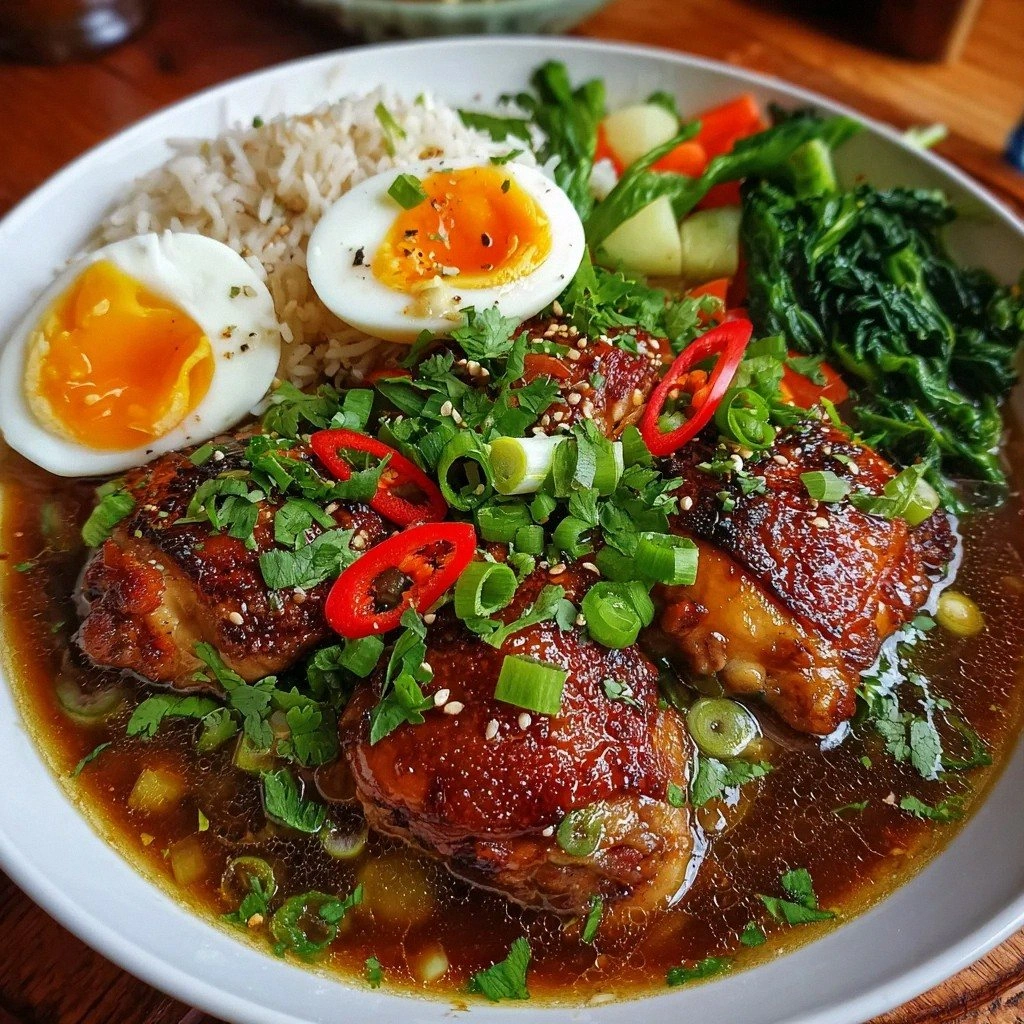
Fast forward a few weeks, and after countless trial‑and‑error sessions (including one where I accidentally used soy sauce that had been sitting in the fridge for three months—yikes), I finally nailed the perfect balance of sweet, salty, and umami. Imagine the aroma of caramelised soy mingling with garlic and ginger, wrapping around tender chicken thighs like a warm, velvety blanket. The broth is deep amber, the chicken skin crackles with a caramelised edge that shatters like thin ice, and the rice beneath soaks up every drop of that liquid gold. It’s the kind of dish that makes your kitchen feel like a five‑star restaurant and your stomach do a happy dance.
What sets this version apart from the sea of “soy chicken” recipes out there? Most people either drown the chicken in sauce or under‑season the broth, resulting in a one‑dimensional taste. I’m here to prove that a few simple tweaks—a splash of sesame oil, a pinch of brown sugar, and a strategic caramelisation step—can transform a humble pot of soup into a flavor powerhouse. I’m about to hand you the exact method that turns ordinary chicken thighs into caramel‑kissed marvels, and a broth that sings louder than a choir on opening night.
And here’s a little secret I’ll reveal later: the key to that glossy, restaurant‑quality sheen isn’t a secret sauce at all, but a clever use of cornstarch slurry at the very end. I dare you to taste this and not go back for seconds. Let me walk you through every single step — by the end, you’ll wonder how you ever made it any other way.
What Makes This Version Stand Out
- Depth of Flavor: The caramelised soy base creates a sweet‑savory backbone that’s richer than any store‑bought broth, and the garlic‑ginger combo adds a zesty punch that wakes up your palate.
- Texture Harmony: Crispy, caramelised skin meets melt‑in‑your‑mouth meat, while the broth stays silky smooth thanks to the optional cornstarch thickener.
- Simplicity Meets Sophistication: Only twelve ingredients, all pantry‑friendly, yet the result feels like a dish you’d order at a high‑end Asian bistro.
- Ingredient Quality: Using bone‑in, skin‑on thighs ensures maximum gelatin and flavor, turning the broth into a natural stock without extra effort.
- Crowd‑Pleaser Factor: This dish consistently gets rave reviews at dinner parties—people ask for seconds, thirds, and even the recipe.
- Make‑Ahead Potential: The broth improves after a night in the fridge, letting the flavors meld like a well‑aged wine.
- Versatility: Serve over jasmine rice, toss with noodles, or even use as a base for a hearty soup.
- Time Efficiency: With a total hands‑on time of 15 minutes, you can have a gourmet‑level meal on the table in under an hour.
Inside the Ingredient List
The Flavor Base
Soy Sauce: This is the star of the show, adding rich umami goodness that forms the backbone of the broth. If you use a low‑sodium version, you’ll need to add a pinch more salt later. Skip it, and you’ll miss that deep, savory depth that makes the broth sing.
Brown Sugar: The sweet counterpoint to soy’s saltiness creates a delightful depth of flavor, and it’s also the secret to that beautiful caramel colour. You can substitute honey for a slightly floral note, but the texture will change a bit.
The Aroma Crew
Fresh Ginger: Adds a zesty warmth that enhances the broth’s complexity. Grate it finely so it releases its oils quickly; large chunks will leave a harsh bite.
Garlic: Trust me, you can never have too much garlic in a comforting broth! Mince it just before you start cooking to keep its sharpness alive. If you over‑cook it, it turns bitter—watch that timer.
The Texture Crew
Chicken Thighs (Bone‑in, Skin‑on): These provide juicy flavor and tenderness, plus the bones release gelatin that gives the broth a silky mouthfeel. Using boneless, skinless breasts will result in a thinner, less flavorful broth.
Vegetable Oil: To help achieve that irresistible crispy skin when searing. A high‑smoke‑point oil like canola works, but I prefer a light olive oil for a subtle fruitiness.
The Final Flourish
Sesame Oil: For a fragrant finish that complements Asian cuisine beautifully. Add it at the very end; heating it too long will make it taste burnt.
Cornstarch (optional): Use this if you prefer a thicker broth; it’s a simple trick! Dissolve it in a little cold water before stirring in, and you’ll get a glossy, velvety texture.
Salt and Pepper: Essential for seasoning, to your personal taste. Remember, soy sauce already brings salt, so taste before you add more.
Jasmine Rice & Water: Fluffy and fragrant, it serves as the perfect canvas for our chicken and broth. Use the 1:1 ratio of rice to water for optimal fluffiness.
Chopped Green Onions & Fresh Cilantro: A fresh garnish that adds a lovely crunch and herbal brightness. Cilantro is optional, but it gives a wonderful herbal brightness to the dish.
Everything's prepped? Good. Let's get into the real action...
The Method — Step by Step
Start by patting the chicken thighs dry with paper towels. This may sound trivial, but the drier the skin, the better the caramelisation later on. Season each thigh generously with salt and pepper, then set them aside while you heat a large, heavy‑bottomed pot over medium‑high heat.
Add 2 tablespoons of vegetable oil to the pot, letting it shimmer like a pool of liquid gold. When the oil is hot enough that a drop of water sizzles immediately, place the thighs skin‑side down. You’ll hear that satisfying sizzle that signals the start of flavor magic.
Kitchen Hack: If the skin sticks, give it a few more seconds—once the skin releases naturally, it’s ready to flip.Cook the thighs for about 5‑6 minutes, or until the skin turns a deep amber and starts to pull away from the pan. This is the moment of truth: the edges should look like caramelised sugar, not burnt. Flip the thighs and sear the other side for another 3‑4 minutes, just to lock in juices.
Remove the chicken and set it on a plate. In the same pot, add the minced garlic and grated ginger, stirring quickly to avoid burning. The aromatics should become fragrant within 30 seconds—if you smell a bitter note, you’ve overcooked them, so act fast.
Deglaze the pot with 1/4 cup of soy sauce, scraping up all the browned bits stuck to the bottom. Those caramelised bits are flavor bombs; don’t let them go to waste. Add 2 tablespoons of brown sugar, stirring until it dissolves completely, creating a glossy, amber glaze.
Return the chicken thighs to the pot, skin side up, and pour in 4 cups of chicken broth. Bring the mixture to a gentle boil, then reduce the heat to a simmer. Cover and let it cook for 20‑25 minutes, or until the chicken is fork‑tender and the meat is pulling away from the bone.
While the chicken simmers, rinse 1.5 cups of jasmine rice under cold water until the water runs clear. This removes excess starch and prevents the rice from becoming gummy. Transfer the rice to a separate saucepan, add 1.5 cups of water, bring to a boil, then cover and reduce to low heat for 12‑15 minutes. Fluff with a fork once done.
If you prefer a thicker broth, whisk 1 tablespoon of cornstarch with an equal amount of cold water to create a slurry. Slowly stir the slurry into the simmering broth, watching it thicken to a velvety consistency. Remember, the broth will continue to thicken slightly as it cools.
Watch Out: Add the cornstarch slurry gradually; too much at once can make the broth gummy.Finish the broth with a final drizzle of 1 teaspoon sesame oil for that fragrant, nutty finish. Stir in chopped green onions and, if you like, fresh cilantro for brightness. Taste and adjust with a pinch of salt or pepper if needed.
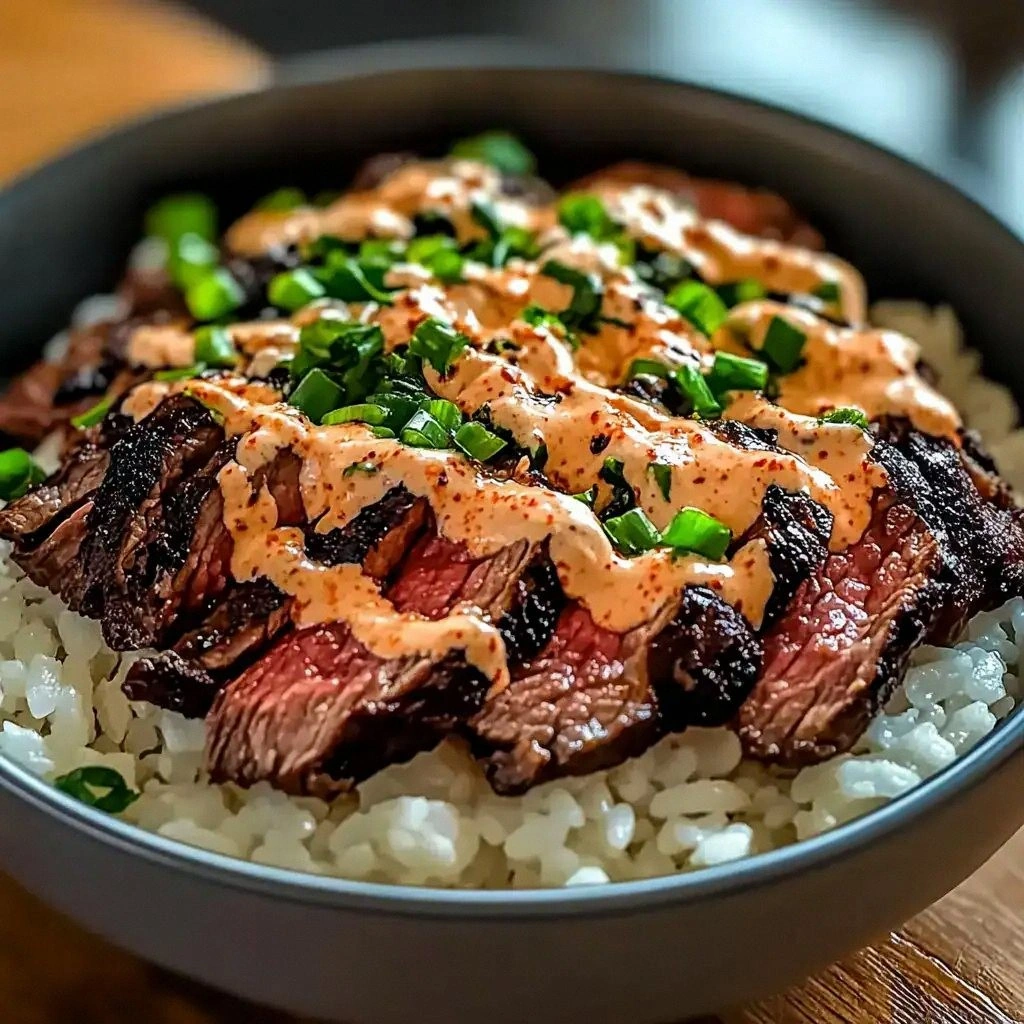
To plate, spoon a generous mound of jasmine rice into each bowl, ladle the caramelised chicken thigh on top, and pour the hot broth over everything. Garnish with extra green onions and cilantro for that picture‑perfect finish. That sizzle when it hits the pan? Absolute perfection.
That's it — you did it. But hold on, I've got a few more tricks that'll take this to another level...
Insider Tricks for Flawless Results
The Temperature Rule Nobody Follows
Never start with a cold pan. Pre‑heat your skillet for at least 2 minutes before adding oil; this ensures the chicken skin sears instantly, creating that coveted crackle. I once tried to “save time” by adding the chicken to a cold pan, and the result was soggy skin that never achieved that caramelised glow. The rule of thumb: medium‑high heat, steady, not smoking.
Why Your Nose Knows Best
The aroma is your best indicator of progress. When the garlic and ginger turn fragrant, you know they’re done; when the broth starts to smell sweet and slightly nutty, the caramelisation is perfect. Trust your senses over the clock—if it smells right, it probably is.
The 5‑Minute Rest That Changes Everything
After the chicken finishes simmering, remove it and let it rest for five minutes before slicing. This short rest lets the juices redistribute, preventing them from spilling out onto the plate and making the meat dry. My friend once sliced immediately and ended up with a broth‑laden plate—less elegant, more mess.
Rice Perfection Hack
Rinse jasmine rice until the water runs clear, then soak it for 10 minutes before cooking. Soaking reduces cooking time by a minute and yields fluffier grains. Skipping this step? Expect a slightly gummy texture that will compete with your broth for attention.
Seasoning Layers for Depth
Season at three stages: the chicken before searing, the broth after adding soy sauce, and the final broth just before serving. Each layer builds depth, like a symphony of flavors. Forgetting any stage leaves the dish flat—like a song with no chorus.
Creative Twists and Variations
This recipe is a playground. Here are some of my favorite ways to switch things up:
Spicy Szechuan Kick
Add 1 teaspoon of Szechuan peppercorn oil and a pinch of dried red chili flakes to the broth during the simmer stage. The heat pairs beautifully with the sweet‑soy base, turning the dish into a fiery adventure for spice lovers.
Coconut Curry Fusion
Swap half of the chicken broth for coconut milk and stir in 1 tablespoon of red curry paste. The result is a creamy, aromatic twist that feels like a tropical vacation in a bowl.
Honey‑Ginger Glaze
Replace the brown sugar with 2 tablespoons of honey and increase the ginger to 2 tablespoons. This creates a brighter, slightly floral glaze that pairs well with roasted vegetables on the side.
Vegetarian Version
Use firm tofu cubes, pressed and pan‑seared, in place of chicken. Add extra mushrooms for umami, and use vegetable broth instead of chicken broth. The caramelisation technique still works, delivering that same depth.
Low‑Carb Swap
Serve the chicken and broth over cauliflower rice instead of jasmine rice. The broth stays just as luscious, and you get a lighter, low‑carb meal that still feels indulgent.
Storing and Bringing It Back to Life
Fridge Storage
Allow the dish to cool to room temperature, then transfer the broth and chicken to an airtight container. It will keep for up to 4 days. When reheating, add a splash of water to restore the broth’s original silkiness.
Freezer Friendly
Separate the rice from the broth and chicken before freezing. Store the broth and chicken in a freezer‑safe bag for up to 3 months. Rice can be frozen in its own bag for 2 months. Thaw overnight in the fridge, then reheat gently on the stovetop.
Best Reheating Method
Place the frozen broth and chicken in a saucepan over low‑medium heat, adding a tablespoon of water per cup of broth. Stir occasionally until steaming hot. Add the rice at the end, letting it absorb the revived broth for a fresh‑out‑of‑the‑fridge feel.