When the kitchen lights flickered and the oven timer chirped its last warning, I found myself staring at a half‑baked cauliflower casserole that had turned into a soggy, flavorless mess. That night, a friend dared me to whip up something that would make even the most skeptical foodie swoon. I laughed, grabbed a handful of cauliflower florets, and decided that tonight’s culinary adventure would be a garlic‑mushroom cauliflower skillet that would prove to be a game‑changer. I was determined to create a dish that was not only quick and healthy but also packed with depth, aroma, and a touch of that unexpected zing that turns a simple meal into a celebration.
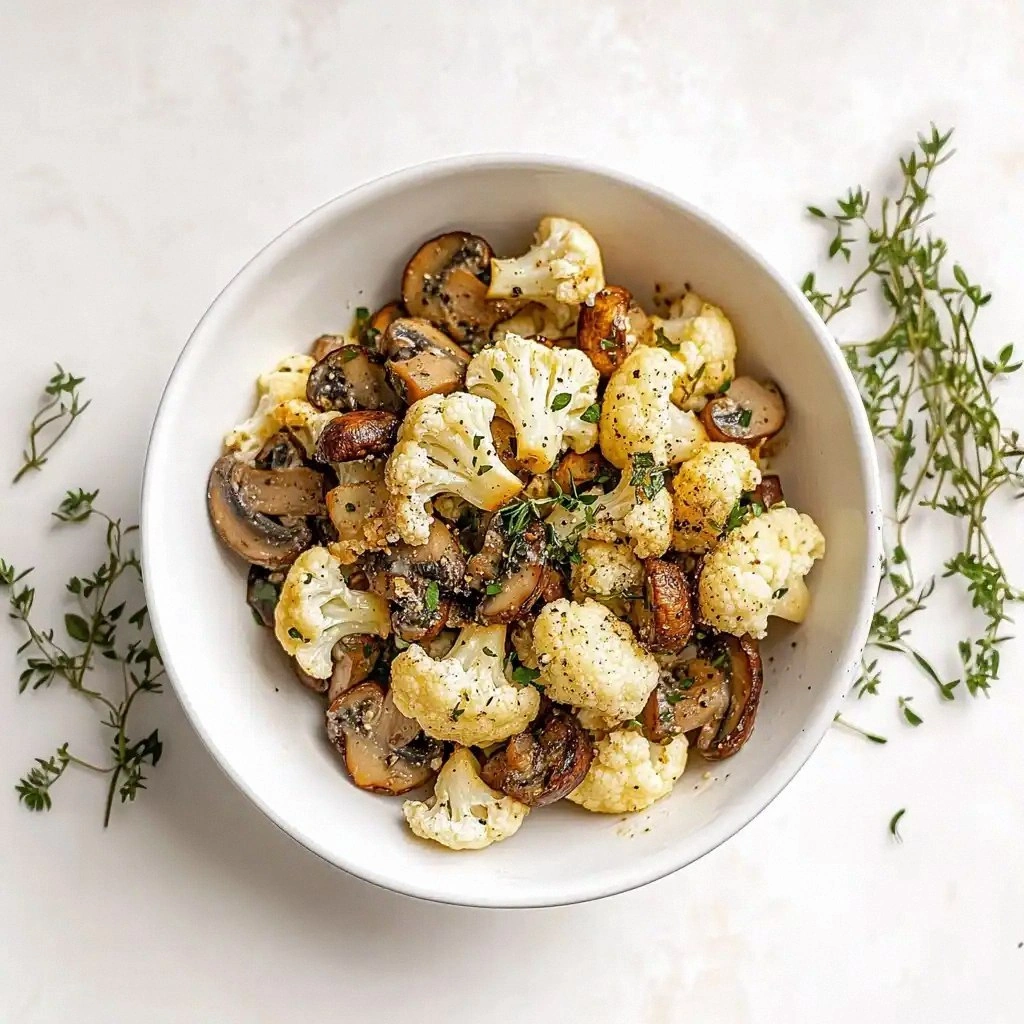
Picture the sizzling sound as olive oil glides across the skillet, the aroma of fresh garlic and earthy mushrooms filling the air, and the sight of cauliflower florets turning a golden caramelized hue. The texture shifts from crisp on the outside to a tender, almost buttery interior that melts in your mouth. The first bite releases a burst of umami, followed by a bright lemon finish that lifts every flavor. The sound of the skillet hissing as the broth evaporates is like a secret cue that the dish is almost ready, and the anticipation builds until the final drizzle of parsley. This sensory orchestra makes the dish feel like a performance rather than a recipe.
I’m not just telling you this because it worked for me; this version stands out from every other cauliflower dish you’ve ever tried. The secret lies in the combination of a quick sear, a splash of broth, and the precise timing of adding lemon juice and herbs. It’s a dish that delivers the comforting familiarity of roasted cauliflower while offering the punch of garlic and the subtle heat of red pepper flakes. The result is a skillet that feels like a one‑pan wonder, yet each component shines on its own. If you’re tired of bland, overcooked vegetables, this recipe is the antidote you’ve been craving.
And here’s the twist you won’t see in most cauliflower recipes: I use a tiny splash of vegetable broth to create steam that locks in moisture, then finish with a lemon‑parsley flourish that brightens the entire dish. That brightening isn’t just a garnish; it’s a flavor engine that lifts the dish from simple to spectacular. I dare you to taste this and not go back for seconds. By the end of this guide, you’ll wonder how you ever made cauliflower any other way. Let me walk you through every single step — by the end, you’ll wonder how you ever made it any other way.
What Makes This Version Stand Out
- Flavor Depth: The caramelized garlic and mushrooms create a rich umami base that makes the cauliflower feel like a savory centerpiece. The slight sweetness from the caramelization balances the earthiness of the vegetables, delivering a complex taste profile that satisfies both simple and adventurous palates. The dish feels like a well‑seasoned stew, yet it’s served in a single skillet.
- Texture Contrast: The cauliflower florets develop a crisp exterior while staying tender inside, offering a satisfying bite that’s neither mushy nor dry. The mushrooms add a chewy component, and the final splash of broth ensures the dish remains moist without becoming soggy. This interplay of textures keeps each bite interesting and prevents the dish from feeling monotonous.
- Time Efficiency: You can have a full‑flavored meal on the table in just 45 minutes, from prep to plating. The one‑pan approach eliminates the need for multiple pots and pans, making cleanup a breeze. This speed makes it ideal for busy weeknights or when you want a hearty dinner without the hassle.
- Ingredient Simplicity: The recipe uses only eleven ingredients, most of which you already have on hand. No obscure spices or hard‑to‑find items are required, so you can whip this up with confidence even if your pantry is a bit bare. The simplicity doesn’t compromise flavor; it amplifies it.
- Versatility: While it’s a vegetarian main, it can serve as a side dish for grilled proteins or as a base for a protein‑rich stir‑fry. The bright lemon finish makes it a great companion for roasted meats or a light, refreshing salad. The dish’s adaptability makes it a staple in any kitchen.
- Health Conscious: Low in calories yet high in protein and fiber, this dish fits well into a balanced diet. The cauliflower provides a good source of vitamins C and K, while the mushrooms add B vitamins and antioxidants. The olive oil supplies heart‑healthy monounsaturated fats.
- Make‑Ahead Potential: You can prepare the cauliflower and mushrooms ahead of time, refrigerate them, and finish cooking right before serving. This feature is perfect for meal prep enthusiasts who want to save time during the week. The dish stays fresh and flavorful even when reheated.
Inside the Ingredient List
The Flavor Base
Olive oil is the foundation that brings together the garlic and mushrooms. It carries the heat of the garlic and the earthy undertones of the mushrooms, allowing them to mingle before the cauliflower joins the mix. If you skip the oil, the vegetables will steam instead of sear, losing that coveted caramelized flavor. For a lighter version, try a splash of avocado oil, which offers a buttery finish without overpowering the dish.
The Texture Crew
Cauliflower florets are the star of the show, providing bulk and a mild, slightly nutty taste. They absorb the flavors of the broth and herbs, turning into tender, yet still firm pieces. If you prefer a softer texture, cut the florets into smaller, bite‑sized chunks. Alternatively, for a crunchier bite, roast them in the oven before adding them to the skillet.
The Unexpected Star
Mushrooms are the unsung hero that adds depth and a meaty texture. Their umami richness elevates the dish, making it feel more substantial. If you’re a fan of shiitake or portobello, swap the standard button mushrooms for a more robust variety to change the flavor profile. Remember, the key is to keep them evenly sliced so they cook uniformly.
The Final Flourish
Lemon juice and parsley finish the dish with a bright, herbal note that cuts through the richness. The acidity brightens the flavors, while the parsley adds a fresh, green contrast. If you’re not a fan of lemon, try a splash of white wine vinegar for a milder tang. Parsley is optional; a pinch of cilantro can offer a slightly different aromatic experience.
Everything's prepped? Good. Let's get into the real action…
The Method — Step by Step
- Heat a large, heavy‑bottom skillet over medium heat and add two tablespoons of olive oil. Let the oil shimmer until it’s just about to smoke, indicating the pan is hot enough. This step is crucial; a properly heated pan ensures even caramelization of the garlic and mushrooms. If you’re using a non‑stick pan, a lower heat setting works fine, but you’ll need to stir more frequently.
- Add the minced garlic to the skillet, stirring constantly to prevent burning. The garlic should turn a translucent golden color within 30 seconds, releasing its fragrant aroma. Watch for the first hint of bitterness— that’s when you need to stir again to keep it from burning. A quick sauté of garlic sets the flavor foundation for the rest of the dish.
- Introduce the sliced mushrooms, spreading them evenly across the pan. Sauté until they release moisture and start to brown, about 5 minutes. The mushrooms should develop a golden crust that locks in their umami flavor. If the pan gets too dry, add a splash of vegetable broth to keep everything moist.
- Stir in the cauliflower florets, ensuring they’re coated with the garlic‑mushroom mixture. Cook for 4 minutes, turning occasionally, until the edges begin to crisp. This is the moment of truth— the cauliflower should start to develop a golden crust while still retaining a tender center. The caramelization here is what gives the dish its signature flavor.
- Season the mixture with ½ teaspoon of salt, ¼ teaspoon of black pepper, ½ teaspoon of dried thyme, and ¼ teaspoon of red pepper flakes. Stir thoroughly so the seasonings coat every piece. The thyme adds a subtle earthiness, while the red pepper flakes bring a gentle heat that complements the garlic. This blend of spices balances the dish’s overall flavor profile.
- Pour ¼ cup of vegetable broth or water into the skillet, creating a shallow steam that helps the cauliflower cook through. The liquid should sizzle when it hits the hot pan, creating a gentle steam that softens the florets. Cover the skillet with a lid for 3 minutes to trap the steam, then remove the lid to let the liquid evaporate. The broth also adds a subtle savory depth to the dish.
- Reduce the heat to low and let the cauliflower simmer until it’s tender but still holds its shape, about 5–7 minutes. The low heat allows the flavors to meld together without overcooking the vegetables. Keep an eye on the pan; if the liquid evaporates too quickly, add a tiny splash of broth to keep the dish from drying out.
- Squeeze one tablespoon of lemon juice over the skillet, then sprinkle two tablespoons of chopped parsley. The acidity of the lemon brightens the dish, cutting through the richness of the olive oil and mushrooms. The parsley adds a fresh, herbal note that balances the lemon’s citrusy bite. Stir gently to distribute the flavors evenly.
- Give the skillet a final gentle toss, then transfer the contents to a serving dish. The aroma should be intoxicating, with hints of garlic, mushroom, and citrus. Plate the dish while it’s still steaming to preserve the moisture. Serve immediately, perhaps with a side of crusty bread to mop up the delicious juices.
That’s it — you did it. But hold on, I've got a few more tricks that'll take this to another level. Let’s dive into insider tips that will elevate your skillet from good to unforgettable.
Insider Tricks for Flawless Results
The Temperature Rule Nobody Follows
Many cooks lower the heat too soon, causing the cauliflower to steam rather than sear. Keep the heat on medium for the first 10 minutes to develop a golden crust. Once the vegetables have browned, you can reduce the heat for the final simmer. This small adjustment guarantees a crisp exterior while maintaining a tender interior.
Why Your Nose Knows Best
Before you add the broth, close your eyes and inhale the aroma of the sautéed garlic and mushrooms. The scent signals when the vegetables are ready to move on to the next step. If you hear a faint “pop” when adding the broth, it means the pan is hot enough to create steam. Trusting your nose saves you from over‑cooking and guarantees the right texture.
The 5‑Minute Rest That Changes Everything
After the final stir, let the skillet sit, covered, for five minutes before serving. During this rest period, the flavors continue to meld, and the cauliflower absorbs any remaining moisture. The resting time also allows the heat to distribute evenly, preventing hot spots. When you plate the dish, it will feel more cohesive and flavorful.
Keep It Moist, Not Wet
Adding too much liquid can turn the skillet into a soup. Use just enough broth to create steam, not a pool of liquid. If you find the dish too dry, add a teaspoon of water or broth during the final simmer. This small adjustment keeps the cauliflower tender without compromising the caramelized surface.
Freshness is Key
Use fresh, firm cauliflower florets and mushrooms that are free of bruises. Fresh ingredients give the dish a bright, vibrant flavor that canned or frozen alternatives can’t match. When shopping, choose cauliflower that feels heavy for its size and has a pale, uniform color.
Finish with a Burst of Color
Right before serving, sprinkle a handful of chopped fresh herbs such as cilantro or basil. The color contrast not only looks appealing but also adds a fresh, aromatic layer that elevates the dish. This simple touch turns an ordinary skillet into a feast for the eyes and the palate.
Creative Twists and Variations
This recipe is a playground. Here are some of my favorite ways to switch things up:
Spicy Cajun Cauliflower
Swap the red pepper flakes for a tablespoon of Cajun seasoning and add a pinch of cayenne. The dish gains a smoky, spicy kick that pairs wonderfully with grilled chicken. The Cajun spices also deepen the flavor profile, giving the cauliflower a bold character.
Cheesy Mushroom Cauliflower
During the final stir, sprinkle a half cup of shredded cheddar cheese and let it melt into the skillet. The cheese creates a creamy coating that balances the earthy mushrooms. Serve with a side of roasted potatoes for a comforting, indulgent meal.
Herb‑Infused Cauliflower
Replace the dried thyme with a mix of rosemary, oregano, and basil for a Mediterranean twist. The combination of herbs adds a fragrant, savory depth that pairs beautifully with a squeeze of fresh lemon. This version works well as a side for grilled fish or lamb.
Vegan Protein Boost
Add a cup of cooked chickpeas or lentils to the skillet for extra protein. The legumes absorb the flavors and add a satisfying bite. This variation turns the dish into a hearty, plant‑based main course that satisfies even the most ravenous vegetarians.
Asian‑Inspired Cauliflower
Stir in a tablespoon of soy sauce and a splash of sesame oil before adding the broth. Finish with a sprinkle of toasted sesame seeds and a drizzle of sriracha for an umami‑rich, spicy finish. This version is perfect for those who love bold, savory flavors.
Breakfast Boost
Serve the skillet alongside a poached egg or a slice of avocado toast. The creamy yolk complements the savory cauliflower, while the avocado adds a buttery texture. This variation turns the dish into a wholesome breakfast that fuels you for the day.
Storing and Bringing It Back to Life
Fridge Storage
Cool the skillet to room temperature, then transfer the contents to an airtight container. Store in the refrigerator for up to three days. When reheating, add a splash of water to restore moisture and heat over low heat, stirring gently to avoid drying out the cauliflower.
Freezer Friendly
Pack the dish in a freezer‑safe container, leaving a little space for expansion. Freeze for up to two months. When ready to eat, thaw overnight in the refrigerator and reheat on the stovetop, adding a splash of broth or water to keep it moist.
Best Reheating Method
Reheat the skillet over medium heat, stirring occasionally. Add a tiny splash of water or broth before heating to create steam, which helps maintain tenderness. Finish with a quick squeeze of lemon to brighten the flavors after reheating.