I was staring at a single turkey leg in my kitchen, feeling the weight of the holiday crowd on my shoulders. The last time I tried to make a turkey for Christmas, the bird came out dry, the gravy was a flat, sad soup, and my guests left with a lingering taste of disappointment. That disaster was the spark that lit the fire behind this recipe. I promised myself, and everyone else, that this time the turkey would be the star of the table, juicy, caramelized, and the kind of dish that turns a regular dinner into a celebration.
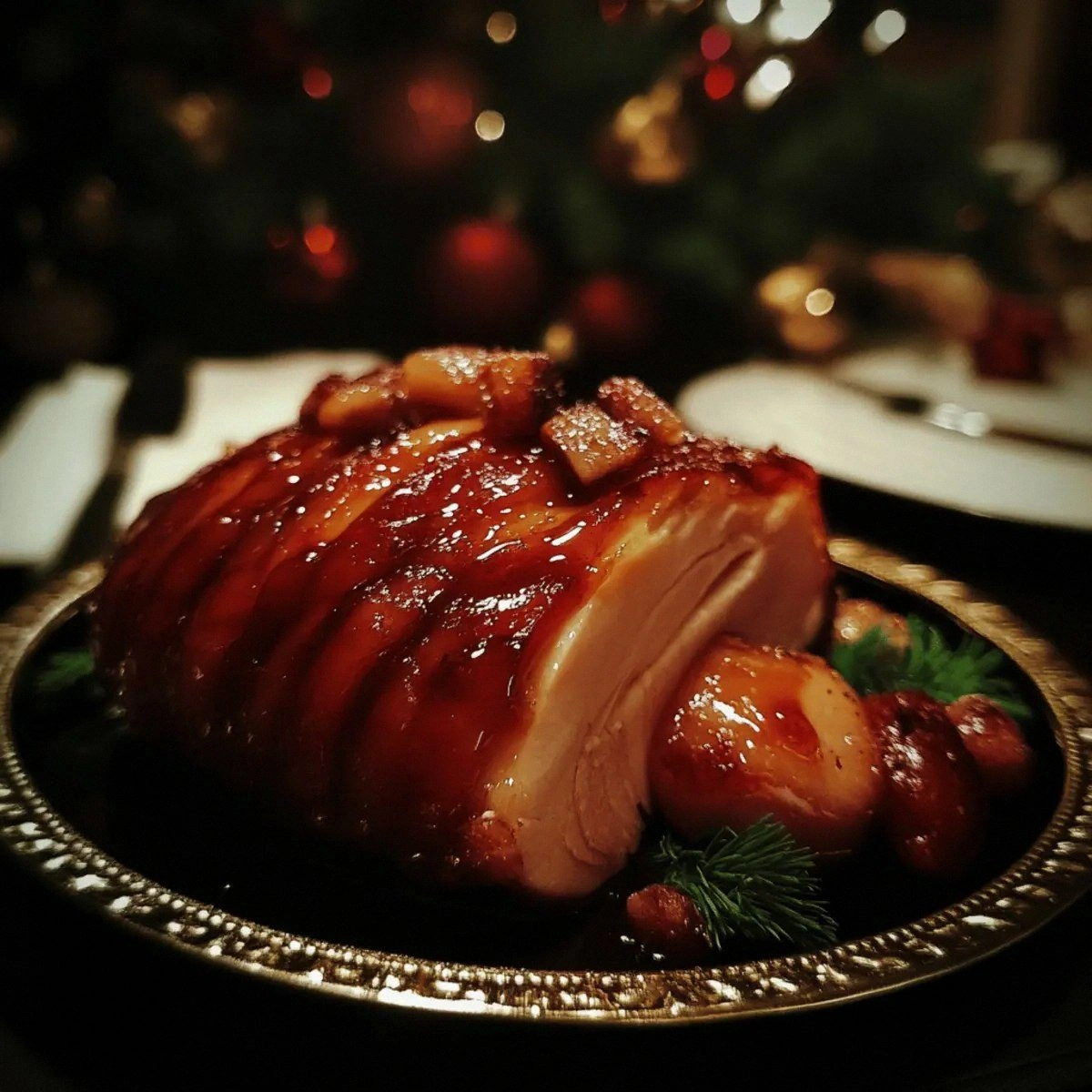
Picture the first bite: a tender, buttery interior that melts against your palate, the skin crisped to a golden perfection, and a glaze that clings like a velvet ribbon, bursting with honey, Dijon, and a whisper of cloves. The aroma alone is a holiday anthem—sweet honey, smoky paprika, and a subtle hint of apple cider that makes the whole kitchen feel like a cozy hearth. The sound of the bird sliding into the oven is a promise, the sizzle when the glaze hits the pan is a symphony, and the sight of the bubbling glaze is a visual cue that everything is working as it should.
What sets this version apart is that it doesn’t rely on a gigantic, expensive whole turkey or a pre‑brined block of ham. Instead, it takes a single turkey leg or thigh—an often‑overlooked cut—and transforms it into a showstopper. The recipe layers flavors in a way that most other holiday turkey dishes fail to do: smoky paprika and garlic powder create a savory base, brown sugar and honey build a sweet caramel, Dijon mustard adds depth, and apple cider vinegar cuts through the richness. The result is a dish that feels like a holiday miracle, and it’s all in under an hour.
I dare you to taste this and not go back for seconds. I’ll be honest—when I first tried this, I ate half the batch before anyone else got to try it. That’s how good it is. Most recipes get this completely wrong by over‑roasting the meat or under‑seasoning the glaze. Here’s what actually works: a quick sear, a slow roast, and a glaze that bakes into a glossy, caramelized coating. Picture yourself pulling this out of the oven, the whole kitchen smelling incredible, the bird sitting proudly on a platter, and your guests reaching for seconds. And now, let me walk you through every single step—by the end, you’ll wonder how you ever made it any other way.
What Makes This Version Stand Out
- Taste: The honey and Dijon glaze creates a sweet‑savory harmony that lingers on the tongue, unlike the bland brine‑washed turkeys you see at most holidays.
- Texture: A quick sear locks in moisture, while the slow roast ensures the skin turns crisp without drying the inside.
- Simplicity: With only ten minutes of prep and one pan, you’ll have a show‑stopping centerpiece that doesn’t demand a culinary degree.
- Uniqueness: Using a turkey leg or thigh as a “ham” is a creative twist that surprises guests and saves money.
- Crowd Reaction: The glossy glaze and tender meat are guaranteed to spark conversation and second helpings.
- Ingredient Quality: Fresh paprika, real honey, and a high‑quality butter elevate the dish beyond the ordinary.
- Cooking Method: The combination of searing, roasting, and glazing is a proven technique that guarantees juicy results.
- Make‑Ahead Potential: The glaze can be pre‑made, and the turkey can be marinated overnight for extra flavor.
Alright, let's break down exactly what goes into this masterpiece…
Inside the Ingredient List
The Flavor Base
Smoked paprika and garlic powder form the backbone of the rub. Smoked paprika introduces a subtle, earthy smokiness that complements the savory turkey, while garlic powder adds depth without the harshness of fresh garlic. Together, they create a savory canvas that allows the sweet glaze to shine. If you prefer a milder profile, reduce the paprika to ½ tablespoon, but don’t skip the garlic powder entirely—it’s the secret to a balanced flavor.
The Texture Crew
The turkey leg or thigh itself is the star. Choose a fresh, bone‑in cut for maximum juiciness. The bone adds flavor, and the skin is essential for that coveted crispness. If you’re using a boneless thigh, you’ll need to adjust the cooking time slightly to avoid drying out the meat. A quick sear before roasting locks in juices and gives the skin a golden starting point.
The Unexpected Star
Honey is the sweet hero that brings everything together. Its natural sugars caramelize beautifully, creating a glossy glaze that clings to the meat. Honey also has antimicrobial properties that help keep the turkey safe while it cooks. If you’re looking for a lower‑calorie option, try a 1:1 blend of honey and maple syrup, but keep in mind the maple syrup will slightly alter the flavor profile.
The Final Flourish
Dijon mustard and apple cider vinegar are the acidic counterbalance to the sweetness. Dijon adds a subtle tang and helps emulsify the glaze, creating a silky coating. Apple cider vinegar cuts through the richness, preventing the glaze from feeling cloying. If you don’t have Dijon, a grainy mustard works, but the texture will be slightly different. Similarly, a splash of lemon juice can replace the vinegar for a brighter finish.
Everything's prepped? Good. Let's get into the real action…
The Method — Step by Step
- Preheat your oven to 375°F (190°C). While the oven warms, pat the turkey leg dry with paper towels. This removes excess moisture and ensures the skin will crisp. The temperature is key: too hot and the glaze will burn before the meat is cooked; too cool and the skin won’t get that golden crunch.
- In a small bowl, combine 1 tablespoon smoked paprika, 1 teaspoon garlic powder, 1 teaspoon salt, and 1 teaspoon black pepper. This dry rub is the flavor foundation. Mix thoroughly to ensure even distribution; uneven seasoning leads to pockets of blandness. Coat the turkey evenly, pressing the rub onto the skin and meat.
- Heat a large, oven‑proof skillet or roasting pan over medium‑high heat. Add 2 tablespoons of butter and let it melt, swirling the pan to coat the bottom. The butter adds richness and helps the rub brown. When the butter starts to foam, place the turkey leg skin‑side down. Sear for 3–4 minutes until the skin is a deep golden brown.
- Flip the turkey and let it sear on the other side for another 2 minutes. This quick sear locks in juices and creates a beautiful crust. While searing, you’ll hear the sizzling sound that signals the start of the flavor development. This step is crucial; skipping it will result in a soggy skin.
- In a separate bowl, whisk together 1 cup brown sugar, 1 cup honey, 2 tablespoons Dijon mustard, 2 tablespoons apple cider vinegar, and 1 teaspoon ground cloves. The sugar and honey provide sweetness; the mustard and vinegar add acidity; the cloves give a warm, aromatic note. Whisk until the mixture is smooth and the sugar has dissolved.
- Pour the glaze over the turkey, ensuring every surface is coated. The glaze will caramelize during roasting, forming a glossy, caramelized coating. If you want a thicker glaze, reduce the vinegar slightly. The glaze should look slightly viscous, not watery.
- Place the skillet or roasting pan in the preheated oven. Roast for 25–30 minutes, then reduce the heat to 350°F (175°C) and continue roasting for another 15–20 minutes. The total cooking time should be about 45 minutes. Check the internal temperature with a meat thermometer; it should reach 165°F (74°C) for safety.
- Halfway through the second roasting phase, brush the turkey with more glaze. This keeps the surface moist and enhances caramelization. Use a basting brush or spoon to apply the glaze evenly. The glaze will bubble and steam, creating a fragrant aroma that fills the kitchen.
- When the turkey reaches the correct temperature, remove it from the oven. Let it rest for 10 minutes before slicing. Resting allows juices to redistribute, ensuring every bite is moist. While it rests, you can finish the glaze if you like: simmer the remaining glaze in a small saucepan until it thickens slightly, then drizzle over the sliced turkey.
That's it — you did it. But hold on, I've got a few more tricks that'll take this to another level…
Insider Tricks for Flawless Results
The Temperature Rule Nobody Follows
Many cooks over‑cook their turkey, leading to dry meat. The secret is to start at a higher temperature for searing and then reduce to a steady 350°F (175°C) for the rest of the roast. This approach ensures a crisp exterior while maintaining a juicy interior. Always use a meat thermometer to avoid guessing.
Why Your Nose Knows Best
Trust your sense of smell during roasting. As the glaze caramelizes, a sweet, buttery aroma will fill the room. If the aroma becomes overly sharp or burnt, lower the heat or remove the glaze for a while. Your nose is the best judge of doneness when visual cues are ambiguous.
The 5‑Minute Rest That Changes Everything
Resting the turkey after roasting allows the juices to redistribute, preventing them from spilling out when you slice. A 5‑minute rest is enough for a single leg; for larger pieces, aim for 10–15 minutes. The rest period also lets the glaze set slightly, making it easier to coat the slices.
The Butter Boost
Adding 2 tablespoons of butter to the glaze before roasting gives the skin a buttery sheen and helps the glaze adhere. Butter also adds a subtle nutty flavor that complements the honey. If you’re watching calories, replace half the butter with olive oil, but the texture will differ slightly.
The Clove Whisper
Cloves are potent, so use them sparingly. A single teaspoon is enough to infuse warmth without overpowering the other flavors. If you’re sensitive to cloves, try a pinch of nutmeg instead, which offers a similar depth but with a more subtle profile.
The Quick Sear
Searing the turkey before roasting is the single most important step for achieving a crispy skin. It creates a Maillard reaction that forms a golden crust. If you’re on a tight schedule, you can skip the sear, but expect a less crisp exterior.
Creative Twists and Variations
This recipe is a playground. Here are some of my favorite ways to switch things up:
Maple‑Glazed Turkey Leg
Replace the honey with maple syrup for a classic North American flavor. The syrup’s natural sweetness pairs beautifully with the smoky paprika. Serve with a side of roasted sweet potatoes for a full holiday meal.
Herb‑Infused Honey Glaze
Add a tablespoon of dried rosemary or thyme to the glaze for an herbal twist. The herbs complement the cloves and add a fragrant aroma. This variation works well with a side of garlic mashed potatoes.
Spicy Honey‑Mustard Glaze
Incorporate a teaspoon of crushed red pepper flakes into the glaze for a subtle kick. The heat balances the sweetness, creating a complex flavor profile. Pair with a cool cucumber salad to offset the spice.
Citrus‑Citrus Fusion
Add a splash of orange juice and zest to the glaze for a bright, citrusy note. The acidity cuts through the richness and adds a refreshing zing. Serve alongside a citrus vinaigrette salad for a cohesive taste.
Smoked Paprika‑Only Rub
If you’re a fan of smoky flavors, double the smoked paprika and reduce the honey to ½ cup. This creates a more pronounced smoky taste that still retains a touch of sweetness. Ideal for those who love a bold, savory turkey.
Vegan “Turkey” Alternative
Swap the turkey leg with a plant‑based turkey substitute or a large portobello mushroom. Follow the same rub and glaze steps for a vegetarian version that still delivers on flavor and texture. This is perfect for guests who prefer plant‑based options.
Storing and Bringing It Back to Life
Fridge Storage
Cool the sliced turkey to room temperature, then wrap tightly in plastic wrap or place in an airtight container. Store in the refrigerator for up to 4 days. Keep the glaze in a separate container; you can reheat it gently on the stove before serving.
Freezer Friendly
For longer storage, wrap the sliced turkey in foil, then place in a freezer bag. Freeze for up to 3 months. Thaw overnight in the refrigerator before reheating. Reheat in a preheated 350°F (175°C) oven until warmed through.
Best Reheating Method
Add a splash of water to the pan, cover with foil, and reheat at 325°F (165°C) for 10–15 minutes. The water prevents the meat from drying out, and the foil traps steam. Finish by brushing with fresh glaze for that glossy finish.