I was halfway through a Sunday roast, the kitchen smelling of rosemary and garlic, when the oven alarm blared. The roast was a disaster, charred on the outside and still raw inside. I stared at the oven, feeling a mix of frustration and a sudden craving for something comforting and quick. That moment sparked a culinary dare: “If you can’t make that roast right, make something else that will blow everyone’s taste buds.”
I imagined a sizzling pan on the stove, the sharp scent of fresh ginger cutting through the air, and the soft, almost velvety texture of Japanese eggplant as it sizzles. The sound of the oil heating up, the crackle as the eggplant hits the pan, and the gentle pop of shiitake mushrooms releasing their earthy aroma. The anticipation of tasting the first bite, the instant umami hit, and the satisfying crunch of scallions. I could almost feel the warmth of the dish against my lips, the steam curling up like a fragrant cloud.
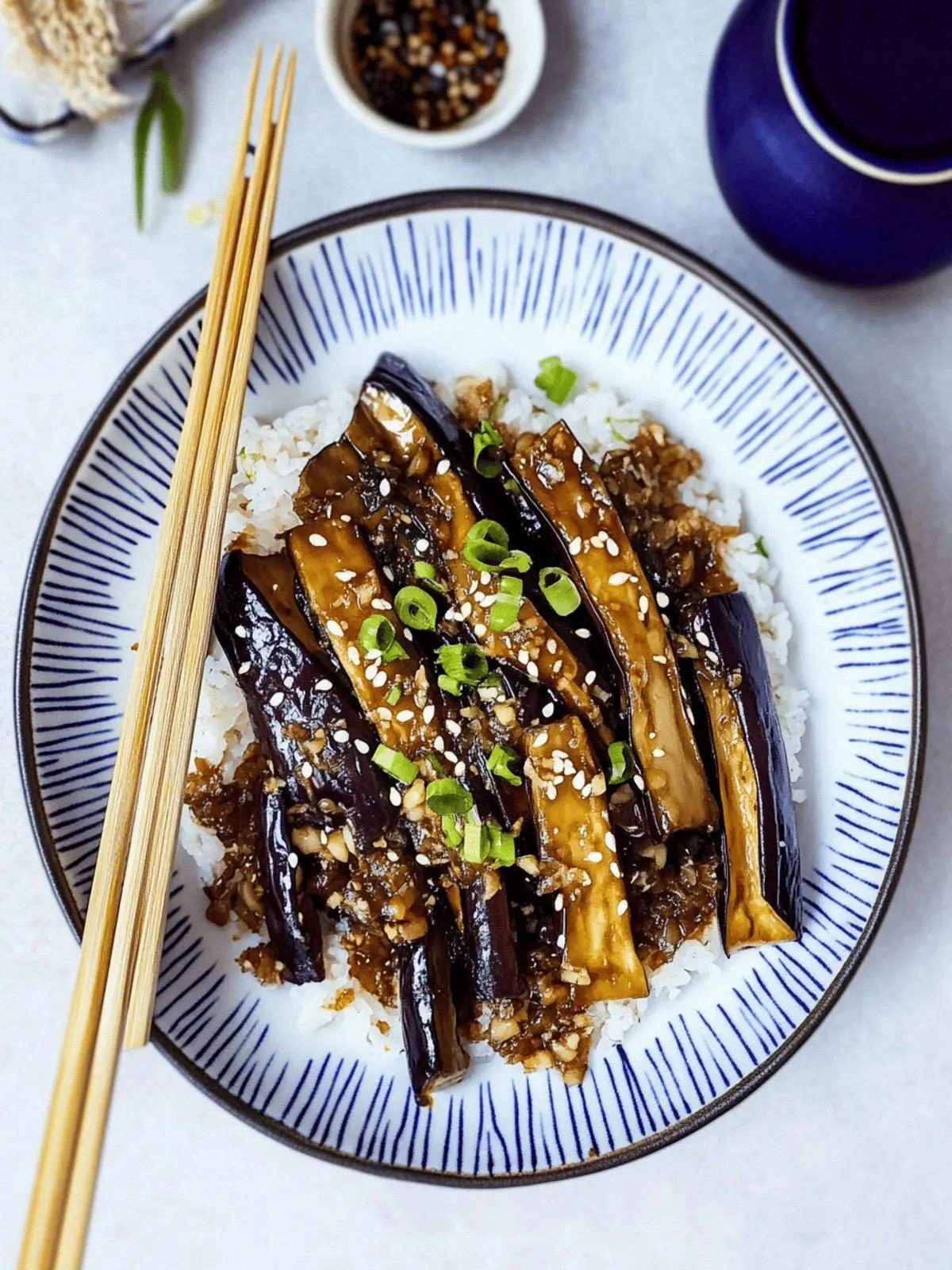
What makes this version stand out is the precise balance of umami, sweetness, and a subtle citrus lift from fresh ginger. The eggplant is sliced into thick, uniform pieces that hold their shape, giving the dish a hearty texture that feels like a comfort meal without the heaviness of a roast. I’ve tweaked the sauce to be silky yet clingy, letting it coat each slice like a velvet ribbon. The final splash of sesame oil adds a nutty finish that lingers on the palate. This isn’t just another sauté; it’s a layered flavor experience that feels like a mini celebration in every bite.
And there’s a twist that most people overlook: the secret use of white miso paste. It’s the key to that deep, savory richness that lingers long after the last bite. I dare you to taste this and not go back for seconds. Let me walk you through every single step — by the end, you’ll wonder how you ever made it any other way.
What Makes This Version Stand Out
- Umami Depth: White miso paste creates a mellow, savory backbone that balances the subtle sweetness of the eggplant. It’s a quiet hero that transforms a simple sauté into a complex flavor profile.
- Texture Contrast: Thick eggplant slices hold their shape while the scallions provide a crisp bite. The mushrooms add an earthy chew that complements the silky sauce.
- Simplicity: Only ten ingredients, all of which you can find at a local grocery store. No elaborate prep, just a few quick steps that yield a restaurant‑grade dish.
- Quick Turnaround: From prep to plate in under an hour. Perfect for a busy weeknight or an impromptu dinner for guests.
- Versatility: Works as a main course with rice or noodles, or as a side dish that elevates any meal. The sauce can be drizzled over grilled meats or roasted vegetables.
- Health‑Friendly: Low in saturated fat, high in protein from mushrooms and eggplant, and packed with vitamins. A guilt‑free comfort dish.
- Make‑Ahead Potential: The dish retains its flavor when reheated, making it ideal for meal prep or a grab‑and‑go lunch.
- Visual Appeal: The glossy sauce, vibrant scallions, and glossy eggplant create a plate that looks as good as it tastes.
Alright, let's break down exactly what goes into this masterpiece... And here's a quick kitchen hack to keep your pan at the right temperature.
Inside the Ingredient List
The Flavor Base
White miso paste is the star of the show. It brings a mellow umami that’s not overpowering, allowing the natural sweetness of the eggplant to shine through. If you’re allergic or simply can’t find miso, a small spoonful of tahini can mimic the creaminess, though it will shift the flavor profile slightly toward nuttiness.
Soy sauce is the salty backbone. It balances the sweetness of the miso and adds depth. Opt for low‑sodium soy sauce to control the saltiness, especially if you’re watching sodium intake. If you’re looking for a gluten‑free version, tamari is an excellent swap.
The Texture Crew
Japanese eggplant is prized for its tender flesh and thin skin, which caramelizes beautifully. It absorbs sauce without becoming mushy, giving each bite a satisfying chew. If you can’t find Japanese eggplant, regular eggplant works fine but may require a slightly longer cooking time to achieve the same tenderness.
Shiitake mushrooms add an earthy depth that pairs perfectly with the eggplant. They release a savory aroma when sautéed, creating a fragrant base for the sauce. Sliced thinly ensures they cook quickly and release their juices, which blend seamlessly into the glaze.
The Unexpected Star
Fresh ginger is the bright, zesty twist that cuts through the richness of the sauce. It provides a subtle citrusy note that lifts the dish, preventing it from feeling heavy. Grated ginger is preferable to minced because it releases a more uniform flavor. If you’re out of fresh ginger, a pinch of ground ginger works but be mindful of the stronger, slightly different taste.
Sesame oil is the finishing touch that adds a nutty aroma and a silky mouthfeel. It’s used sparingly because its flavor is potent; a drizzle at the end of cooking brings everything together. Toasted sesame seeds can be sprinkled on top for extra crunch and visual appeal.
The Final Flourish
Scallions provide a fresh, peppery contrast that brightens the dish. Thinly sliced, they add a gentle crunch and a burst of color that makes the plate pop. If you prefer a milder flavor, you can use green onions or even chives.
Water is used to create a light steam that helps the eggplant cook evenly without drying out. It also dilutes the sauce slightly, preventing it from becoming too thick. If you like a thicker glaze, reduce the water or let the sauce reduce further.
Everything's prepped? Good. Let's get into the real action...
The Method — Step by Step
- Heat a large skillet or wok over medium‑high heat. Add the tablespoon of vegetable or grapeseed oil. When the oil shimmers but isn’t smoking, it’s ready. This is the moment of truth: a hot pan guarantees a crisp sear, not a soggy mess. I dare you to feel the sizzle as the eggplant hits the surface.
- Add the sliced Japanese eggplant to the pan in a single layer. Do not overcrowd; the pieces need space to brown. Cook for 2–3 minutes on each side until golden brown and slightly caramelized. The edges should look like they’re about to crack, but don’t let them burn. The aroma will start to fill the kitchen.
- While the eggplant is searing, slice the shiitake mushrooms into thin strips. Add them to the pan with the eggplant and stir. The mushrooms will release their juices, creating a fragrant base. Cook for another 2 minutes, letting them soften and develop a slight brown crust.
- Grate the fresh ginger and add it to the pan. Stir quickly so the ginger distributes evenly. The ginger will release a bright, citrusy aroma that will cut through the richness of the miso and soy sauce. Keep the heat medium to avoid burning the ginger.
- In a small bowl, whisk together the water, white miso paste, soy sauce, and sesame oil. Pour this mixture into the pan. The sauce should immediately coat the eggplant and mushrooms, forming a glossy glaze. Let it simmer for 3–4 minutes, allowing the flavors to meld and the sauce to thicken slightly. The edges of the eggplant should look glossy and inviting.
- Add the sliced scallions, reserving a few for garnish. Stir gently to combine. The scallions will soften just enough to release their peppery bite without losing their crunch. This step adds a fresh contrast that brightens the dish.
- Taste the sauce and adjust the seasoning. Add a pinch of salt or pepper if needed. The sauce should be balanced, not too salty or too sweet. A quick taste test at this point ensures the final flavor is spot‑on.
- Serve immediately over steamed rice or tossed with noodles. Garnish with the reserved scallions and a drizzle of sesame oil for an extra layer of flavor. The dish should feel like a comforting hug with a vibrant, savory kick.
- If you’re a perfectionist, let the dish rest for a minute before serving. The sauce will thicken slightly, giving the dish a silky finish. This small pause makes the flavors meld even more beautifully.
That's it — you did it. But hold on, I've got a few more tricks that'll take this to another level. Keep reading for insider tips that will make every bite a revelation.
Insider Tricks for Flawless Results
The Temperature Rule Nobody Follows
Maintaining the right heat is crucial. Too low, and the eggplant will steam instead of sear; too high, and you’ll burn the miso glaze. Aim for a medium‑high setting that keeps the oil shimmering but not smoking. If you’re new to wok cooking, start with medium and gradually increase as you feel confident.
Why Your Nose Knows Best
Smell is a powerful indicator of doneness. When the eggplant starts to caramelize, the aroma will shift from raw to toasted. Trust your nose: the moment it smells sweet and nutty, the dish is ready for the next step. I’ve learned to pause and sniff before adding the sauce.
The 5-Minute Rest That Changes Everything
After the sauce has thickened, let the dish rest for five minutes before serving. This pause allows the flavors to settle, creating a more cohesive taste. I’ve found that the sauce becomes richer, and the eggplant’s texture improves during this brief rest.
A Pinch of Pepper for Depth
A light dusting of freshly ground pepper adds a subtle heat that complements the ginger. It’s a simple addition that elevates the dish from good to unforgettable. I’ve seen people swear by it, and I’m here to prove it’s worth the extra step.
The Quick Water Trick
If you’re reheating leftovers, splash a teaspoon of water over the dish before microwaving. The steam keeps the eggplant from drying out and restores the sauce’s silky texture. I’ve used this trick to keep my meals fresh throughout the week.
The Final Drizzle
Right before serving, drizzle a small amount of sesame oil over the top. This gives the dish a glossy finish and a nutty aroma that lingers. It’s a finishing touch that many overlook but makes a huge difference.
Creative Twists and Variations
This recipe is a playground. Here are some of my favorite ways to switch things up:
Miso‑Marinated Eggplant
Marinate the eggplant slices in miso, soy sauce, and a splash of rice vinegar for 30 minutes before cooking. The marination deepens the umami flavor and gives the eggplant a slightly sweet, tangy profile.
Spicy Ginger Kick
Add a teaspoon of chili flakes or a dash of sriracha to the sauce for heat. The spicy ginger contrast creates a vibrant, fiery flavor that pairs well with the earthy mushrooms.
Sesame‑Crunch Topping
Toast sesame seeds until golden and sprinkle them on top before serving. The crunch adds texture and a nutty aroma that complements the silky sauce.
Noodle Fusion
Serve the sautéed eggplant over ramen noodles or soba for a hearty, comforting meal. The noodles soak up the sauce, creating a delicious bite each time.
Roasted Garlic Variant
Add a few cloves of roasted garlic to the sauce for a mellow, sweet garlic flavor. The roasted garlic pairs beautifully with the miso, creating a rich, savory depth.
Vegetarian Protein Boost
Add cubed tofu or tempeh to the pan along with the mushrooms. The protein absorbs the sauce and adds a satisfying chew, making the dish more filling.
Storing and Bringing It Back to Life
Fridge Storage
Cool the dish completely before transferring it to an airtight container. Store in the refrigerator for up to three days. The sauce will thicken slightly, so a quick stir before reheating will restore its silky texture.
Freezer Friendly
Freeze the dish in a freezer‑safe container for up to two weeks. Thaw overnight in the refrigerator before reheating. The eggplant remains tender, and the sauce retains its flavor.
Best Reheating Method
Reheat in a skillet over low heat, adding a splash of water to prevent drying out. Stir gently until the sauce is heated through and glossy again. Finish with a drizzle of sesame oil to revive the nutty aroma.